
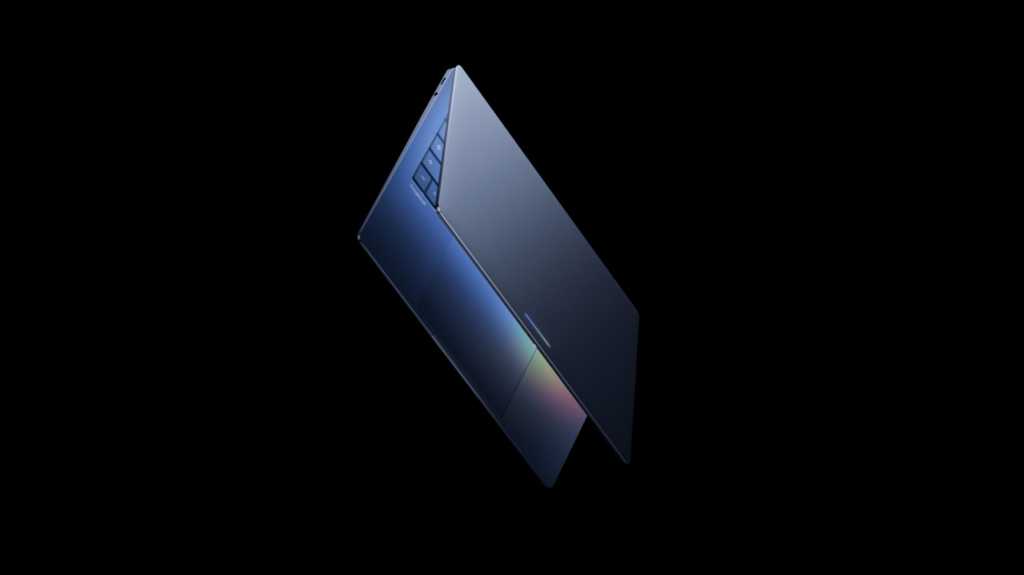
There could be as many as eight Googlebook laptops available at launch, according to a new leak.
Google unveiled its new Googlebook laptop venture in mid-March, promising premium laptops that essentially merges the company’s Chromebook and Android efforts with Gemini AI driving it all. Essentially, this is Google’s answer to the MacBook Neo, but with added AI smarts.
We knew at the time that Acer, Asus, Dell, HP and Lenovo were all on board to produce their own Googlebook hardware (Google isn’t making its own this time around), but that was about it for specifics.
Now, it appears that there will be as many as eight distinct Googlebook devices when the laptops go on sale this autumn, as discovered by Chrome Unboxed in the Chromium code.
Four of these devices are expected to run on Intel’s Core Ultra 300 hardware, while three will be running on Qualcomm’s Snapdragon X series chips. The final one should be powered by MediaTek’s Kompanio Ultra chip.
Although we don’t have much more than codenames for each (see below), it appears that custom splash screens are being made for each of the Intel devices will show during boot up and the MediaTek device won’t be a traditional clamshell laptop.
Instead, it will be a “thin, lightweight, high-efficiency detachable tablet that will anchor the ultra-portable side of the ecosystem.”

Googlebook codenames
Intel
- Felino
- Lapis
- Moonstone
- Ruby
Qualcomm Snapdragon
- Quenbi
- Mica
- Quartz
MediaTek
- Sapphire
What to expect from the Googlebook
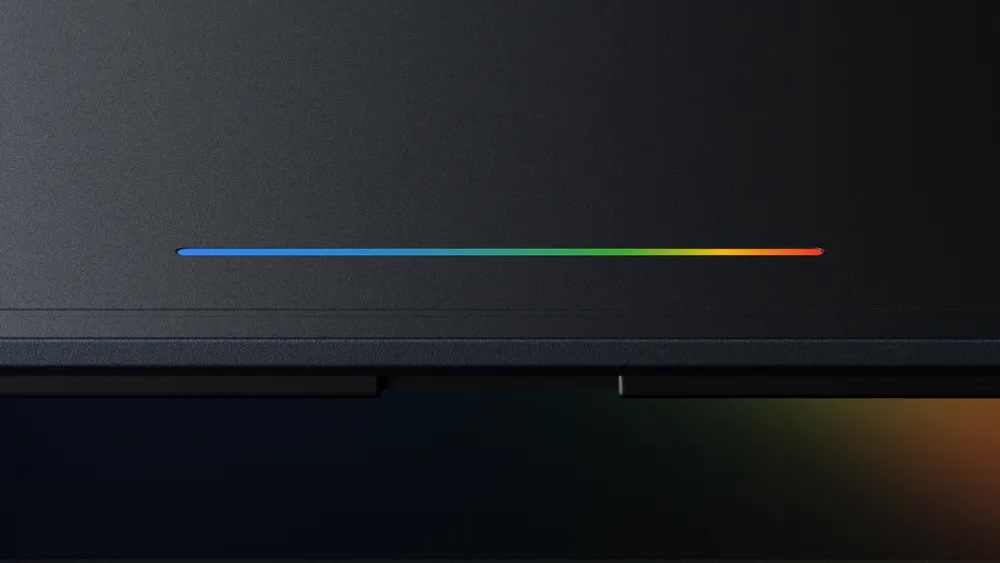
When Google showed off its new laptop initiative last month, it revealed a distinctive ‘Glowbar’ LED notification lighting system. This will be on all Googlebooks, and is promised to be “both functional and beautiful”.
Google is also rumoured to be bringing a similar external lighting system to its Pixel 11 smartphone series over the coming months.
Elsewhere, Google promised that its Googlebook series would feature “premium craftsmanship and materials”, so we’re presuming they’ll be more high-end than most of the cheap and cheerful Chromebooks to have hit the market over the years.
One thing seems certain – you shouldn’t be wanting for choice once the first wave of Googlebooks hit the market.