




After deciding between Android and iOS, the next big decision you need to make is how much you are willing to spend on a new phone. For some people, only the very best phones will do, and they’re willing to pay for it. At the other end of the scale, the best budget phones deliver a solid core experience at a fraction of the cost.

But what about if you’re somewhere in between? You still want some of those premium features, but your budget can’t quite stretch to flagship prices.
That’s where a mid-range phone comes in. To be eligible here, a phone must cost between around £300/$300 and £700/$700 when bought outright at launch. That’s a fairly wide price range, with dozens of possible devices, but only the very best have made it into the top 10 below.
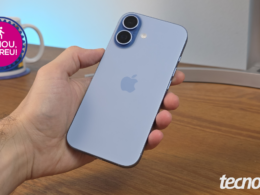
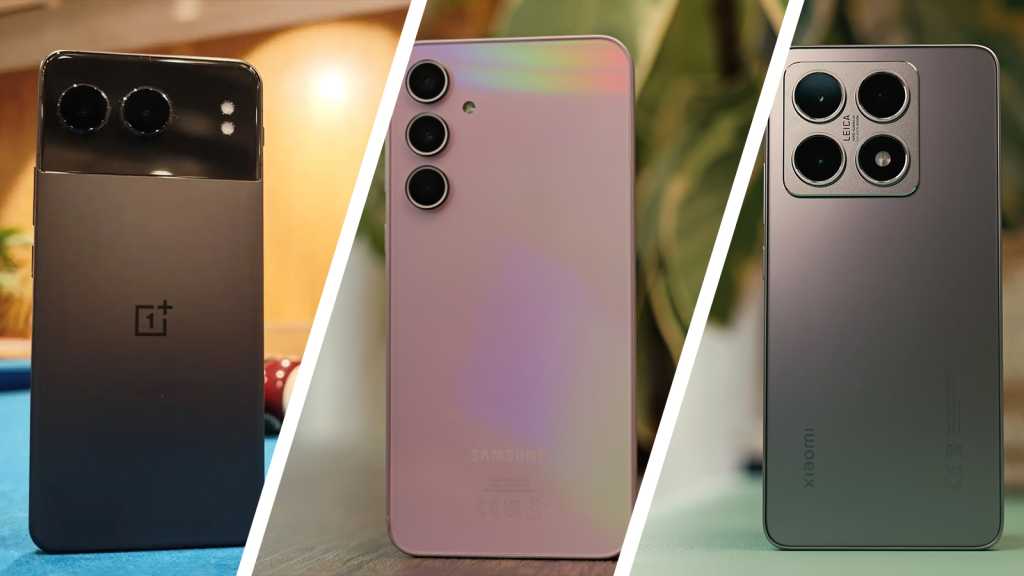
The only mid-range iPhone that Apple sells is the iPhone 16e, but we haven’t had the chance to review it yet. It means the list below is exclusively Android phones, though there’s still plenty of choice. Below, you’ll find devices from OnePlus, Google, Samsung, Xiaomi, Nothing, Motorola and Poco.
Honourable mentions go to the Nubia Flip 5G, the only mid-range folding phone, and the Fairphone 5, which has impressive sustainability and repairability credentials.
All 10 phones below are available in the UK, but not all of them are sold in the US – we’ll indicate where that’s the case. And at the bottom of the page, you’ll find detailed buying advice for mid-range phones.
For more information and advice, see our full guide to the best phone deals, plus dedicated round-ups of the best Samsung Galaxy deals and best Google Pixel deals.
Best mid-range phone 2025
1. Nothing Phone (3a) – Best overall
Pros
- Incredibly stylish design
- Affordable price point
- Slick and speedy software
- Great battery life
Cons
- Ultrawide camera isn’t great
- No charger in the box
Price When Reviewed:
329 Euro
Best Prices Today:
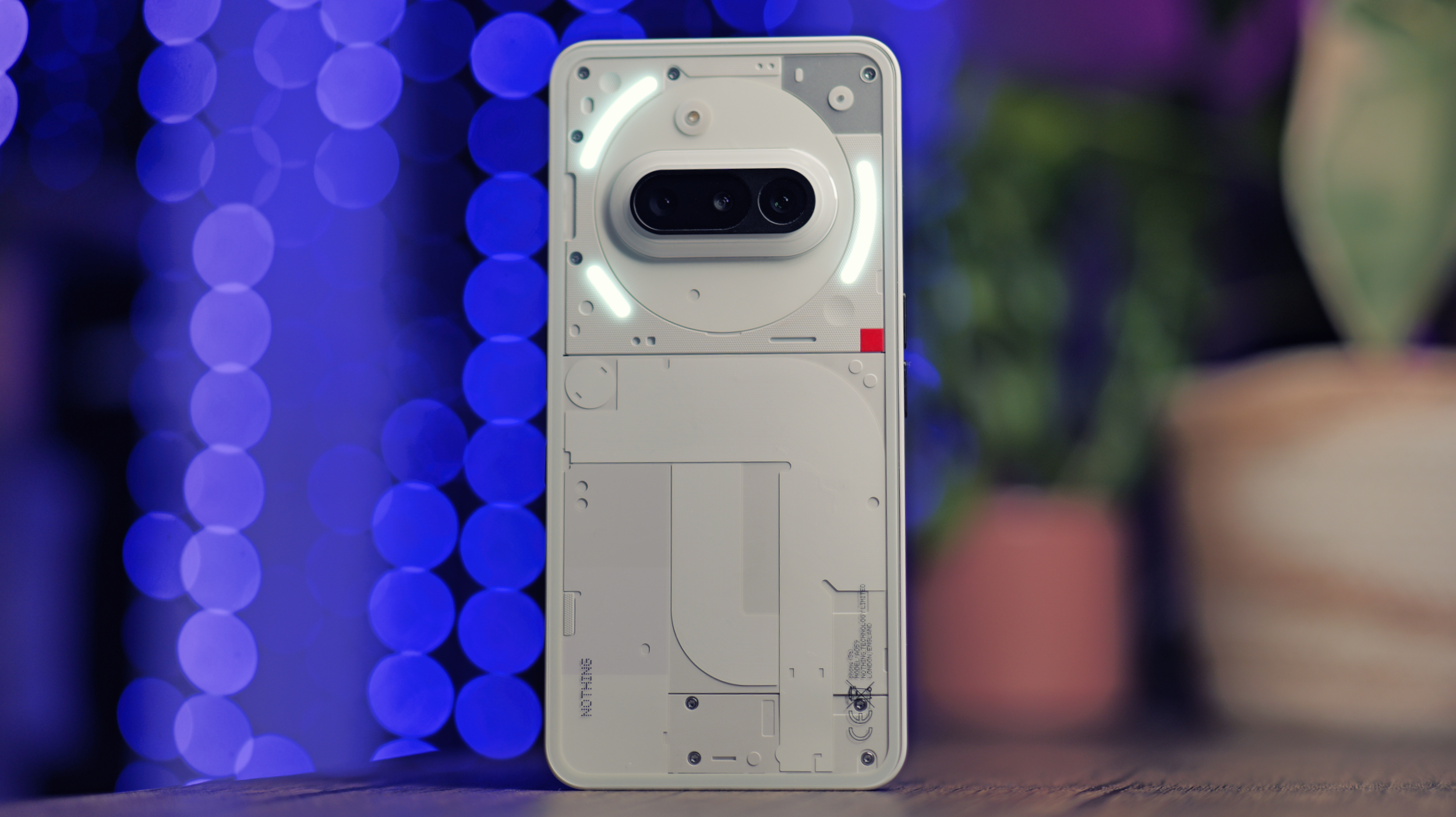
With a starting price of just £329/$379, the Nothing Phone (3a) is only just expensive enough to be included here. However, provided you don’t need top-tier cameras, it offers everything most people are looking for in a mid-range phone.
Nothing’s signature design, with a semi-transparent back and customisable ‘Glyph’ lights, means the Phone (3a) is sure to turn heads. But it’s the excellent Snapdragon 7s Gen 3 performance, superb 6.77-inch 120Hz OLED display and excellent battery life (from the 5000mAh cell) that elevate the device from good to truly excellent.
Nothing’s take on Android is another highlight, with a new Essential Key that should get more useful over time, plus a full six years of software support.
Cameras are the main compromise, with issues in low-light and a disappointing ultrawide lens. But for everything you’re getting, the Nothing Phone (3a) is a superb phone for the money.
Read our full
Nothing Phone (3a) review
2. Xiaomi 14T – Best performance
Pros
- Slick design
- Great cameras
- Solid performance
- Fast charging
- Useful Google Circle to Search feature
Cons
- Hit-and-miss AI features
- No wireless charging
- Plastic frame
- Not available in the US
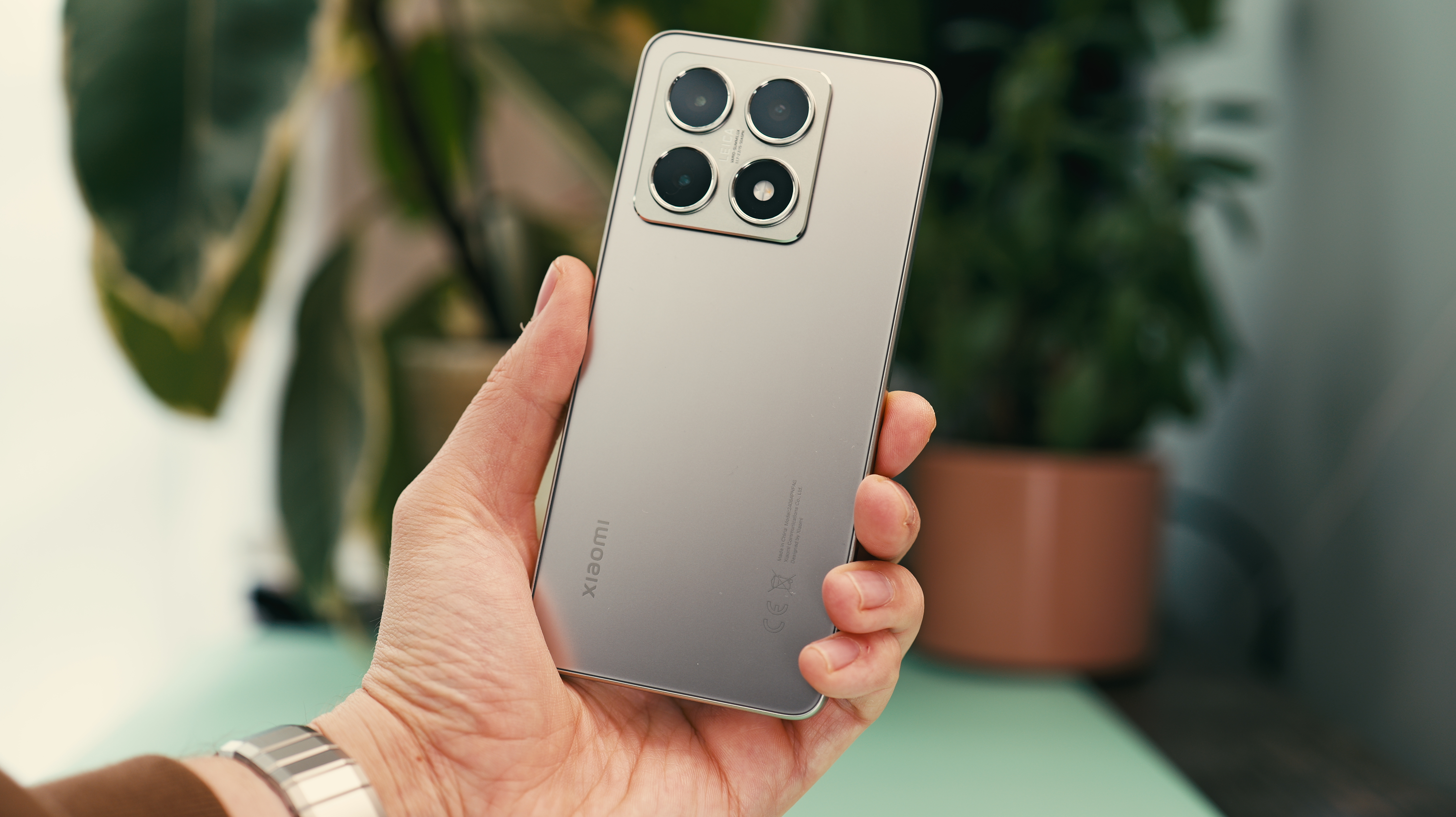
If you want a mid-range phone that could easily pass as a flagship, the Xiaomi 14T is for you. It looks and performs a lot like the regular Xiaomi 14, yet starts at just £549 in the UK.
And there’s a lot to slick here, including a premium design complete with a stunning large OLED display. The cameras are surprisingly great, despite being a clear step down from Xiaomi’s class-leading 14 Ultra.
Solid battery life is supported by impressive 67W fast charging, even if the necessary charger isn’t in the box and there’s no wireless charging.
This is a phone with almost no hardware weaknesses, though the software is still underwhelming at times. Google’s Circle to Search feature is genuinely useful, though Xiaomi’s own AI attempts aren’t always successful.
Xiaomi’s commitment to four major OS updates and five years of security patches is solid, though. And as an all-rounder, you’ll struggle to find anything better at this price point. You could step up to the 14T Pro, but the extra £150 (it starts at £699) simply isn’t worth it for most people.
Read our full
Xiaomi 14T review
3. OnePlus 13R – Best battery life
Pros
- Six years of software
- Great user experience with nice AI additions
- Brilliant performance
- Solid battery life
- Super-fast charging
Cons
- Cameras need fine tuning
- No wireless charging
- Magnetic accessories only work with case
- Not available in the US
Price When Reviewed:
749 Euro

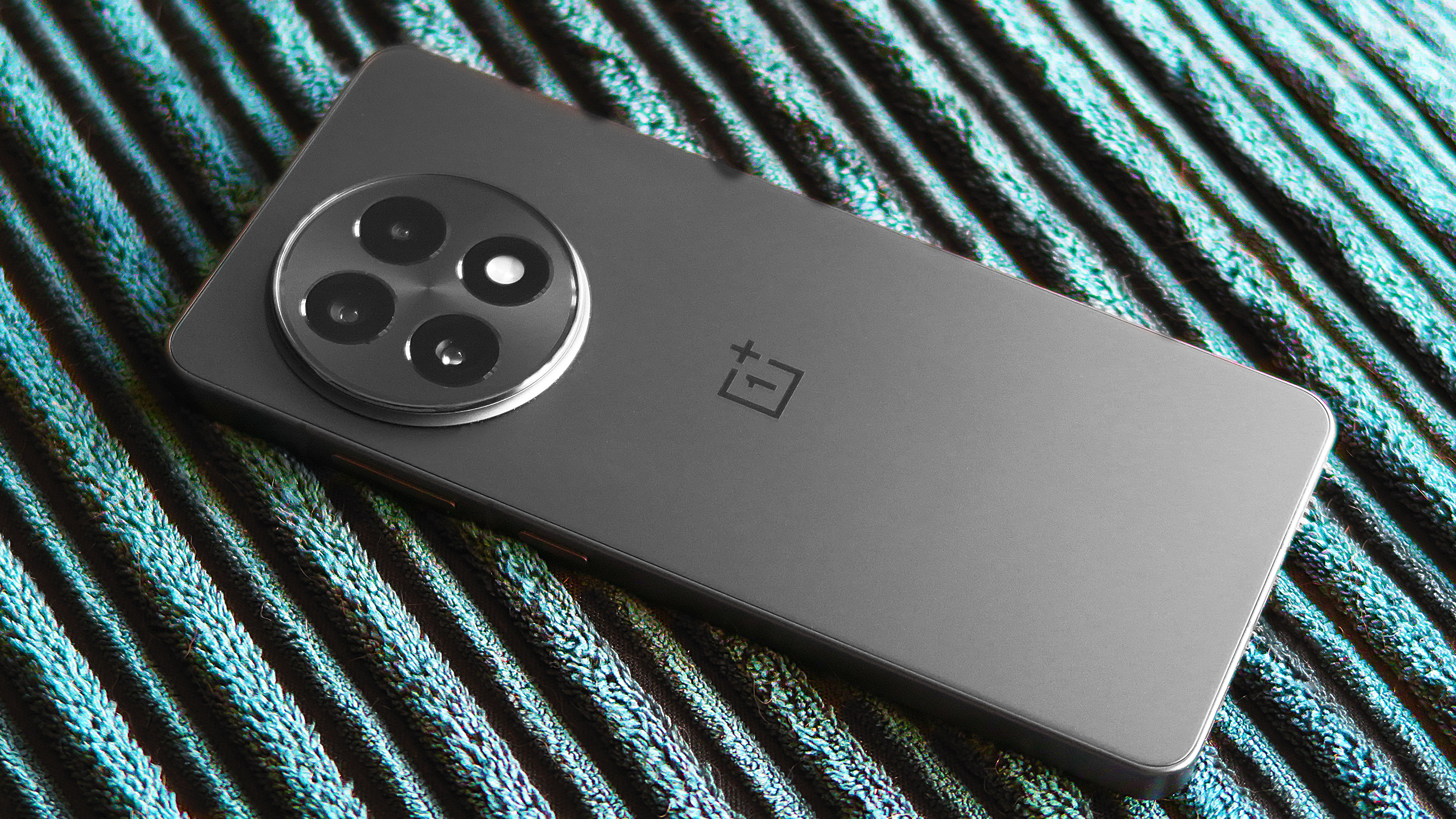
Given it launched alongside the flagship OnePlus 13, it’s easy to overlook the cheaper 13R. But this is a great mid-range phone in its own right.
It offers almost everything most people are looking for in a mid-range phone, namely great performance, superb battery life and slick software that cleverly deploys AI to enhance the user experience. And at this price point, OnePlus’ commitment to six years of software updates is the best around.
Cameras are the main shortcoming – despite some notable improvements compared to the OnePlus 12R, it’s a step down from the best at this price point. You’ll also have to make do without wireless charging, with the MagSafe-style accessories requiring a separate case.
However, provided user experience is your top priority and you don’t mind sacrificing some camera performance to get there, you can’t go wrong with the 13R.
Read our full
OnePlus 13R review
4. OnePlus Nord 4 – Great alternative
Pros
- Premium build
- Great display
- Strong main camera
- Solid battery life
- Six years of software support
Cons
- Polarising design
- Disappointing ultrawide camera
- No telephoto camera
- Not available in the US
Price When Reviewed:
499 Euro


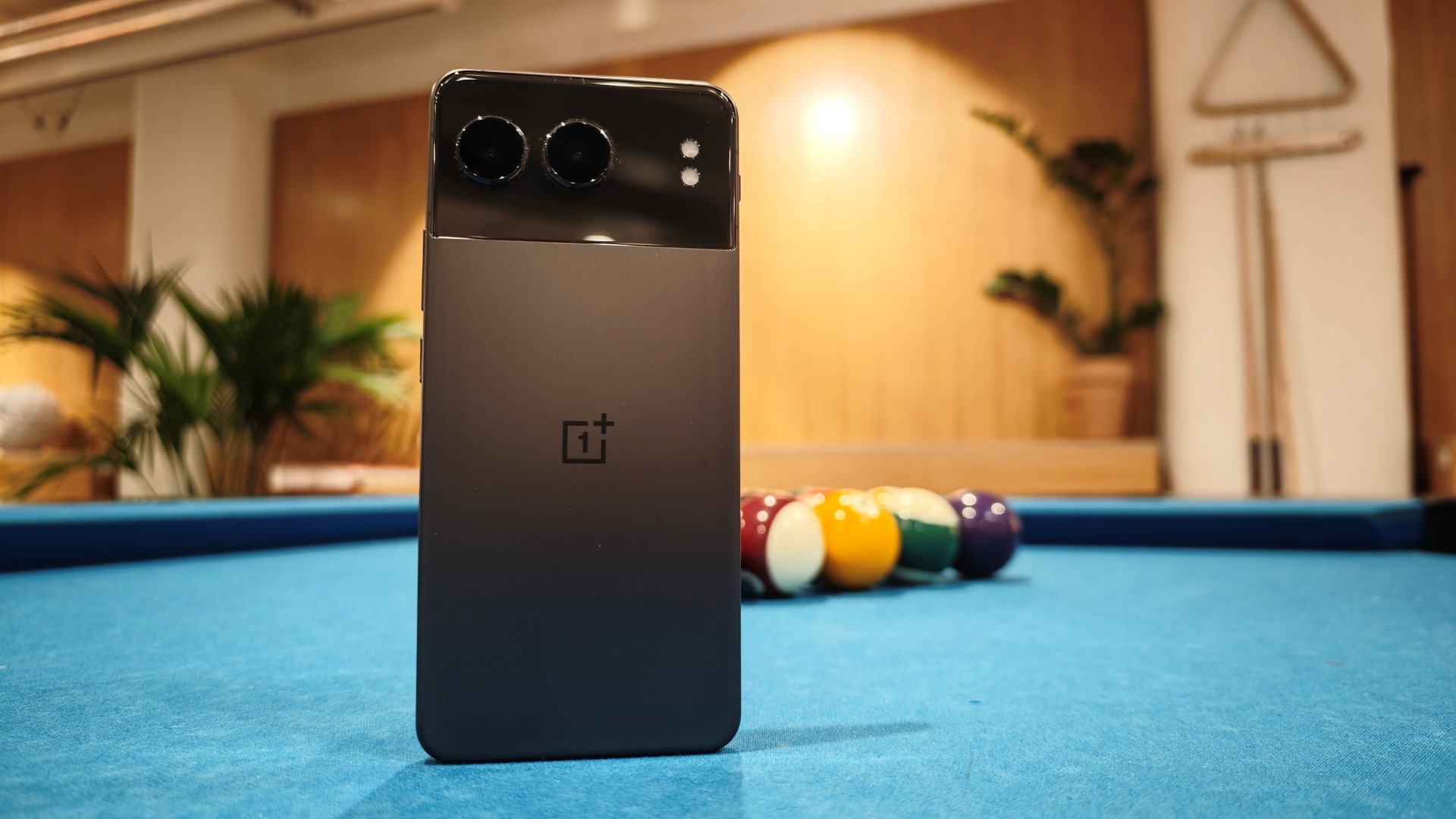
The OnePlus Nord 4 is a superb phone which still offers everything most people are looking for in a mid-range phone.
That includes superb build quality, with the metal unibody design ensuring top-class durability, even if the reflective plastic window around the cameras will divide opinion.
The Snapdragon chip under the hood isn’t quite Qualcomm’s flagship, but performance is still very strong, while the excellent display could pass for a device twice the price.
Solid battery life is supported by 100W fast charging (albeit without the charger in the box), while the six-year update commitment is the best on a non-Samsung or Google phone.
The downsides are concentrated around the cameras, with OnePlus opting for a disappointing ultrawide lens instead of any telephoto. But the main and selfie sensors are good enough that you can mostly ignore that.
And considering everything else you’re getting, the Nord 4 is superb value for money. However, you might want to wait for the upcoming Nord 5.
Read our full
OnePlus Nord 4 review
5. Samsung Galaxy A35 5G – Great all-rounder
Pros
- Long software support
- Good main and selfie cameras
- High-quality display
- Great battery life
Cons
- Plasticky construction
- Sluggish at times
Price When Reviewed:
€379

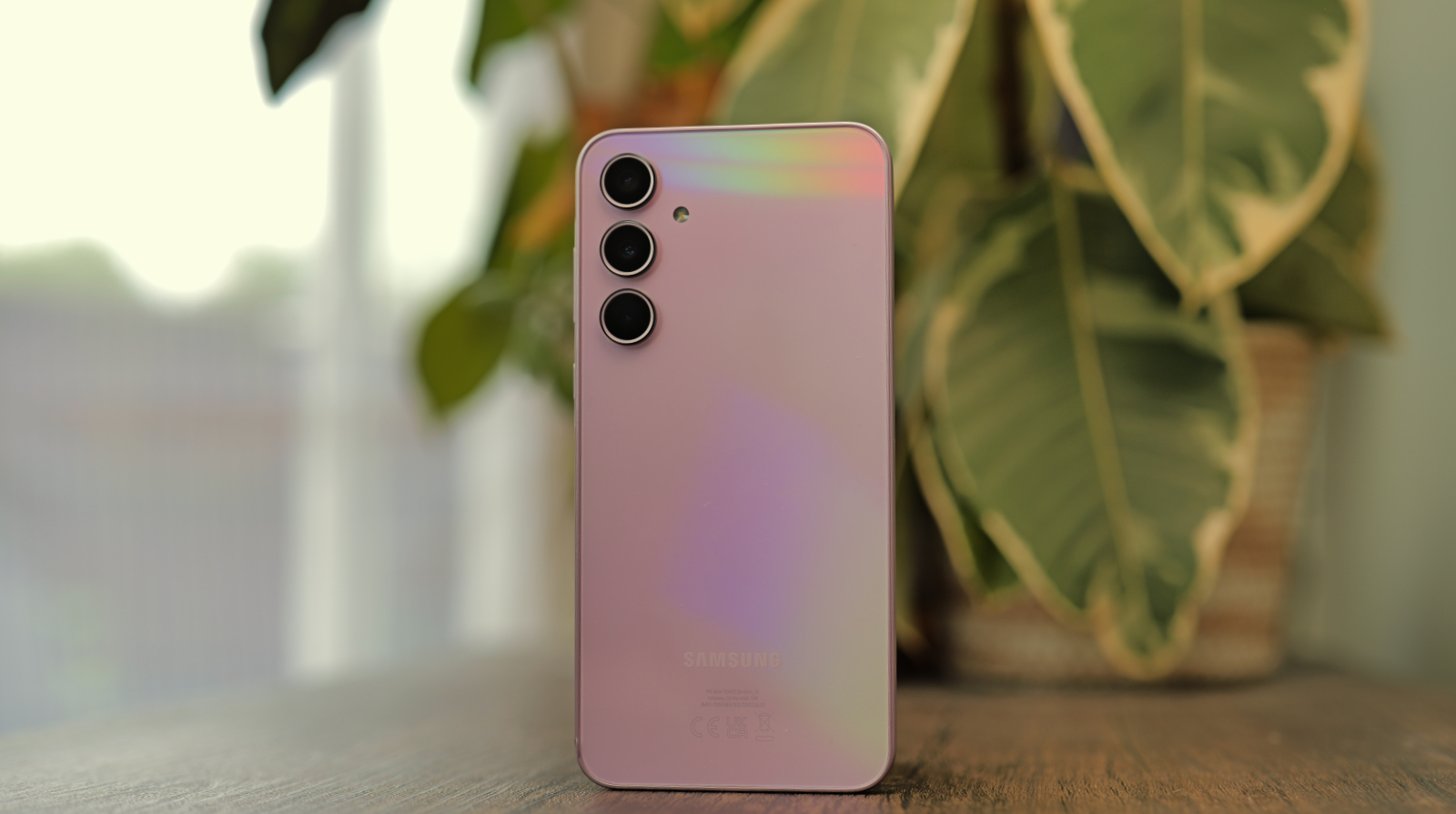
If you’re worried about buying an older phone and want the reassurance of long software support, go for the Galaxy A35 5G instead.
Samsung’s 2024 mid-ranger offers a lot for your money, including a class-leading promise of four major OS updates and five years of security updates to its slick One UI software, even if you don’t currently get Galaxy AI features.
Elsewhere, the Galaxy A35 offers strong main and selfie cameras for the price (albeit not quite as good as the Pixel 8a), plus an excellent 120Hz display and very good battery life. If you can look beyond the plastic build and performance that won’t blow you away, it’s easy to recommend.
However, you might now prefer the newer Galaxy A36 5G.
Read our full
Samsung Galaxy A35 5G review
6. Google Pixel 8a – Best software experience
Pros
- Superb software experience
- Seven years of updates
- Excellent cameras
- Premium design
Cons
- Slow charging
- Average battery life
- Chunky screen bezels
Price When Reviewed:
549 Euro
Best Prices Today:


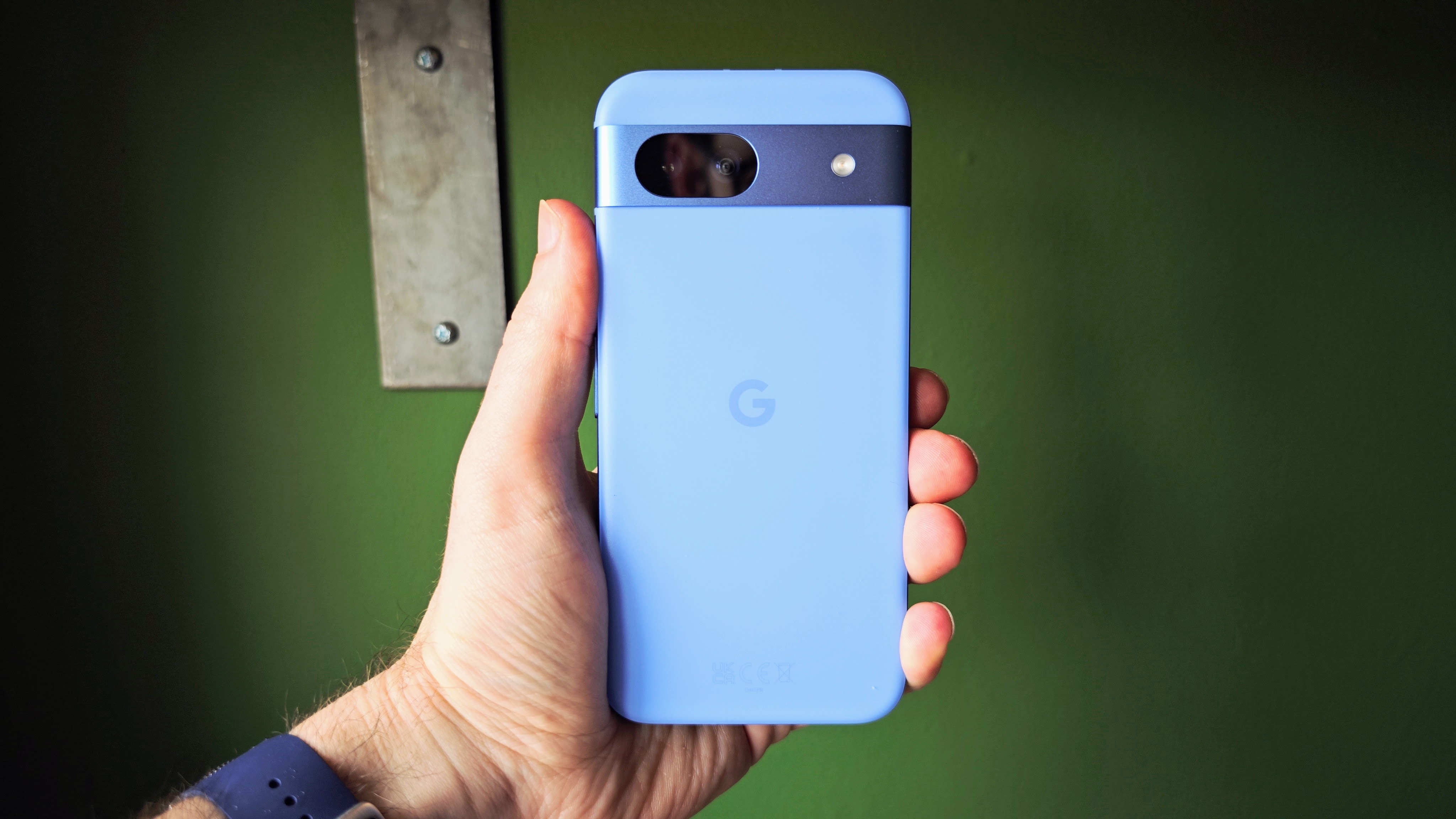
The latest Pixel A-Series phone isn’t the easy recommendation that its predecessors were. As you can see, there are mid-range phones that we’d suggest buying ahead of the Pixel 8a.
However, it’s definitely still worth considering, especially if you can find a discount on its £499/$499 starting price. The strong build quality from the Pixel 8 also makes an appearance here, alongside an excellent 6.1-inch 120Hz OLED that makes it one of the best compact phones around.
The Pixel 8a also has the best single camera lens you’ll find on any mid-ranger, with the 64Mp main rear sensor delivering consistently strong photos. The 13Mp ultrawide and selfie cameras aren’t half bad, either.
But it’s software where the phone really comes into its own. Android 15 is at its very best on the Pixel, with a slick user experience supported by timely updates and seven years of software support.
A combination of average battery life and slow charging will put many people off, especially at full price. But the Pixel 8a is undoubtedly worth considering if the camera or software are most important to you.
However, you might want to wait for the upcoming Pixel 9a.
Read our full
Google Pixel 8a review
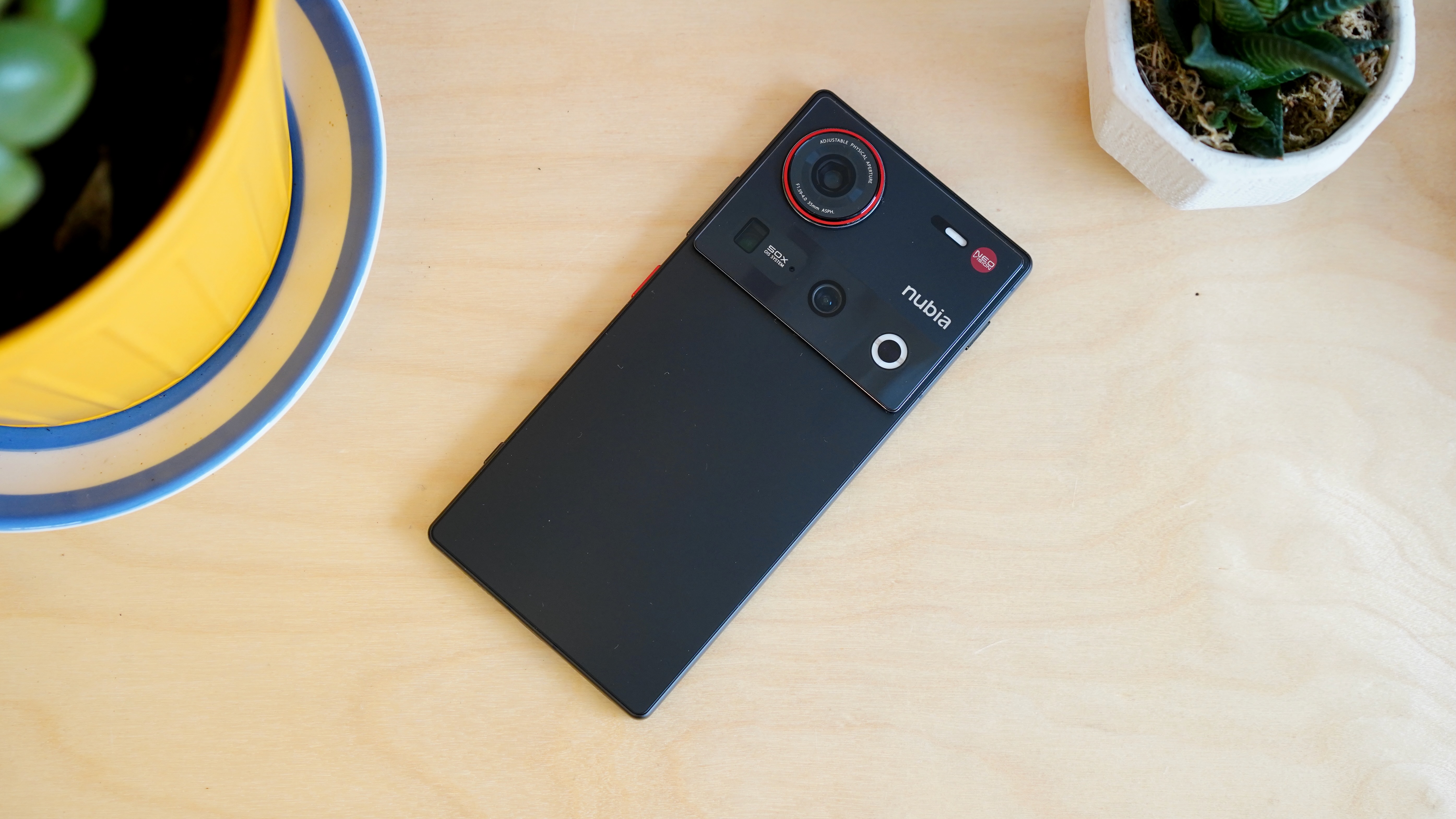
7. Nubia Z70 Ultra – A compelling choice
Pros
- Superb performance
- Impressive main camera
- Strong battery life
- Gorgeous display
Cons
- Not the best software
- Big, unwieldy design
- No wireless charging
Nubia might be known for its Redmagic gaming phones, but the company makes some great regular handsets, too. And the Z70 Ultra is the pick of the current bunch.
It excels in four key areas: a stunning 6.85-inch AMOLED screen, top-class Snapdragon 8 Elite performance, a flagship-level 50Mp main camera and excellent battery life from the 6150mAh cell. These are all features you’d associate with a much more expensive phone.
Unfortunately, as good as the hardware is, Nubia’s take on an Android isn’t particularly intuitive, and the company doesn’t mention how long it’ll be supported. Alongside the hefty design and lack of wireless charging, there are enough reasons for most people to look elsewhere.
But if you’re looking for a mid-range phone with almost no hardware compromises compared to flagships, the Nubia Z70 Ultra is the phone for you.
Read our full
Nubia Z70 Ultra review
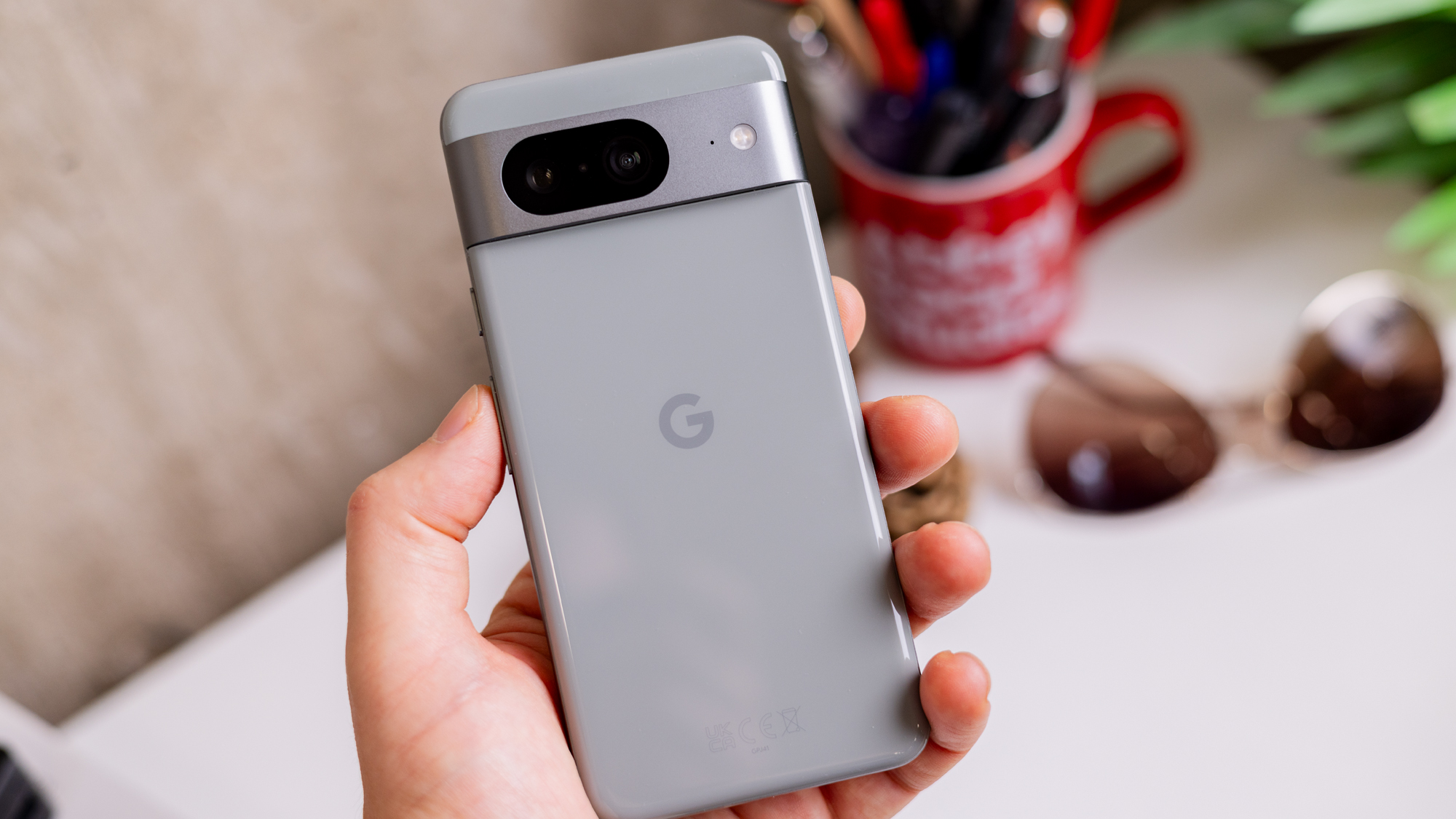
8. Google Pixel 8 – Best cameras
Pros
- Outstanding main camera
- Impressive performance
- Excellent Android 14 software
- Still six years of updates
Cons
- Underwhelming battery life
- Slow charging
- No telephoto camera
The Pixel 8 is another example of Google’s 2023 phone being better than its successor for mid-range buyers.
Here, it’s because the Pixel 9 starts at £799/$799, making it too expensive to be considered here. The good news is that this older model is likely to be regularly discounted, and it remains a strong choice in 2025.
The main camera lens remains the highlight, delivering stunning stills in a variety of environments – including at night. The ultrawide and selfie lenses aren’t bad either, though you miss out on the telephoto from the Pixel 8 Pro.
Performance from Google’s Tensor G3 chip is only slightly inferior to Qualcomm’s latest and greatest, and it enables a range of clever software features – including Best Take. The rest of the Android 14 software isn’t bad either, especially with Google promising six more years of updates.
Battery life is the main weakness, and it becomes even more frustrating when combined with slow 27W charging and no charger in the box.
But the combination of premium design and 6.2-inch, 120Hz OLED display means the Pixel 8 is definitely worth considering. But if your budget does stretch a little further, the Pixel 9 is definitely worth a look.
Read our full
Google Pixel 8 128 GB Obsidian review
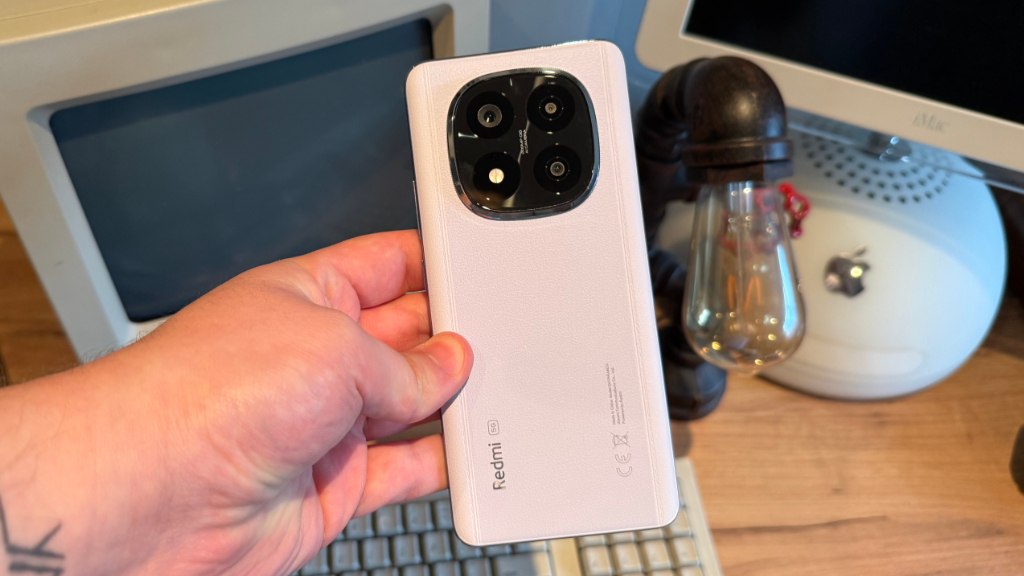
9. Xiaomi Redmi Note 14 Pro+ – Best display
Pros
- Stunning display
- Excellent charging speed
- Very capable main camera sensor
- Premium design and finish
Cons
- Some performance issues
- Underwhelming software
- Not available in the US
Price When Reviewed:
499 Euro


The Redmi Note 14 Pro+ isn’t quite as impressive as its predecessor, but you still get a lot for as little as £399, making it an attractive option.
Talking of attractive, that 6.67-inch AMOLED screen is a real sight to behold. It’s big, vibrant and fluid, combining a 120Hz refresh rate with up to 3000 nits of peak brightness.
Other highlights include a capable 5110mAh battery supported by rapid 120W fast charging, plus an impressive main rear camera that’s up there with the best at this price. Elsewhere, the premium design could easily pass for a flagship phone, especially on the vegan leather model.
Sadly, it’s not as impressive in all areas. The Snapdragon 7s Gen 3 chipset is fine for everyday tasks but struggles with anything more demanding, while Xiaomi’s HyperOS skin has plenty of bloatware and doesn’t feel the most intuitive.
The Redmi Note 14 Pro+ is still a strong phone, but other mid-range options offer a more well-rounded experience, and the £299 regular Redmi Note 14 Pro allows you to save some money.
Read our full
Redmi Note 14 Pro+ 5G review
10. Nubia Redmagic 10 Pro – Best for gaming

Pros
- Great performance
- Strong battery life
- Excellent fast charging
- Useful ‘Game Space’ gaming mode
Cons
- Software support is only 3 years
- Software rough around the edges
- Cameras are average
Price When Reviewed:
649 Euro
The Redmagic 10 Pro is a contender for the best gaming phone outright, making it remarkable that it’s priced as a mid-range phone.
Nubia is going head-to-head with the more expensive Asus ROG Phone 9 and 9 Pro here, and the Redmagic fares well. Performance from the Snapdragon 8 Elite chipset is its key strength, offering superb gaming performance in collaboration with the built-in fan and advanced cooling system.
Nubia’s ‘Game Space’ software mode offers useful gaming tweaks and customisation, while the large display and premium design make it a joy to use. And with a 7050mAh battery and 100W wired charging (80W in the box), the battery life/charging combo is one of the best around.
The 10 Pro’s main weaknesses appear when you try to use it as a regular phone, with a heavy build and hit-and-miss software. Nubia also only guarantees three years of software updates, which is behind the competition.
Nonetheless, the Redmagic 10 Pro provides a near-complete mobile gaming experience at an impressively low price.
Read our full
Nubia Redmagic 10 Pro review
Why you should trust Tech Advisor
Phone reviews and buying advice have been a staple of Tech Advisor’s coverage since the original iPhone was released in 2007 and Android made its first headlines in 2008.
We’ve guided you through 2G, 3G, 4G and 5G; we’ve reported on the rise and fall of Windows Phone, BlackBerry phones and LG phones. We’ve seen companies push the boundaries of what is possible on such a small device, continuing to make leaps forward in terms of both hardware and software.
But at the same time, we’ve seen those premium features steadily trickle down to more affordable handsets, meaning mid-range phones are now better than they’ve ever been.
We perform in-depth, real-world testing on every new mid-range phone that’s worth buying (dozens every single year), adopting it as our primary phone for the most authentic experience possible and making sure we are in a position to give you the best possible phone buying advice.
Mid-range phones buying advice
What is a mid-range phone?
There’s no technical definition, but as mentioned above, we define mid-range phones based on price: anything that costs more than £250/$250 but less than £700/$700 if you buy it SIM-free.
Anything cheaper than that is really a budget phone, and anything more expensive is a flagship.
Some mid-range phones will take the all-round good-value approach, with capable specs in each area; others will focus on a key trait, such as the camera or display, and promise flagship-rivalling capabilities in that one aspect; others still used to be those flagships, so will offer fantastic specs at a brilliant price, but may be running on slightly older hardware.
What specs do I need?
Every mid-range phone offers a compromise, trying to deliver the best of a flagship without costing quite so much. Still, there are some specs you don’t want to skimp on. Look for at least 6GB of RAM and a Snapdragon 7 or 8 chipset for smooth performance (or another brand equivalent), along with at least 128GB storage.
After that, it’s about deciding on your priorities. Are you looking for long battery life, fast charging, an OLED display, or a powerful camera? Few mid-range phones offer all of them, so pick which matters most to you.
One common element is that you’ll likely have to give up on nice-to-haves like wireless charging or a waterproof rating – these still tend to be reserved for the most expensive phones on the market, though a few mid-range devices do offer one or the other.
Try to remember that it’s not always about specs either. We’ve hit something of a ceiling when it comes to smartphone tech anyway, so although these phones may not be as fast as your average flagship, they are almost certainly fast enough for most users. Go for a phone that balances value, performance, features and design in a way that appeals to you and your needs.
Is there a mid-range iPhone?
There is one mid-range iPhone on the market – the iPhone 16e – which costs £599/$599.
We haven’t had a chance to review it yet, so look out for our verdict on the phone soon.
Why isn’t every mid-range phone on sale in the US?
If you’re in the US or Canada, you may find that not every phone in our round-up is available for you to buy. Unfortunately, that’s because many of the biggest Chinese phone manufacturers simply don’t sell their products in the US.
Chinese phones are a great choice in the mid-range market because they often balance very good specifications with a lower price than you’d expect. The likes of Xiaomi, Realme, and Poco often offer staggering value, but for anyone in the US they’ll be import-only.
Related articles
- Best UK and US SIM-only deals
- Best UK phone networks
- Best UK PAYG phone networks
- Best smartphones
- Best budget phones