


In 2026, I think you’d be hard-pressed to find someone who loves Windows.

It’s useful, sure, but it doesn’t inspire devotion in the same way that Android or iOS does.
However, the options for switching remain limited, especially if you use an Android phone and want seamless integration. In terms of operating systems, macOS is very Apple-focused, ChromeOS offers limited desktop-quality app support and Linux has a steep learning curve.
I’ve relied on Windows for the majority of my life, but I’ve never used it with any real enthusiasm. As someone who mainly uses a Pixel phone (currently the Pixel 10 Pro XL), I’d jump at the chance to switch to an alternative that suited me better.
And it looks like Google might have the answer, if a recent leak is to be believed.
If Android and ChromeOS had a baby
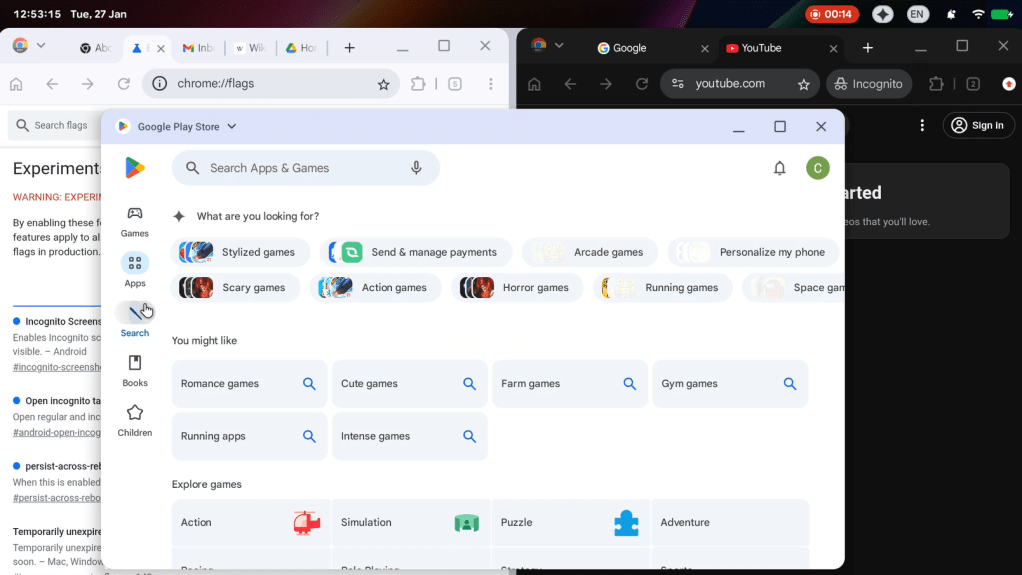
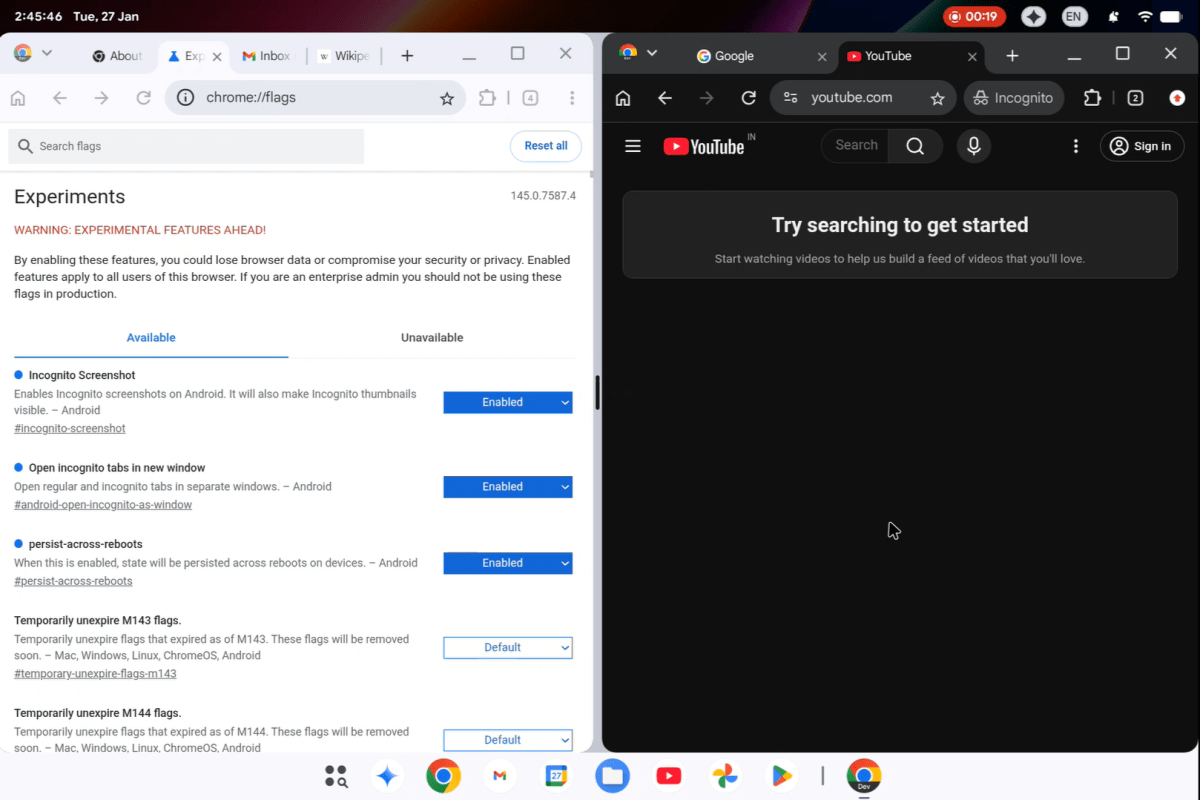
As 9to5Google first reported, a Google bug report inadvertently revealed the first screenshots of the potential Android-ChromeOS hybrid, which is supposedly known internally as ‘AluminiumOS’.
It showcases a Pixel-style user experience that’s firmly based on Android 16, yet introduces several features clearly inspired by ChromeOS, such as a dedicated taskbar and cursor-friendly multitasking tools.
Within a tablet-esque status, it comes as no surprise to see a dedicated Gemini button, which should make accessing Google’s AI assistant just as easy as it is on phones.
9to5Google
Significantly, it looks as though the Chrome web browser will support extensions, something that’s sorely missed in the current mobile app.
While this leak doesn’t appear to have been intentional, Google has made no secret of its plans for an Android-ChromeOS hybrid. At Qualcomm’s Snapdragon Summit in September, the company revealed that it would launch sometime in 2026, although we still don’t have a more specific release date.
A disruptor in waiting?
If any company is going to break the Windows-macOS duopoly, Google is undoubtedly best placed. It has extensive experience in developing operating systems, including one designed for desktops, even if ChromeOS lacks the features to make it a realistic competitor.
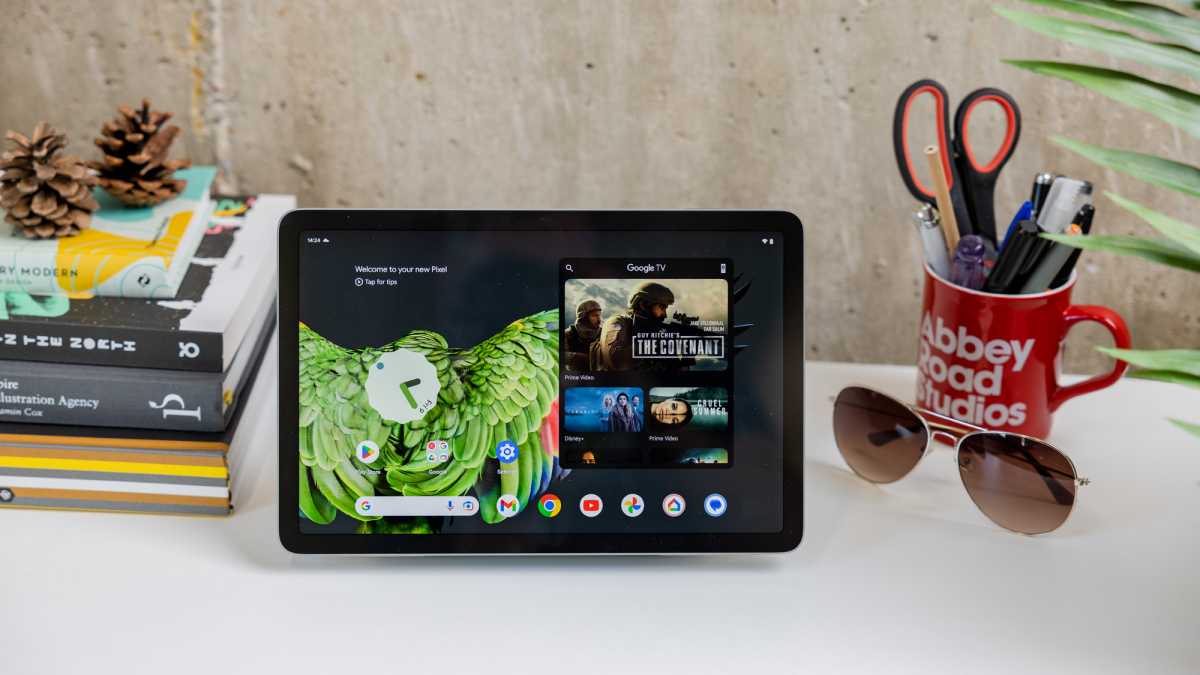
While the Google Play Store offers third-party app access, very few apps are designed for desktop. Instead, they take the form of a larger version of the mobile app, which rarely feels intuitive with a mouse and keyboard.
Dominik Tomaszewski / Foundry
The success of this project will hinge on how many third-party app developers make dedicated apps, which will have a huge effect on the user experience. If I have to use mobile apps all day, you better believe that I’ll be back on Windows before too long.
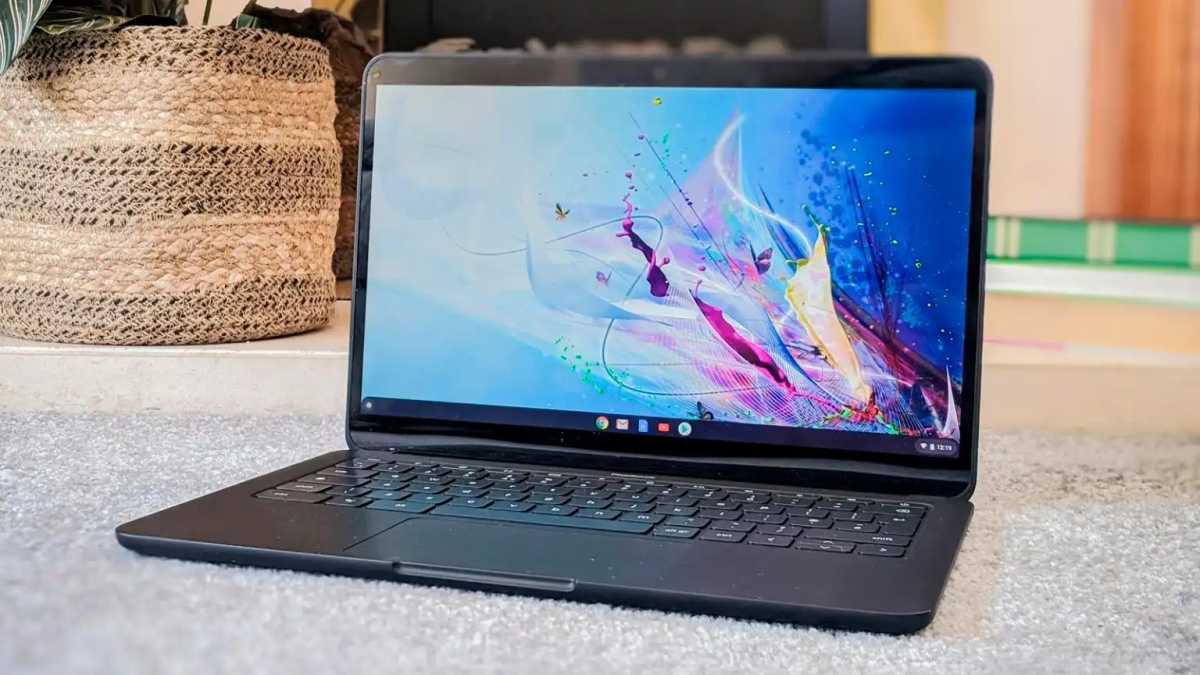
Just like Android, Google will also need plenty of companies to make hardware running on the new operating system. Google’s forays into the world of Android tablets and Chromebooks haven’t been entirely successful, so it makes sense to outsource this to laptop makers – especially those that currently produce Chromebooks. The hardware would need to be competitively priced in order to get people using it and thus entice app developers to buy in.
Hannah Cowton-Barnes / Foundry
An Android-ChromeOS hybrid has lots of potential, but that’s all it is for now. There are plenty of hurdles for Google to negotiate in order for it to be a realistic alternative to Windows and macOS, but I can’t wait to see what it comes up with. The possibilities for deep integration with Android phones, especially Pixels, make me very excited.
An Android phone with an AluminiumOS (or whatever Google ends up calling it) laptop? It would just make sense.