




Android 17: In summary
- It’s the next major update for Android phones
- Beta testing is now underway
- Final release expected in June or July 2026
- Charging could become faster, plus expanded multitasking

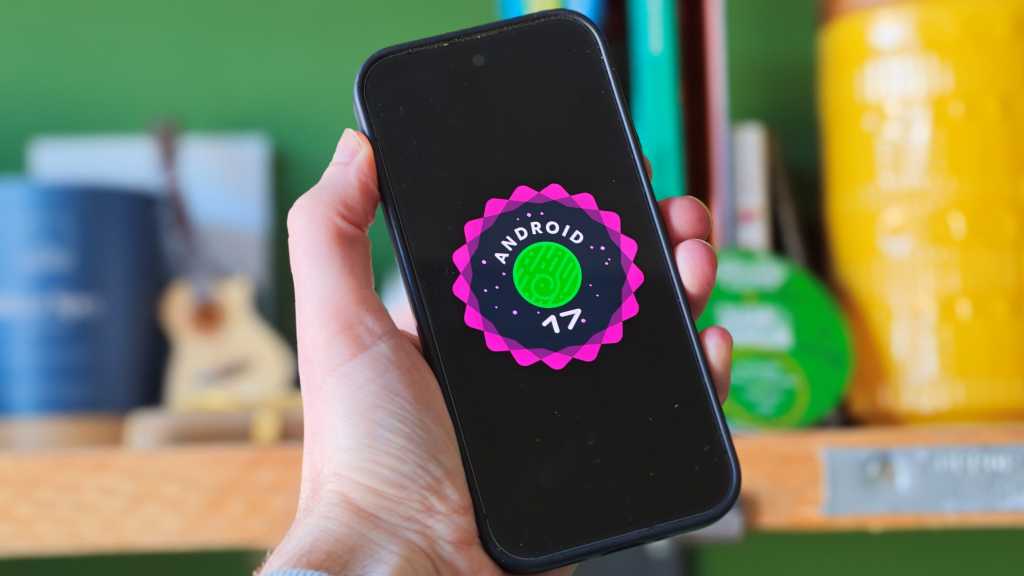
Now that the dust is starting to settle on Android 16, especially for those big-brand flagship phones with early access to the software, it’s time to start looking forward to all we can anticipate from Google’s next major OS release. To find out what we know about Android 17 and its upcoming features, you’re in the right place.
Although there’s always going to be a debate between iPhone and Android users over which ecosystem boasts the superior operating system, the idea that iOS is leagues ahead of Android no longer tracks in 2026. We’ve seen Apple adopt plenty of features that Android users have enjoyed for years, including the very helpful call screening which lets AI field scam calls for you.
Android 16 introduced even more impressive features, including the much-discussed Desktop Mode. Taking inspiration from Samsung’s DeX software, Desktop Mode lets you hook up your Android phone to a monitor and use it much like a Chromebook, with resizable windows and apps for a bit of productivity when you don’t have a laptop to hand.
It’s been great to see how Android 16 can breathe new life into older phones, and now we’re just as eager to see how Android 17 might raise the bar again. Here are all the leaks, rumours and beta details surrounding Android 17, as well as key information about whether your phone is eligible and when you can expect to download it.
Foundry
When will Android 17 be released?
In summary
- Likely to launch in June or July
- Expect a staggered rollout for most phones
At the time of writing (April), Google has yet to announce a release date for the final build of Android 17, but if the company wants to stick to a roughly annual update cycle, then June or July would be a safe bet.
However, Android 17 has been available in its beta form for a few months now, having released in early February.
It’s also worth mentioning that even when Google does announce a release date for the final build of Android 17, it doesn’t necessarily mean that your phone will get that upgrade on the same day. Brands need to optimise the OS to fit their overlays, such as Samsung’s One UI or OnePlus’ OxygenOS.
For context, here are the release dates for previous Android builds:
- Android 16 – June 2025
- Android 15 – September 2024
- Android 14 – October 2023
- Android 13 – August 2022
- Android 12 – October 2021
Source: Android Developers Blog
Which phones are getting Android 17?
In summary
- Pixel 11 range likely to be first to launch with Android 17 preinstalled
- Older flagships such as the Honor Magic 5 Pro and Oppo Find X6 Pro aren’t eligible
As with any new Android release, while the latest and greatest phones are shoo-ins to receive the new software, a lot of older phones aren’t so lucky. You can read our extensive breakdown here, but for a quick look as to which phones from the big brands are covered, here’s what you need to know.
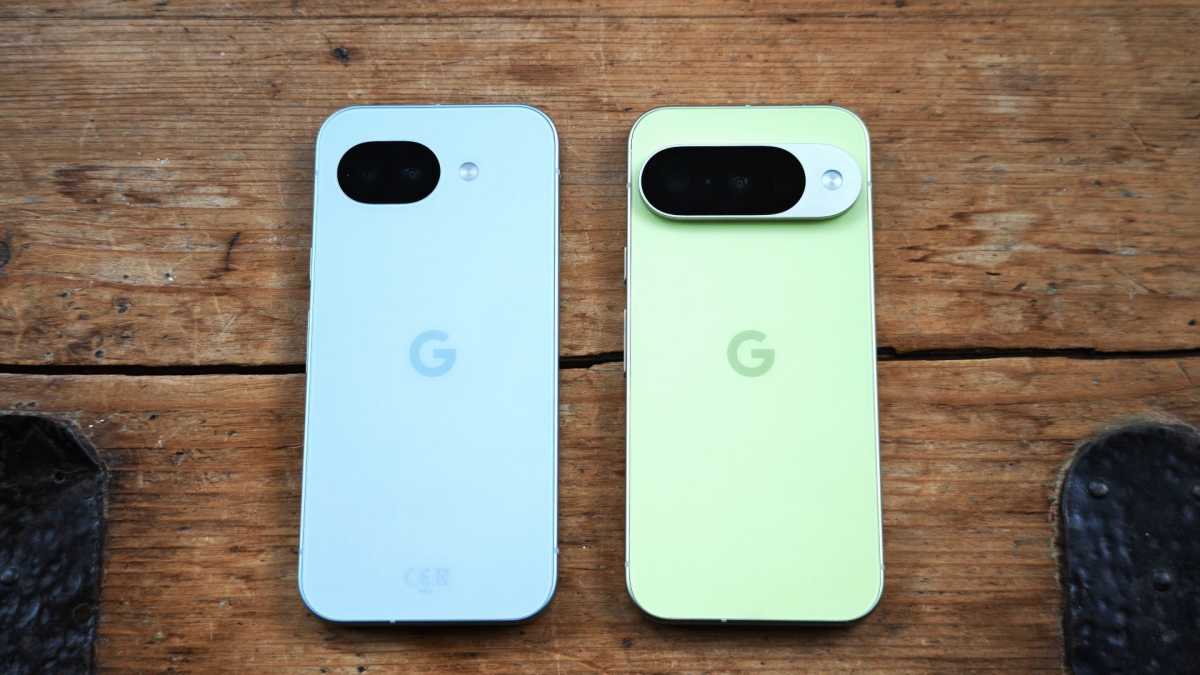
Starting with Google’s own-brand of Pixel phones, not only do we expect the upcoming Pixel 11 devices to be the first of their kind to launch with Android 17 right out of the box, but every mainline Pixel phone dating back to the Pixel 6 line-up will get the update at some point. Unfortunately this means that anyone using a Pixel 5 and below will need to pick up a newer phone to stay in the software loop.
Chris Martin / Foundy
For Samsung Galaxy users, anyone who still has a handset from the S22 line-up or older should upgrade or risk having your phone wide open to software bugs and security exploits. Thankfully, you won’t have to spend too much as a lot of Samsung’s budget phones, including previous-gen picks such as the Galaxy A16 and the Galaxy A36, are eligible.
Just as with Samsung, there’s a good amount of variety when it comes to the Xiaomi phones still being supported. For instance, if you’re still rocking 2023’s Xiaomi 13T, you won’t have to upgrade your phone for at least another year, and the same goes for users of the Poco F6 range.
Things are a bit more dicey with Honor as it seems as though the company’s 2023 flagship, the Honor Magic 5 Pro, will not be included as part of the Android 17 cycle, which is a tough pill to swallow given that the phone cost around £950 at the time of launch, and it’s now being outlived by mid-range phones that are only half that price.
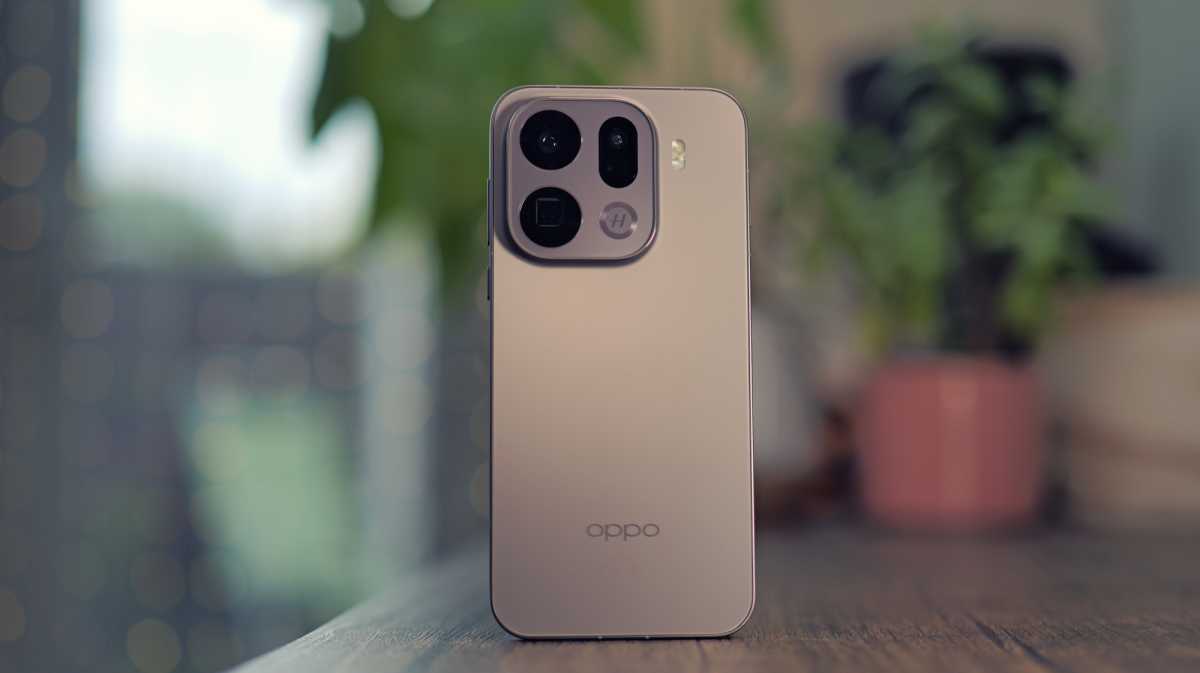
It’s a similar situation for anyone who adopted the high-end Oppo Find X6 Pro when it first came out, as that flagship from just a few years back will not be included in the current update cycle. Anyone sporting a Find X7 and above will be fine though.
Luke Baker
Finally, OnePlus users have a bit more leeway as it’s only the OnePlus 10 Pro (2022) and below that won’t be included, so anyone using a OnePlus 11 and above can expect to see the Android 17 update in the near future.
Which new features will we see in Android 17?
In summary
- Priority Charging could lessen background activity to charge faster
- More apps can be turned into bubbles for better multitasking
- Expanded data protection via Contact Picker
Priority Charging
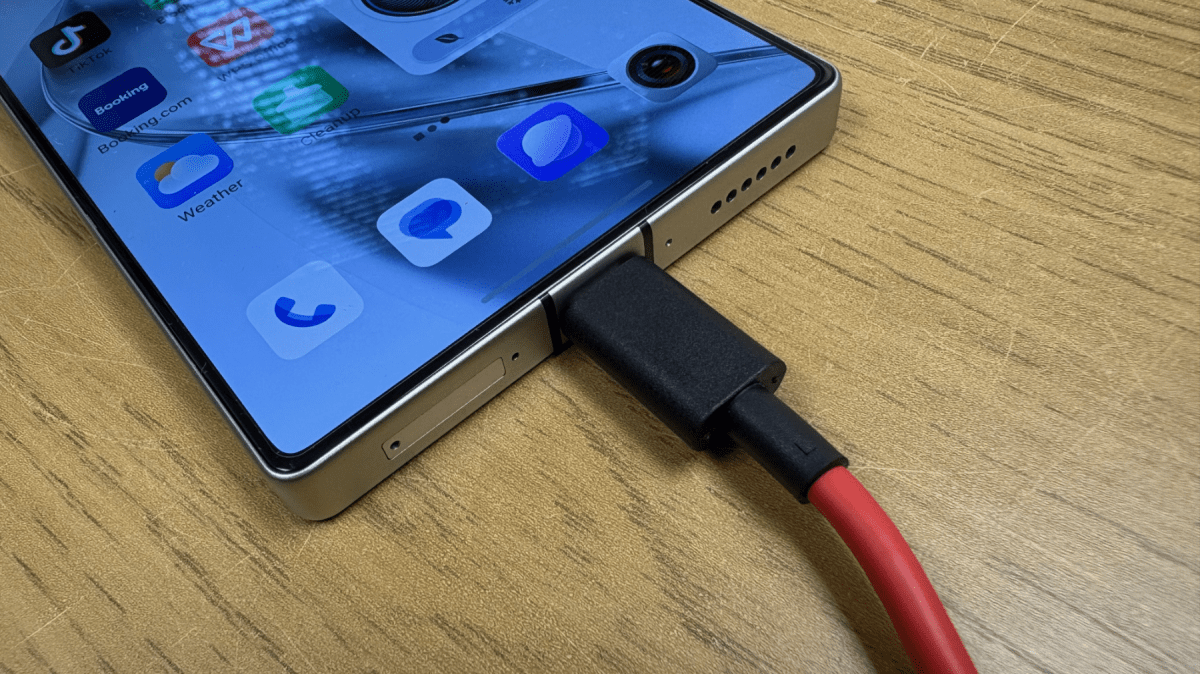
Easily the most eye-catching feature for those who are sick of having to wait around for their phone to charge (we see you Samsung and Google fans), Priority Charging looks set to speed things up immensely.
According to the third Android 17 beta, Priority Charging works by pausing any background operations that might otherwise keep the CPU busy, instead focusing all of that energy into absorbing available power as quickly as possible.
Martyn Casserly
The feature supposedly requires a phone that can charge at speeds of 30W or more to work, but it’s an interesting concept and we’re eager to see how much of a difference it can make when you’re trying to rush out the door and there’s very little time for a top-up.
Source: Android Authority
Bubbles
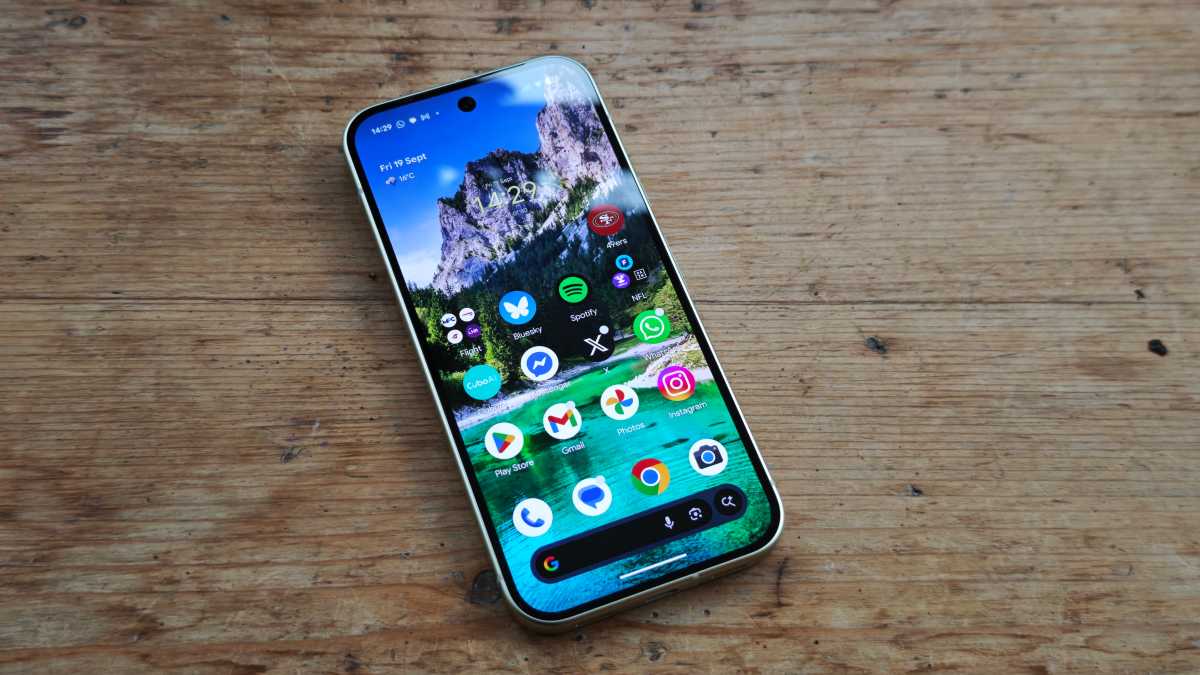
Android users will already be familiar with the bubbles that can appear off to the side when certain apps, such as Facebook Messenger, are minimised. It’s a great feature, and one that doesn’t really have a true equivalent on iOS, and it now seems as though Google is looking to expand its capabilities.
Under this revamped system, apps such as Google Calendar can be minimised as a bubble so that you can quickly take a look at your schedule without ever needing to close the main app that’s open.
Chris Martin / Foundry
Source: Android Authority
Contact Picker
Don’t you just hate it when a new app asks for total access to your address book and all of the sensitive contact information that goes with it? Well, Google has listened to the outcry and it’s implementing a Contact Picker system into Android 17.
What the feature can do is give you a more customisable touch that lets you specify which parts of your address book can be accessed by an app. As a means to prevent users from automatically handing over tons of data to big brands, this is a big win, and it feels reminiscent of Apple’s ‘Ask App Not to Track’ feature, which stops companies from keeping tabs on you and then using that information to deliver targeted advertisements.
Wi-Fi/Mobile Data separation
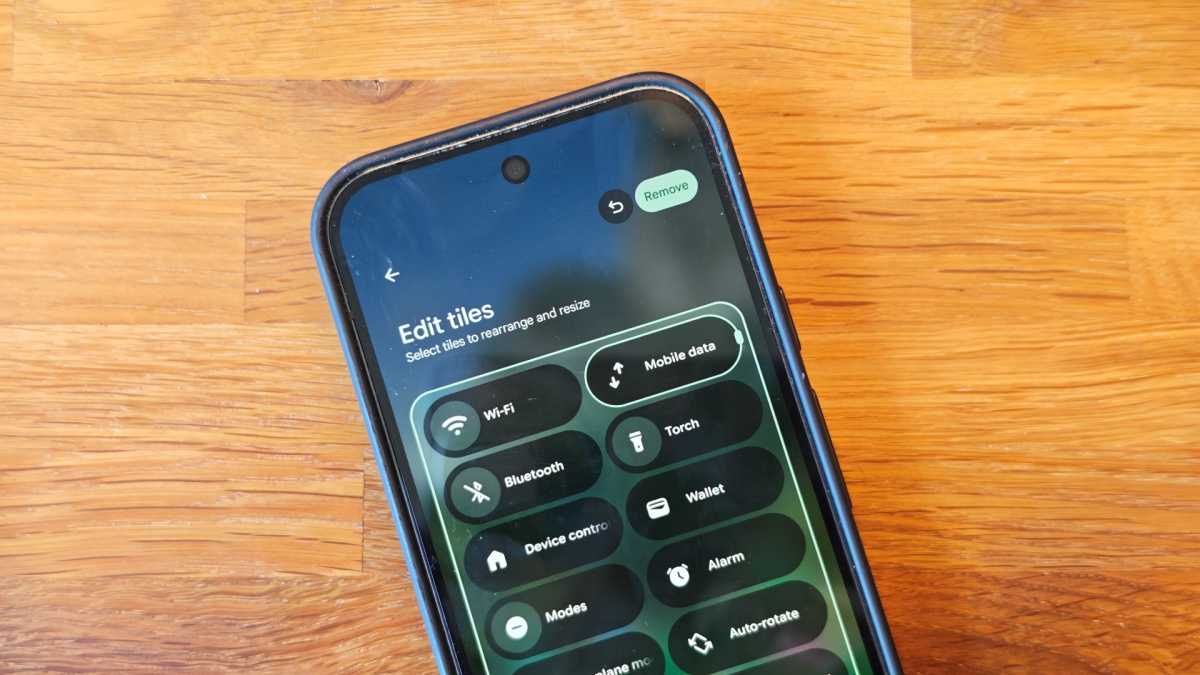
This is a minor tweak but one that’s sure to be appreciated by a handful of users (including our very own Managing Editor). For a few years now, control of the Wi-Fi connection and mobile data of your Pixel handset has been relegated to a single button on the dashboard, but Google is looking to divide the two components in Android 17.
Chris Martin / Foundry
Now, there are two separate buttons, one for Wi-Fi and one for mobile data, which makes it a lot easier to control how your phone connects to the internet, depending on where you are. It also makes a big difference to battery life as you can quickly stop your phone from searching for a Wi-Fi connection when it’s not needed.
That’s all we know so far about Android 17, but keep checking back as we’ll update the page with more information as it appears.