
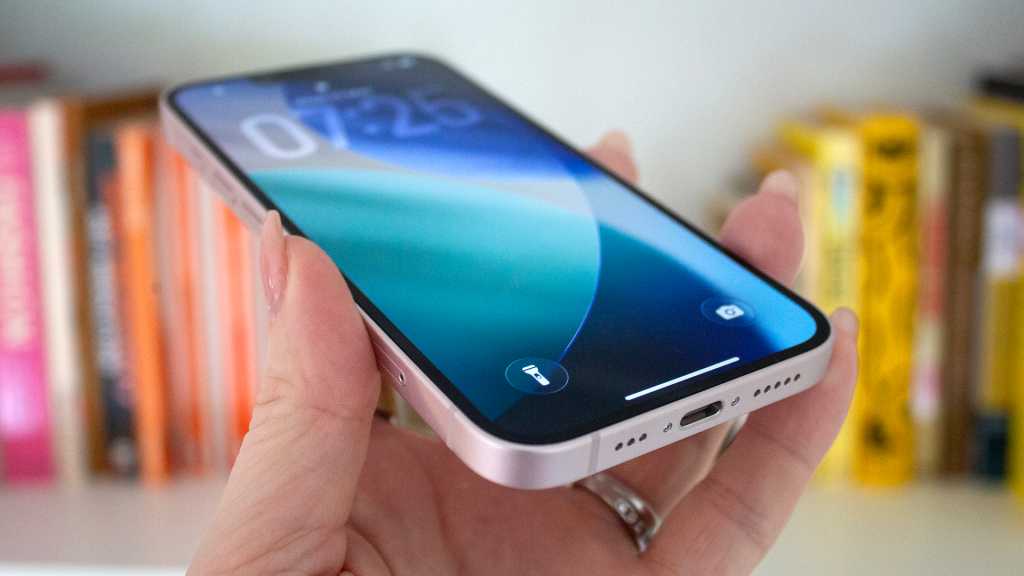
Android phones are pushing some handy AI features right now, especially those from Google Gemini. Tools such as Circle to Search, along with AI-powered photography and system-level assistance, are objectively impressive – and far ahead of anything Apple offers.
The problem is, I don’t want any of it. These features require constant background processing, take up storage, and quietly drain battery life. Not to mention the privacy risk, with Google using data to train future models. Even the data in your photos is used for AI training.
On the other hand, Apple Intelligence is simply bad – at this stage, at least. Siri still struggles, and most of the AI features currently on offer don’t meaningfully improve the user experience.
Yes, Apple has announced a raft of new AI features to be released with iOS 27, centred on a revamped Siri AI. But only three currently available models – the iPhone Air, the iPhone 17 Pro, and the iPhone 17 Pro Max – have enough onboard processing power to access the fully-featured Siri.
Less powerful models will only be able to access a cut-down version. So, for most iPhone users, life will continue on as before, with a less than stellar AI experience. And that’s fine.
While it may feel as though Apple isn’t as invested as rivals in AI features, I suspect that the limiting factor is the company’s focus on privacy on its phones.
For the longest time Apple had the tagline “Privacy. That’s iPhone”, and now, to run an AI model that’s actually good, most companies will have to resort to the cloud. Apple wants to avoid that, which I respect. The Cupertino company also lets you switch off AI features and go back to using your phone the old-fashioned way.
There’s too much AI in Android
Since late 2023, Android phones have seen an onslaught of AI features. It began with Google’s Pixel lineup, followed by Samsung with the Galaxy S24 series, which heavily pushed features such as Circle to Search.

Luke Baker
As expected, the rest of the industry followed. OnePlus, Xiaomi, and even smaller players like Honor introduced their own AI-driven capabilities. At this point, AI has become such a key part of smartphone marketing that any device whose AI features aren’t endlessly extolled risks feeling outdated.
That pressure also reached Apple. The company introduced its own set of AI features under the banner of Apple Intelligence. When the entire tech industry is selling AI as the next big shift, sitting it out is not really an option, especially for a company that has to keep investors convinced it’s not falling behind.
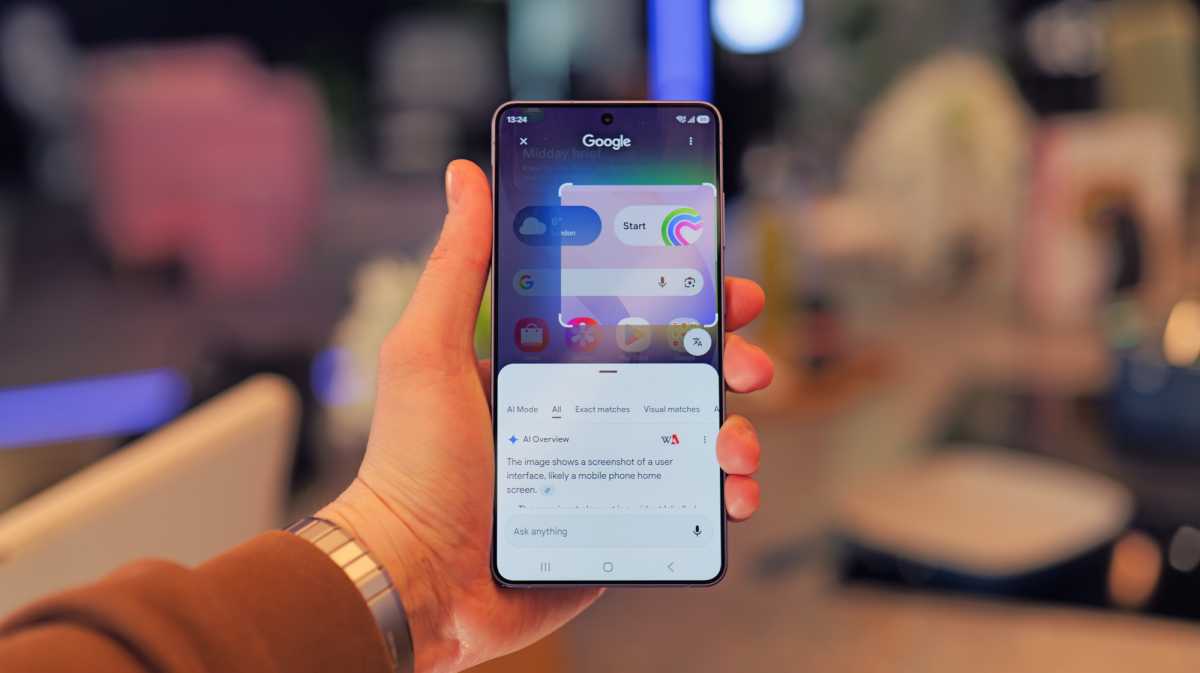
Fair enough – some Android AI features are genuinely useful. Circle to Search, for instance, is excellent at identifying on-screen content and now integrates AI-generated overviews. You can quickly extract phone numbers, text, and other contextual information, which makes it practical in day-to-day use.
AI has become an easy marketing lever, but hardware progress… has been conservative
That said, these features come with trade-offs. AI has become an easy marketing lever, but hardware progress in some flagship phones has been conservative by comparison. Devices from Samsung and Google could benefit from larger batteries and faster charging, especially when brands such as Xiaomi and OnePlus are already pushing 90W and beyond.
Then there’s the cost in resources. Running AI locally demands significant RAM and storage. On many devices, the AI core alone can take up 11-12GB of storage. It also adds ongoing pressure on battery life and memory usage.

Chris Martin / Foundry
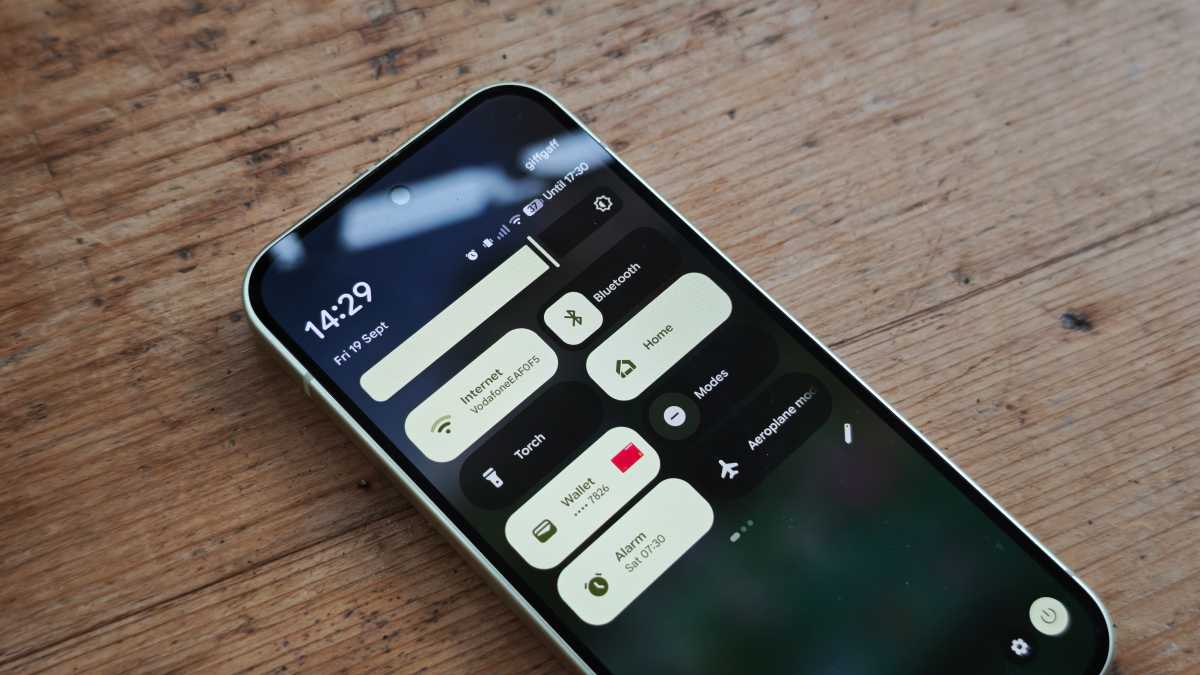
A good example is the Pixel 10. It ships with 12GB of RAM, but only around 8GB is available for apps and games. According to findings from Android Authority, Google reserves roughly 3.5GB exclusively for its Gemini-powered AI framework. This allocation is effectively permanent, as the system keeps the Nano model and AICore service resident in memory at all times.
Most iPhones can’t keep up with the AI madness – that’s a good thing
Apple’s entire approach to AI is shaped by privacy, and AI and privacy don’t go very well together. Most of the processing will thus need to happen on-device, which means the phone is doing the work instead of a data centre.
This means that Apple will always have to work overtime to make up for the lack of power and context that rivals such as Google Gemini can offer, which can pull from massive cloud infrastructure.
A phone should first be good at being a phone
The cost to me – either a loss of privacy, or a slower phone – isn’t worth it. That’s exactly why I prefer the current iPhone and why I started to appreciate Apple being bad at AI.
Apple’s weakness here accidentally preserves something the rest of the industry is moving away from: the idea that a phone should first be good at being a phone. While the industry is trying to shove AI down your throat, Apple’s approach is that AI is still optional.
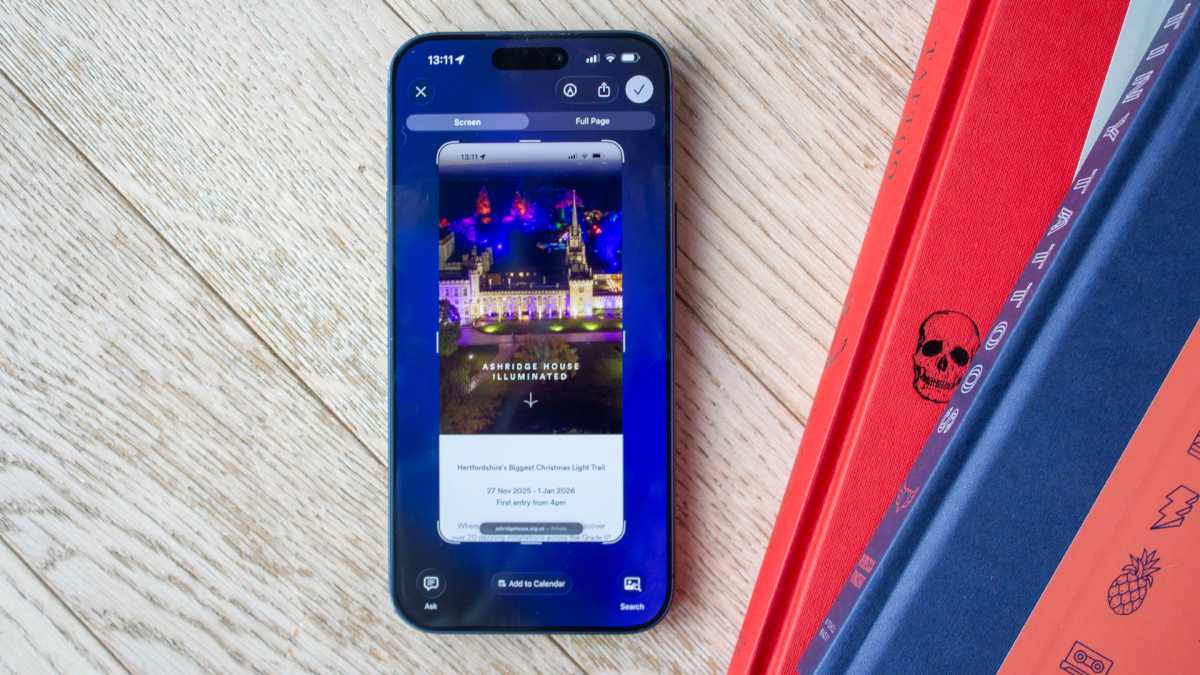
Apple has given you the ability to turn off Apple intelligence throughout the iPhone. That’s in stark contrast to Android phones. No matter which brand I use, it’s increasingly difficult to switch off these AI features. Some can’t be completed turned off at all. But in the case of an iPhone, you can go into settings, head to “Apple Intelligence & Siri,” and just turn it off. Entirely.
Britta O’Boyle
Will that still be the case with iPhone 18 models that’ll be optimised for Siri AI? We don’t know. But, for the majority of iPhone models, you’re in control of AI on your phone.
You can go even further and disable individual features. Writing tools, image generation, notification summaries, even third-party integrations like ChatGPT can all be restricted or removed. And the best part is when I disable all of this on my iPhone, the battery performance improves noticeably.
First of all, we need better hardware
Most people still care more about battery life, charging speed, thermals, cameras, storage, software updates and long-term reliability than whether their phone can generate emojis from text prompts, or rewrite emails in five different tones. Yet hardware innovation has slowed while AI marketing has exploded.
Companies such as Google and Samsung are dedicating huge amounts of memory and processing power to AI systems that many people will barely use after the first week. That’s why I like iPhone the way it is.
What does Apple have in store with its upcoming iPhone 18 lineup? We’ve gathered up all the rumours.