
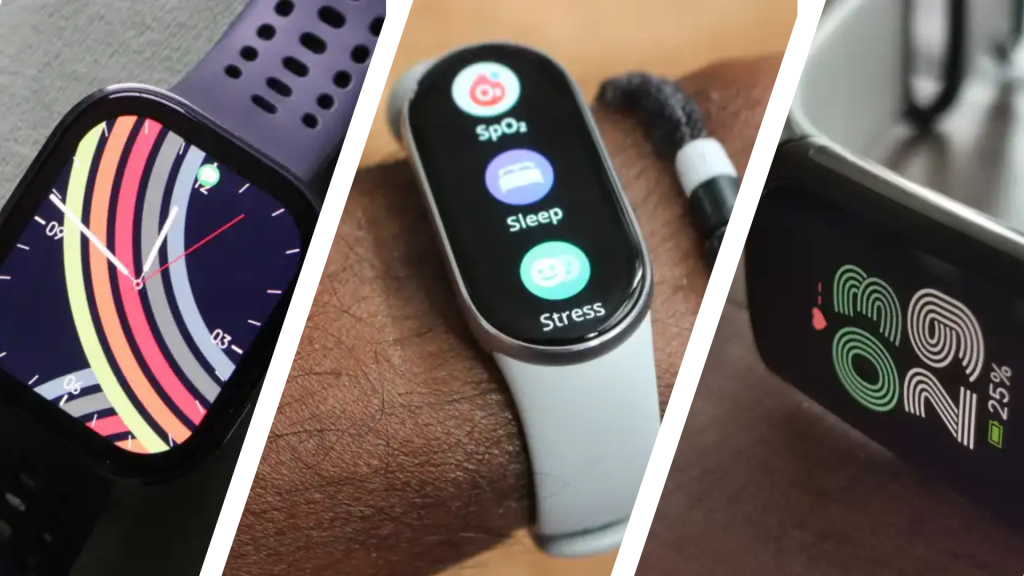
Over the past decade, wearable tech has exploded in popularity. They offer an easy way to monitor your health and track workouts, most commonly from your wrist, but there are two distinct categories of devices here. A smartwatch is as much an extension of your smartphone as it is a fitness accessory, allowing you to access a range of general-purpose apps, often including third-party options.
Do you really need all that extra functionality, which is often relatively expensive? Or would you be just as happy with something simpler? If your answer to the latter is ‘yes’, a fitness tracker is the right choice for you. As well as price, they’re often smaller and offer better battery life than smartwatches. And some still have smartwatch-style features.
The fitness tracker is synonymous with Fitbit, but the Google-owned brand locks some key features behind a Fitbit Premium subscription, so it’s definitely worth considering alternatives, with devices from Xiaomi, Withings and Garmin also included in this list.
Our experts have rigorously tested all the devices you find here and we’ve presented the best 10 options. Following this, you’ll find detailed fitness tracker buying advice to help you decide what’s best for you. You might also consider a budget smartwatch or smart ring.
Best fitness trackers 2025
1. Xiaomi Smart Band 10 – Best Overall

Pros
- Stylish design
- Large, clear display
- Smooth software
- 5ATM waterproofing
Cons
- Mi Fit app feels a bit clunky in places
- Heart rate tracking not impeccable
- Ceramic edition pushes price up
Price When Reviewed:
Unavailable in the US
Best Prices Today:


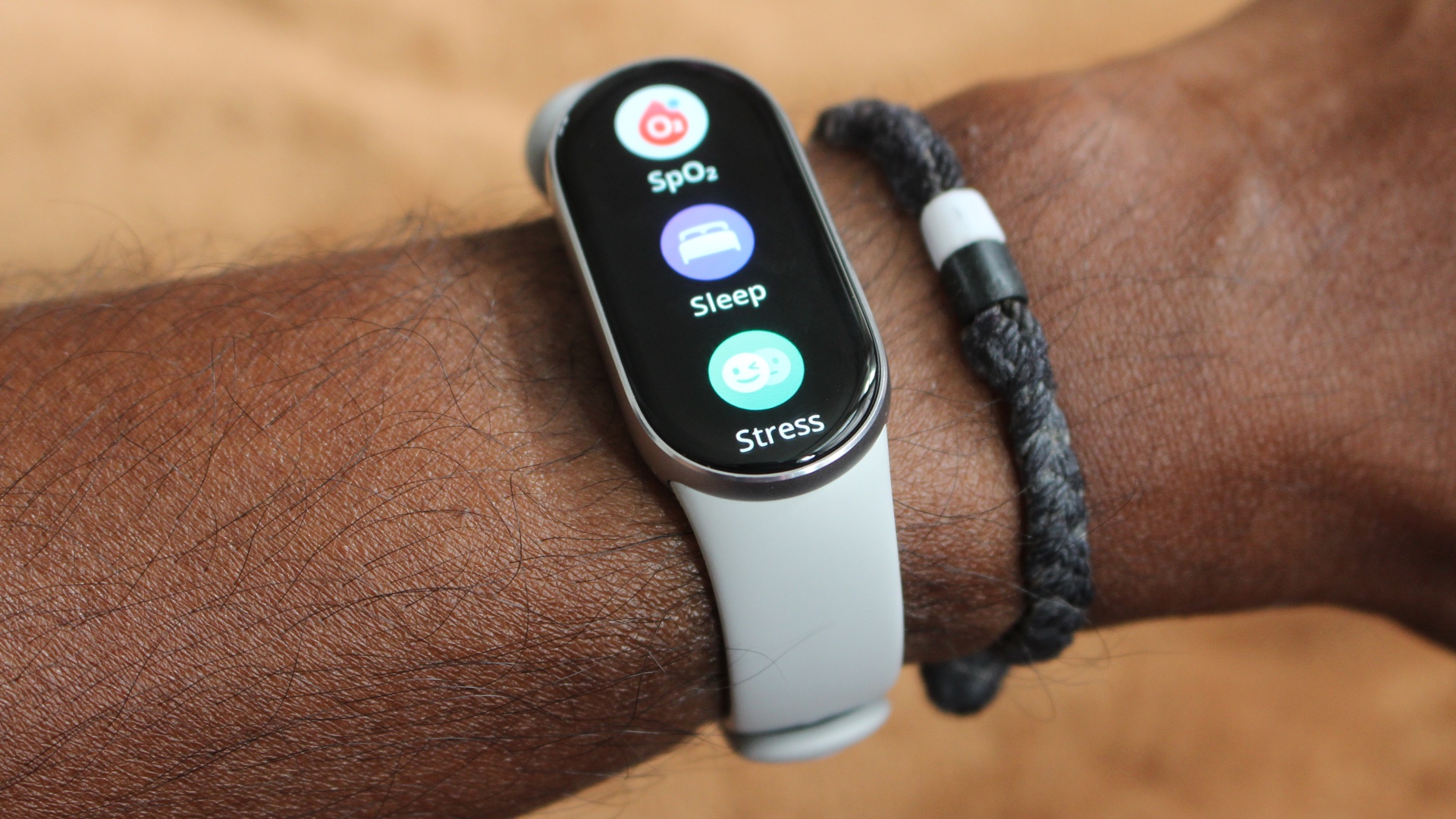
If you don’t have a lot of money to spend on a fitness tracker, but you’re also not a fan of having a bit of plastic strapped to your wrist, then Xiaomi’s Smart Band 10 is the budget option that feels far more premium than its price tag would suggest.
Xiaomi ditched the plastic case a long time ago, now giving you the choice of aluminium or a new ceramic look. You can match that up with a TPU or flurorubber band or easily swap those out for a more metallic look or a knitted option. Don’t want to wear it on your wrist? There’s even a pendant accessory if you’d rather track from around your neck.
That high quality case now surrounds a larger 1.72-inch AMOLED display where the bezels have slimmed down around it, giving you more room for a great array of watch faces and readable notifications.
The big fitness and health tracking changes lie with a new nine-axis sensor that notably improves the Band 10’s swim tracking abilities. Along with a surprisingly impressive heart rate tracking performance, you can now also broadcast HR to other devices, including cycling computers. There’s richer sleep tracking to delve into as well, helping you to make better decisions about your recovery time.
While battery life remains the same 21 days (or nine days in always-on display mode) as the Band 9, it’s still a fitness tracker that will let you make the most of its strong monitoring abilities for well over a week.
Who should buy the Xiaomi Smart Band 10?
Anyone who wants a competent fitness tracker with all the key features at a reasonable price.
Xiaomi Smart Band 10: Further Consideration
Some fitness trackers provide more accurate heart rate readings.
Read our full
Xiaomi Smart Band 10 review
2. Amazfit Bip 6 – Best Screen
Pros
- Excellent screen
- Plenty of features
- Long battery life
- Very cheap
Cons
- App is a bit busy
- An odd storage bug
- AI assistant a bit disjointed
Price When Reviewed:
$79.99


Ever since its first iteration, the Amazfit Bip has punched above its weight in terms of features and performance. For the Bip 6, manufacturer Zepp has certainly gone big with the upgrades.
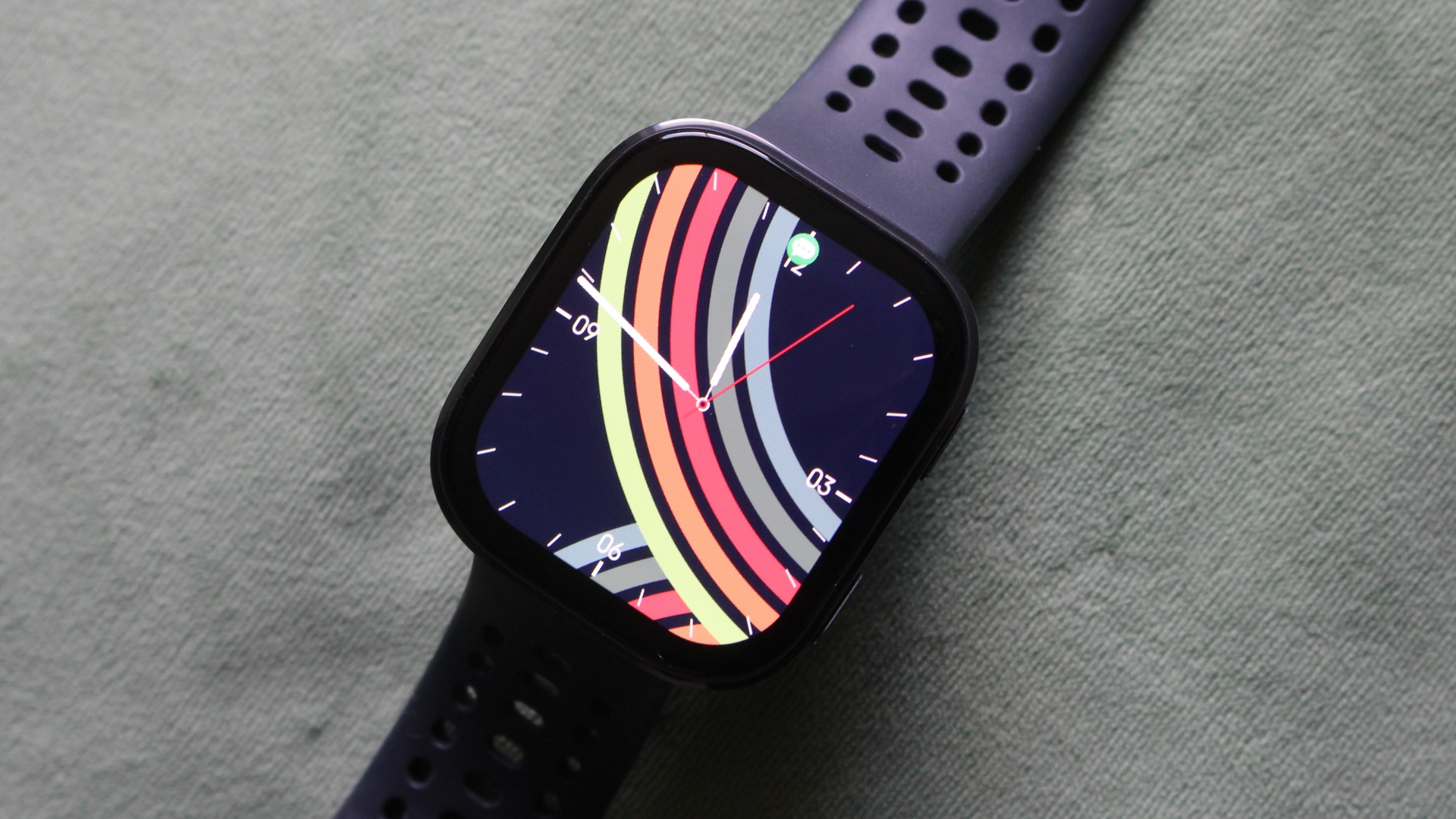
For starters, it’s swapped TFT for a big and bright 1.97-inch AMOLED display and it instantly makes this budget smartwatch feel more premium.
Features-wise, you’re getting the ability to make calls over Bluetooth, load on transport cards to make it easier to travel and have access to the Zepp Flow AI Assistant that’s worked well in some, but not all scenarios.
In the fitness department, it has built-in GPS to track outdoor runs and is even capable of recording Hyrox workouts. It can track heart rate and blood oxygen levels, and even serve up useful scores to tell you if you’re ready to tackle a more intense workout. There’s also room for free offline maps for adventurers, which is a rare feature to find on a wearable this cheap.
Topped off with a battery life of up to 14-days (or around 6 days in heavier use), and there are few better fitness trackers at this price that can compete with what the Amazfit Bip packs and delivers.
Who should buy the Amazfit Bip 6?
Those who value having a great screen above all other features.
Amazfit Bip 6: Further Consideration
Fitbits are a better option for a more intuitive fitness tracking experience.
Read our full
Amazfit Bip 6 review
3. Fitbit Charge 6 – Best Fitbit

Pros
- Google Maps and Google Pay access
- Great fitness features
- Impressive colour display
- Easy navigation
Cons
- Some Fitbit Premium exclusives
- No altimeter
- Hit-and-miss GPS
Price When Reviewed:
$159.95











The Charge 6 takes what made the Charge 5 so good and makes it even better.
Fitbit’s main addition this time around is access to Google Maps, Google Pay and YouTube Music (although no other music streaming services available), making it closer to a smartwatch than ever before.
Even with these changes, its primary focus is still fitness tracking with support for more than 40 workouts (some automatically) and your sleep. Data collected is extensive too, with the likes of steps, distance, calories burned, hourly activity and heart rate all monitored.
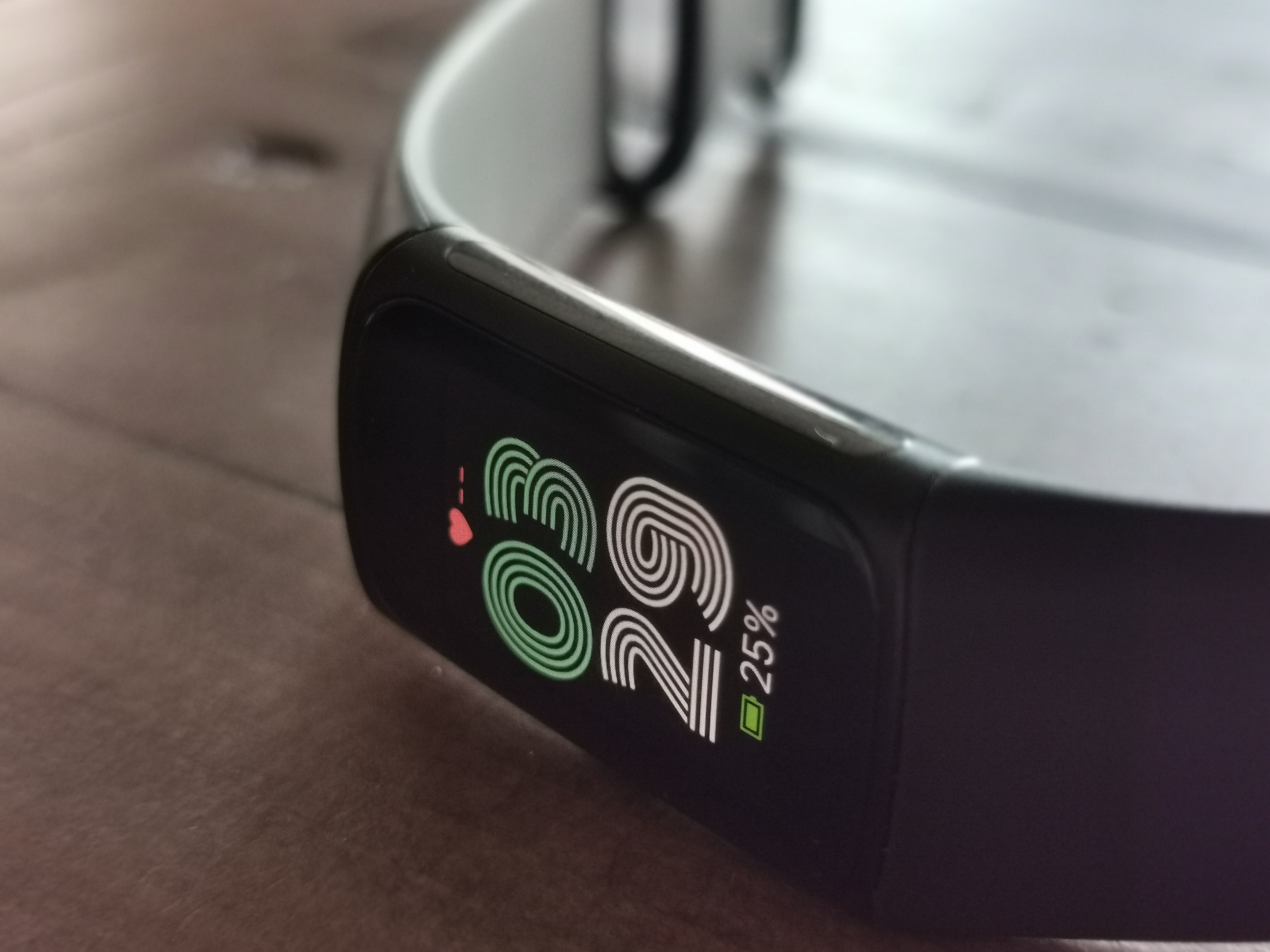
The colour display is very impressive, and the device is easy to navigate using a combination or touch and the new side button. It’s also great to see built-in GPS, though it is unreliable at times.
There’s still no altimeter, so you can’t measure floors climbed, while many advanced features are reserved for Fitbit Premium subscribers. However, even if you don’t pay, the Charge 6 still delivers a very good all-round fitness tracking experience.
Who should buy the Fitbit Charge 6?
Anyone who appreciates an intuitive fitness tracking software that’s easy to follow.
Fitbit Charge 6: Further Consideration
Things can get expensive when you factor in the cost of Fitbit Premium for all available features.
Read our full
Fitbit Charge 6 review
4. Xiaomi Smart Band 9 – Best Value

Pros
- Premium design & build
- Plenty of fitness features
- Bright AMOLED display
Cons
- Promised improved heart rate improvements
- No GPS
Price When Reviewed:
$57.99 (unofficial)
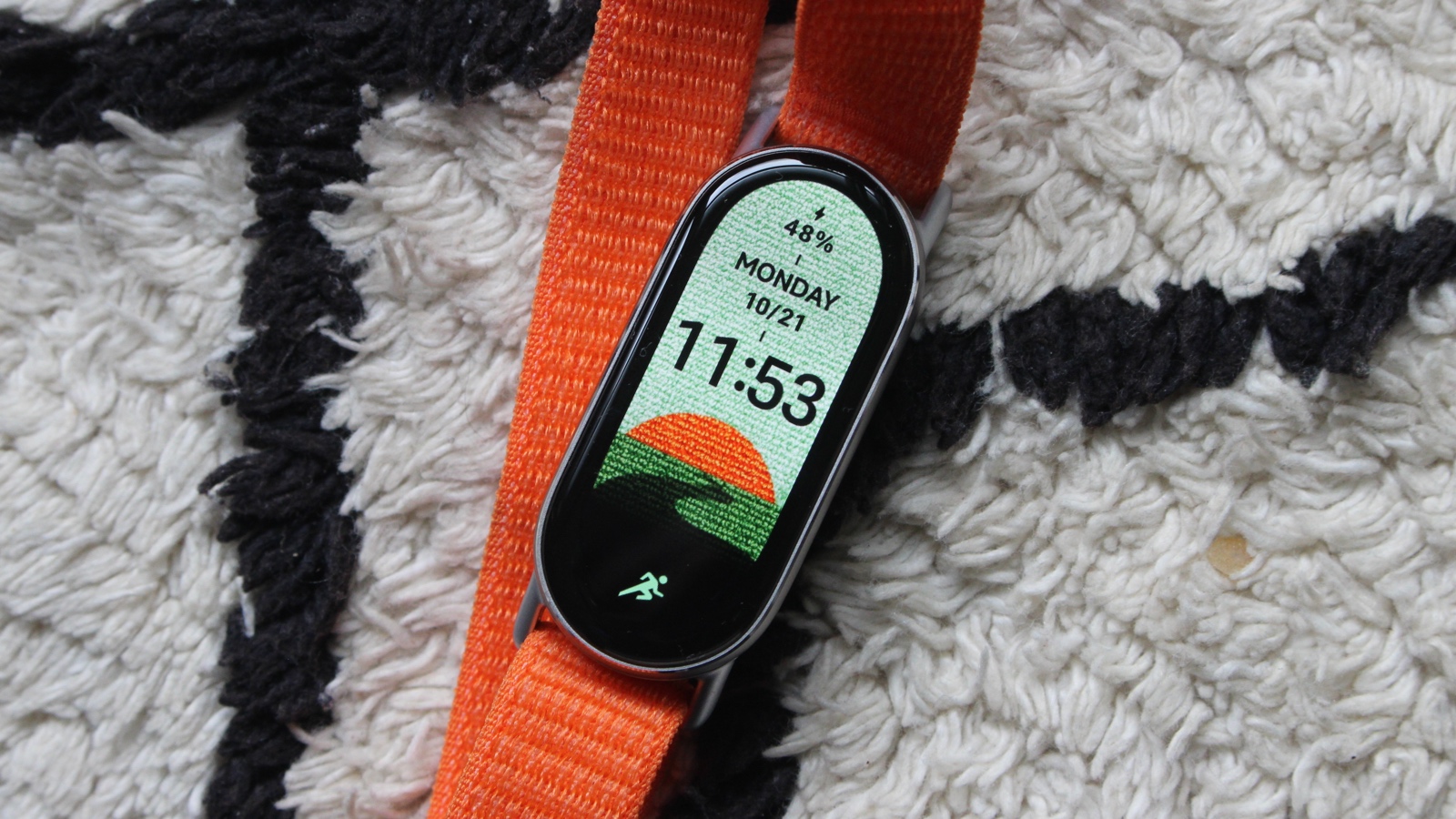
If you want a fitness tracker that’s affordable but doesn’t look or feel cheap, has a great screen and fairly intuitive software then the Xiaomi Smart Band 9 is worth picking up.
If you own a Smart Band 8, then it’s the battery gains and the boost in screen brightness that feel like the big wins here and less so the promised heart rate improvements. Plus, with Xiaomi’s Smart Band 10 having hit the market, you can now pick up this wearable for even less, making it more of a bargain.
For those who want better, more reliable day-to-day heart rate tracking, you’re going to have to pay more for something like the Fitbit Inspire 3 to get it. If you can live with a tracker that does those basics well and offers a really likeable design, then this is the best.
Who should buy the Xiaomi Smart Band 9?
Folks who are tied to a strict budget but still want solid fitness tracking in return for their cash.
Xiaomi Smart Band 9: Further Consideration
Given that the newer Smart Band 10 is available, it’s hard not to recommend that over this to most people.
Read our full
Xiaomi Smart Band 9 review
5. Withings ScanWatch Light – Best Hybrid
Pros
- Stunning design
- Clever display
- Impressive battery life
- Lightweight yet durable
Cons
- Hit-and-miss step and heart rate tracking
- Not good for notifications
- No built-in GPS
Price When Reviewed:
$249.95
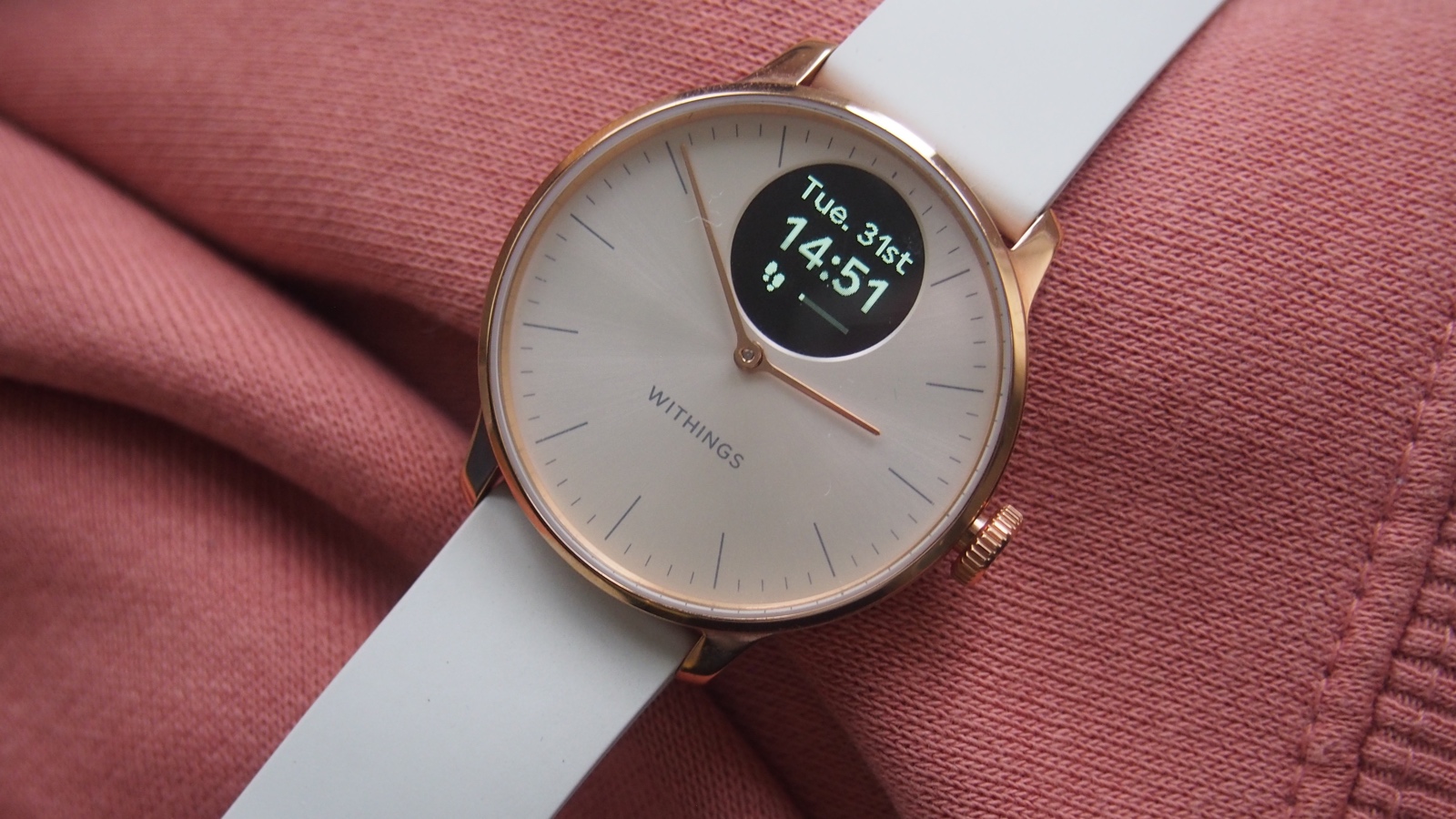
Withings’ ScanWatch 2 might be the most complete hybrid watch you can buy, but the Light offers everything most people are looking for at a more affordable price.
That includes a gorgeous premium design, which is relatively lightweight but still impressively durable. Within it you’ll find a tiny 0.63-inch monochrome display that is easy to control using the rotating physical crown.
There’s enough room to display all key information except phone notifications, which often get annoyingly cut off. The ScanWatch Light can track over 40 workouts (some automatically), although data is generally limited to heart rate (including zones), steps, distance and pace.
Sleep tracking is good and battery life is truly excellent. You’ll struggle to get the 30-day stint that Withings claims you can, but around 1-2 weeks is well within reach.
If you can live without 24/7 temperature tracking, ECGs, irregular heart rhythm notifications and blood oxygen monitoring, the ScanWatch Light is the Withings watch to get.
Who should buy the Withings ScanWatch Light?
Anyone who wants to indulge in fitness tracking but with the cleaner look of an analogue dial.
Withings ScanWatch Light: Further Consideration
The monochrome display is too small to read notifications comfortably.
Read our full
Withings ScanWatch Light review
6. Fitbit Inspire 3 – Best Cheap Fitbit

Pros
- Always-on colour screen
- Stylish & comfortable
- Comprehensive tracking
- Good battery life & charging
Cons
- Tiny screen
- Fitbit Premium needed for some features
- Short charging wire
- No GPS
Price When Reviewed:
$99.95
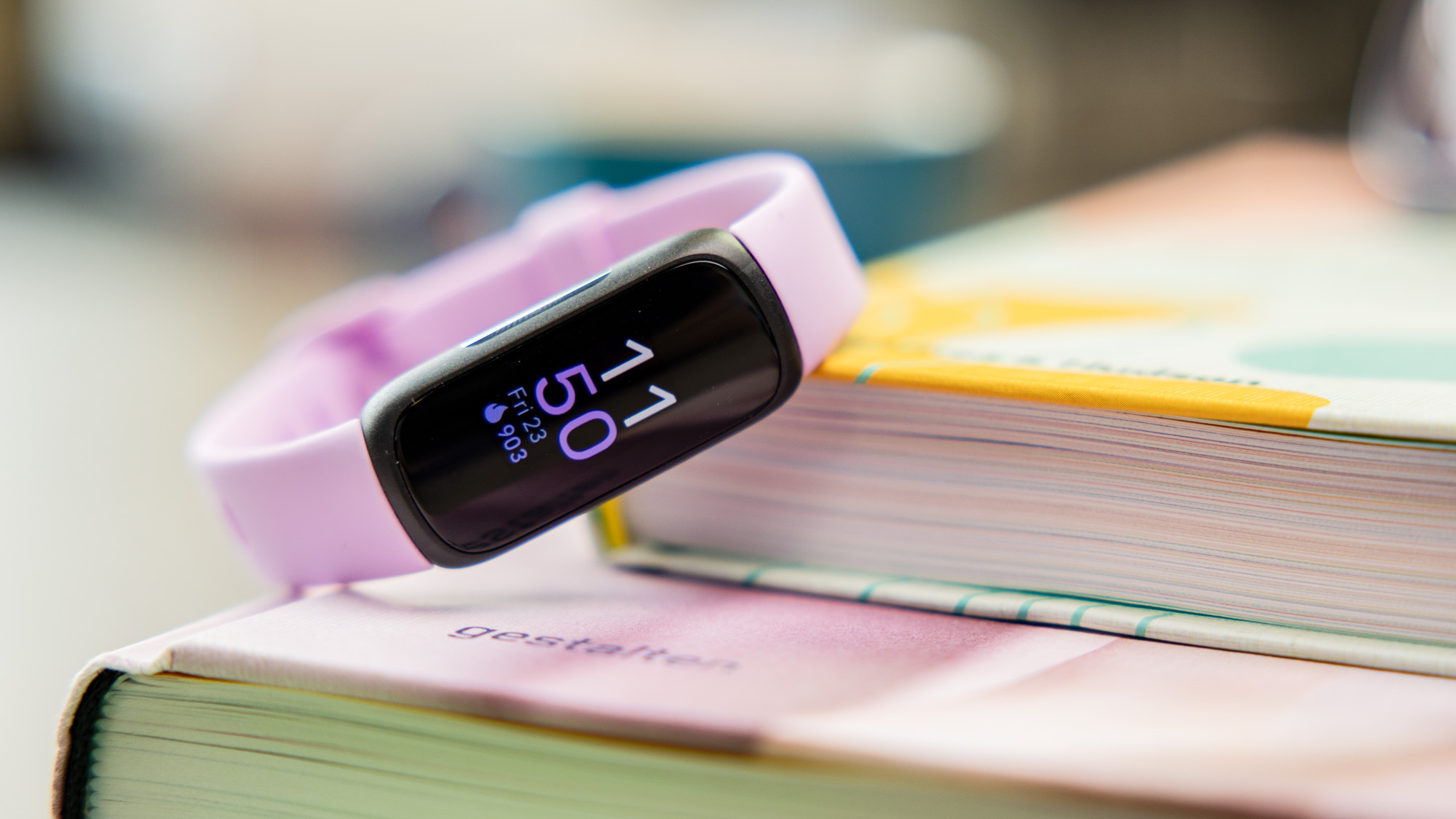
The Inspire 3 is the cheapest model in the current Fitbit line-up, making it an excellent entry point into fitness tracking.
It’s still more expensive than its rivals, but Fitbit’s software experience and ecosystem are both excellent, so for some it may be worth paying a little extra – even if paying more for such a small display does sting a little.
It helps that you get up to 10 days of battery life (though a little less if you use the always-on display feature), as there’s 24/7 heart rate monitoring now bolstered by SpO2 data, as well as sleep tracking. Just bear in mind that there’s no built-in GPS support, and as with all Fitbits, you’ll need to subscribe to the paid Fitbit Premium plan to get every bit of data out of it.
Who should buy the Fitbit Inspire 3?
Anyone who wants to get into the Fitbit ecosystem without spending too much money.
Fitbit Inspire 3: Further Consideration
You can get more features from similarly priced competitors, not to mention larger screens.
Read our full
Fitbit Inspire 3 review
7. Huawei Watch Fit 4 Pro – Best Premium Fitness Tracker
Pros
- Lots of new features
- Improved build
- Solid battery life
- Compatible with Android & iOS
Cons
- Missing smartwatch features
- Divisive Apple Watch style
Price When Reviewed:
Unavailable in the US
Best Prices Today:
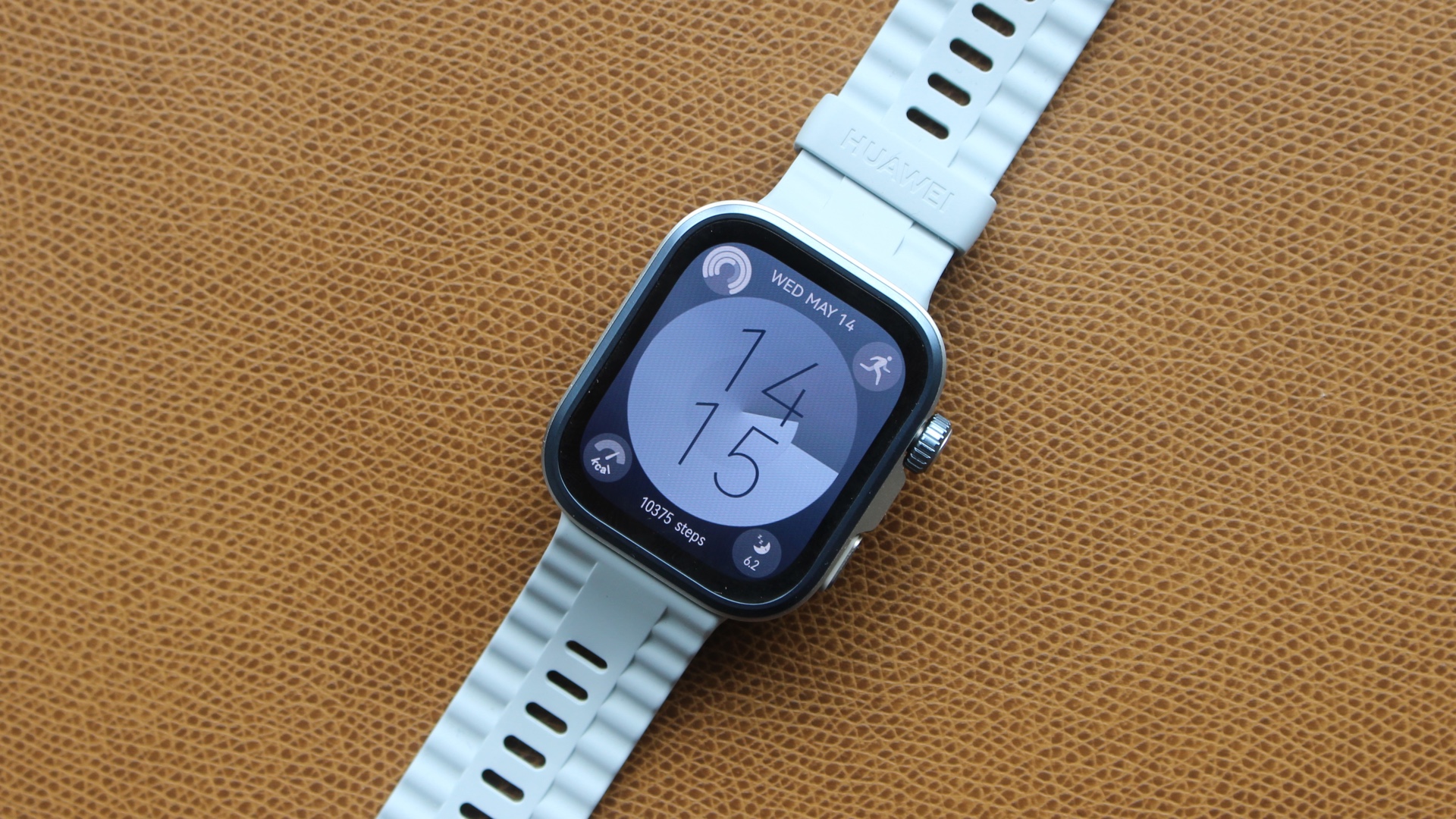
Let’s face it, the Huawei Watch Fit 4 Pro wears its inspiration on its sleeve by looking almost identical to an Apple Watch, but that’s no bad thing. At the very least, it makes the Fit 4 Pro feel like a more premium device, and with a price tag of £219, it certainly is.
However, if you don’t mind spending a bit more, then you’ll get a great wearable that teeters the line between being a fitness tracker and smartwatch. Because it’s a Huawei device, you won’t have a ton of app access unless you have a Huawei phone, but there’s still music control, on-device maps and more.
When it comes to fitness tracking, there’s a more robust dual-band GNSS connection for keeping tabs on your location during a run, and there’s an ECG monitor so you can know right away if your heart exhibits any signs of atrial fibrillation.
Circling back to the design itself, the Fit 4 Pro is tougher than most fitness trackers, and it’s available in either a steel or titanium chassis. It can be submerged in water up to 5ATM, and the new sapphire glass display does a good job at keeping scratches at bay.
Who should buy the Huawei Watch Fit 4 Pro
Anyone using Android who wishes they could have an Apple Watch.
Huawei Watch Fit 4 Pro: Further Consideration
If you do use iOS, the Apple Watch SE 2 isn’t that much more expensive.
Read our full
Huawei Watch Fit 4 Pro review
8. Xiaomi Smart Band 8 Pro – Best Big Screen

Pros
- Great display
- Plenty of tracking options
- Inexpensive
- Good battery life
Cons
- No NFC
- Can’t reply to messages
- Settings change with watch faces
Best Prices Today:
Picking up an affordable fitness tracker these days can be complicated, as there are so many decent options available.
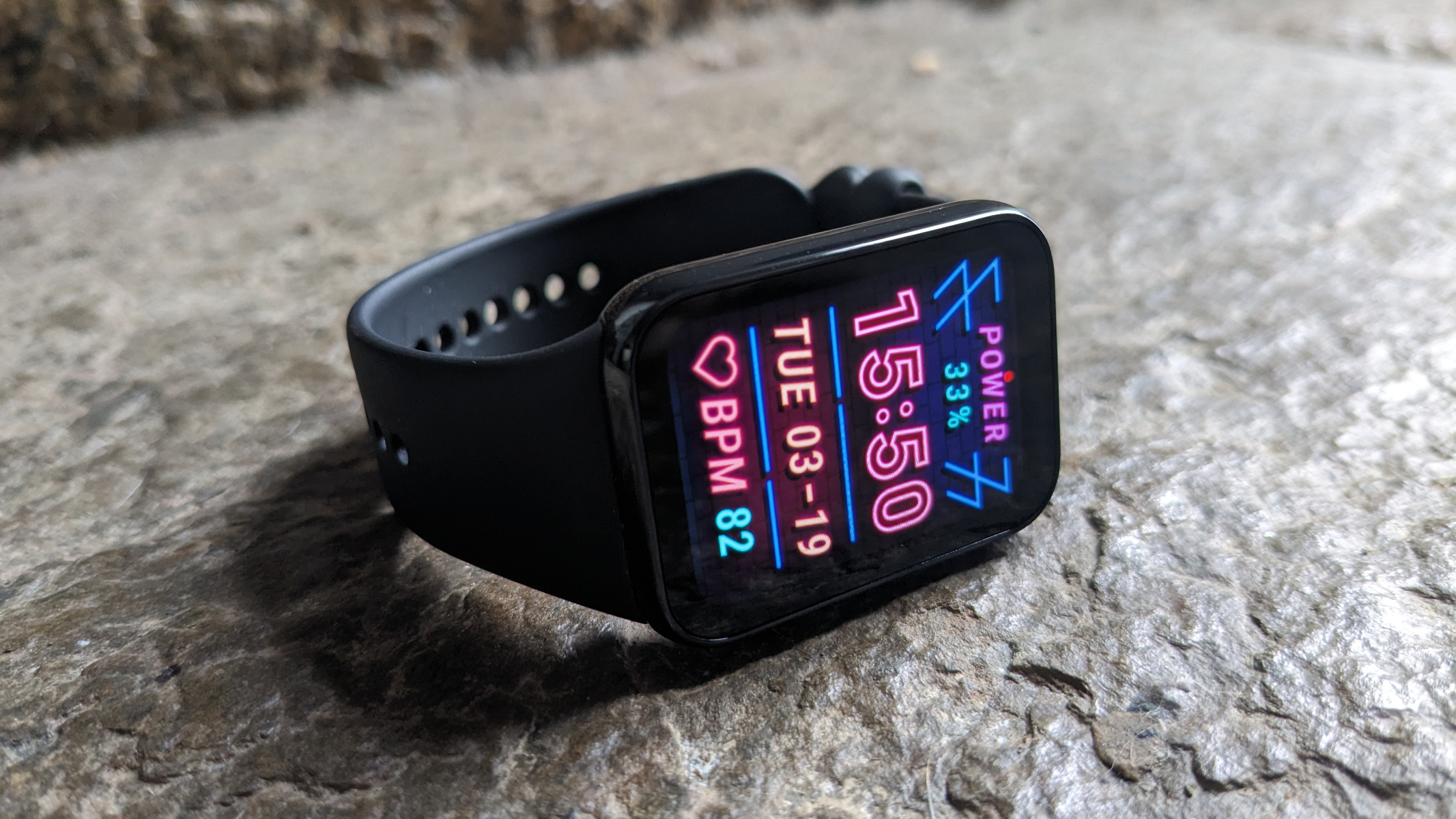
The main selling point for the Smart Band 9 Pro is the large screen, which is a lovely panel that’s easy to read. Fitness trackers don’t tend to have those tall thin screens but they are certainly welcome.
Tracking is solid, but not as accurate as you’d find on more expensive models.
If you’re happy with general guidance rather than precise readings, then this will easily be enough for people who just want an easy way to monitor their health, control their media and read messages without needing to pull out their phone, all for a cost that won’t break the bank.
Who should buy the Xiaomi Smart Band 8 Pro
Those who appreciate having a larger display to read notifications and workout summaries.
Xiaomi Smart Band 8 Pro: Further Consideration
The overall design is a bit bland against more stylish options on this list from Garmin and Withings.
Read our full
Xiaomi Smart Band 8 Pro review
9. Garmin Lily 2 – Most Stylish
Pros
- Lightweight and elegant
- Range of features
- Decent battery life
- Body Battery and stress tracking are excellent
Cons
- No GPS
- Sleep tracking could be better
- Women’s health needs improvement
Price When Reviewed:
From $249.99 | Model reviewed $299.99


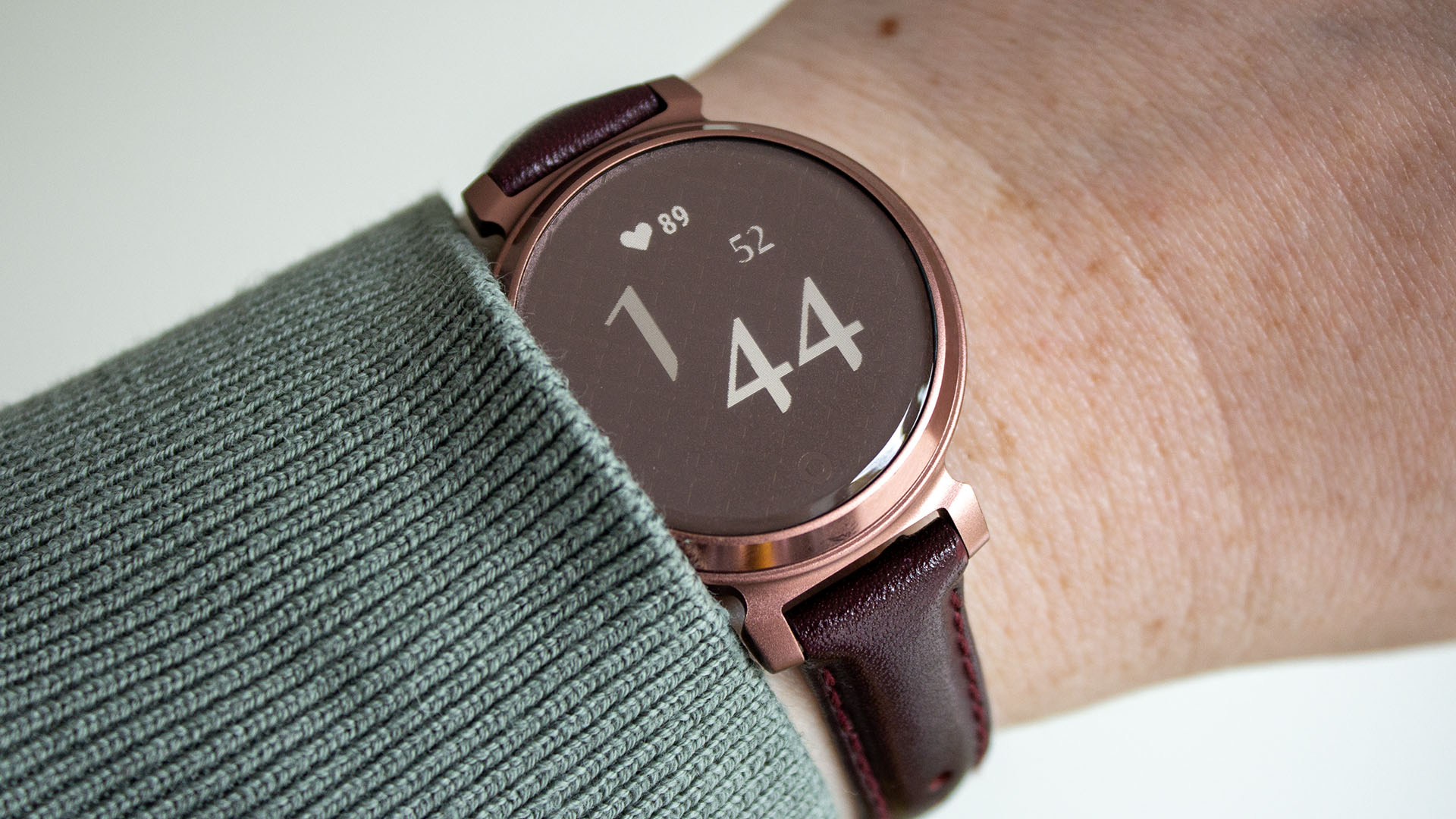
The Garmin Lily 2 is one of the most stylish fitness trackers – especially if you want to wear one with smarter clothing.
Activity tracking is accurate and the Body Battery and stress tracking features are a delight to use, giving a good insight into overall wellness.
Sleep tracking could be better, as could women’s health tracking, and it doesn’t cater to hardcore athletes with a lack of built-in GPS and other features like recovery time, both of which are offered by the similar-priced Vivoactive range. Still, the Garmin Lily 2 excels for casual exercisers seeking a discreet and comfortable companion for their everyday wellness journey.
For those with larger wrists or a strong focus on training metrics, the Vivoactive will be a better fit, but if you prioritise comfort, style and reliable fitness tracking in a compact package, the Garmin Lily 2 is a great option to consider.
Who should buy the Garmin Lily 2?
Anyone who’s fed up with boring-looking fitness trackers that don’t pair well with everyday fashion.
Garmin Lily 2: Further Consideration
More robust smartwatches from Apple and Samsung are better for tracking women’s health.
Read our full
Garmin Lily 2 review
10. Fitbit Ace 3 – Best For Kids


Pros
- In-app Parent and Kid Views
- Hardy, colourful design
- Family challenges
Cons
- Underpowered compared to adult Fitbits
- May not appeal to every kid
Price When Reviewed:
$79.95
The Fitbit Ace 3 is built to suit the rough-and-tumble lifestyle of most children, providing both kids and parents with simple but insightful activity and sleep tracking data.
The Ace 3 serves as a way to motivate kids to be more active, but in a roundabout way, it can also incentivise the whole family to get fitter together (provided everyone involved has a Fitbit of their own to wear).
Older kids might want to look for a tracker with a little more oomph, as the Ace 3 offers a cut-down range of fitness and notification features compared to Fitbit’s ‘adult’ trackers. It counts steps, logs Active Minutes, and monitors basic sleep patterns but lacks heart-rate tracking.
Who should buy the Fitbit Ace 3
Kids who need a bit of motivation to enjoy the great outdoors.
Fitbit Ace 3: Further Consideration
If it does get damaged, the Fitbit Ace 3 isn’t as cheap to replace as some of the other wearables on this list.
Read our full
Fitbit Ace 3 review
What is a fitness tracker?
Fitness trackers help you measure and log a range of activities each day; from a simple step count to weightlifting sessions, swimming and more. Advanced models include sleep tracking, stress detection, and can even help monitor specific health problems.
Some people will want a device that counts steps and doesn’t require frequent charging, whilst others might be in the market for a new marathon companion.
Do you want to be able to log your routes using integrated GPS or is tethered GPS (pulling location data from your phone in real time) enough? Do you need constant heart rate monitoring? Does your tracker need to be water-resistant? Is integration with other fitness services (such as Strava) important? These are all things to consider before buying.
What’s the difference between fitness trackers and smartwatches?
There’s no strict line here but broadly speaking, we define a smartwatch as a more advanced wearable with additional apps and functionality.
You should expect a smartwatch to allow you to install and run apps – including some of the ones you’d find on your phone – as well as check notifications, reply to messages, and perhaps even take calls. Some smartwatches support eSIM for their own independent data connection.
A fitness tracker is usually more simple, focusing on core health and fitness features. They tend to be smaller, cheaper and have a better battery life.
Hybrid watches from companies such as Withings strike a balance between the two, but are still relatively expensive.
Should I just buy a Fitbit?
Given that Fitbits are practically synonymous with fitness trackers at large, they’re almost always the first option considered when buying a wearable, but there are a few things to bear in mind. One the one hand, Fitbits are great for working adults who have a lot on their plates as the company’s software tracks your exercise over the course of a week, rather than a day. This means that if you have a busy few days, you can always make it up with a long gym session after work or at the weekend.
Unfortunately, Google has stripped back a lot of Fitbit’s wider features in the last few years, and to get the full Fitbit experience, you’ll want to invest in Fitbit Premium, which carries an annual cost of £79.99/$79.99. Fitbit Premium is a good service in itself, but for folks who don’t want to spend too much and certainly don’t want to be hit with any added fees after the initial purchase, you’re better off buying a wearable from the likes of Xiaomi or Amazfit.