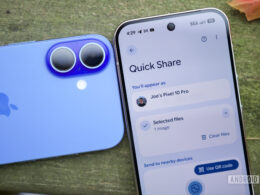




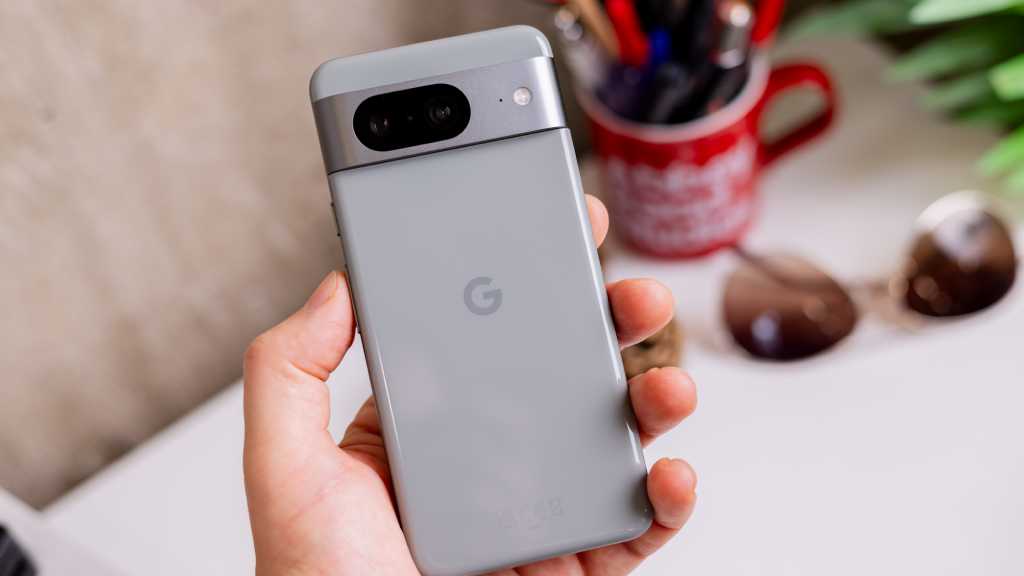

A new flagship phone with all the hype and top-end specifications makes for an appealing device, but the price puts it out of reach for many buyers.

Over the years, we’ve reviewed all of the best phones worth shouting about, from Samsung Galaxy and Google Pixel handsets to Chinese giant Xiaomi and, of course, Apple’s iPhone. However, sky-high prices might tempt you to look at previous generations.
The value of phones also depreciates quickly, the moment you unbox them, which is why used and refurbished flagships often look so tempting on paper. You’re still getting premium hardware, just at a much lower price. Software support and longevity of used phones are the trade-offs that you need to take note of, though.
The true competition is from modern mid-range phones, which are now capable of offering strong performance, long battery life, and advanced AI features. That said, buying a used flagship in 2026 isn’t just about saving money anymore; it’s about deciding where those compromises make sense.
Key pitfalls to watch out for
With brands now pushing for better battery life, more advanced cameras and leaning harder on AI-centric chips, buying a used flagship in 2026 isn’t the straightforward value it once was. You can grab a used flagship, but within a few years, it can become irrelevant if you miss out on the latest trendy features.
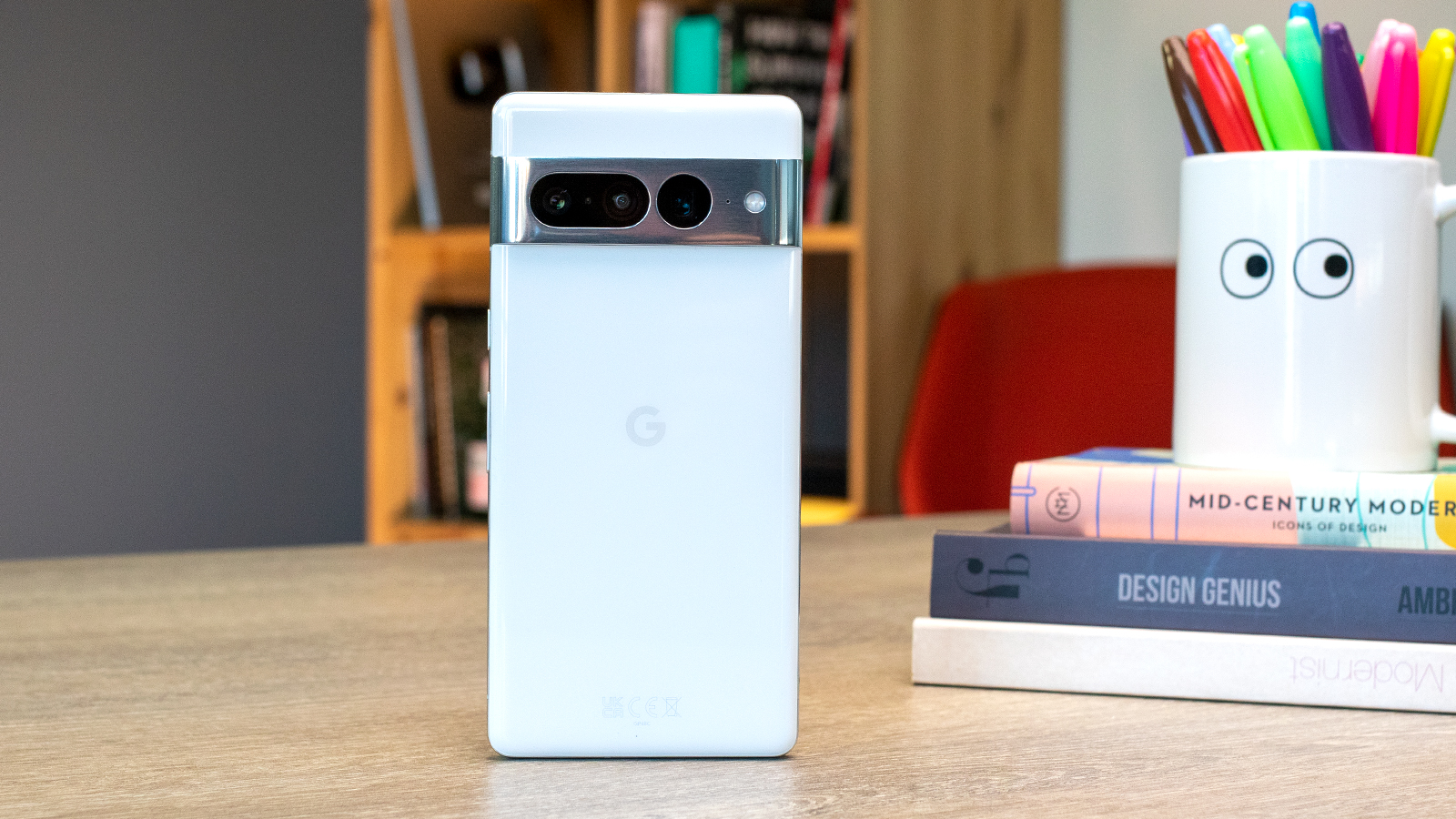
Take the Google Pixel 7 Pro. Despite launching back in 2022, a used phone like this will still feel fast and fluid in everyday use a few years from now. That isn’t really the problem.
Henry Burrell / Foundry
The issue is time. With less than two years of major Android updates left, the Pixel 7 Pro is much more likely to miss out on the newer AI features that increasingly define modern smartphones. It will work just fine until October 2027, but the end of security patches makes it unsafe to use after this date.
Battery health is another compromise that’s hard to ignore. Faster charging is undeniably convenient, but repeated high-wattage top-ups take a toll over time. On a used flagship, that wear is already baked in. To add to it, battery replacements on premium devices aren’t always cheap, and fixing them outside the authorised service centres is another task altogether.
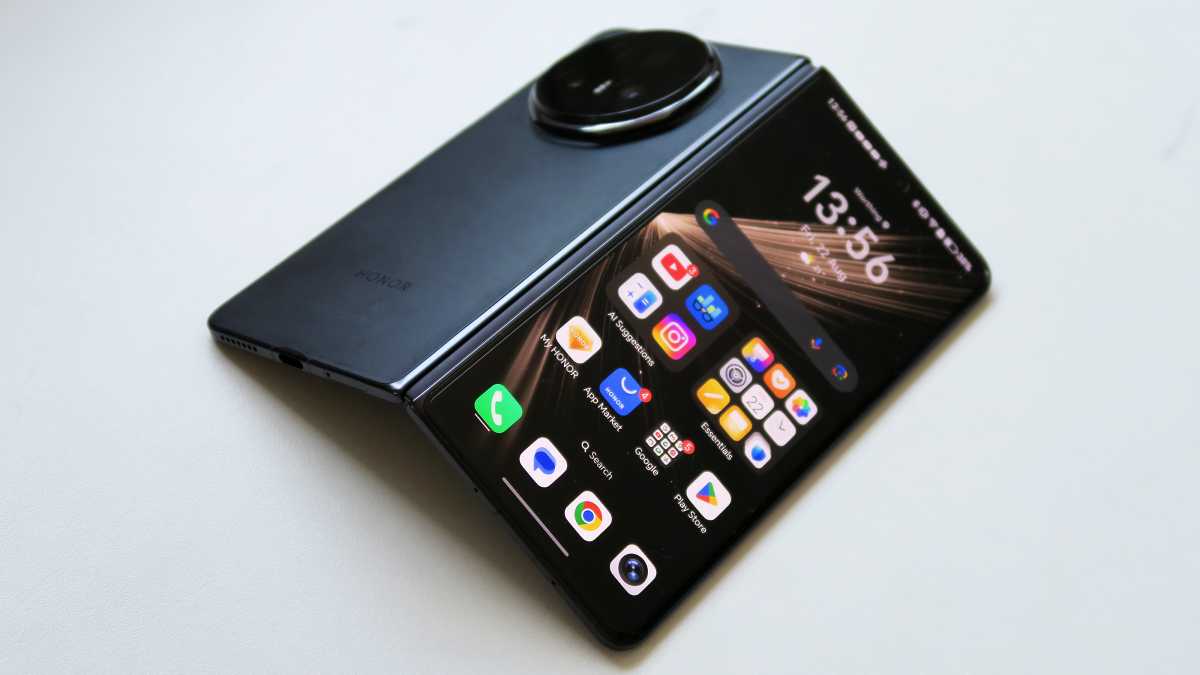
Repairability also deserves a closer look, especially with more stylised designs. While they offer that compact charm, foldables bring their own set of headaches. Repairs are far more complicated due to the hinge mechanisms and dual displays. Even when parts are available, repair costs can escalate quickly, and sourcing genuine replacements can be frustrating due to limited availability over the years, as compared to a traditional slab phone.
Foundry | Alex Walker-Todd
If you put it all together, an older flagship can still look like a tempting deal on the surface, but there looks set to be more compromises compared to 2026 handsets than we’ve ever seen.
The old flagships which are still worth buying
In 2026, buying old flagships is no longer about chasing value. They’re about hardware quality that even the best budget phones still haven’t caught up to, particularly when it comes to displays and cameras. Buying a second-hand flagship can still be a sensible option if compromising on some present or future features is fine with you.
The Samsung Galaxy S23 Ultra fits that description. Even today, its large AMOLED display looks sharper and brighter than what most entry-level devices manage. Speaking to which, if you pair it with its excellent quad-camera set-up and flagship-level performance, you get everything at close to half its original price. That kind of value is hard to ignore, as long as you’re comfortable with fewer years of software updates ahead.
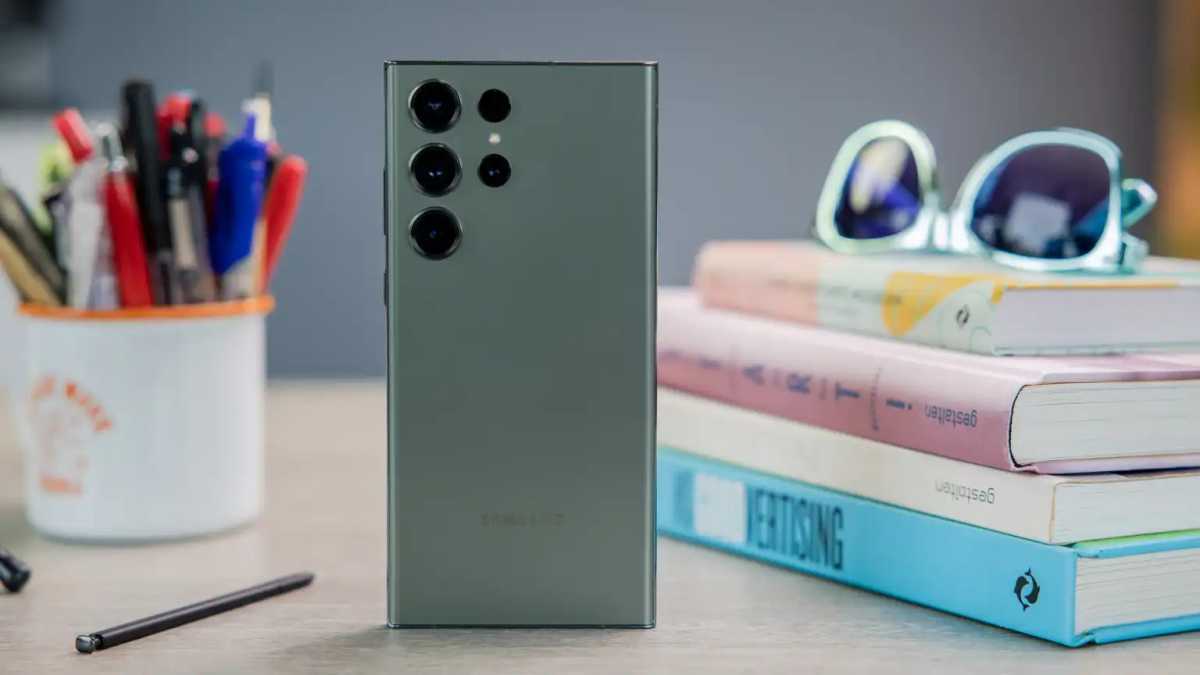
Dominik Tomaszewski / Foundry
Cameras are where older flagships continue to outperform cheaper handsets. Even now, camera hardware on a two-year-old flagship still holds a clear advantage over most mid-range phones, especially in low-light conditions and video stabilization.
We reviewed Apple iPhone 15 Pro’s 48Mp triple-camera system back in 2023. Despite its age, it continues to deliver consistently sharp and well-balanced photos compared to many newer mid-range devices, including the Samsung Galaxy A56.
The trade-off obviously is limited software updates, with Android 16 set to be its last major version. However, software support should last well into 2028. If consistent results matter to you more than the latest operating systems, this will be a compromise worth making.
Used flagships are a great choice if someone is making a sudden jump from an older device. You’ll immediately notice the difference in display quality, camera shots, and overall smoothness. Everyday tasks on older flagships will feel more refined than most entry-level or budget phones.

Dominik Tomaszewski / Foundry
Software support is the real dividing line between used models. Brands like Samsung, Apple, and Google now offer longer update commitments, which means some used flagships will stay relevant for years, while others will feel dated much sooner than their hardware capabilities imply.
That doesn’t make used flagships an automatic recommendation. But if day-to-day performance, display quality, and camera matter more than chasing the latest features, a carefully chosen older flagship can still be a very sensible buy in 2026.
Are old flagships or new mid-range phones better?
For most buyers in 2026, the choice isn’t as simple as it used to be. It’s no longer a straight decision between “old but premium” and “new but basic”. At similar prices, used flagships and brand-new mid-range phones now overlap in ways they didn’t a few years ago.
Mid-range devices these days from OnePlus, Xiaomi, and Oppo are far less power-hungry than older flagships that are nearing the end of their software cycle or already showing signs of battery wear.
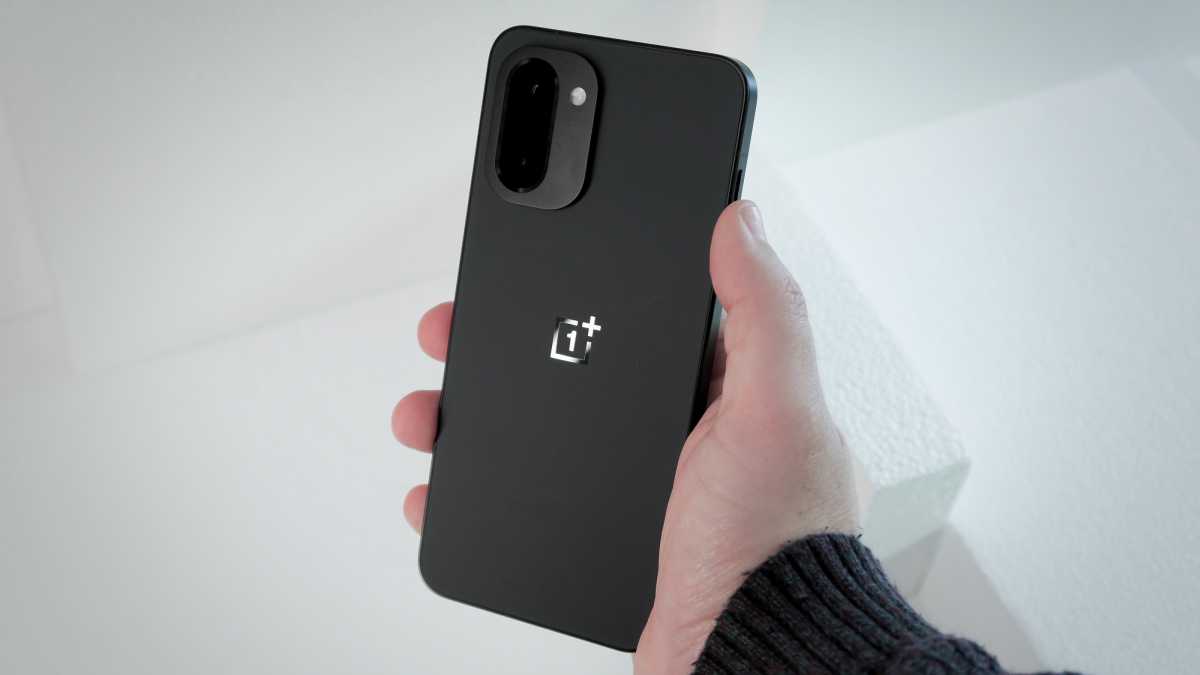
The OnePlus 15R, launched in late 2025, drives that point home. It offers smooth performance and noticeably quicker charging than something like the Samsung Galaxy S23, all while coming with a much longer stretch of guaranteed updates ahead. If you tend to hang onto your phone for a good few years, that extended support makes a real difference. A new mid-range phone beats most used flagships for longevity.
Foundry | Alex Walker-Todd
Older flagships, however, still play to different strengths. Camera performance remains the most obvious one. Even a three-year-old flagship can deliver crisp low-light shots and stable video recording. The larger sensors and more mature image processing continue to produce more reliable results than most mid-range alternatives. Only buy a used flagship if camera quality is your top priority.
Even if used, older flagships have premium built quality that gives them an edge. Paired with sharper, brighter displays, you’ll immediately notice the level of refinement, and it’s difficult to give that up once you’re used to it. Foldables fit neatly into that picture, too. Models that once pierced a hole in the wallet with their price tags are now far more reachable on the used market, often at a fraction of their launch cost.
New mid-range phones, meanwhile, tend to prioritise the practical side of things, delivering stronger battery life, quicker charging, and guaranteed software updates over the coming years.
Which one makes more sense depends less on price than on compromise. Once those compromises start showing up as daily annoyances, the money you saved rarely feels worth it.
What to look for when buying an old flagship
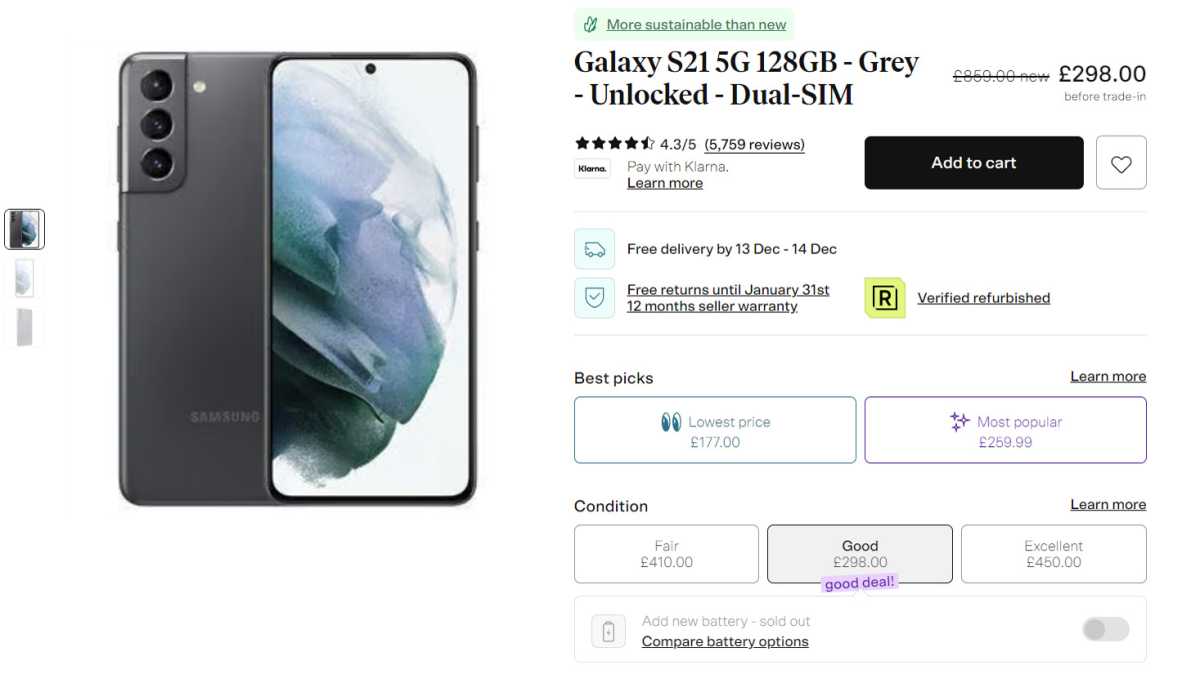
Buying a used phone is only worth it if the device is in genuinely good condition. The specific model you choose will always come down to personal preference, but what matters far more is whether the phone is physically sound and still in good software shape.
Back Market
Beyond the usual considerations you’d make when buying any phone, performance, display quality, and the features you actually need, there are a few extra checks that become essential when going for used. Battery health is a big one, plus how many years of software updates the phone still has left. It’s also crucial to make sure the device has a clean IMEI, as anything blacklisted or reported stolen is best avoided entirely.
Where you buy from matters just as much as what you buy. If you’re buying online, it’s best to stick to reputable marketplaces that offer proper quality checks or some form of warranty, and not just the lowest price. If picking it up in person, the condition of the phone tells you far more than the listing ever will.
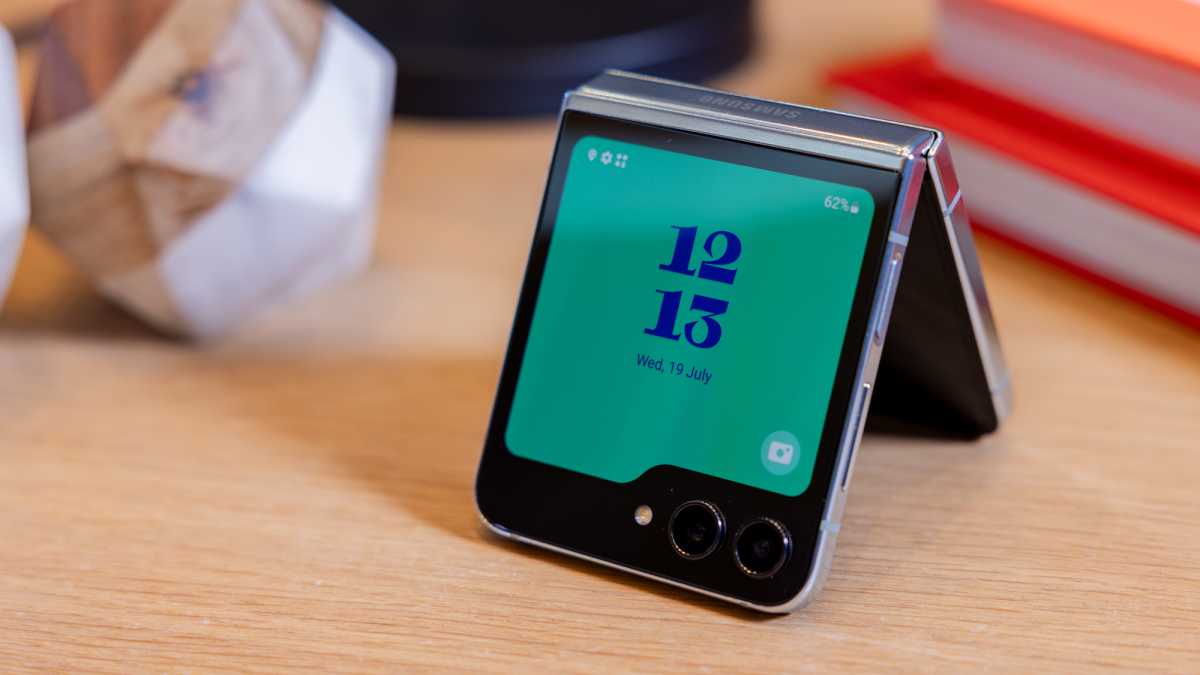
Foldables certainly deserve a bit more caution when you’re buying used. Devices like the Samsung Galaxy Z Flip 5 or the original Google Pixel Fold rely so heavily on their hinges and inner displays that any weakness there can quickly become a serious issue further down the line. Look out for things like creaking sounds when opening and closing, or obvious wear and creasing along the fold itself; these are all clear warning signs.
Dominik_Tomaszewski
It’s the smaller details that often catch buyers out. Ports, speakers, call quality, and network reliability don’t draw much attention at first, but even minor faults tend to turn into daily frustrations. Once that happens, the money saved on an older flagship will feel more of a bargain.
By following the steps outlined in this article, you can ensure you get an older flagship that still has plenty of life in it?
Prefer a cheaper modern device? See our dedicated guides to the best mid-range phones and best budget phones you can buy.