
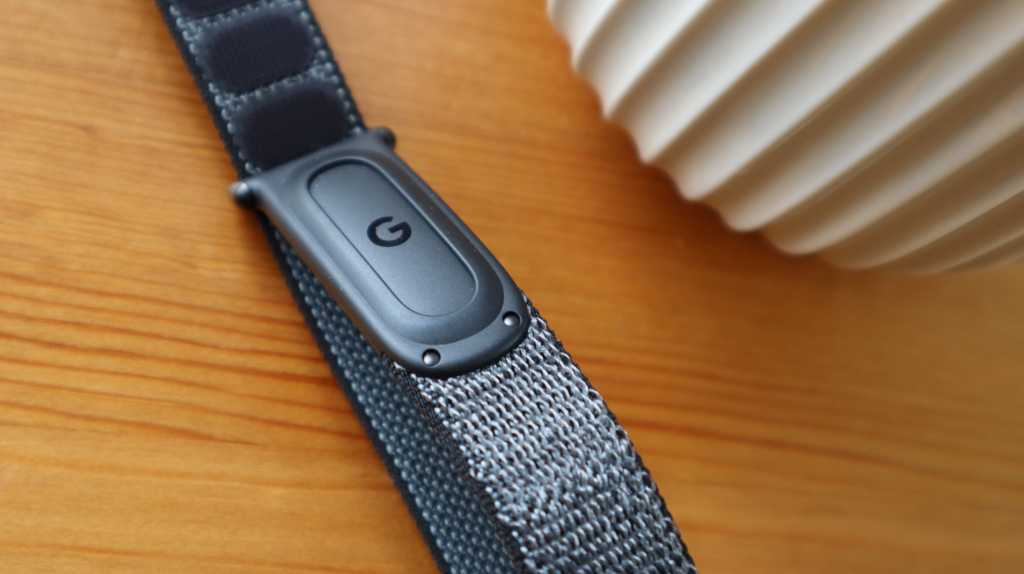
In a very pro-consumer move that feels increasingly rare, Google has released the blueprints for the new Fitbit Air screenless fitness tracker, effectively allowing anyone to construct their own accessories with the company’s official measurements and recommendations.
On the Google Store, there’s now a page dedicated to the Fitbit Air’s measurements, inside seam and all. Google even includes 2D CAD drawings of the Fitbit Air as well as “crucial mating dimensions, tolerances, and mating force specifications – including attach and detach force – to help you build a high-quality accessory band.”
Not short on advice, the page even lists the type of materials that should be used when constructing a band (as well as ones that should be avoided completely), plus the various technical specifications that need to be considered for the Fitbit Air to work as intended.
Amongst these specifications, Google details how the current bands use a tension-based snap-in mechanism that needs to be properly replicated to ensure that the device stays in place, as well as the need for the device’s sensors to maintain regular contact with the user’s skin to avoid any lapse in data collection.

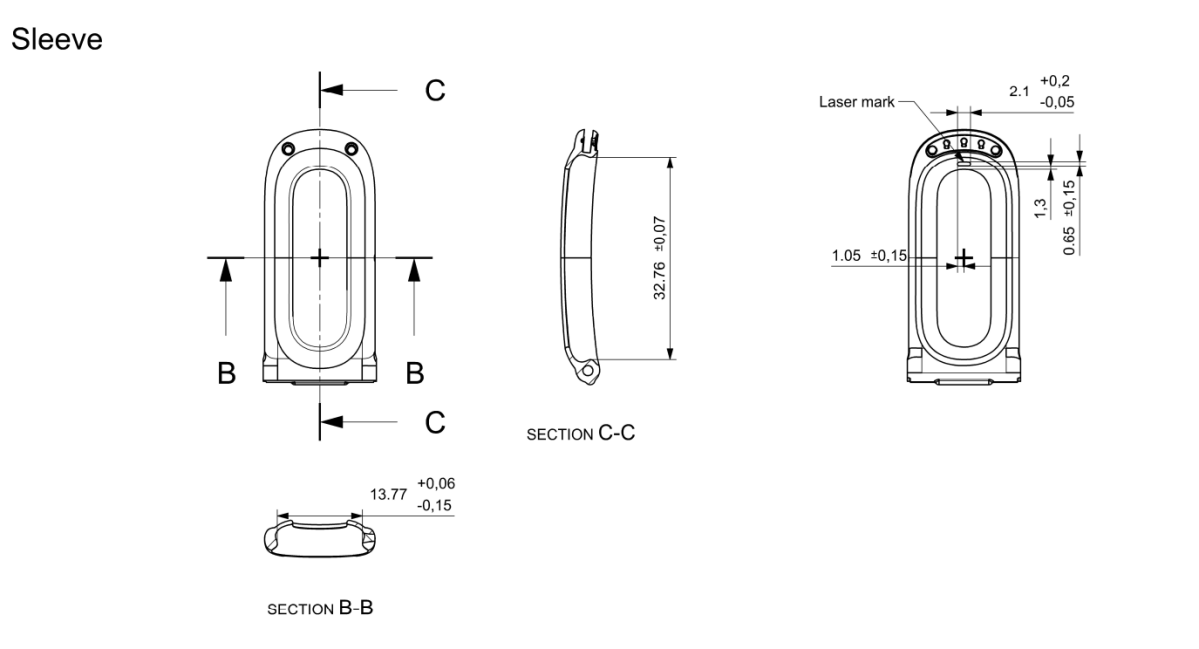
The page encourages both individuals and small/large companies to make use of the materials provided, all of whom are also invited to get in contact for an official ‘Made for Google’ certification, which accompanies cases and other accessories that have Google’s seal of approval.
It means we should soon see a whole host of different Fitbit Air accessories, perhaps from the likes of Mous, Bellroy, Spigen and more. However, with enough know-how and the right equipment, you could even try making your own or perhaps something like a charging stand made via a 3D printer.
We could well see different bands being made, so you can wear the Fitbit Air in places other than your wrist. Fans have already reportedly figured out their own bicep band solutions, for example.
Inspiring creativity or fixing a problem?
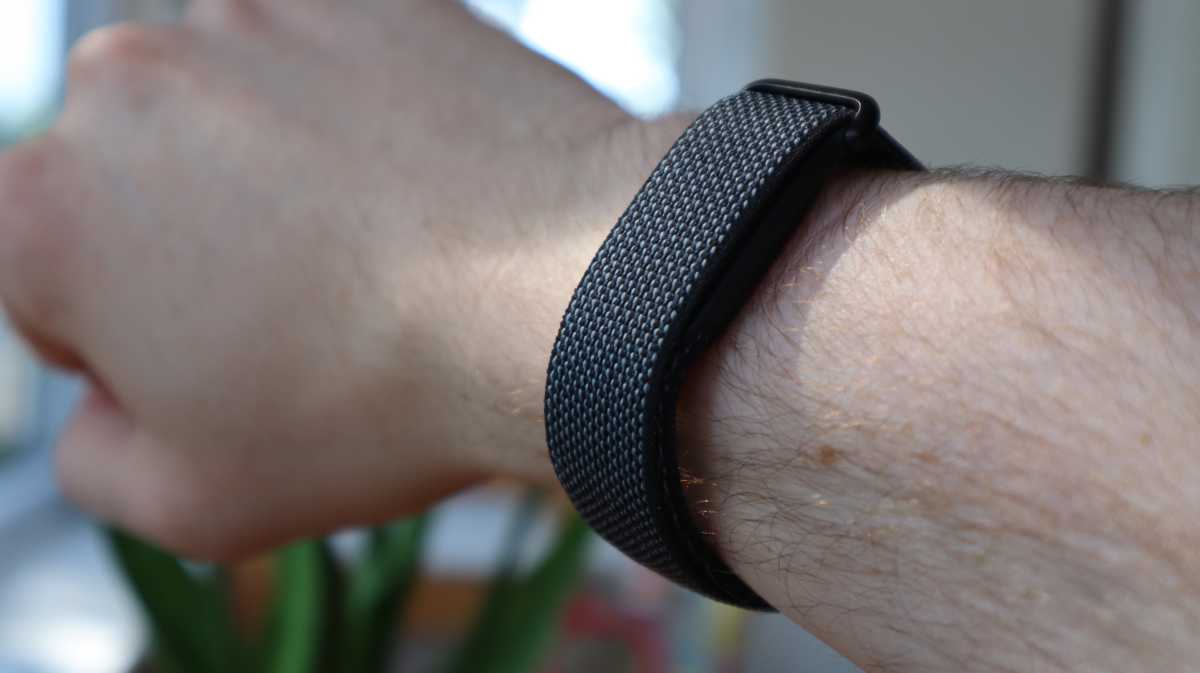
The timing of this announcement feels rather apropos, given reports last week that Fitbit Air users with small wrists were struggling to find a comfortable fit with the official bands provided.

Thomas Deehan / Foundry
Because the default Loop Band uses a ‘one-size fits all’ approach, there isn’t much flexibility available, but if someone can build their own Fitbit Air band that’s better designed for smaller wrists, then they’ll have solved Google’s problem on the company’s behalf.
Even though it would be nice if Google had simply offered a more versatile range of bands from the jump, this move does help to plug a gap in the market, and it could inspire an entire community of Fitbit Air enthusiasts who want to express themselves with more unique bands and accessories.
In the short time it’s been around, the Fitbit Air has already become one of the most talked about fitness trackers of the year, and we were particularly impressed with its accessible approach to building better habits via the AI-powered Google Health Coach.