




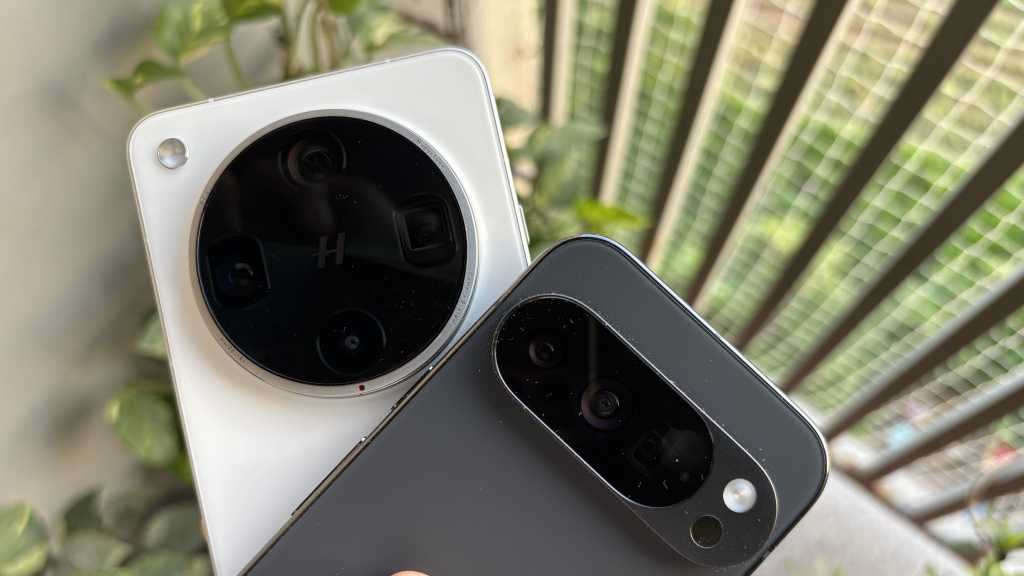

Google and Oppo’s recent flagships raise the bar for smartphone photography.

The Pixel 10 Pro offers an unmatched level of AI tuning and clever features, while the Find X8 Ultra delivers professional-grade hardware that no handset can match. But which one has a better day-to-day camera?
Camera quality is subjective, but over the years, phone makers have managed to cram in more tech than imaginable in slim form factors. The Pixel 10 Pro and Find X8 Ultra push the boundaries further, featuring a versatile set of shooters that can zoom in up to 100X and a range of ‘Pro’ settings that let you adjust even the most minute details.
So, no matter whether you prefer true-to-life colours or value more control in post-processing, the Pixel 10 Pro and the Find X8 Ultra are up for the task. I took them both for a spin and shot hundreds of pictures to see how well their cameras handle various everyday and rare, challenging scenarios.
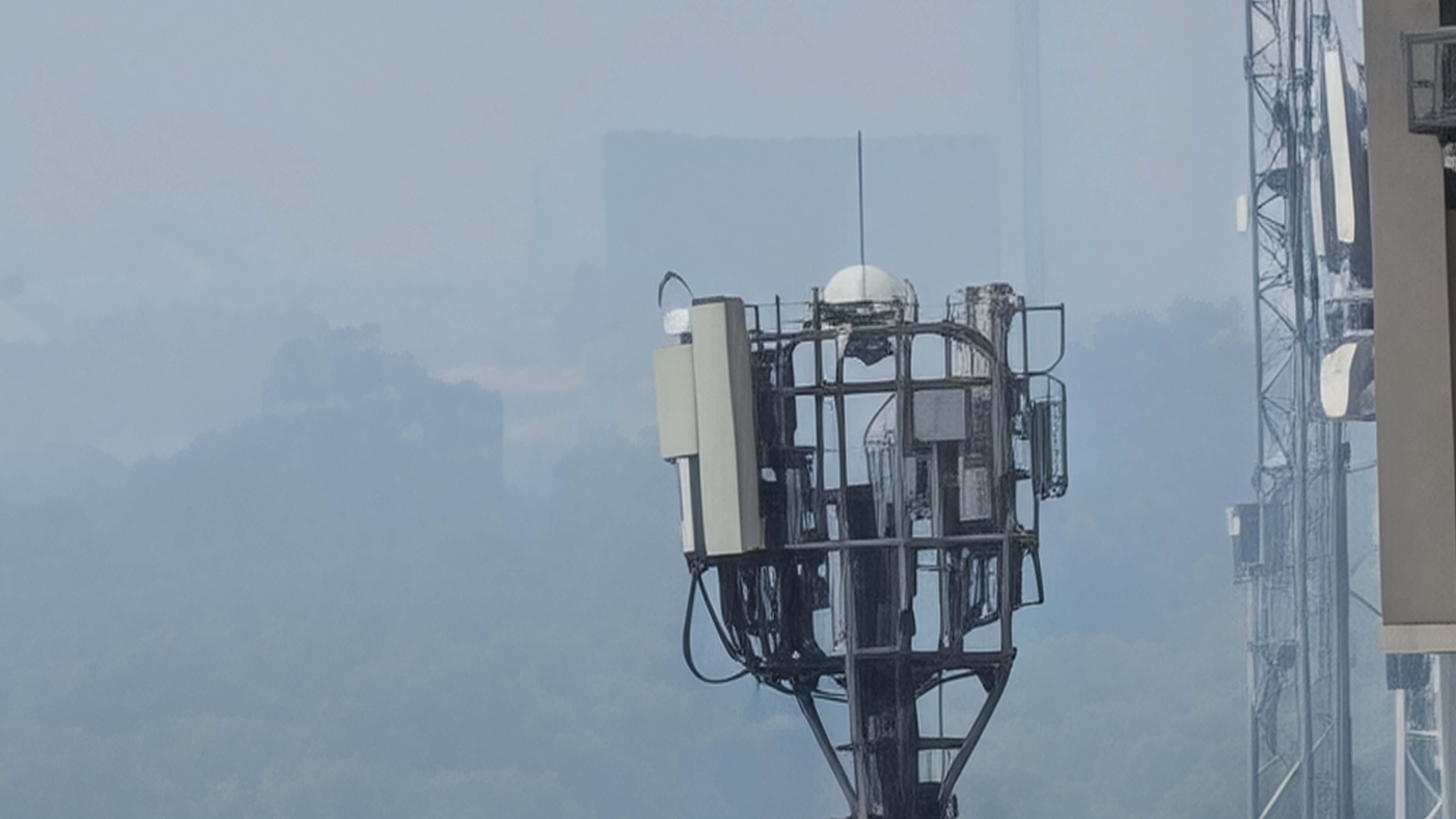
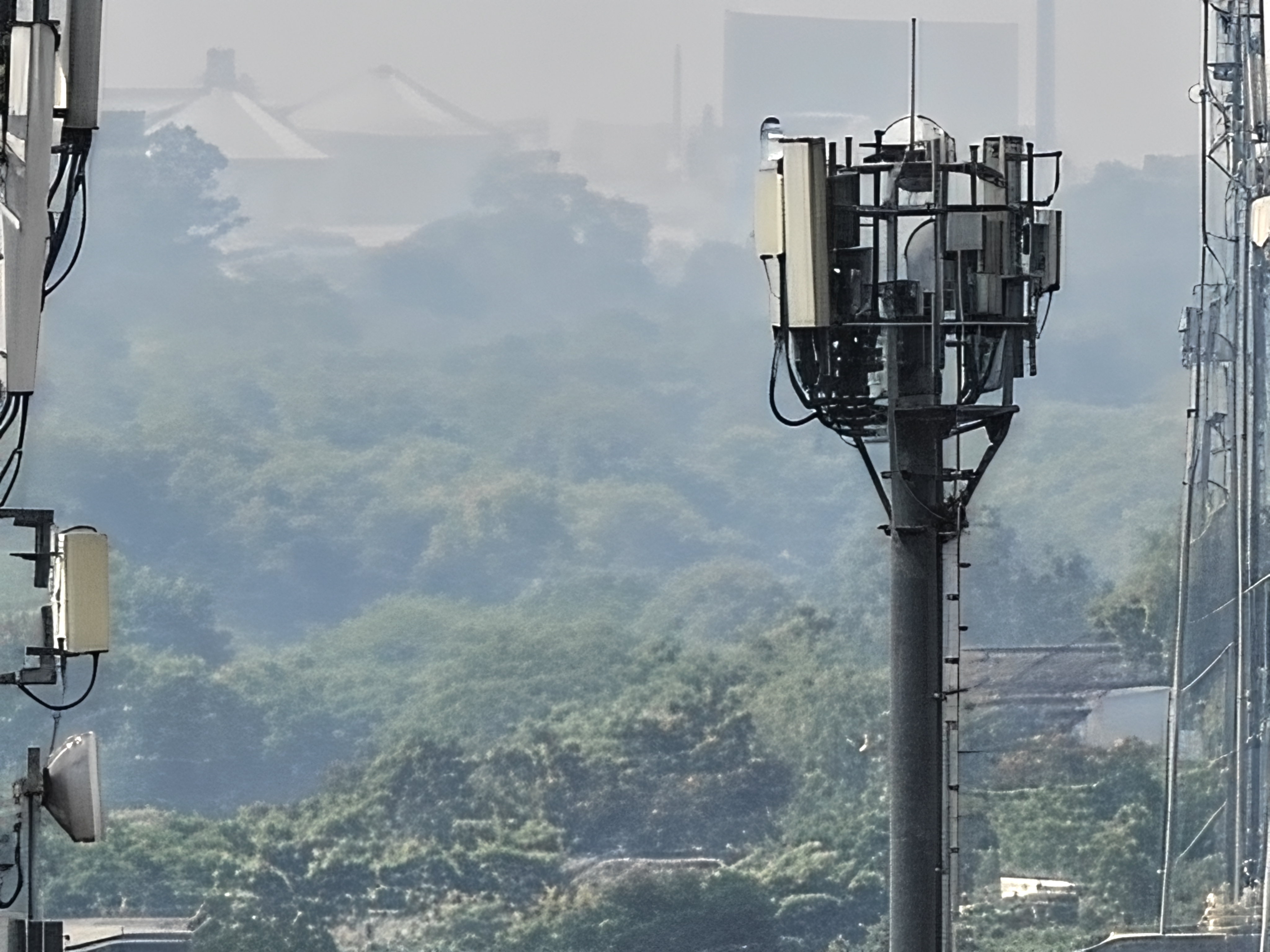
Note: across all of the image comparisons below, the Pixel 10 Pro is shown on the left and the Find X8 Ultra is on the right.
Which main sensor comes out on top?
You’ll spend most of your time shooting with the Pixel 10 Pro’s and the Find X8 Ultra’s main, 50Mp cameras, and in bright environments, both offer very strong results. In most environments, they produce shots that are well-balanced, detailed, and vibrant. However, the way these two phones process what you click can vary heavily.
While the Pixel 10 Pro opts to preserve as much shadow as possible, producing often a more dramatic and muted image, the Oppo typically remained true to the scene, almost resembling a professional camera, and leaving the edits up to you. In the farm photo below, for example, the Find X8 Ultra better exposes the fields and the pond, which were, in reality, as well, brightly lit on a sunny day.

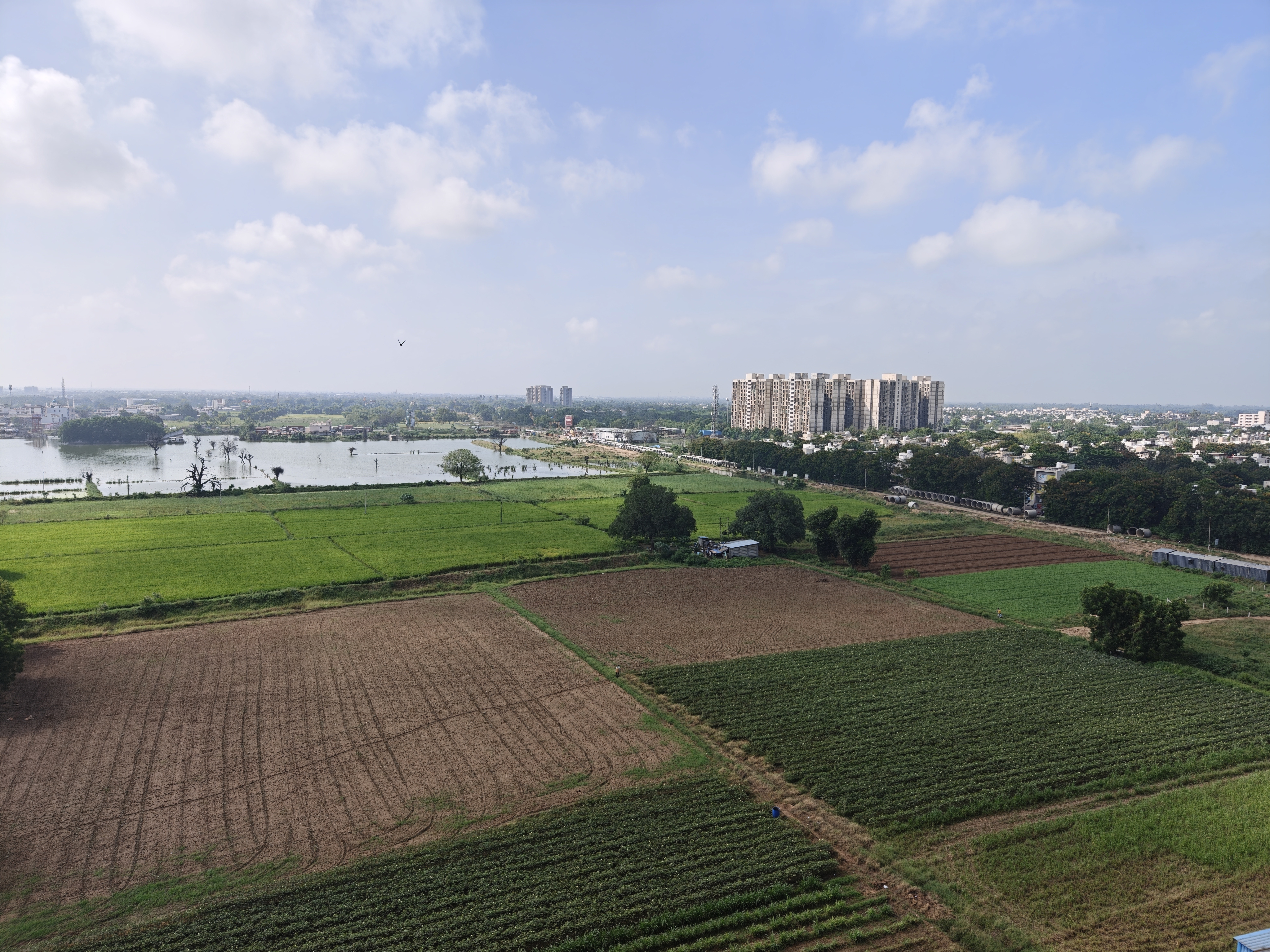
Part of why the Find X8 Ultra was usually a step ahead at retaining the scene’s original look was courtesy of its additional spectral sensor. This allows it to break down a frame and precisely evaluate the white balance and temperature of each portion for a better colour rendition.
The Pixel 10 Pro’s more aggressive dynamic range does come in handy in difficult lighting situations. Even in this straightforward picture of my office desk against sun rays peeping through the uncurtained space, the Find X8 Ultra focuses on just highlighting the foreground. In contrast, the Pixel manages to do so without compromising the little greenery visible through the glass.
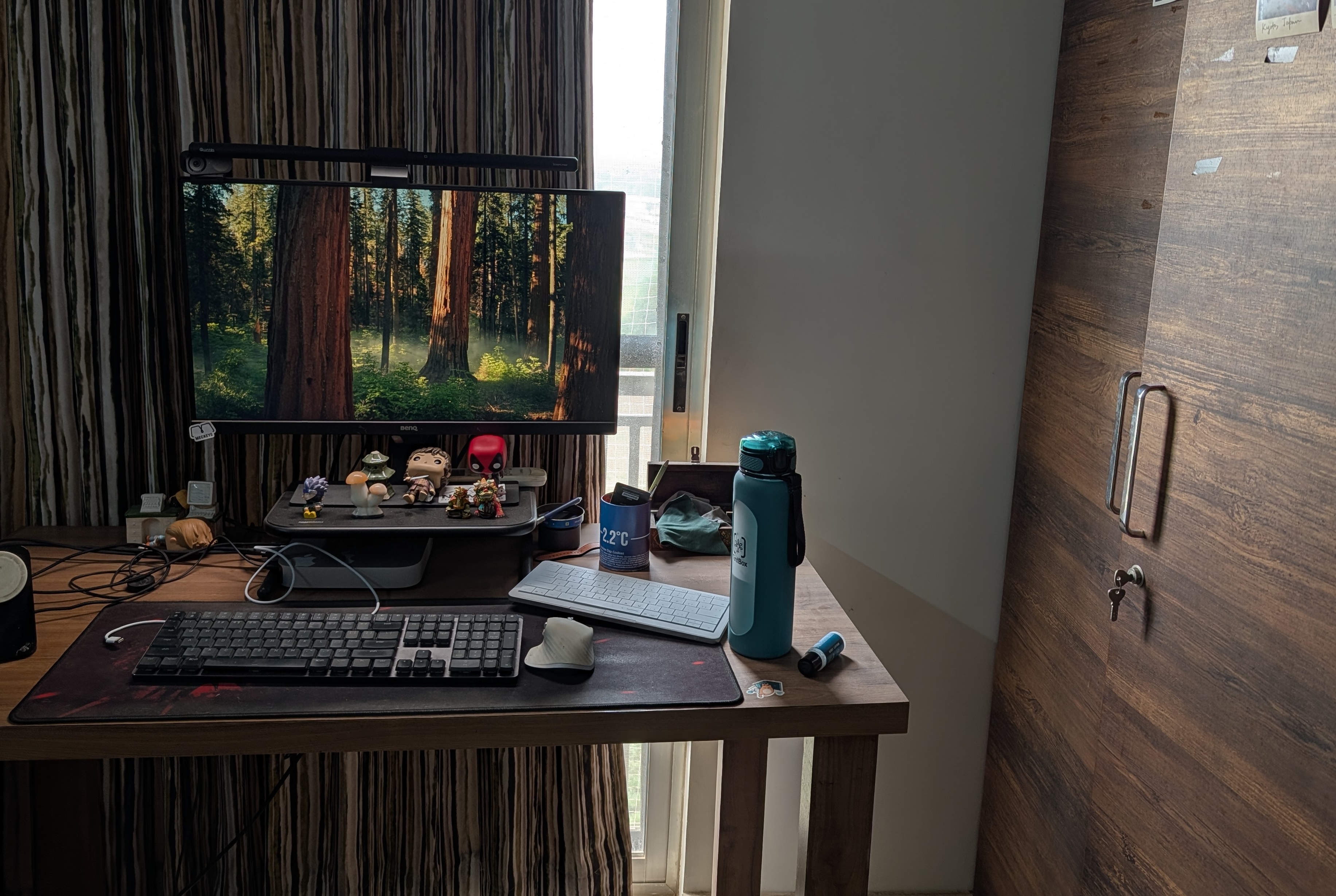
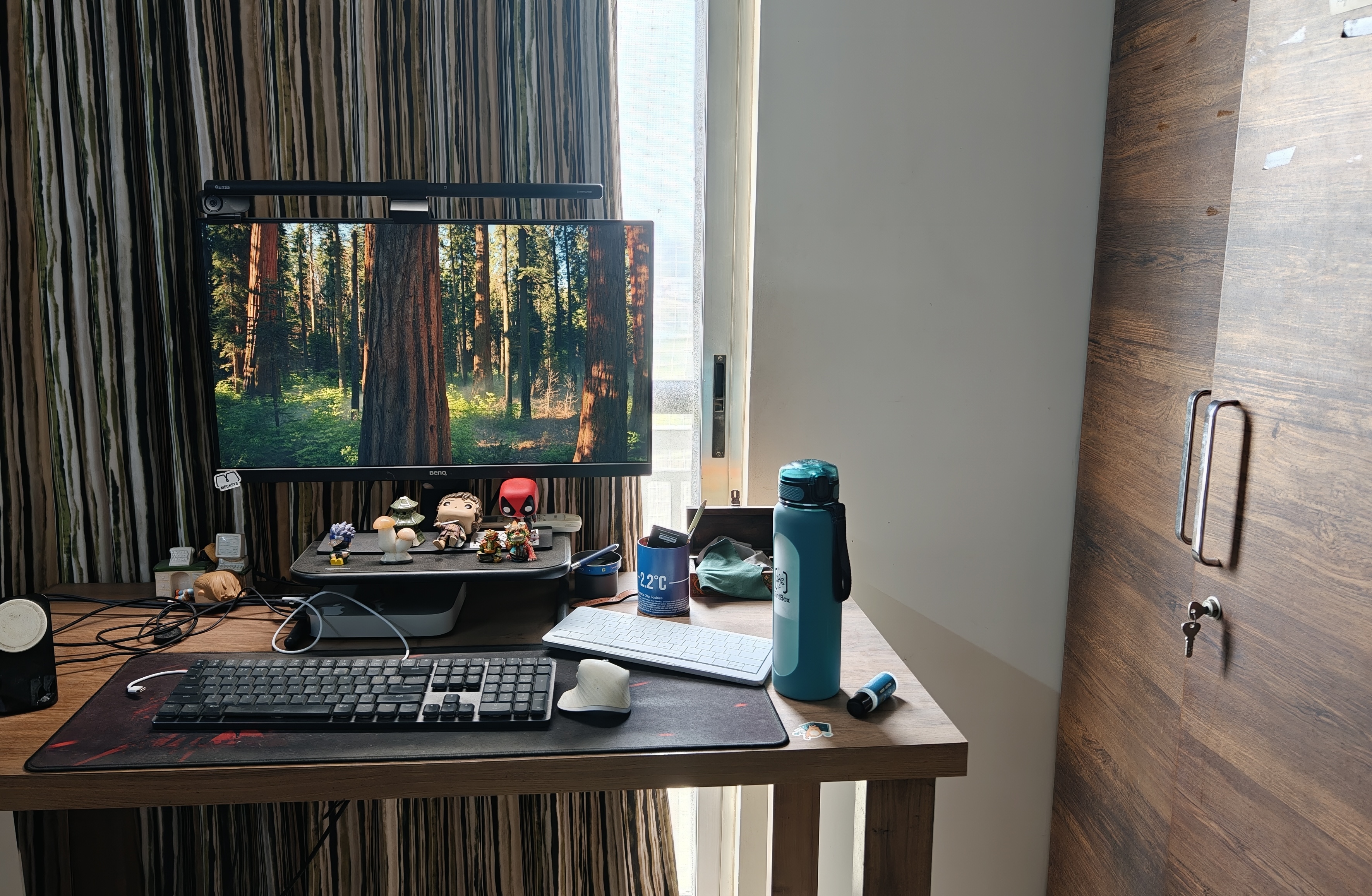
The difference in each phone’s colour science also shows up in ultra-wide pictures. However, the Pixel 10 Pro has a more capable ultra-wide lens, which captures details around the edges particularly well. On the Oppo, objects on the ultra-wide shot’s borders appeared, at times, blurred or out of focus.
Which delivers better zoom photos?
The Pixel 10 Pro offers a variety of telephoto focal lengths for you to choose from: 2x, 5x, 10x, and up to 100x magnification, with the help of a physical telephoto lens, lossless crop, and Generative AI. The Find X8 Ultra, on the other hand, has two optical focal lengths: 3x and 6x, thanks to a pair of telephoto lenses as opposed to the Pixel’s singular. Plus, it can reach a maximum of 130x zoom using AI.
At their optical zoom lengths (5x for the Pixel and 3/6x for the Oppo), both phones do an excellent job of producing sharp and vibrant close-up shots. The Pixel tends to struggle in complex lighting, resulting in, for example, a tad washed-out colours under direct sun.
Case in point: the trees next to the building in the comparison lack colour. The Oppo’s combination of multiple telephoto and spectral sensors, in comparison, enables it to capture a more consistent depth and dynamic range in its shots.
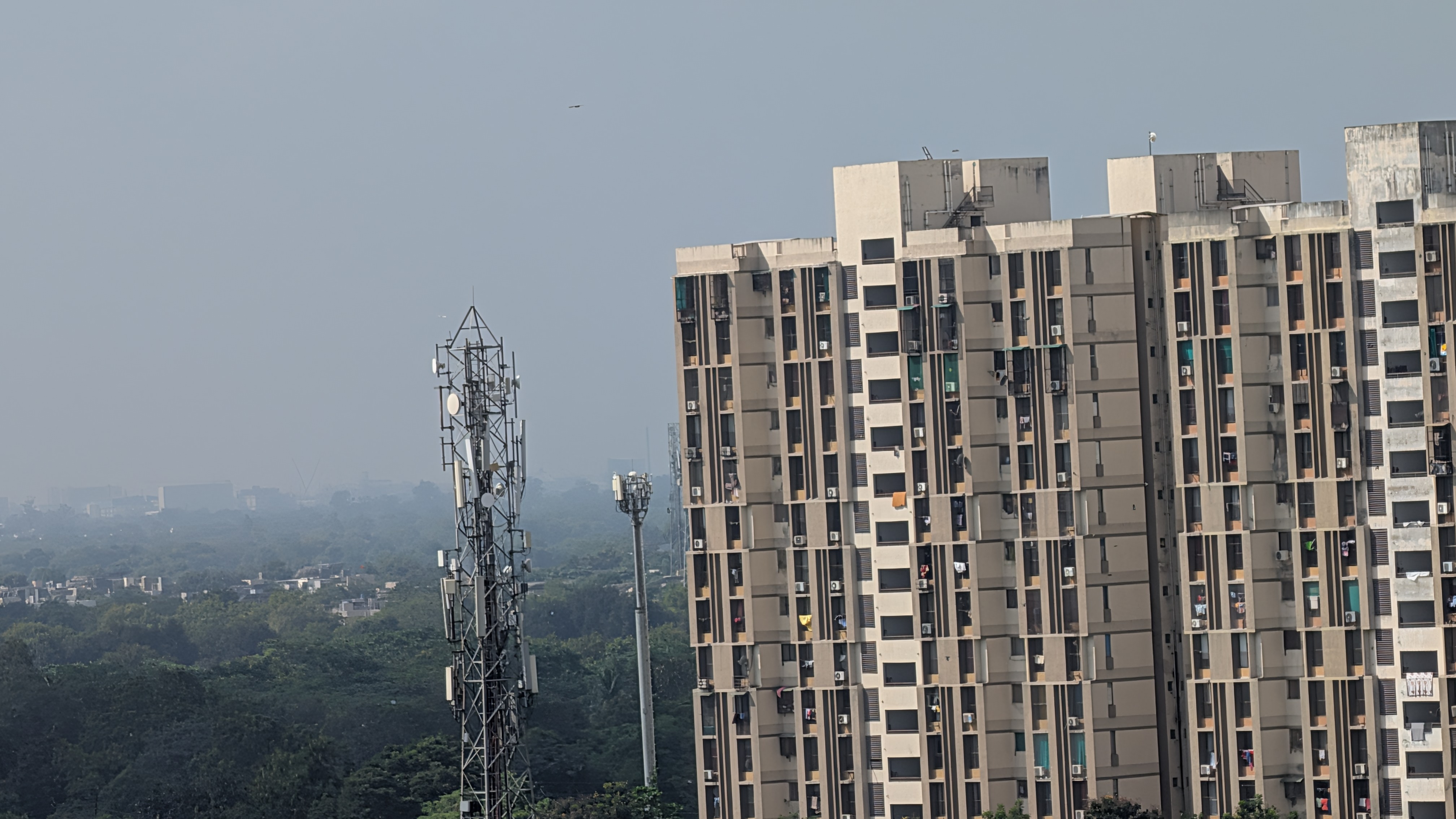
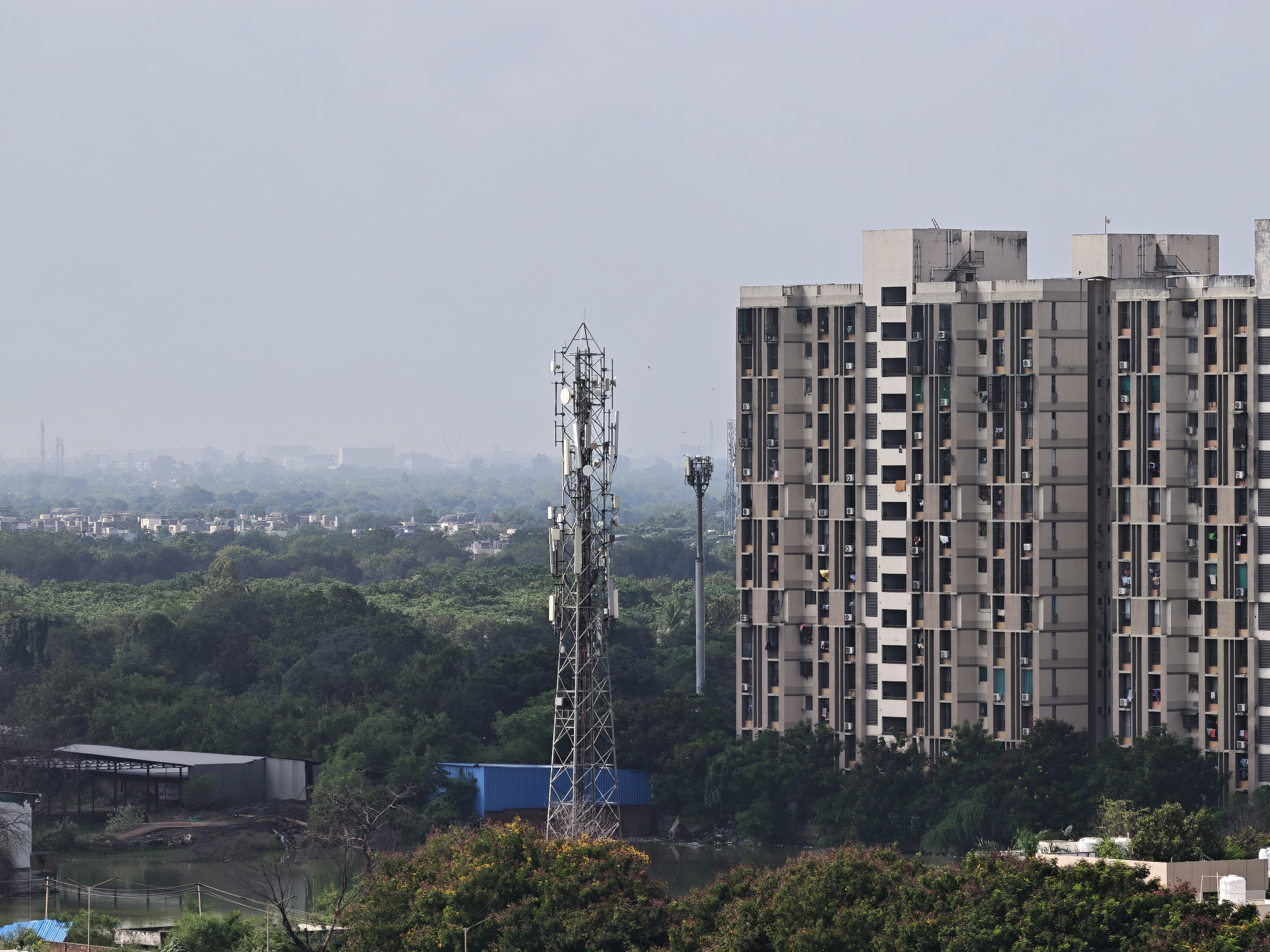
Outside of the optical lengths, the Pixel’s zoomed-in shots, in particular, often lack sharpness and accuracy. The Oppo does a little better, leveraging its additional telephoto lens to record more details and light. For 100x zoom, the Pixel’s AI can recreate static foreground objects like the network tower underneath, but fails to capture everything around it, unlike the Oppo, which does both to an extent.
How do they compare in low light?
Any smartphone camera’s true strength lies in its ability to capture a low-light scene. Throughout my testing, the Pixel 10 Pro and the Find X8 Ultra turned out to be two of the best in this space with their large sensors and dedicated night modes.
While both can click high-quality low-light photos and videos, Oppo’s X8 Ultra occasionally overcompensates for the lack of details by turning up the exposure. This leads to shots that appear much brighter than they are in real life.
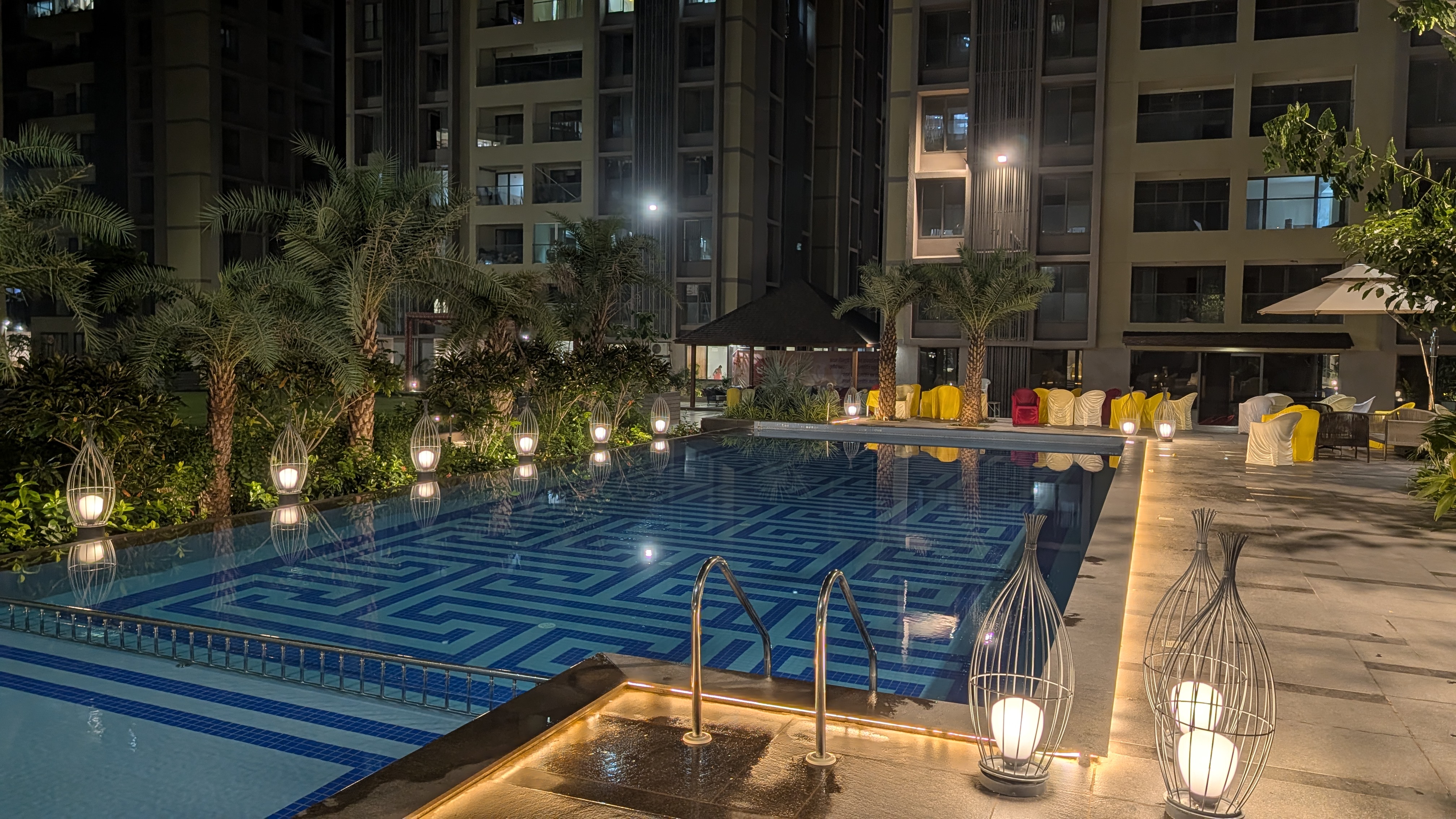
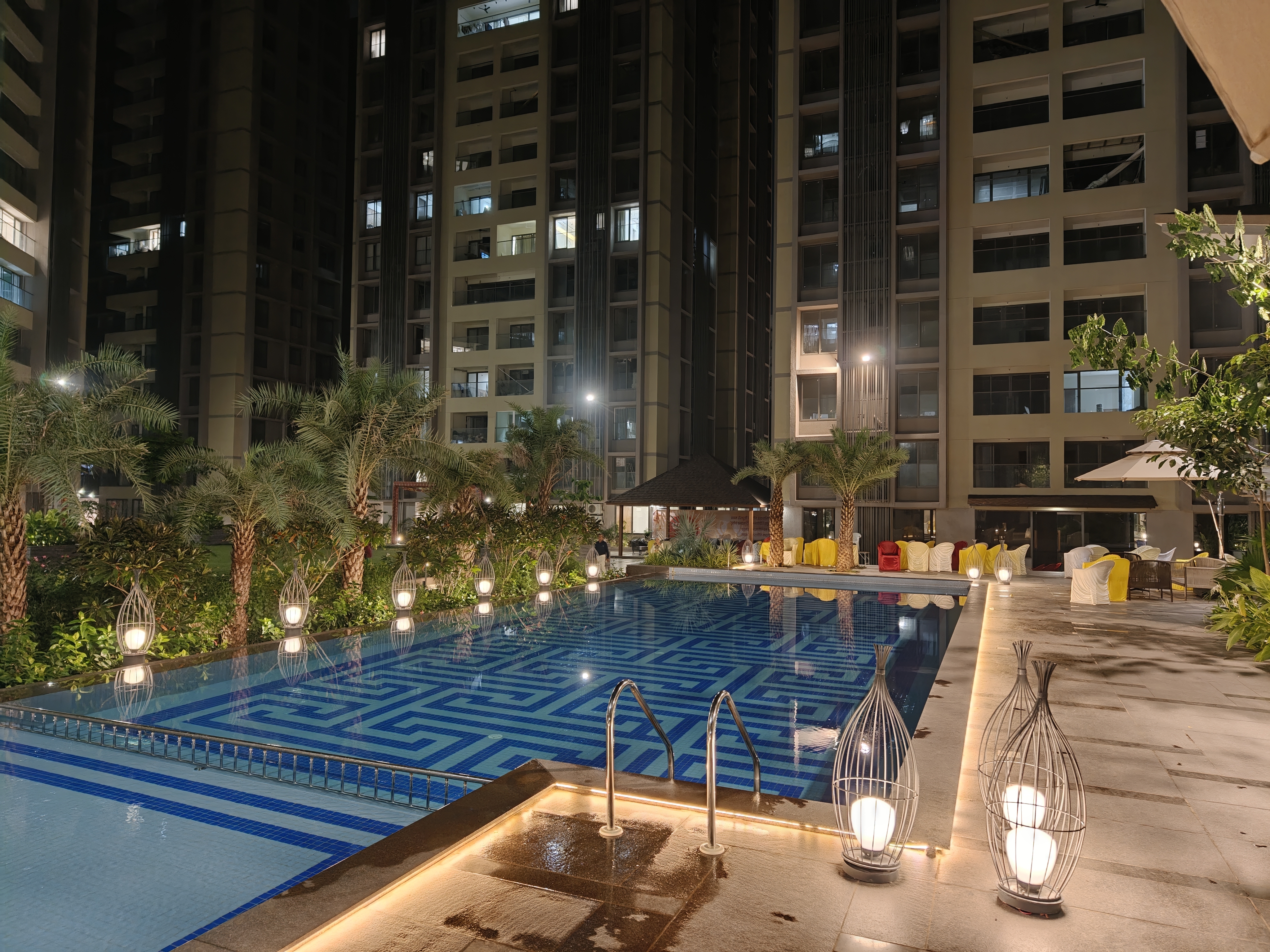
In these conditions, the Pixel’s superior HDR shines and allows it to shoot more authentic pictures featuring much less noise and grain in the darker portions of the scene. In the swimming pool shots, the Oppo has over-exposed so much so that the palm trees appear light green even though they are actually much darker.
Which captures better portraits?
Out of the box, the Pixel 10 Pro defaults to a more favourable 2x crop, while the Find X8 Ultra goes for the 3x, which often required me to move much further back from the subject, and added in more background than I would have liked. Moving in closer did, at times, end up in a blurry portrait.
Nevertheless, when the focus is on point, the Pixel’s HDR does a better job at balancing the level of sharpness and exposure. Against bright backgrounds, the Oppo especially struggles and produces an underexposed shot. Both phones’ algorithms, however, usually got the edges nearly perfect and didn’t struggle with tricky objects. The shutter speed is quick, too, in case you are trying to capture a child or a pet.


Which has selfie supremacy?
Oppo’s selfie camera is slightly wider and can fit more people. Like the rear shooter, it can boost the highlights more than the shadows, typically leading to softer tones and, at times, more pleasing selfies.
The Pixel 10 Pro, on the other hand, puts the onus on the details and ensures everything in the frame is clearly visible. That means more dramatic and darker, albeit accurate pictures. In the Pixel selfie below, for example, you can even make out the crinkles in my shirt.


How do they compare for video?
Both the Pixel 10 Pro and the Find X8 Ultra depend on a series of software tricks to ensure your videos have enough depth and are stable, no matter the activity, and it shows. 4K clips I recorded on them were quick to re-focus on scene changes and maintained the dynamic range throughout.
The Oppo doesn’t, however, get warm as quickly as the Pixel, and retains original colours even under challenging lighting conditions. At nighttime as well, Oppo’s videos were cleaner and featured less noise.
The Pixel does have a more exhaustive video-editing toolset. I found its Audio Eraser, in particular, impressive. It can isolate different sounds, like voice and nature, so that you can instantly crop out certain audio from the video while keeping the rest.
Which camera phone is better overall?
While both the Pixel 10 Pro and the Find X8 Ultra come equipped with capable cameras, their approach to most scenarios varies so much so that they will cater to different audiences.
The Pixel 10 Pro sticks to the “Pixel look,” producing high-contrast and HDR-heavy shots that highlight even the most minute details, irrespective of the environment. Although its hardware isn’t the most spec’d-out, its AI editing suite is the best of the lot and allows you to customise your shots however you want.
See more samples from the Pixel 10 Pro in the gallery below:








The Find X8 Ultra is packed with top-of-the-line hardware you wouldn’t find on the majority of phones, and its results come closest to rivalling professional cameras. That said, Oppo’s algorithms can be overwhelming at times and unnecessarily boost frames. Its photography experience, though, is further complemented by the dedicated iPhone-like shutter button, which lets you access a whole lot of controls without fussing with the touchscreen.
More photos from the Find X8 Ultra can be found below:





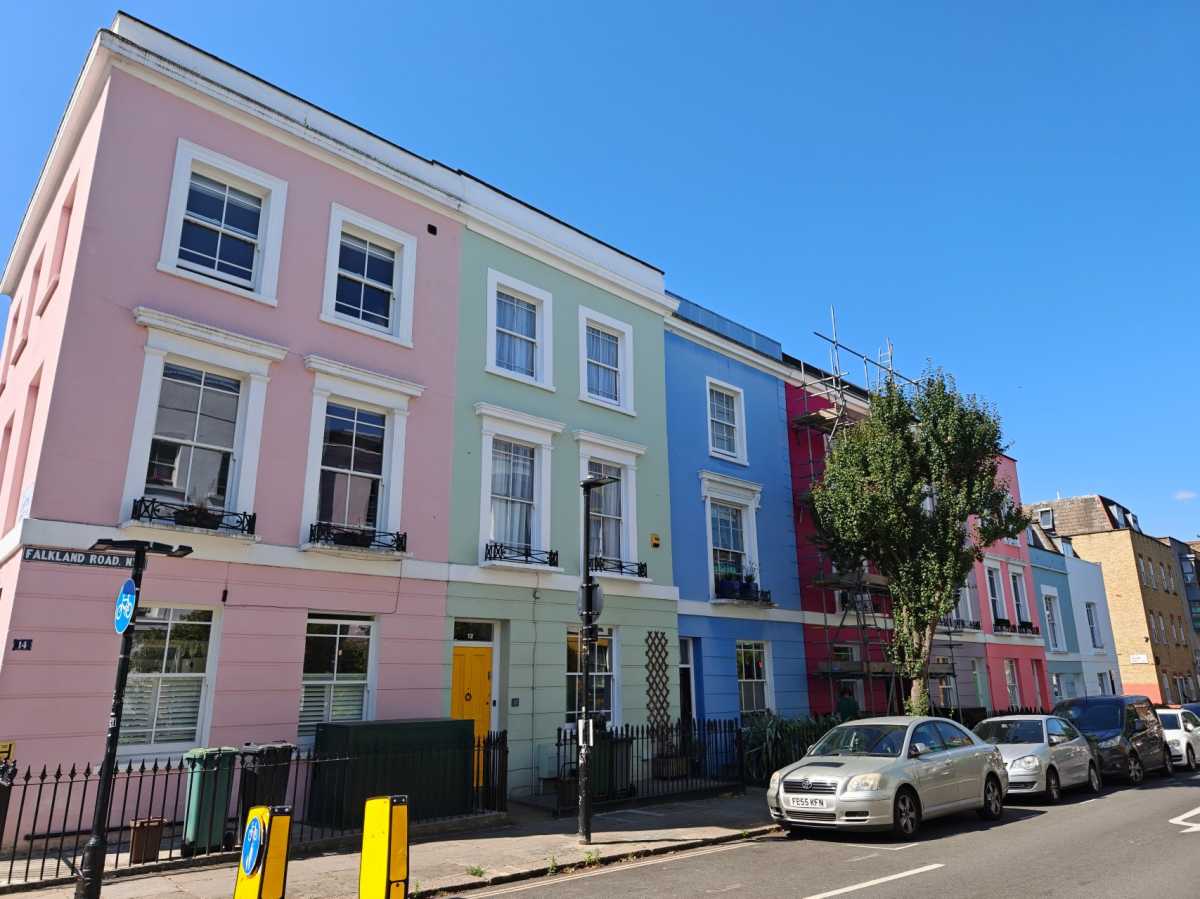


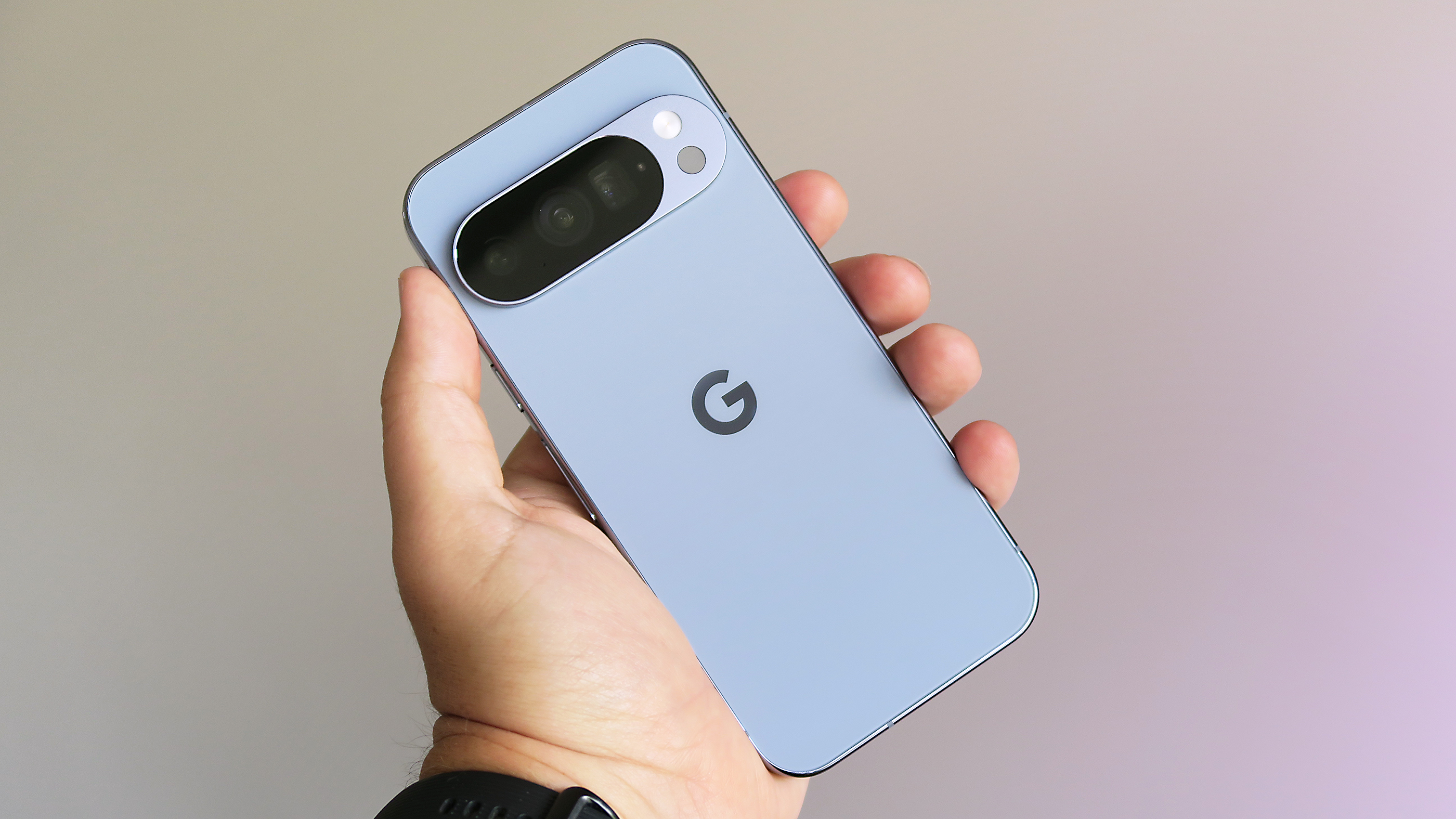
Ultimately, your decision may depend on availability. In both the UK and the US, the Find X8 Ultra isn’t available. Unless you’re willing to risk importing one, the Pixel 10 Pro is a much easier option. See below for options on where to buy.


If availability isn’t an issue, I’d recommend choosing the Pixel 10 Pro for:
- Low-light photography
- AI enhancements
- Portrait mode
And go for the Find X8 Ultra if these are more important:
- Professional camera experience
- Video recording
- Telephoto photography
But it’s really splitting hairs. Both are among the best camera phones you can buy, pushing the boundaries of what’s possible in a smartphone.
Link do Autor