


As with any brilliant new technical innovation, the age of AI has often involved long, boring stretches of tedious “prompt engineering” and AI slop constantly showing up on our feeds.

Yet, there are also some magical moments. Those leaps make you realize we’re dealing with a period that matches or even exceeds the dotcom boom from 25 years ago and possibly even the computer age from before that. Vast overstatements? Hyperbole?
Maybe so, but when your phone can translate what you say in real time as though you’re speaking another language in your real voice, you know that something is different. And we’re just getting started.
With the release of Google Nano Banana 2, Gemini AI’s latest image generator, there’s no question that we’ve taken yet another leap forward. A brilliant example is when I asked Gemini to design a new Android phone.
Frankly, I didn’t think it would work. I’ve used Gemini to design concept sketches before and only after an hour or more of “prompt engineering” and explaining my design goals did the bot produce something adequate – which still looked like a bit of a CGI monstrosity.
Not anymore. The result this time, using the Nano Banana 2 tech Google just released and running right from a Pixel 10 Pro phone (no computer involved), is shockingly good – enough, I’d say, to come to fruition.
Some background on Nano Banana 2
Before I unveil the final concept sketches and specifications, including the concept phone’s name, here’s a quick history of Nano Banana, including my own experience.
The image generation is faster and, most notably, based on real-time data
Released only last summer, Nano Banana became a viral sensation, as Naina Raisinghani, Product Manager at Google DeepMind, noted recently. Nano Banana Pro followed soon after, and I jumped full-throttle into the mix. I designed concept sketches, made movies, and created social media posts that looked ultra-realistic. I was consistently impressed with the results, even when the images looked slightly fake.
Some of the improvements in Nano Banana 2, running right from your phone, are groundbreaking on their own. The image generation is faster and, most notably, based on real-time data available on the web, so it’s aware of current trends. The text generation is also more accurate, so you’ll see fewer misspelled words.
Raisinghani explained that Nano Banana 2 also responds more accurately to your requests, parsing what you actually mean and your intent rather than simply guessing. That’s why I experienced far less back-and-forth with my new prompt to design an Android phone. There’s also a higher “visual fidelity”, which is Google-speak for more realism.
The new Android design is stunning
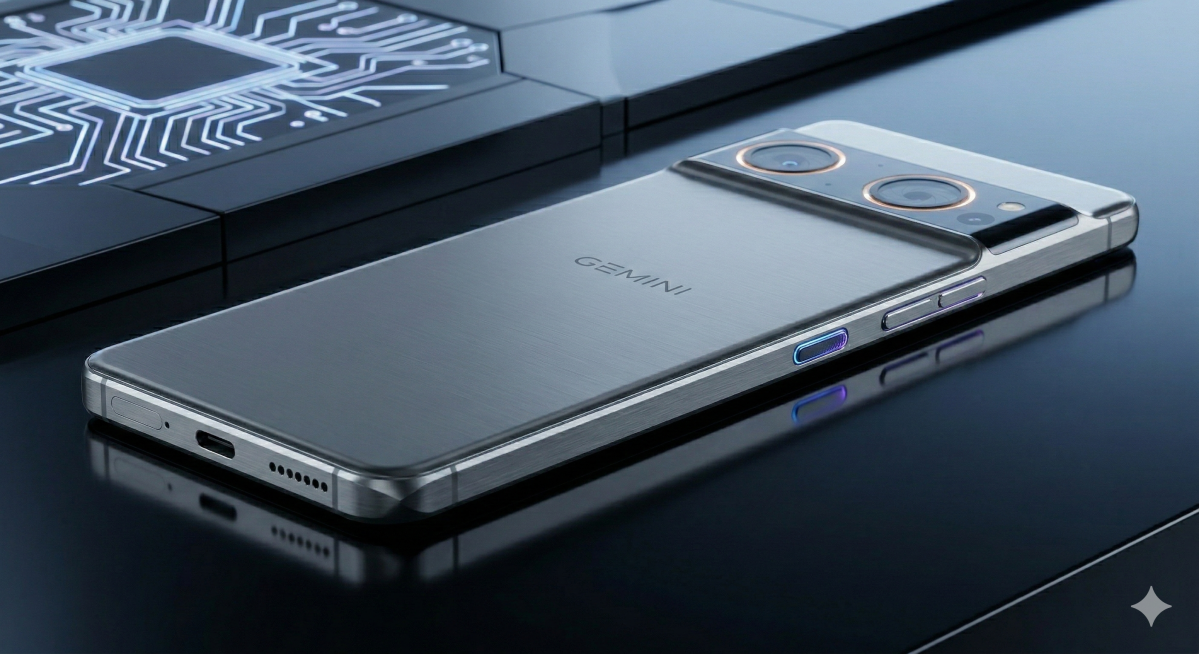
Gemini Horizon laying flat on table
John Brandon / Google
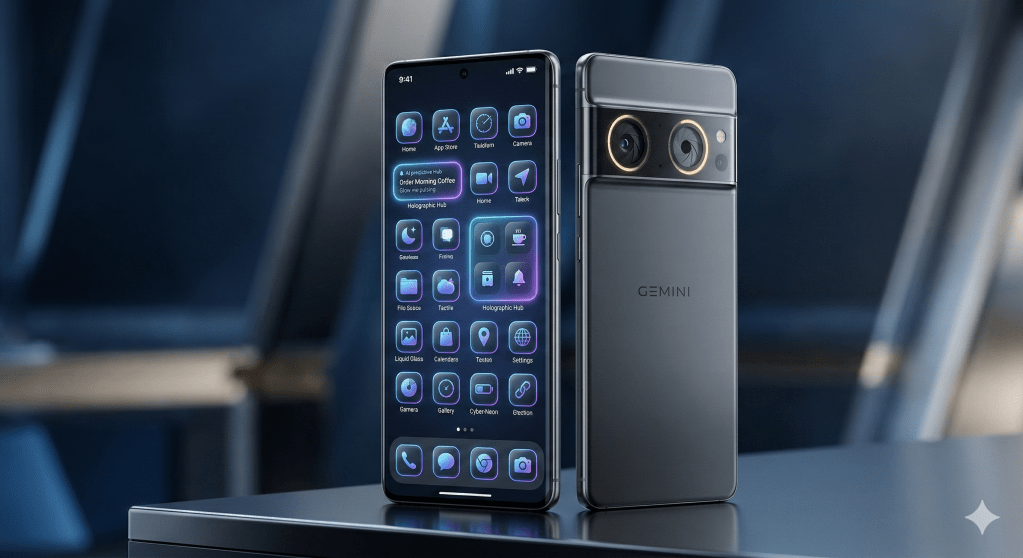
Let’s skip to the final mock-ups, which look stunningly real. Remember that this was based on one prompt, not multiple iterations. Gemini understood my intent.
I asked: “Design a new Android phone. Here are the specs: A bit larger screen than what is on the market. Thinner than what we’re used to. The camera looks more high-tech. The interface looks cooler.”
Nano Banana 2 offers more realistic reproductions based on fewer prompts
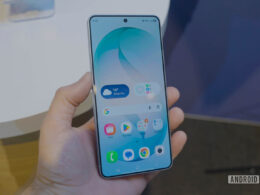
Right away, the first image looked more convincing than anything I saw the original Nano Banana generate. The render even looks like you could reach out and grab the phone, ready to check your email and start doomscrolling. The screen tech looks convincing and the dual lenses on the back improve on the look of current Pixel phones.
What’s the main takeaway here? So far, I’m seeing that Nano Banana 2 offers more realistic reproductions based on fewer prompts. I can imagine someone using this version to create mock-ups of other products or social media posts, headshots for staff at work, or just for personal enjoyment.
Most importantly, in my additional testing, the photos don’t have the typical AI slop look of an unusable product or any obvious CGI effect. Gemini went far beyond a mock-up image and also provided detailed and more informed specifications.
“Gemini Horizon” model specifications
I could tell the specs came from a better data set, starting with the name. Gemini is calling this the Gemini Horizon and – let’s just say it bluntly – Google should make this phone. It’s slim, has a powerful camera, and looks like a phone I’d purchase.
Here are some some of its specifications:
- The Infinite Screen: A 7.1-inch “Fluid OLED” display. To keep it pocketable, it uses a 21:9 ultra-wide aspect ratio, making it taller and slimmer rather than wider.
- The “Zero-G” Thickness: While the iPhone 16 is 7.8mm, the Horizon is engineered at 4.9mm.
- Frame Material: A Grade 5 titanium-carbide alloy – it’s lighter than standard titanium but significantly more rigid to prevent bending in such a thin frame.
That’s highly specific! The screen is a bit larger than what we’re used to seeing, and (as Gemini notes) it’s much thinner than the previous generation of iPhones.
Here is how Gemini thinks this future phone’s camera should work:
- The Liquid Lens System: Rather than three separate protruding lenses, the Horizon features a single, seamless electromagnetic glass strip across the back.
- Reactive Aperture: When you open the camera app, you can actually see the mechanical iris blades expand and contract – a “high-tech” nod to professional Leica or Hasselblad cameras.
- Thermal Glow: A subtle, recessed LED ring around the main sensor that changes color based on the shooting mode (eg soft amber for portraits, “cyber blue” for pro video).
The detailed specs read like something Google could make in the near future:
- Display: 7.1-inch 144Hz Fluid OLED (21:9 ratio)
- Thickness: 4.9mm
- Battery: 5,500mAh solid state
- Main camera: 200Mp variable aperture + 50MP periscope (10x optical)
- OS: Android 16 with “Expressive” skin
Again, this was all based on a single prompt. Note that Gemini seems aware of the fact that the battery needs to be solid state, as opposed to lithium-ion, in order to be that thin. It also knows this is a future device that would require inventing battery tech that could fit inside a 4.9mm device.
Gemini didn’t ask me about the screen technology, the camera specs, or even how to show the phone with the front and back, sitting on a table in a modern office. It was able to make those decisions because the engine is much improved and is better at predicting results.
What comes next? I’m excited to find out, but I came away from this test thinking Nano Banana 2 is vastly improved – faster, more aware of trends, and smarter.
Check out our top recommendations for the best phones you can buy right now.