
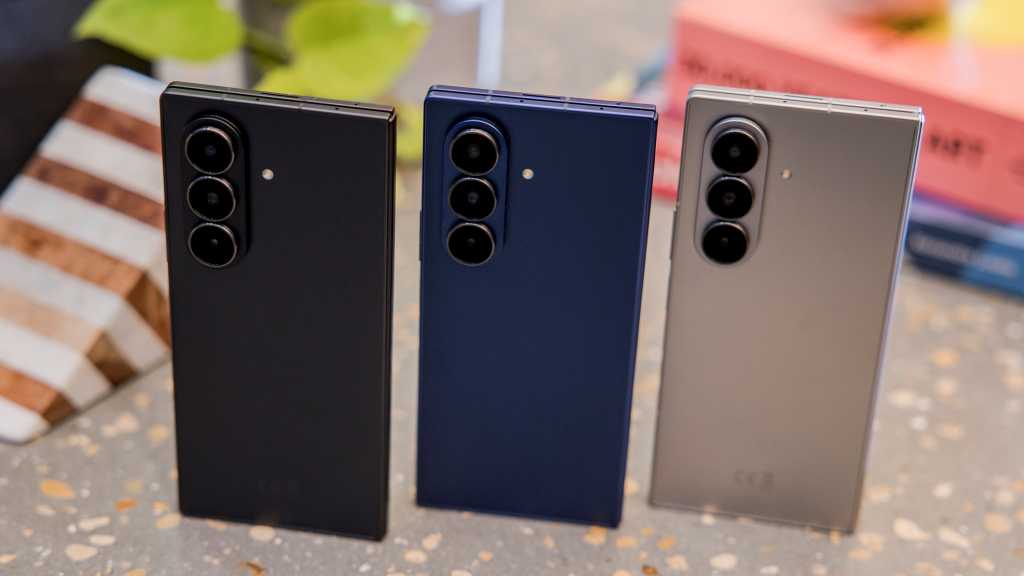
After debuting its all-new Galaxy S26 range with a notable price bump over last year’s S25 crop, Samsung is now looking to increase the cost of other Galaxy phones.
The Samsung Galaxy Z Fold 7 (above), the Galaxy Z Flip 7 and the divisive Galaxy S25 Edge (below) are all set for price increases in South Korea from today, according to a new report. The 512GB models of these phones will supposedly rise by KRW 100,000 (£50/$66) while the 1TB models will go up even more by KRW 200,000 (£100/$133)
There’s no word yet if other territories will match the price increases in Korea, but it wouldn’t be too surprising given that the higher cost of the Galaxy S26 range was initially rumoured as something that would only affect Samsung’s home market, but would eventually follow the new phones worldwide.
Now, the starting price of the S26 sits at £899/$899, £40/$40 more expensive than the equivalent 256GB Samsung Galaxy S25 went for at launch. Elsewhere, the mid-range Galaxy A57 has also gone up in price to £529/$549, with only the Galaxy A37 avoiding an uptick.
Not the first, probably not the last
It’s an unfortunate situation, but one that isn’t without precedent as continuing economic turmoil and the cost of living crisis have driven up the price of many existing devices over the last few years.


Anyron Copeman / Foundry
Only last week, Sony announced that it would be increasing the price of the PS5 yet again, something that it’s already done a handful of times since the console came out in 2020, and we previously heard from the likes of Oppo and OnePlus about price hikes on existing handsets.
The ongoing RAM shortage driven by increased investment in AI is the main cause, and we expect other companies to follow in Samsung’s footsteps over the coming months, or find ways to mitigate these costs.
The recent Pixel 10a handset feels like a byproduct of the current economy, as it’s a very minor change on the Pixel 9a, most notably carrying the same Tensor G4 chipset though it’s one of the only phones so far in 2026 to come in at the same price.
The same goes for the new MacBook Neo, which uses an existing A18 Pro iPhone chipset that’s easier to produce, and allows the brand to ship the laptop at a lower price to consumers at a time when value is key.