
At a glance
Expert’s Rating
Pros
- Stylish metal design
- Excellent display
- Unique UI
- Versatile camera system
Cons
- Far more expensive than 4a
- Glyph system not always useful
- Limited software support
Our Verdict
The Nothing Phone (4a) Pro is a sharp looker with a fine display, a flexible camera system, and a uniquely appealing UI. As a direct alternative to the likes of Apple, Google and Samsung, it’s great to see something truly distinct. However, with a price that’s far in excess of the Nothing Phone (4a), and many shared specs, the value proposition isn’t as impressive.
Price When Reviewed
This value will show the geolocated pricing text for product undefined
Best Pricing Today
Price When Reviewed
From $499
Best Prices Today: Nothing Phone (4a) Pro


Nothing’s decision not to release a flagship phone in 2026 should be viewed through the lens of a challenging market and spiking component prices. It should also draw extra attention to the London-based brand’s new premium mid-range offering, the Nothing Phone (4a) Pro.
With a bold new design, improved performance, a reasonably well-rounded camera, and one of the most bracingly distinctive UIs in the business, it’s a phone that might make you question why you’d need a flagship model in the first place.
However, we can’t get away from the fact that it’s by far the most expensive phone we’ve ever seen from Nothing’s A-series – starting at £499/$499. More to the point, it’s significantly pricier than the finely balanced regular Phone (4a).
Nothing’s lead mid-ranger may be stretching out and trying new things in the absence of pressure from above, but how about that value proposition?
Design & Build
- Looks completely different to (4a)
- Unibody metal design with transparent camera module
- Glyph Matrix from Phone (3)
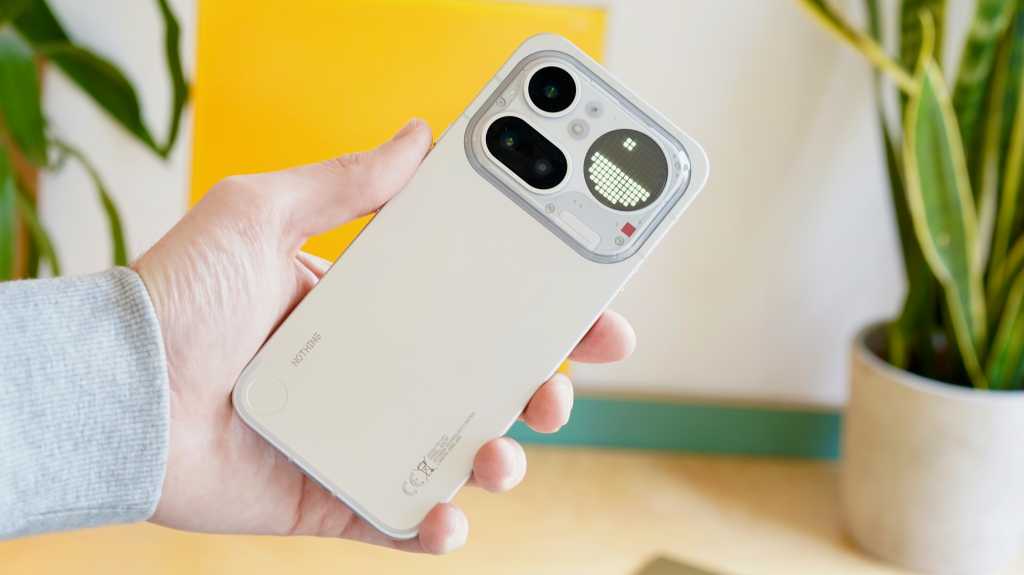
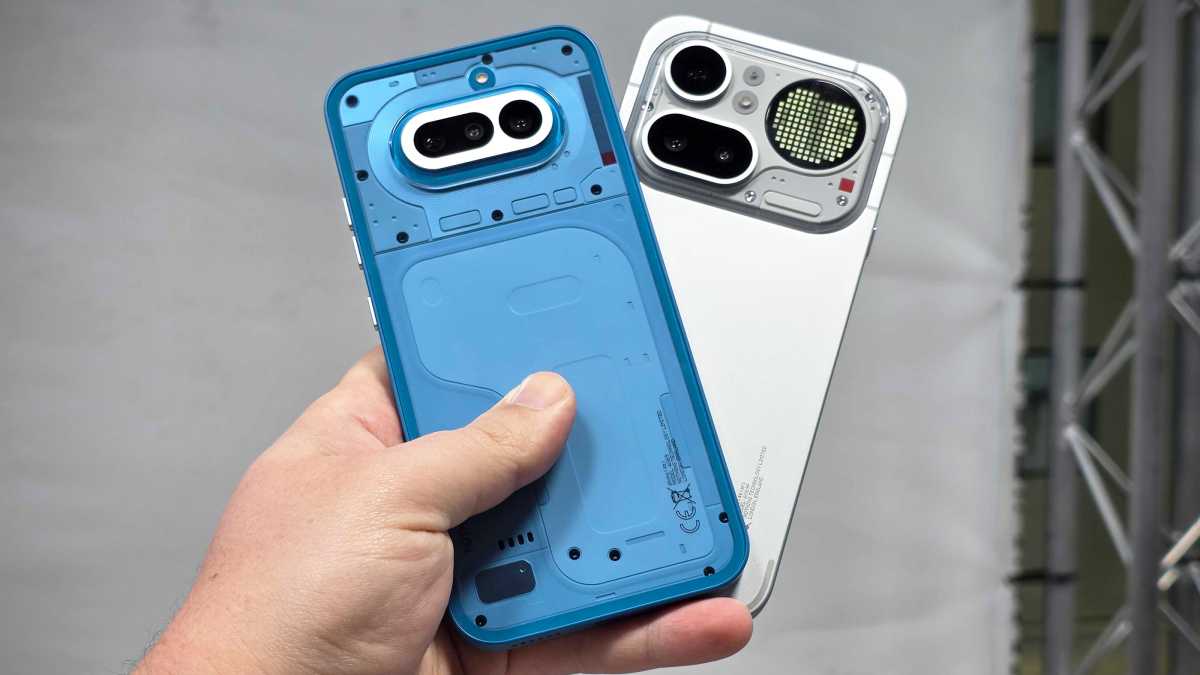
The biggest sign that Nothing might have learned its lesson from the Nothing Phone (3a) series is with the Nothing Phone (4a) Pro’s design. It doesn’t look very much like the Nothing Phone (4a) at all.
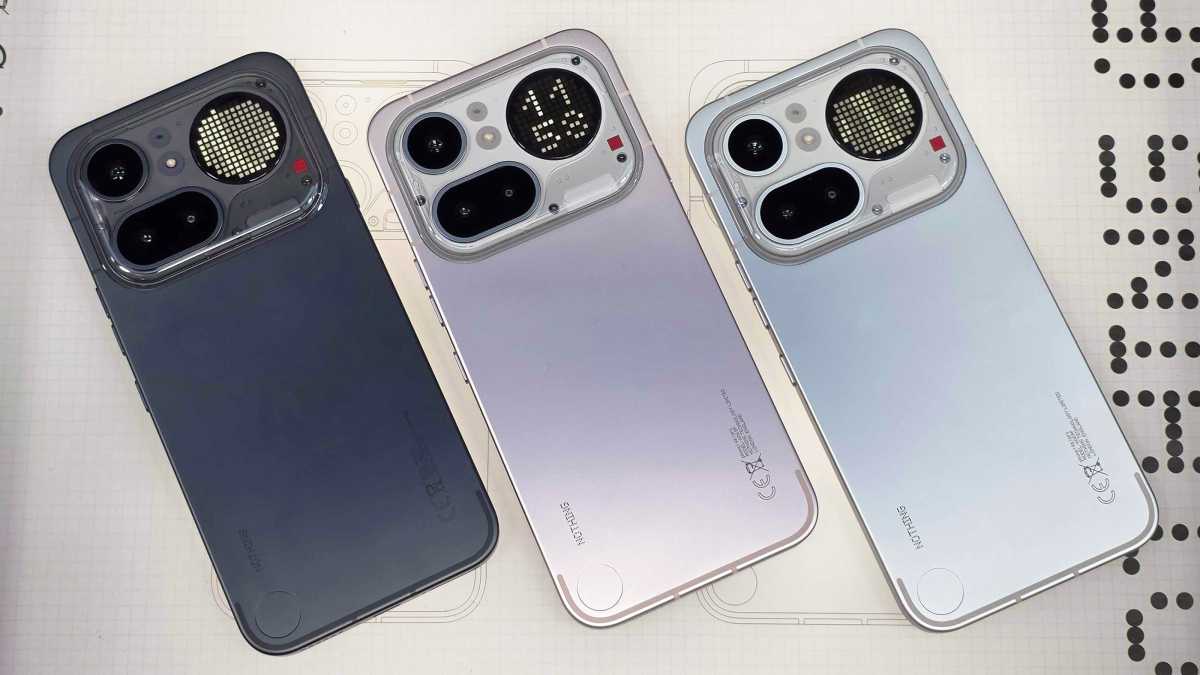
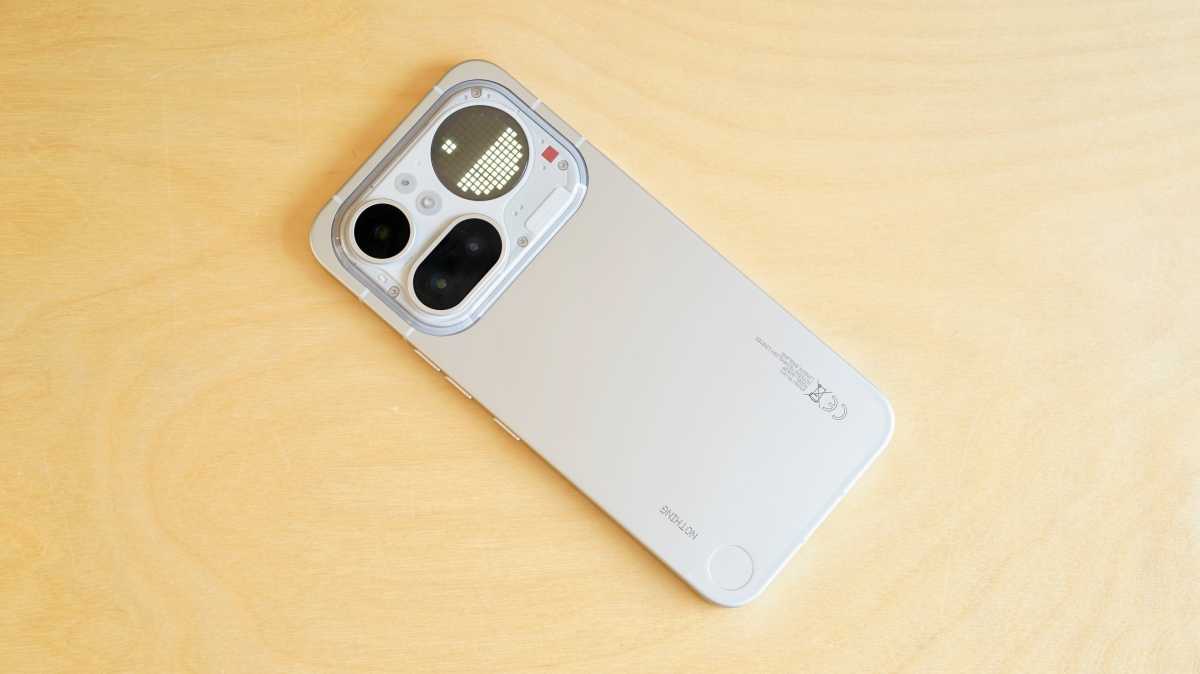
Almost all of the ‘Nothingness’ is stashed in the (4a) Pro’s camera module, which takes on a rounded semi-transparent look that speaks to the company’s Nothing Ear earbuds cases as much as to its previous phones.
The rest of the Pro’s body carries glimpses of the post-iPhone 12 design consensus, with a flat rim and a mostly featureless back. Even here there are a couple of Nothing flourishes, however, with a unibody metal body (compared to the non-Pro model’s plastic and glass) and a subtle circular divot in the bottom left-hand corner of the rear.
These LEDs can combine to supply various context-sensitive animations and images in striking fashion

Foundry | Alex Walker-Todd
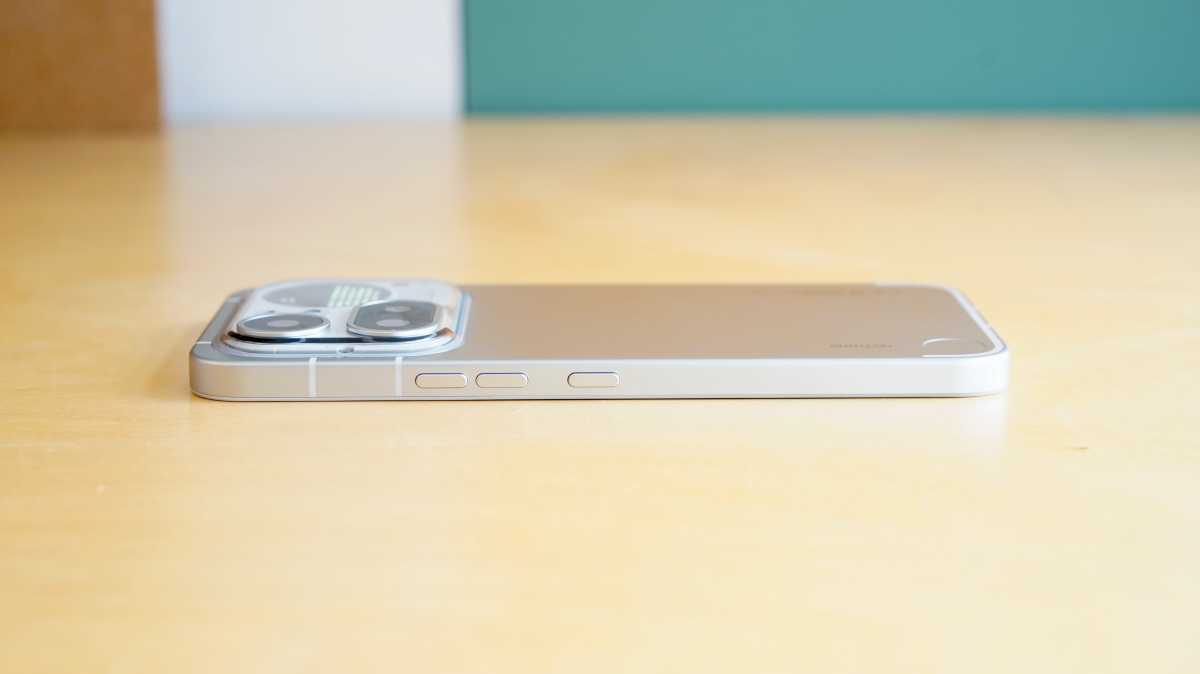
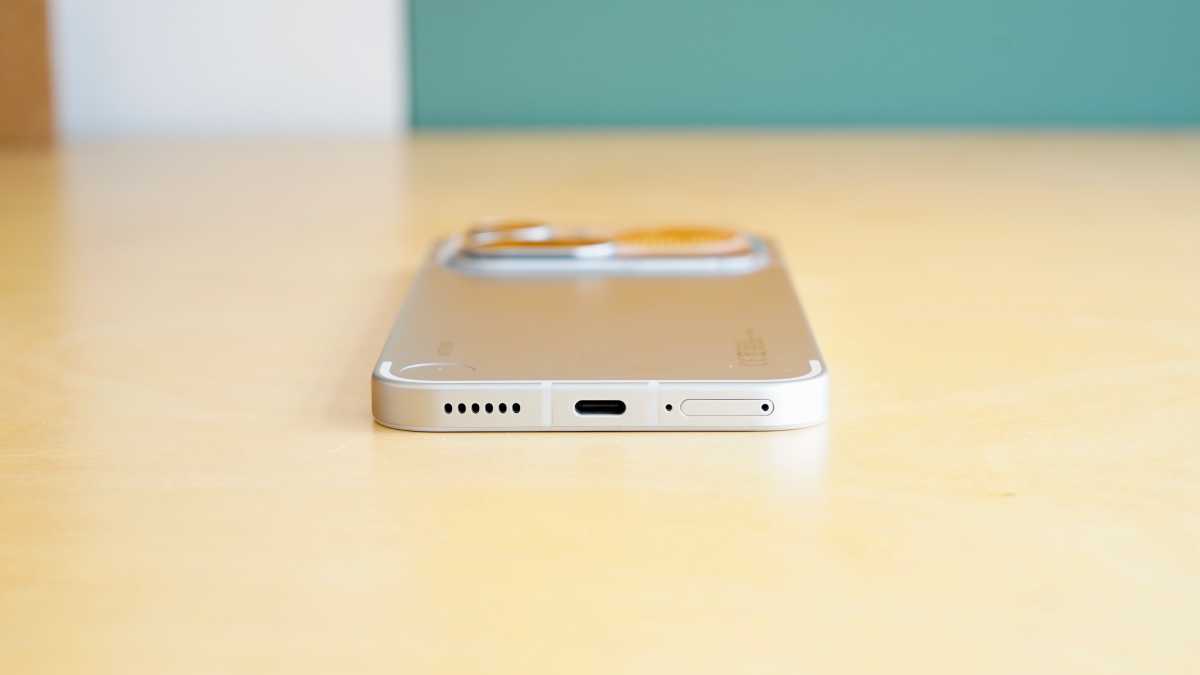
Together with a 7.95mm thick chassis (making it the thinnest phone Nothing has ever made) and a hefty 210g weight, it feels reasonably premium. An IP65 water resistance rating falls short of the Google Pixel 10a, but Nothing says that the phone has been tested with full submersion in up to 25cm of water for up to 20 minutes.
Another design element that somewhat speaks to the Nothing Phone (4a) Pro’s less-than-flagship nature is a noticeable plastic barrier strip that separates the metal unibody from the flat Gorilla Glass 7i display. It not only looks a little cheap, but it leaves a pronounced edge that you can feel when you run your thumb down the side of the phone.
My Grey model is possibly the drabbest of the three shades on offer – Black and especially Pink make more of a statement – but I’d still count myself a fan of the Pro’s new look.
Jon Mundy / Foundry
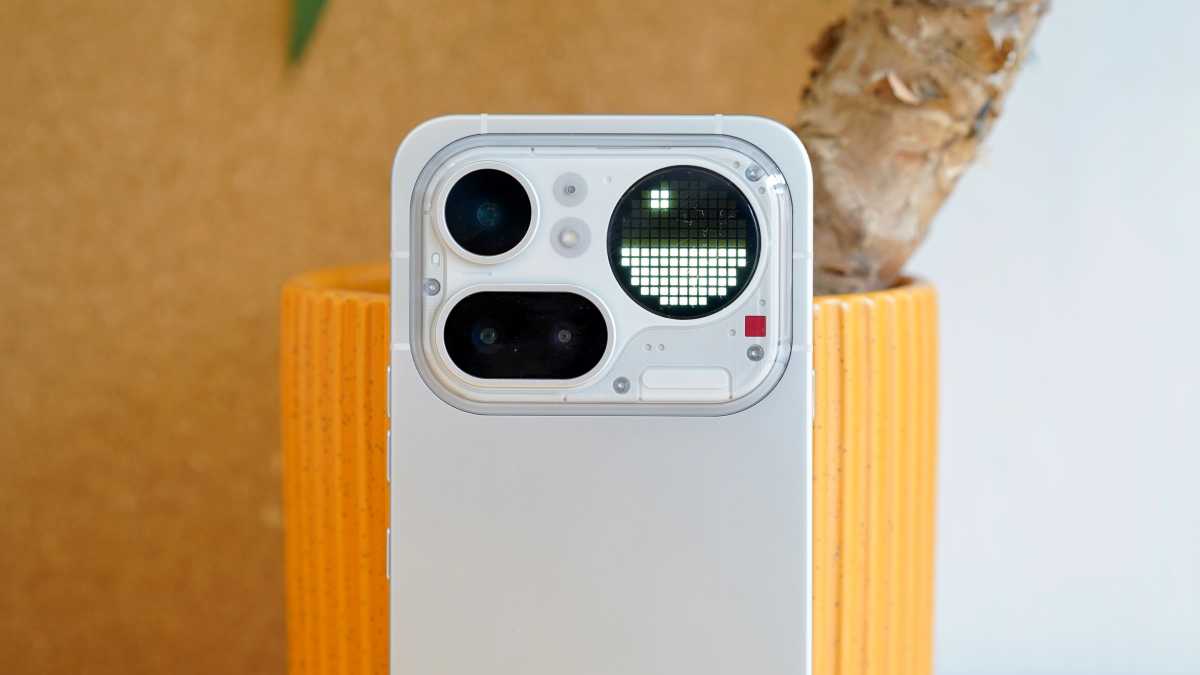
Besides the signature Nothing red square motif, the so-called Glyph Matrix is what will inevitably draw your eye on that transparent camera module. Lifted from the Nothing Phone (3), this simplified circular display is made up of 137 mini-LEDs, which is fewer than before. However, they take up a 57% larger area overall, while they output at double the brightness.
These LEDs can combine to supply various context-sensitive animations and images in striking fashion. Essential Notifications will place a unique permanent image on the display for bespoke incoming alerts. These can be as simple as a missed call from a favourite contact, or you can create new multi-layered rules (when an Instagram notification mentions the word ‘Birthday’, for example).
Glyph Toys, meanwhile, take the form of four always-on animations: a digital clock, a battery indicator, the position of the sun, or the current moon phase. There’s no Glyph Button on the back of the phone this time around to navigate its function, and there really didn’t need to be.
Jon Mundy / Foundry
I also like the option to activate various notification states while the phone is face-down, such as revealing an incoming caller ID when you jiggle the phone. Indeed, perhaps the biggest flaw with Nothing’s Glyph Matrix is that it requires a ‘face-down’ approach when the phone isn’t in use – something I’m inherently averse to doing thanks to the threat of screen scrapes.
Nothing has also rethought the positioning of its Essential Key, which was added with the Nothing Phone (3) series as a shortcut to the Essential Space function (more on that later). It’s now in a much more sensible location on the opposite edge to the power key, with the volume buttons going in the opposite direction, which feels much cleaner.
Foundry | Alex Walker-Todd
Screen & Speakers
- 6.83-inch AMOLED display
- 1.5K resolution and 144Hz refresh rate
- Stereo speakers
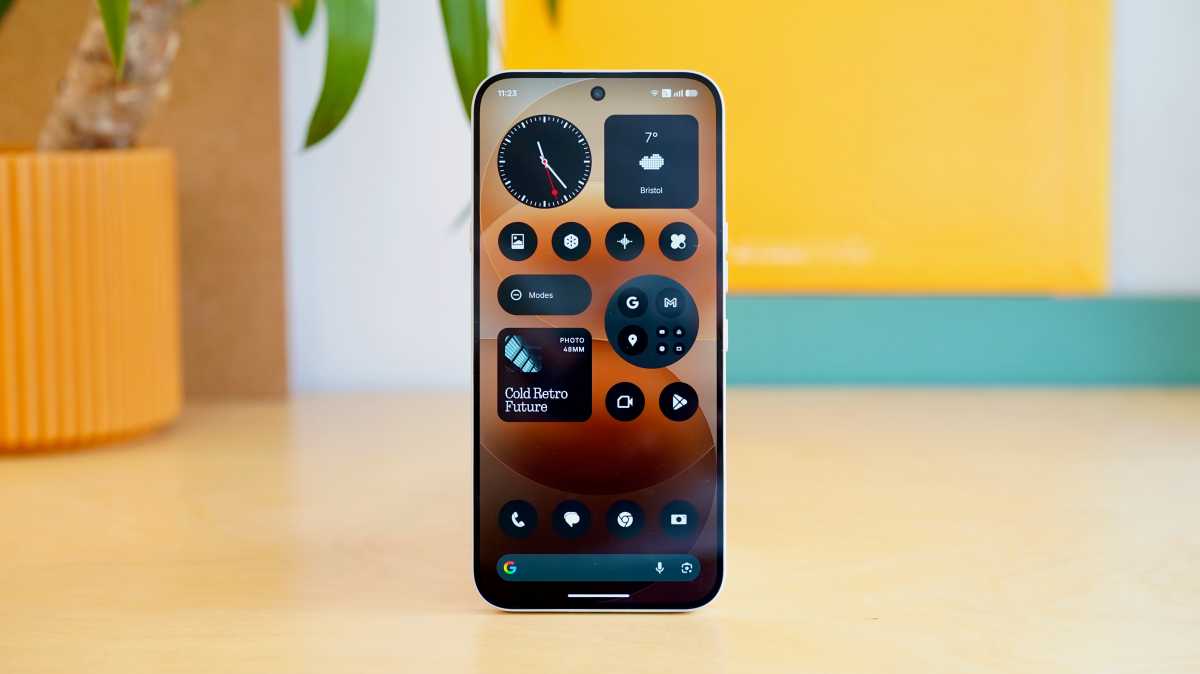
Nothing has really upped its game in the display department. The Nothing Phone (4a) Pro screen is bigger, sharper, smoother, and brighter than that of its predecessor.
This huge 6.83-inch AMOLED packs a 1.5K resolution, and it uses every one of those pixels out of the gate – you don’t need to activate it manually, like with the Samsung Galaxy S26+ or S26 Ultra.
It also gets to 144Hz, which is unusually fluid for a phone at any price. As ever, I’m a little hesitant to hand out praise for a spec that you probably won’t notice or utilise. Especially when it’s in a phone that isn’t capable of running high-end games at peak frame rates, which is generally the main use case for such a provision.
bigger, sharper, smoother, and brighter
Jon Mundy / Foundry
Talking of gaming, Nothing has amped up the vital touch sampling rate to a rapid 2,500Hz, which should render those inputs more responsive.
It’s worth mentioning that this is an LTPS panel, not an LTPO, which means that it isn’t so efficient that it can scale right down to 1Hz when the screen is static.
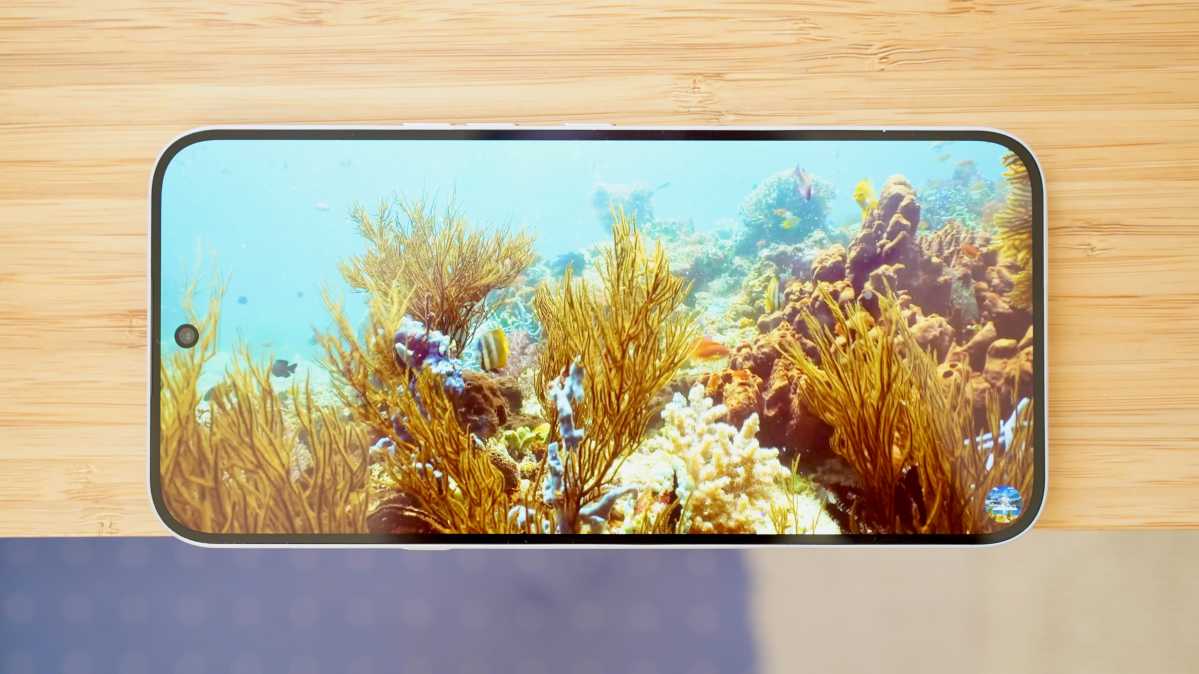
Far more beneficial is the Phone (4a) Pro’s bolstered peak brightness of 5000 nits, which makes it Nothing’s brightest yet. That’s only applicable in limited portions during HDR playback, of course, but even in regular use it can hit 1600 nits in outdoors situations and 800 nits with auto brightness switched off – something I can confirm from my own testing.
Jon Mundy / Foundry
All this talk of nits might be making you itchy – suffice to say that this is a display that will remain nice and visible even when used outdoors over the coming summer months.
Colour accuracy, too, is excellent, though you’ll want to switch away from the default ‘Alive’ colour mode if you desire the most natural and lifelike tones.
This screen is bookended by a solid pair of speakers. They don’t crank up as loud as some rivals, and they’re lacking in the bass department (show me the mid-range phone that isn’t), but they output clear sound with good stereo separation.
Specs & Performance
- Qualcomm Snapdragon 7 Gen 4 SoC
- 5300 mm² VC system
- LPDDR5X RAM and UFS 3.1 storage
Initial appearances aside, this is no flagship phone. As such, the Nothing Phone (4a) Pro runs on Qualcomm’s Snapdragon 7 Gen 4 processor.
That’s a mid-range processor, to be sure, but it’s a modern one, and a very capable one at that. We’ve already seen it running to good effect in the Motorola Edge 70, which is a phone that retails for £200 more than the Nothing.
The company is claiming a 27% improvement in CPU performance over the Nothing Phone (3a) Pro and a 30% improvement in GPU performance. I can confirm the former claim, at least, based on my Geekbench 6 multi-core results, which show a similar advantage over the Nothing Phone (4a).
Jon Mundy / Foundry
More impressively, it matches the Google Pixel 10a in CPU terms, though it can’t hope to get close to the current mid-range performance champ, the iPhone 17e.
In GPU terms, the Pro achieved almost double the score of its non-Pro brother in 3DMark’s Wild Life Extreme test, though it lags well behind the Google Pixel 10a and even further behind the iPhone 17e.
AI performance has received an even bigger 65% boost, which apparently brings it “close to Snapdragon 8 series devices” for on-device AI tasks.
dependably smooth
Backed by either 8 or 12GB of speedy LPDDR5X RAM, and with rapid UFS 3.1 storage, the Nothing Phone (4a) Pro runs very smoothly in day-to-day tasks. Jumping into the camera app from sleep isn’t iPhone 17 Pro-fast, but it’s not a million miles off, while skipping between open apps feels suitably snappy.
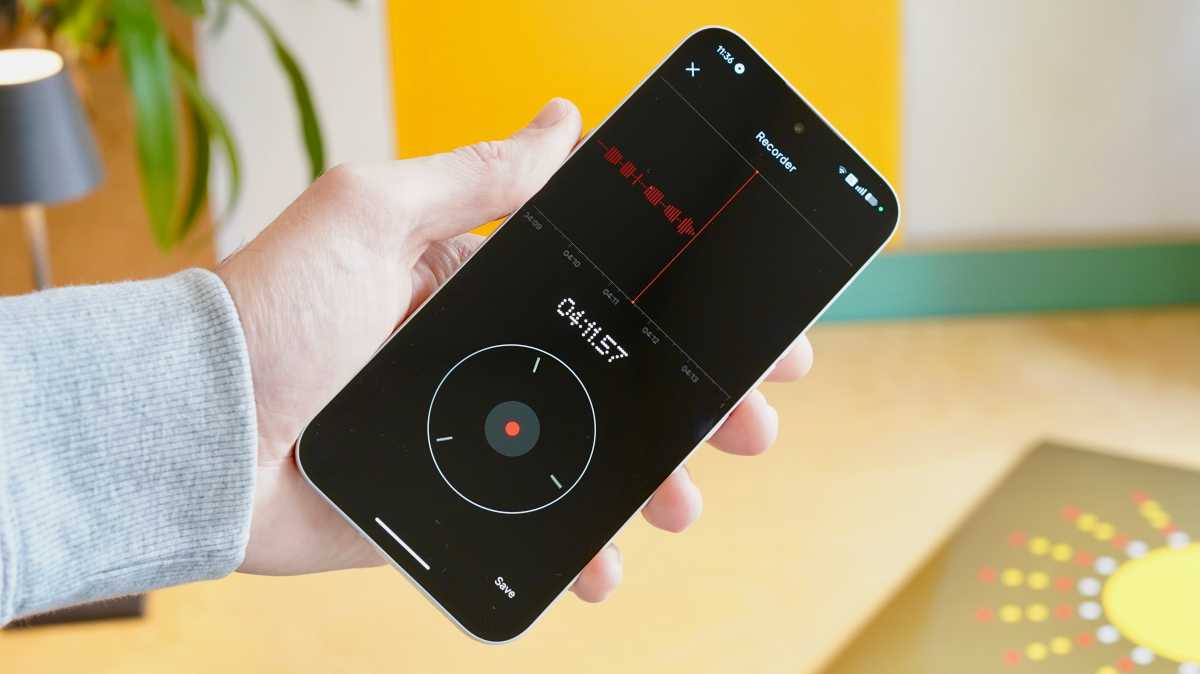
Jon Mundy / Foundry
High-end games won’t run as smoothly or at such graphically advanced settings as on the flagship brigade. Destiny Rising will let you max out graphical quality, but will lock out everything but the baseline ‘Standard’ frame rate.
Nothing has managed to achieve a commendable amount of consistency, though. The phone’s 98.8% stability score in the Wild Life Extreme Stress Test is the stuff of gaming phones, even if the individual loop scores aren’t.
You can likely thank Nothing’s meaty 5300 mm² vapour chamber system for such stable running, which serves to keep things nice and cool when under a sustained load.
While I wouldn’t call the Nothing Phone (4a) Pro fast, then, it’s certainly dependably smooth.
Cameras
- 50Mp Sony LYT700c camera with OIS
- 50Mp 3.5x periscope camera with OIS
- 8Mp ultra-wide, 32Mp front
The Nothing Phone (4a) Pro uses a 50Mp 1/1.56” main sensor with an f/1.9 aperture and OIS support, much like the Nothing Phone (3a) Pro before it. However, Nothing has switched out the main sensor itself for a Sony LYT700c.
Shots taken in good lighting look reasonably detailed and natural, though in HDR scenarios it can be a little aggressive at reining in exposure, rendering certain shots a little drabber than some might like if they’re coming from the punchy Samsung school.
most rivals don’t come with a telephoto of any kind, so this is a big plus point for the (4a) Pro
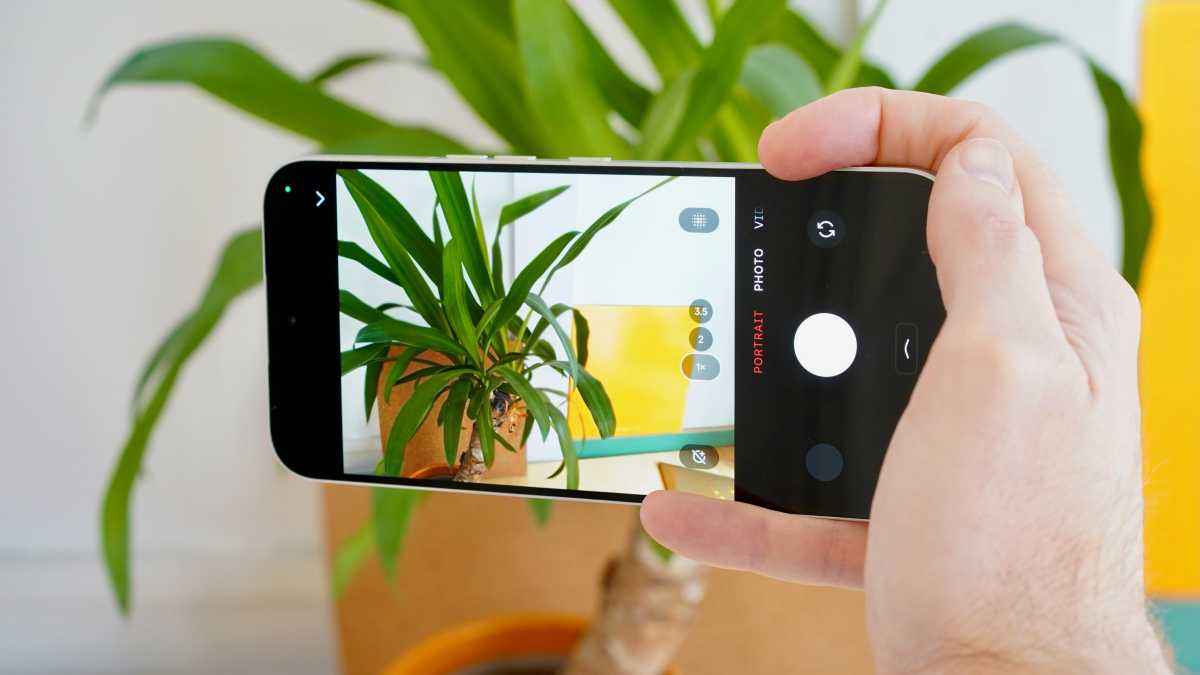
Jon Mundy / Foundry
Night shots aren’t the sharpest or clearest I’ve ever seen, with hints of noise in those inky skies. However, I appreciate that Nothing doesn’t give night time scenes an artificially brightened look, allowing very low light shots to retain a sense of authentic shadiness.
The phone also carries a new 50Mp periscope camera, which is actually smaller than the (3a) Pro’s at 1/2.75” (vs 1/1.95″), though it also features a deeper 3.5x zoom (vs 3x) courtesy of a new flagship-style tetraprism periscopic lens.
Nothing is making grand claims that its new phone offers 140x hybrid zoom capabilities, which are apparently best-in-class. Naturally, if you’re zooming in this far you’re going to be getting a whole lot of ugly grain and blur, and I wouldn’t recommend straying beyond 10x.
Still, most rivals don’t come with a telephoto of any kind, so this is a big plus point for the (4a) Pro.




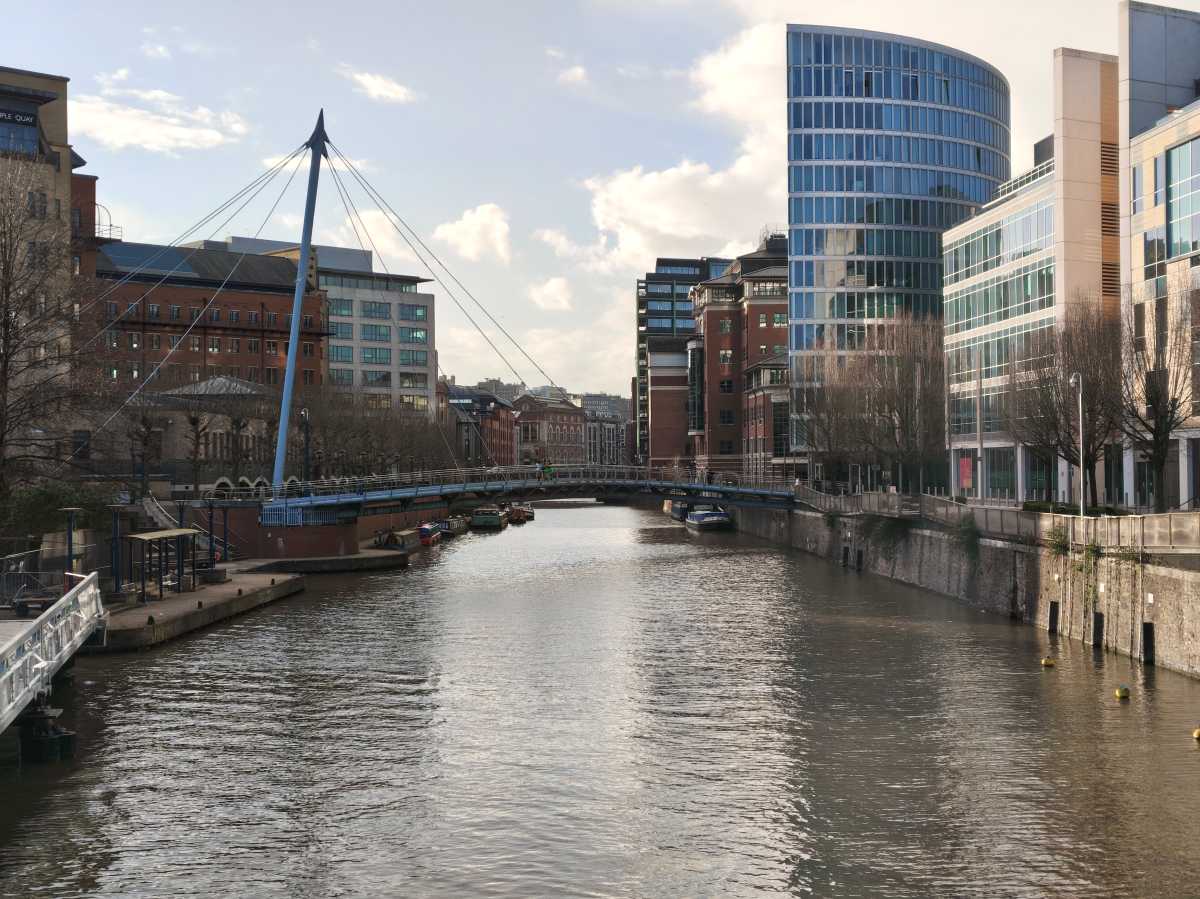
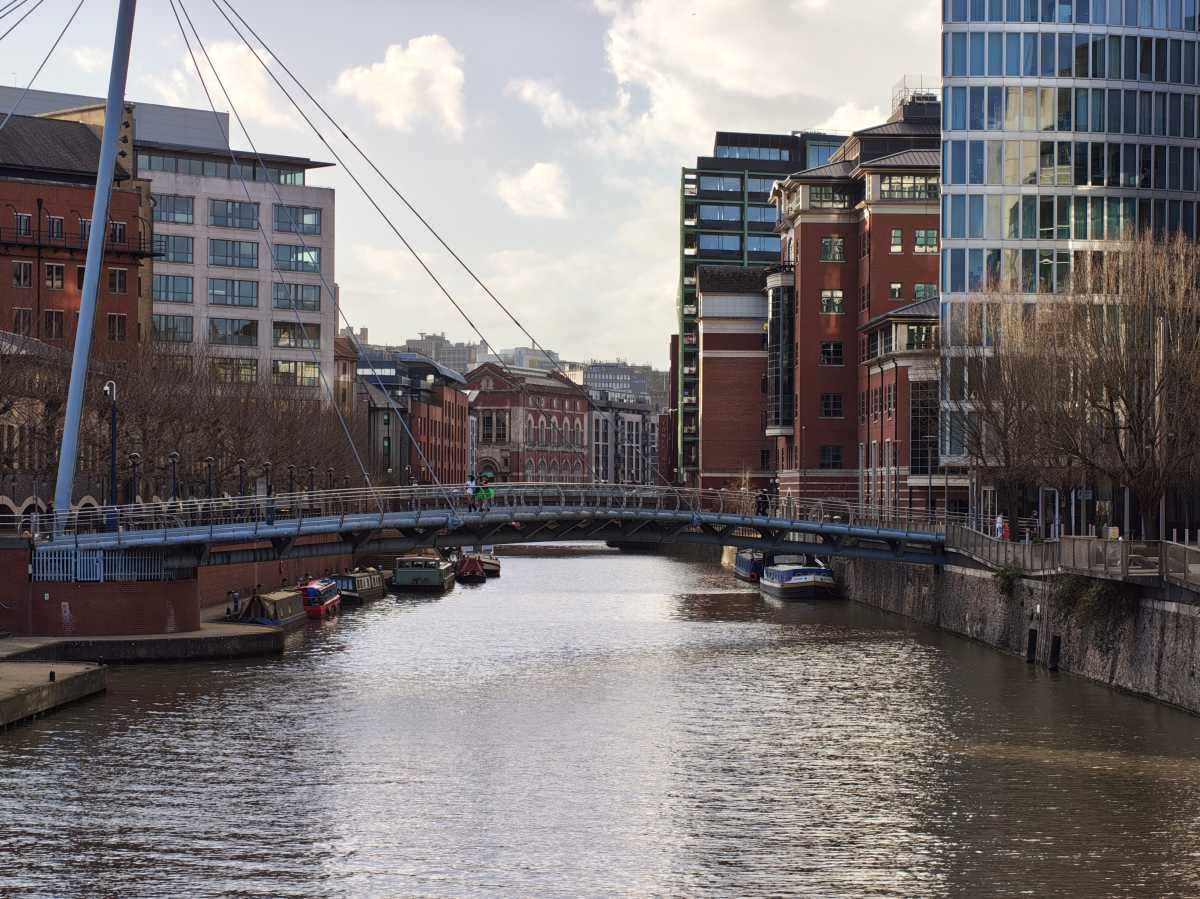

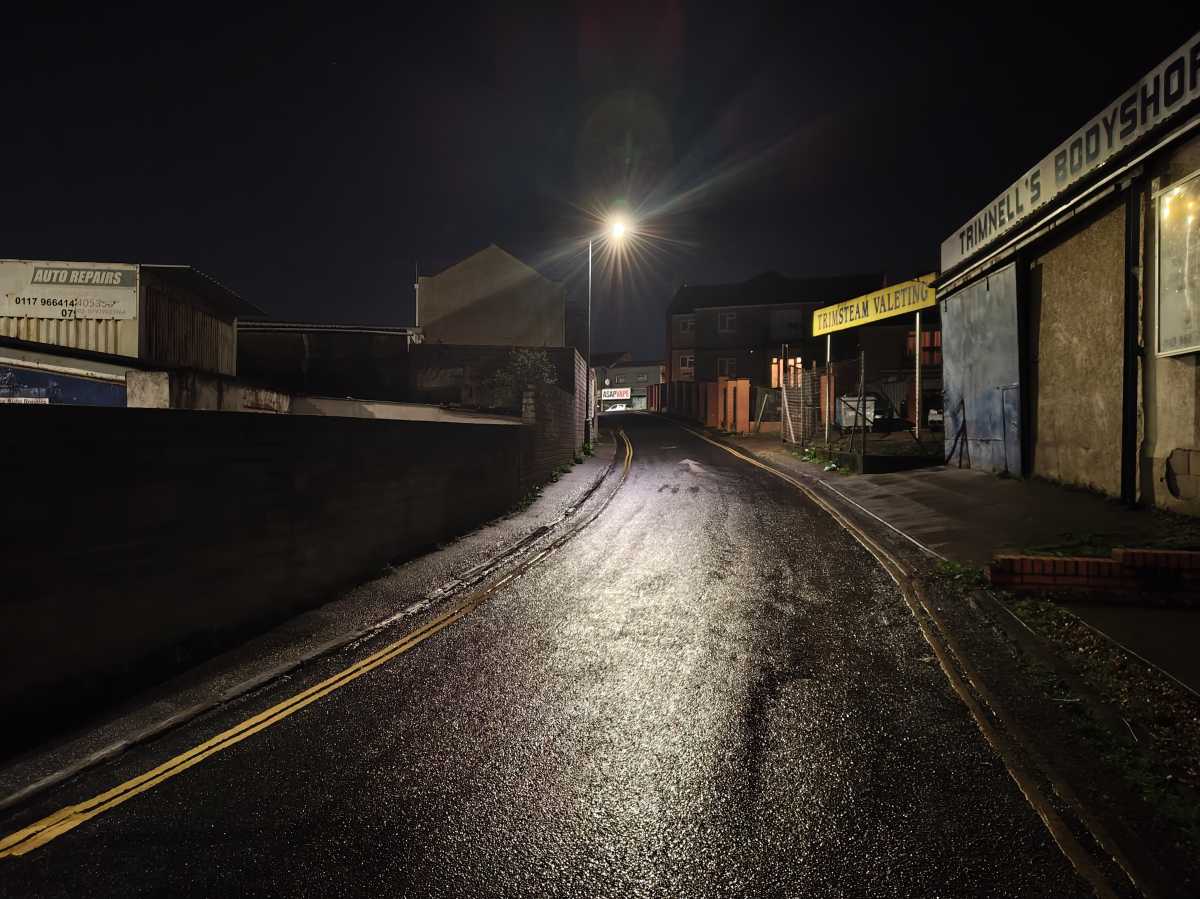




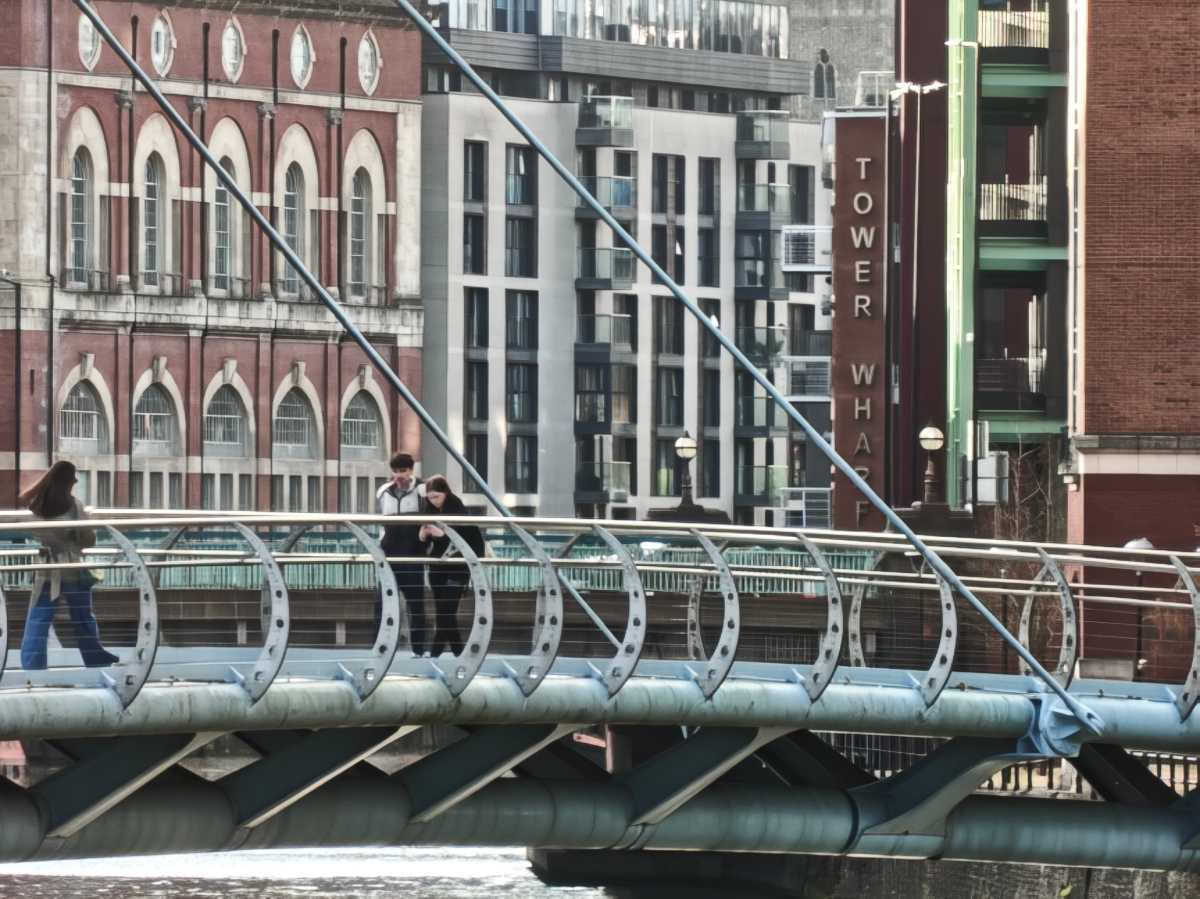


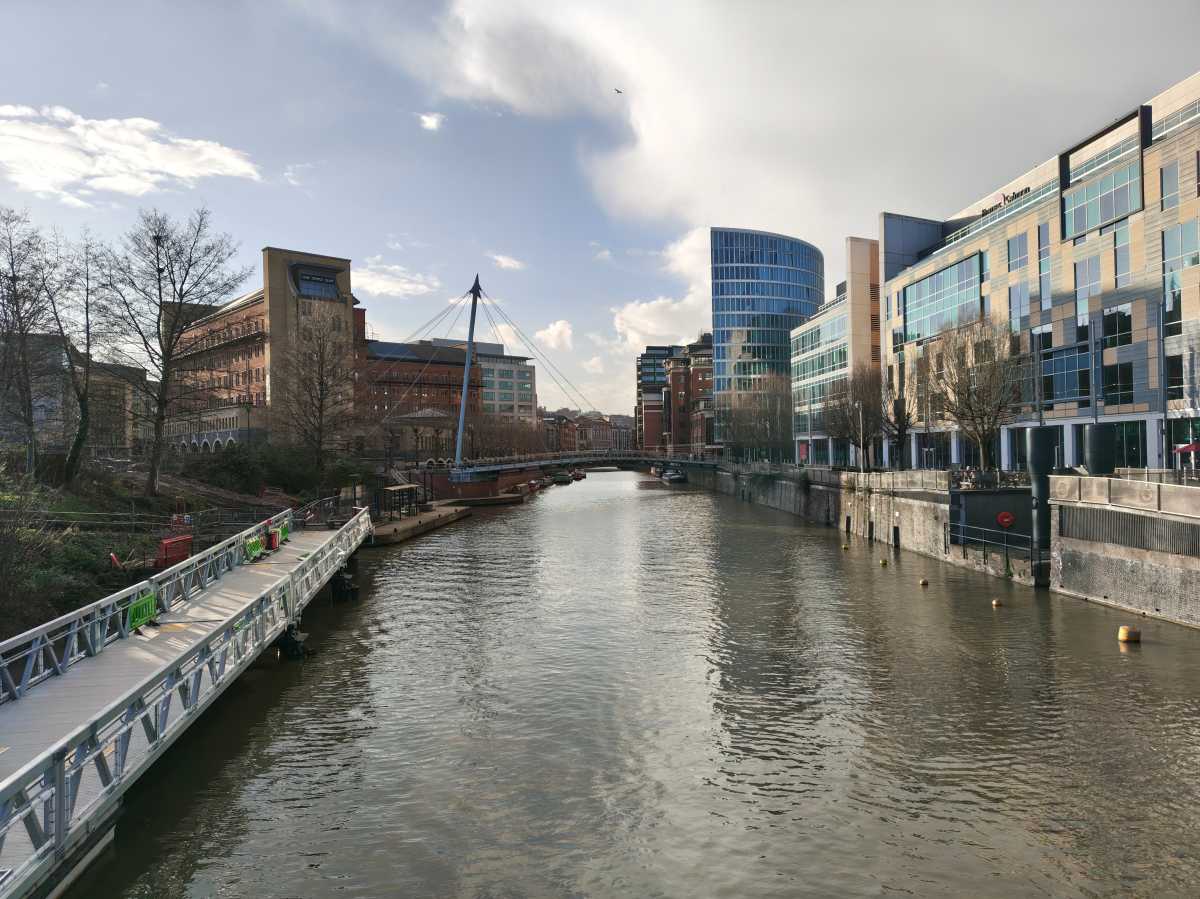





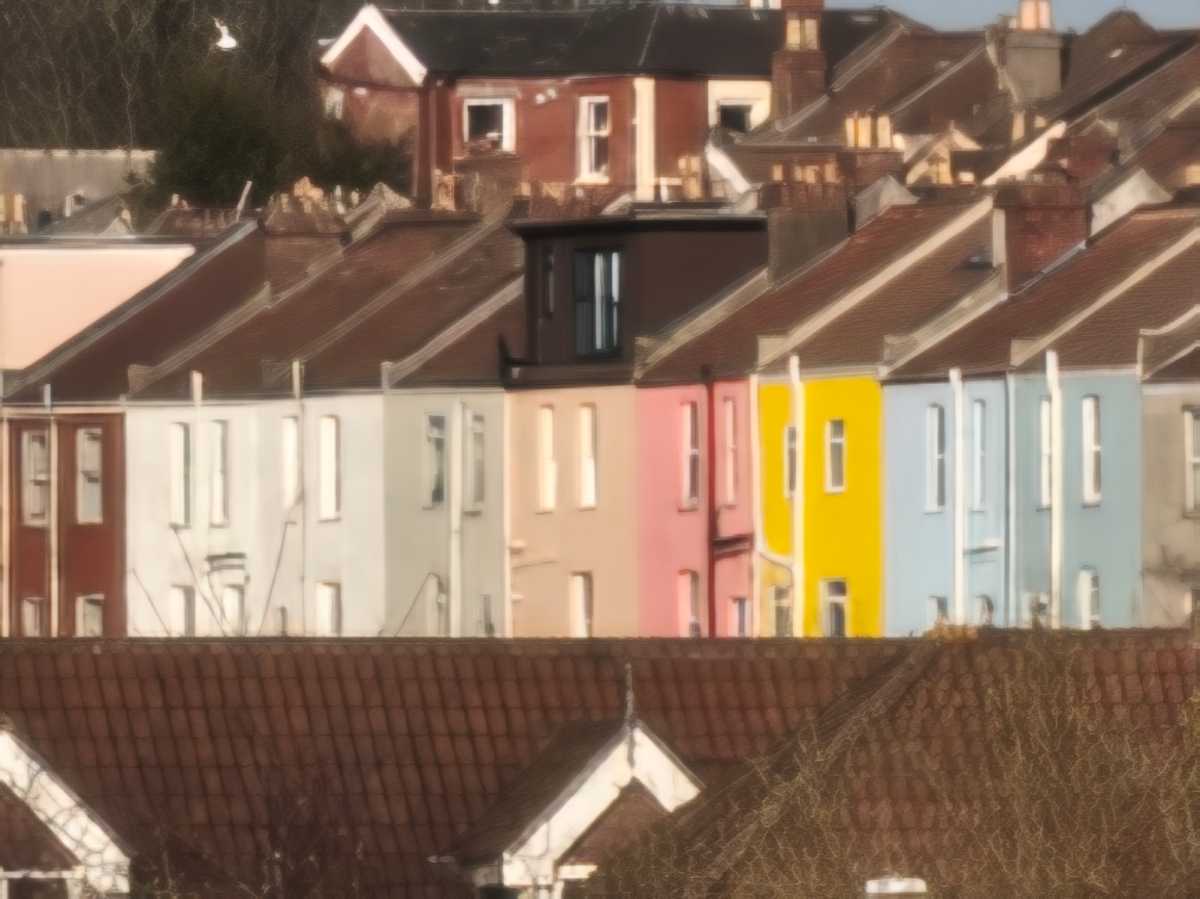
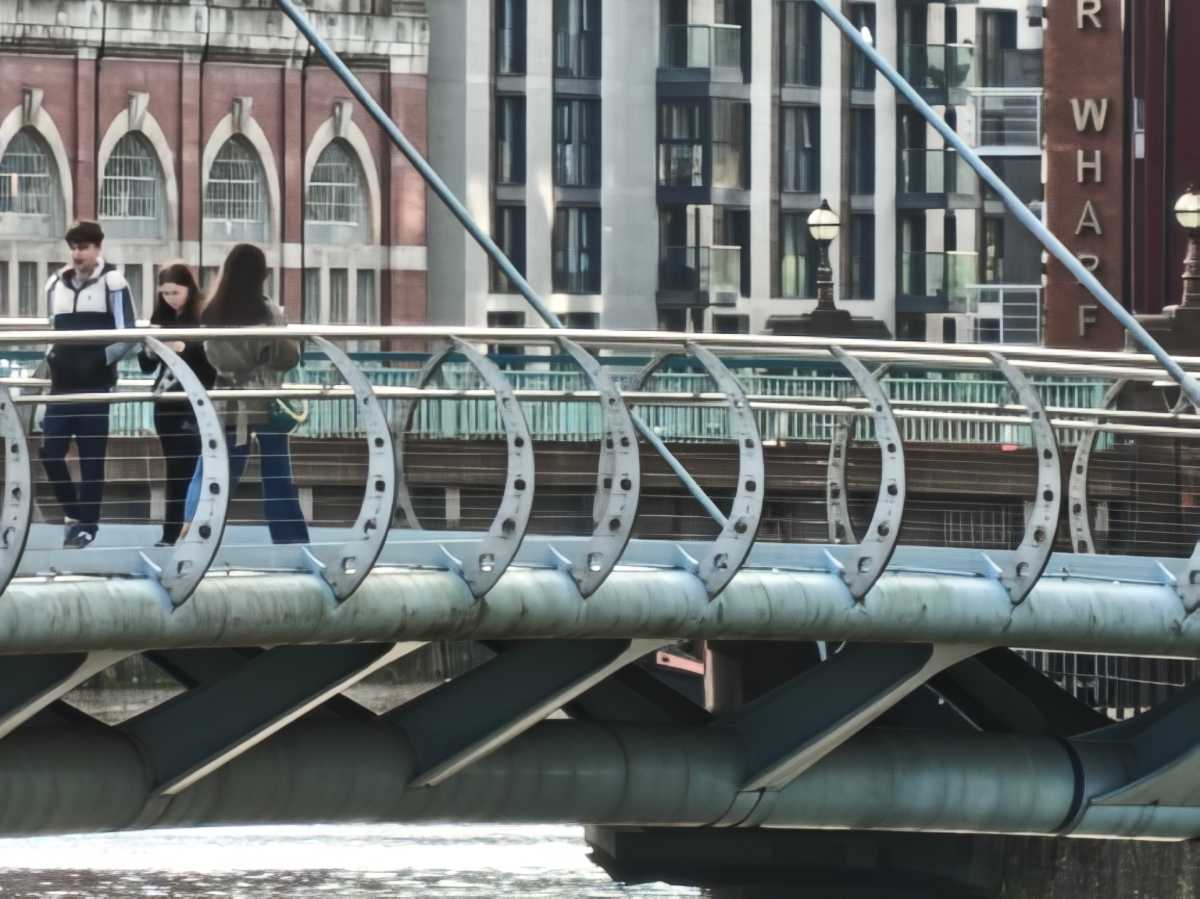

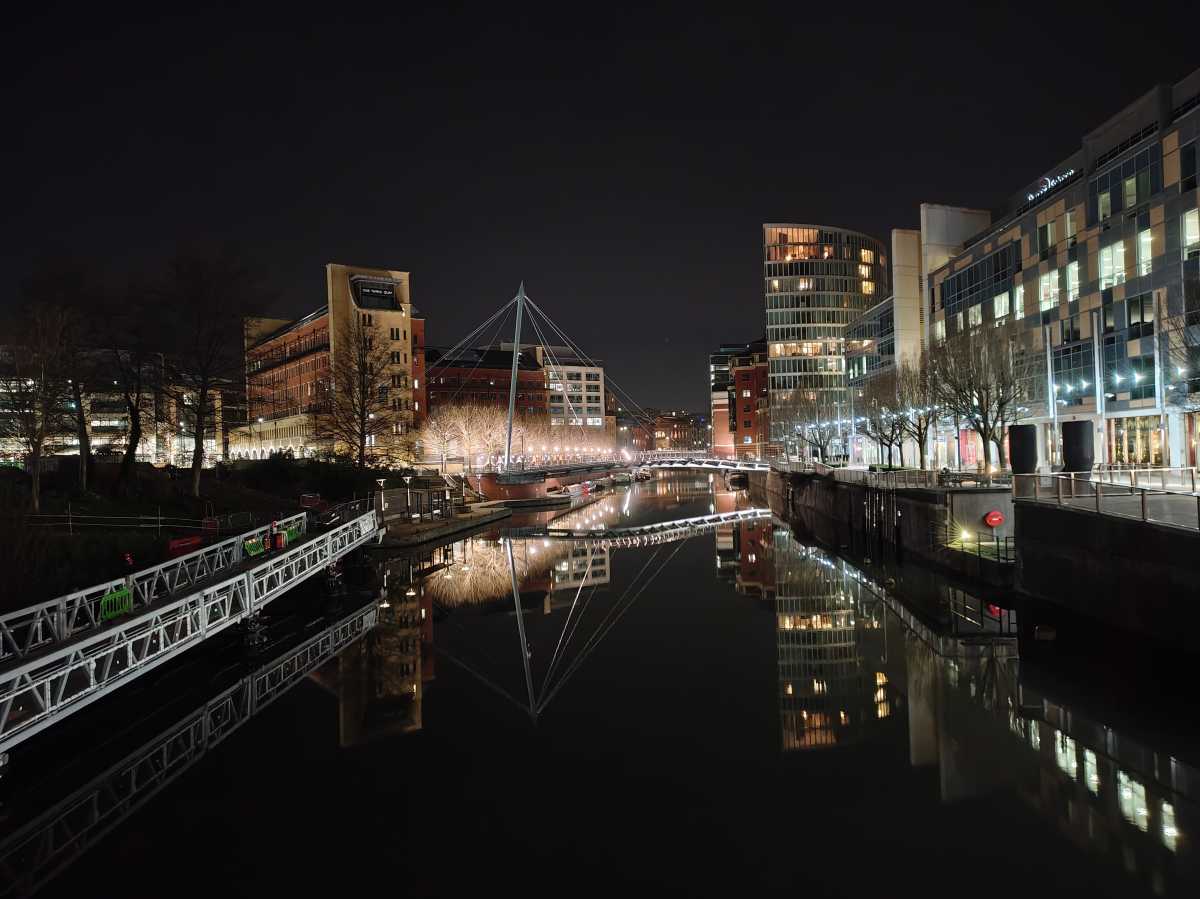

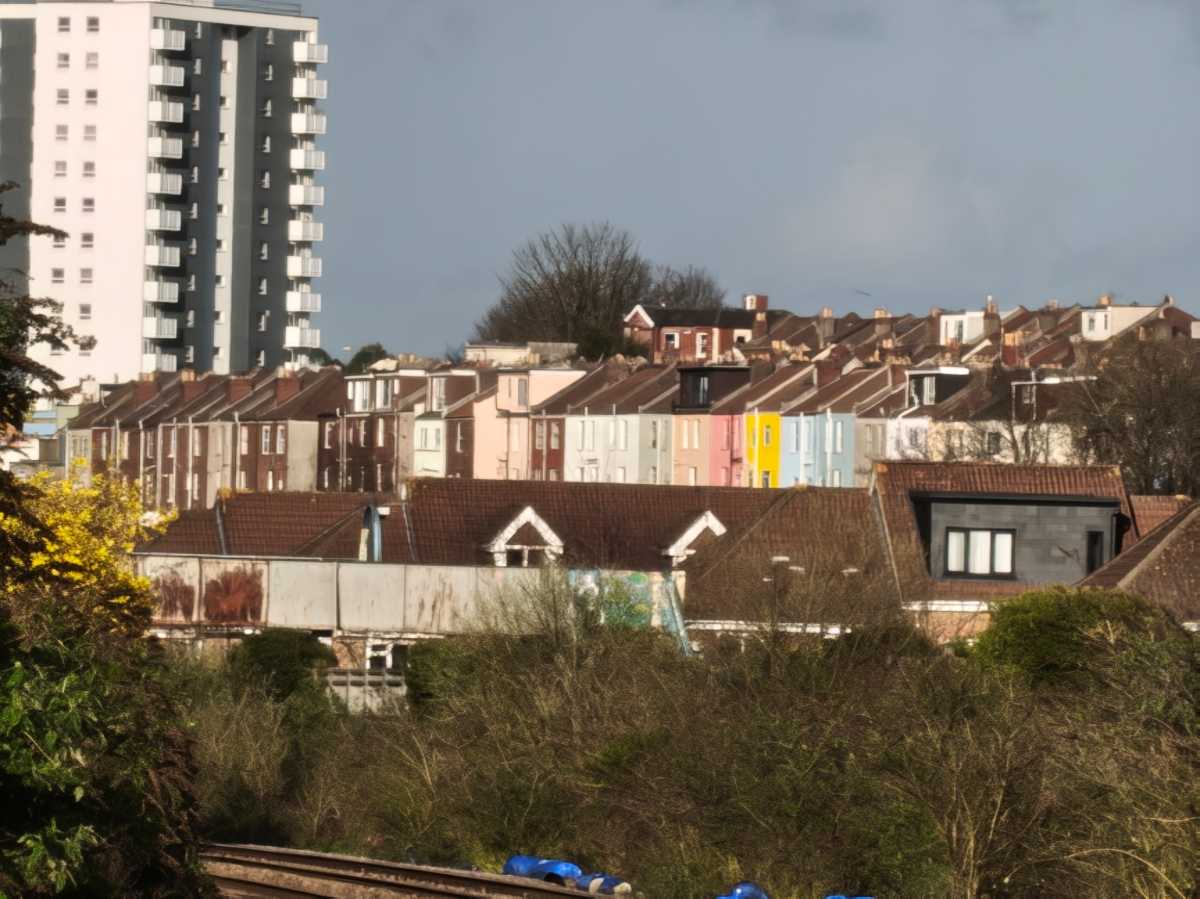
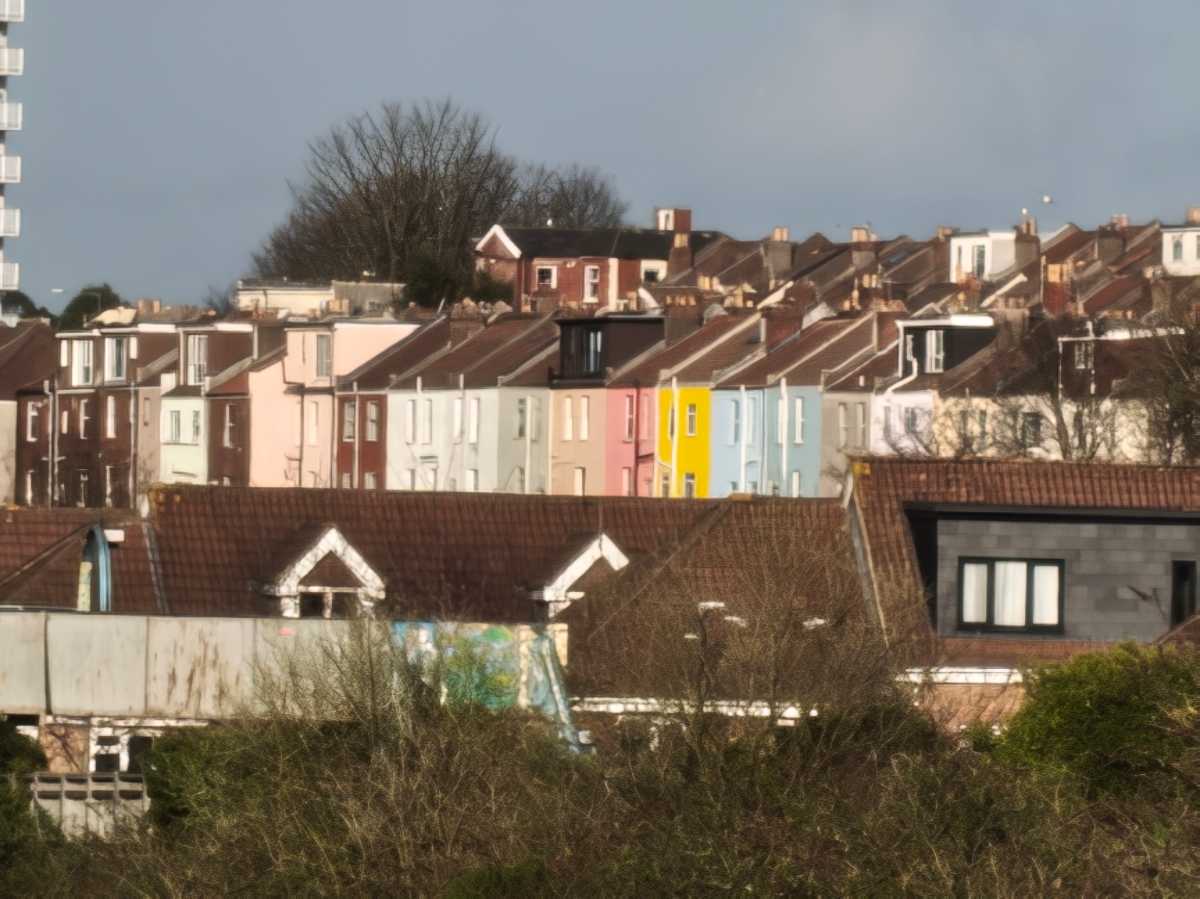

Shots from the 8Mp ultra-wide struggle even more with exposure and dynamic range than the main sensor, with a somewhat dingy tone overall, but they look fine and aren’t too far off the main sensor tonally.
I was quite happy with the quality of the selfies from the Phone (4a) Pro’s 32Mp selfie camera, though if anything, this seems to be a slight downgrade from the larger, more pixel-packed sensor in the (3a) Pro. Whatever the case, selfies looked relatively sharp and rich, though I did notice a slight ghosting effect around the edge of the subject on certain selfie portrait shots.
It’s disappointing to see that video recording stops at 4K/30fps, but that’s a limitation of the Snapdragon 7 Gen 4 chip at the phone’s heart. Speedier rivals like the Google Pixel 10a and the Poco X8 Pro Max can give you 4K/60fps for your £500/$500.
Battery Life & Charging
- Same 5080mAh battery as 4a
- 50W wired charging support
- No wireless charging
Nothing has equipped the global model of the Phone (4a) Pro with exactly the same 5080mAh battery as the Phone (4a).
We can probably no longer think of this as a big battery – not with the Poco X8 Pro Max giving you 8500mAh for similar money, and even the compact Pixel 10a giving you 5100mAh.
However, it does represent progress (small though it may be) over the Nothing Phone (3a) Pro’s 5000mAh cell. We were happy with that phone’s stamina, and I’m happy with how its successor performs.
it’ll get you through a day of fairly intensive usage
Jon Mundy / Foundry
Once again, it’ll get you through a day of fairly intensive usage without getting at you to plug it in. More moderate users should even be able to clear a second day.
In the usual PCMark battery test, the Nothing Phone (4a) Pro lasted about 40 minutes longer than the (3a) Pro, though about an hour short of the regular Nothing Phone (4a). That could come down to the (4a)’s smaller, less pixel-packed display, its lower-clocked processor, or a combination of the two.
There’s support for 50W wired charging, which is a good provision in a mid-range phone. Using a modern 65W Samsung charger, I was able to get the phone from empty to 38% in 15 minutes, and to 73% in 30 minutes. A full charge will take you about an hour.
You won’t find support for wireless charging here, which is far from surprising in a sub-£500/$500 phone. The Google Pixel 10a does offer such a provision, however, so its omission here warrants a mention.
Software & Apps
- Nothing OS 4.1 on Android 16
- Sharp widgets with user-created options
- 3 years OS, 6 years security updates
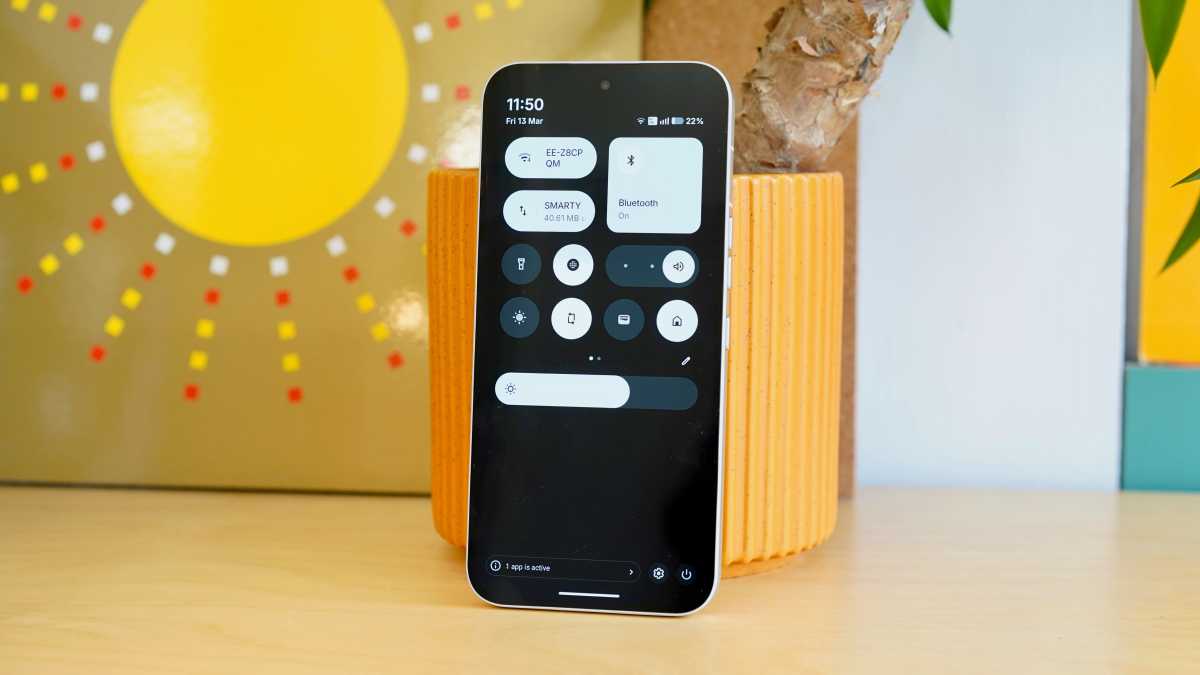
Nothing’s software is typically as distinctive as its hardware. In this instance, Nothing OS 4.1 adds a dash of freshness to Google’s Android 16 base material.
As always, I initially tried to run with Nothing’s stylised default icons, which operate in dark mode and with most of the colour drained out of the app icons. As always, I eventually had to revert to Light mode, followed by a full rollback to the default Android icon pack.
While Nothing’s approach is easy on the eye and a welcome attempt to cut down on visual clutter, I simply find the more ‘normal’ look to be easier to parse. Maybe I’m just stuck in my ways.
Nothing’s software is typically as distinctive as its hardware
Jon Mundy / Foundry
Either way, the option of a more minimalist approach is welcome. Nothing’s monotone widgets and icons don’t quite mix as well with third-party app icons as, say, Samsung’s do in its One UI, but they’re arguably more ambitious.
The widgets themselves are broadly excellent – particularly the beautiful weather one with its retro icons, and the camera widget that lets you jump straight into tone-altering presets. The new Breathing Break widget, meanwhile, guides you through calming breathing exercises in a visually (and aurally) appealing manner.
When you cut through the fat of most mindfulness apps, this is really all most people want, so it’s nice to have such a tool to hand.
The Essential Apps service lets you explore custom-made widgets made by the Nothing community. It’s a promising addition, though its beta status and web-based location leave it feeling somewhat detached from the rest of the UI.
Nothing’s software support promise continues to lag behind the best
Jon Mundy / Foundry
Nothing’s attempt to mess with the app tray is similarly intriguing, essentially turning the drag-up menu into an iOS-style app cataloguing system. Rather than a dumb list, you get distinct sections for Utilities, Entertainment and the like. It works, but it’s quite an adjustment for Android die-hards.
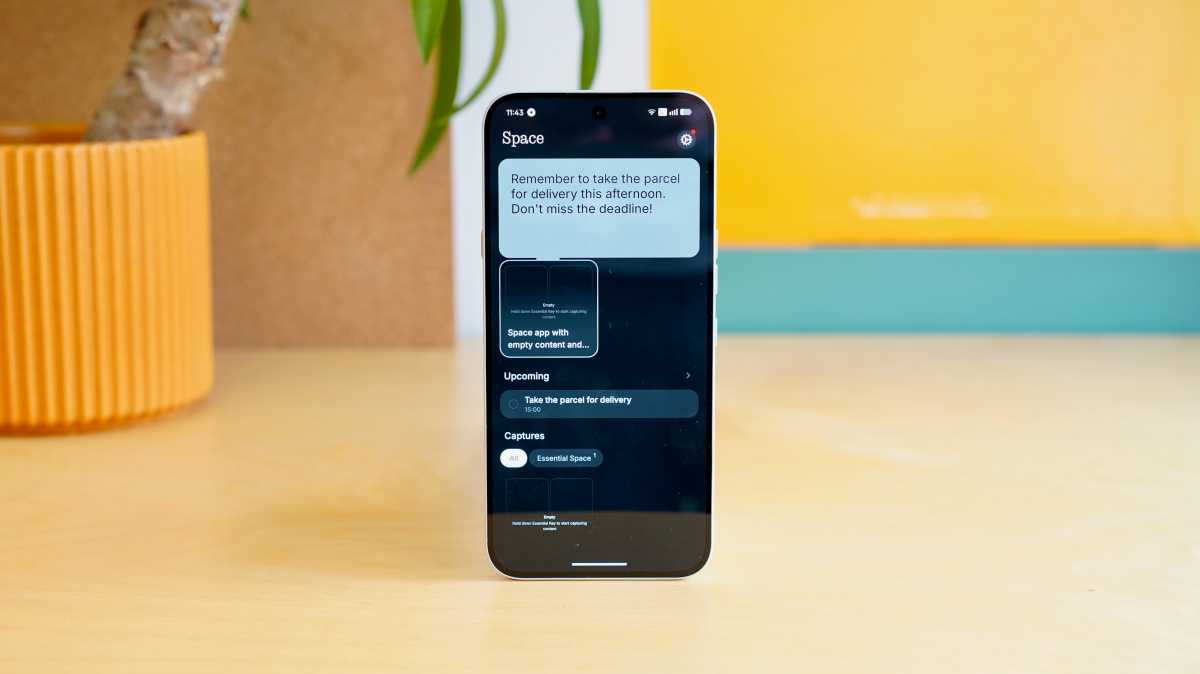
The company’s Essential Space makes a return, now with added cloud sync support. Press that Essential Key on the left edge, and it’ll take a smarter form of screenshot, enabling you to take a note (voice or text) before adding the snippet to a kind of AI-categorised virtual corkboard. It’ll also pick out potential reminders.
For all its design smarts, Nothing’s software support promise continues to lag behind the best. You’ll get just three years of Android updates and six years of security patches, which doesn’t look great next to Google’s and Samsung’s leading seven-year guarantee.
Price & Availability
The Nothing Phone (4a) Pro will be available to buy from 27 March, direct from the Nothing website as well as retailers like Amazon.
Prices start from £499/$499/€479 for the model with 8GB of RAM and 128GB of storage. You can up both of those capacities to 12GB of RAM and 256GB of storage for a small increase to £549/$549/€549 – that’s a great value upgrade, especially in 2026.
At this price, the Nothing Phone (4a) Pro can count the Google Pixel 10a as a direct rival, as well as whatever follows the Samsung Galaxy A56 (might we venture a guess at the Samsung Galaxy A57?).
Other phones hovering around the £500/$500 mark include the heavy-hitting Poco X8 Pro Max, while the iPhone 17e’s jump in storage to 256GB also makes it a direct competitor to the higher-tier model.
Check out the best mid-range phones we recommend right now.
Should you buy the Nothing Phone (4a) Pro?
The Nothing Phone (4a) Pro is the company’s lead smartphone for 2026 (there won’t be a flagship launched this year), and a mature evolution of its house style ensures that it stands out.
You’re also getting a bigger and better display and a more capable processor than we’ve seen from the series in the past, while the new telephoto camera offers impressive flexibility, which can’t be said of most rivals.
With all that said, for the second year running, the smarter money is on the regular model. The Nothing Phone (4a) has its own distinctive design (plus a blue colourway), a similarly flexible triple camera system, and the exact same Nothing UI that sets the brand apart from the crowd.
The Pro model’s Glyph Matrix is a neat gimmick, but a gimmick nonetheless, and one that I suspect only a relatively small percentage of people will find useful long-term.
The Nothing Phone (4a) Pro is a boldly styled alternative to all those me-too mid-rangers, and a well-balanced phone to boot. However, the fact remains that spending the same money elsewhere can get you longer software support, faster performance, and additional features like wireless charging and superior water resistance.
Spending a lot less, meanwhile, will get you mostly the same experience in the Nothing Phone (4a).
Specs
- Android 16 with Nothing OS 4.1
- 6.83in, 1.5K, OLED, 144Hz, flat display
- In-display fingerprint sensor
- Snapdragon 7 Gen 4
- 8GB/12GB LPDDR5X RAM
- 128GB/256GB storage
- 50Mp, f/1.9 main camera
- 50Mp, f/2.9 3.5x telephoto camera
- 8Mp ultra-wide camera
- Up to 4K @ 30fps rear video
- 32Mp front-facing camera
- Stereo speakers
- Dual-SIM
- Wi-Fi 802.11 a/b/g/n/ac/6
- Bluetooth 5.4
- 5080mAh battery
- 50W charging
- 163.7 x 76.6 x 8mm
- 210g
- Launch colours: Black, Silver, Pink
Link do Autor