
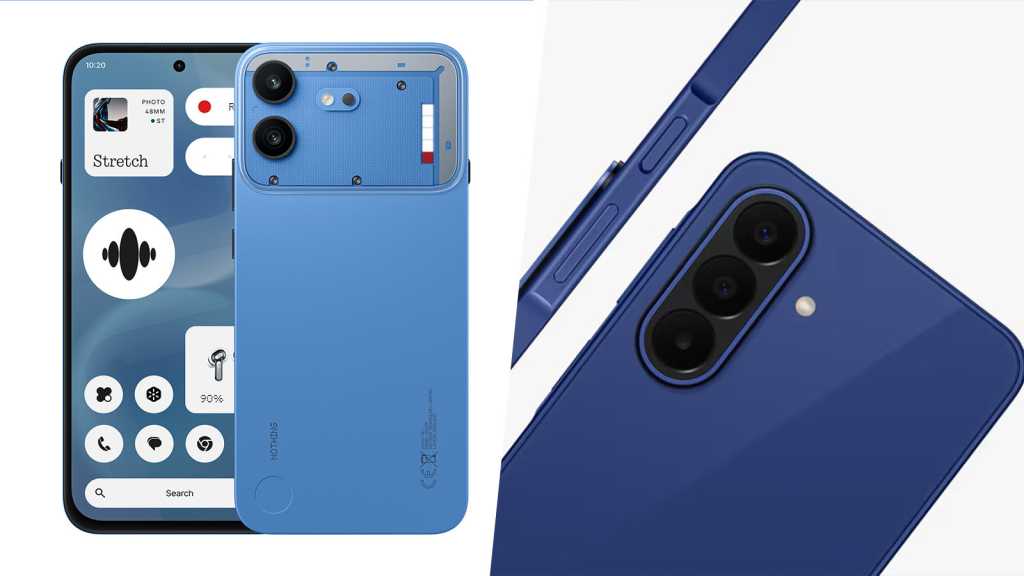
The Nothing Phone (4b) and the Samsung Galaxy A27 are set to hit shops within weeks of one another, presenting a fascinating choice for anyone looking to buy a new affordable phone.
Samsung is an experienced hand with this cheap phone stuff, having turned out dependable A-series phones for more than a decade.
Nothing might be more of a plucky upstart, having only been in existence since 2021, but it has hit the ground running with its high-value offerings. The company’s CMF Phone 2 Pro, in particular, has been our reigning budget phone champion for some time now.
It’s about time to revisit that list, however, and right up there in the mix will be the Nothing Phone (4b) and the Samsung Galaxy A27.
We haven’t rendered our verdict on either phone as of yet, but we do have full specs and visual evidence of what’s available here – plus, we’ve tested their predecessors. So, which of these two phones looks like better value for money?
Is price the overriding factor?
Phones are undoubtedly getting more expensive, even within the nominally ‘affordable’ phone space. Both of these handsets are more expensive than their predecessors – though it could be argued (with some justification) that the Nothing Phone (4b) is the first of its kind.
What matters is how these two phones compare with one another, and on that front Nothing’s handset squeaks out a lead.

Nothing
At £299, the Nothing Phone (4b) is £20 cheaper than the Samsung Galaxy A27, which starts at £319. That might not sound like a big difference, but at this end of the market, it represents a 10% disparity.
There’s no obvious difference in basic specification to justify that difference, either. Both phones give you 8GB of RAM and 128GB of internal storage as standard.
Importantly, however, only the Galaxy A27 will go on sale in the US, so readers in the States are already down to one option unless you want to consider importing.
Winner: Nothing Phone (4b)
Do you want your phone to stand out?
You might argue that design matters less at the cheaper end of the smartphone market, but I’d argue that a well put-together phone stands out all the more when you’re spending less than £350 for the privilege.
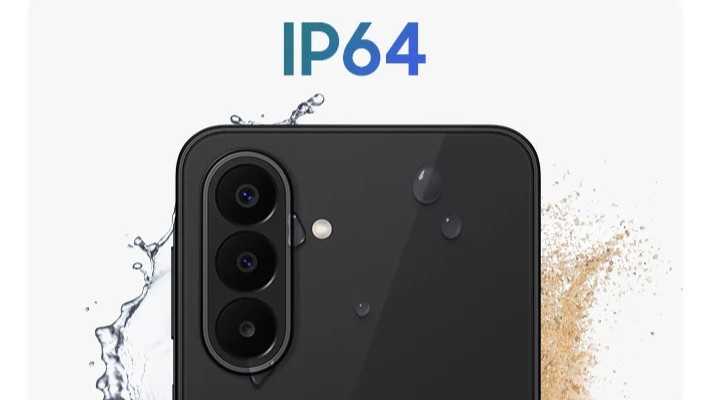
The good news is that both of these phones seem to be well constructed, with solid plastic frames and IP64 dust and water resistance certification.
Samsung’s phone might get the nod on how premium it feels, thanks to the use of a glass display, though I am intrigued by Nothing’s promise of a primer coating that reduces fingerprints and gives it a “skin-friendly” feel. Watch this space.

Samsung
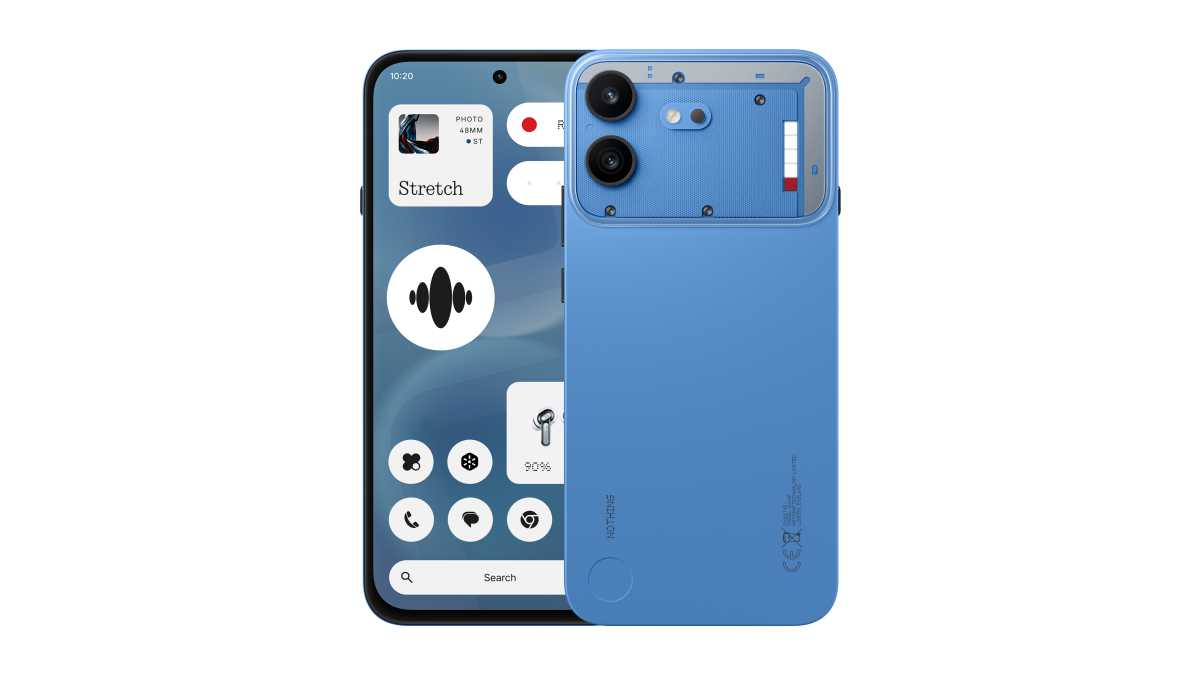
Ultimately, this appears to come down to a simple matter of taste. Do you want your phone to stand out from the crowd? Then the Nothing Phone (4b) is for you, available in four colours: black, white, pink and blue.
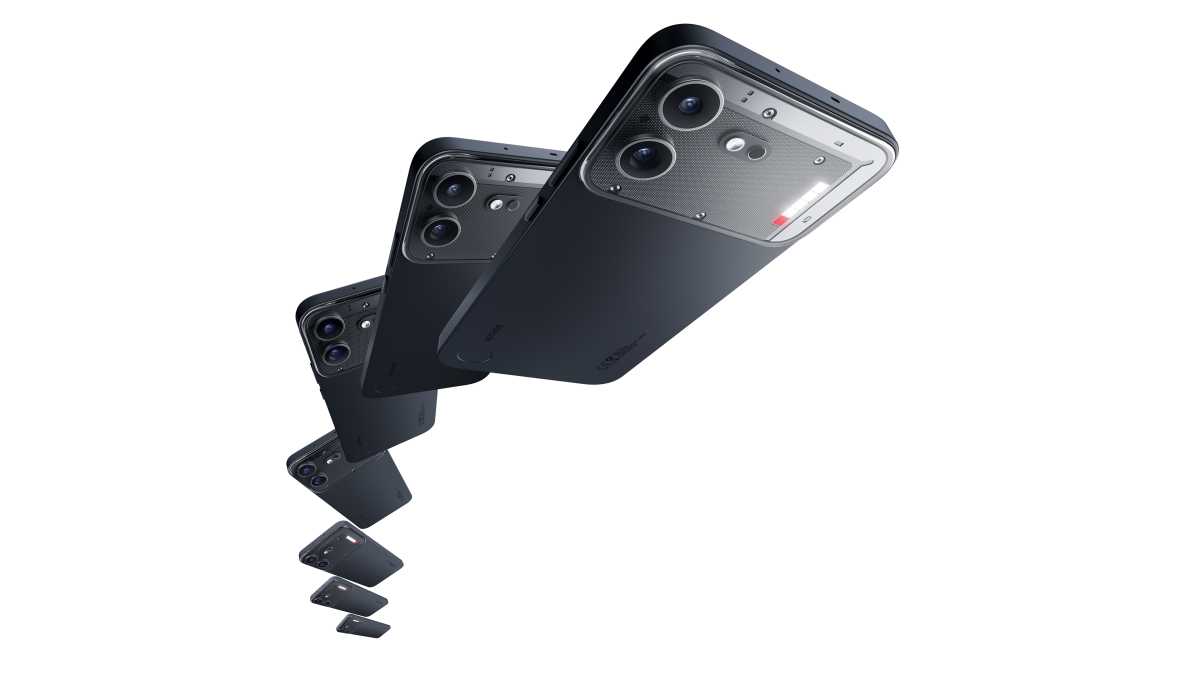
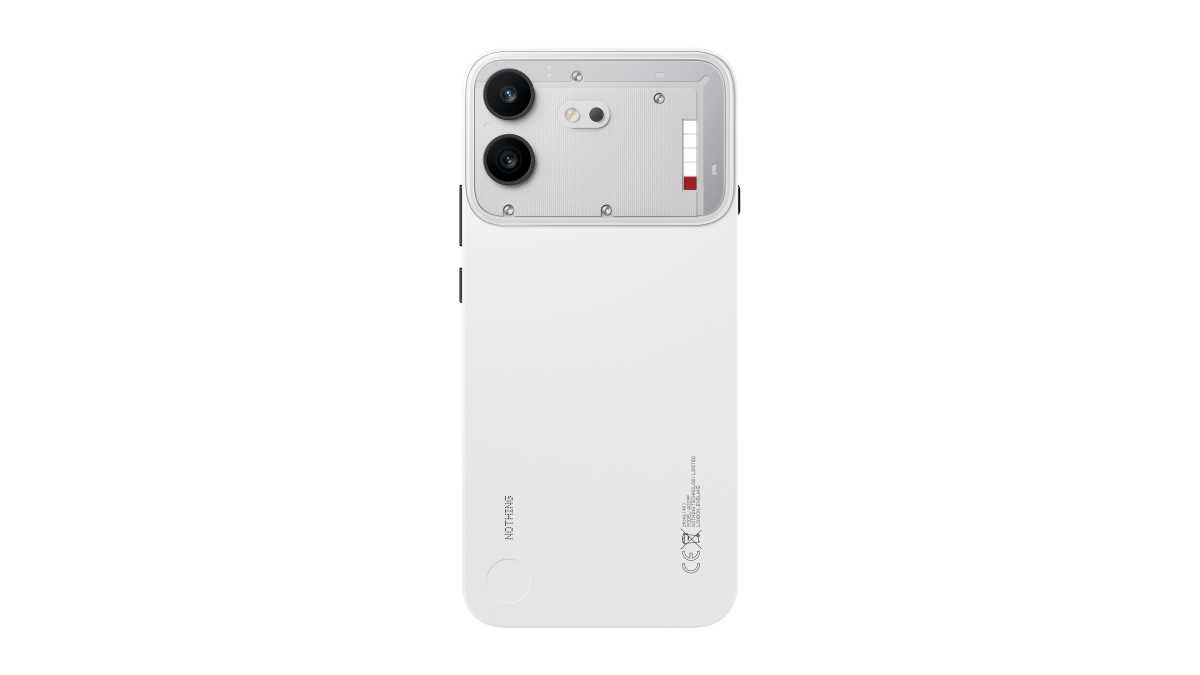
Its semi-transparent camera module, bold unibody plastic frame, and signature Glyph Bar (which supplies nuanced face-down notifications) ensure a distinct look.
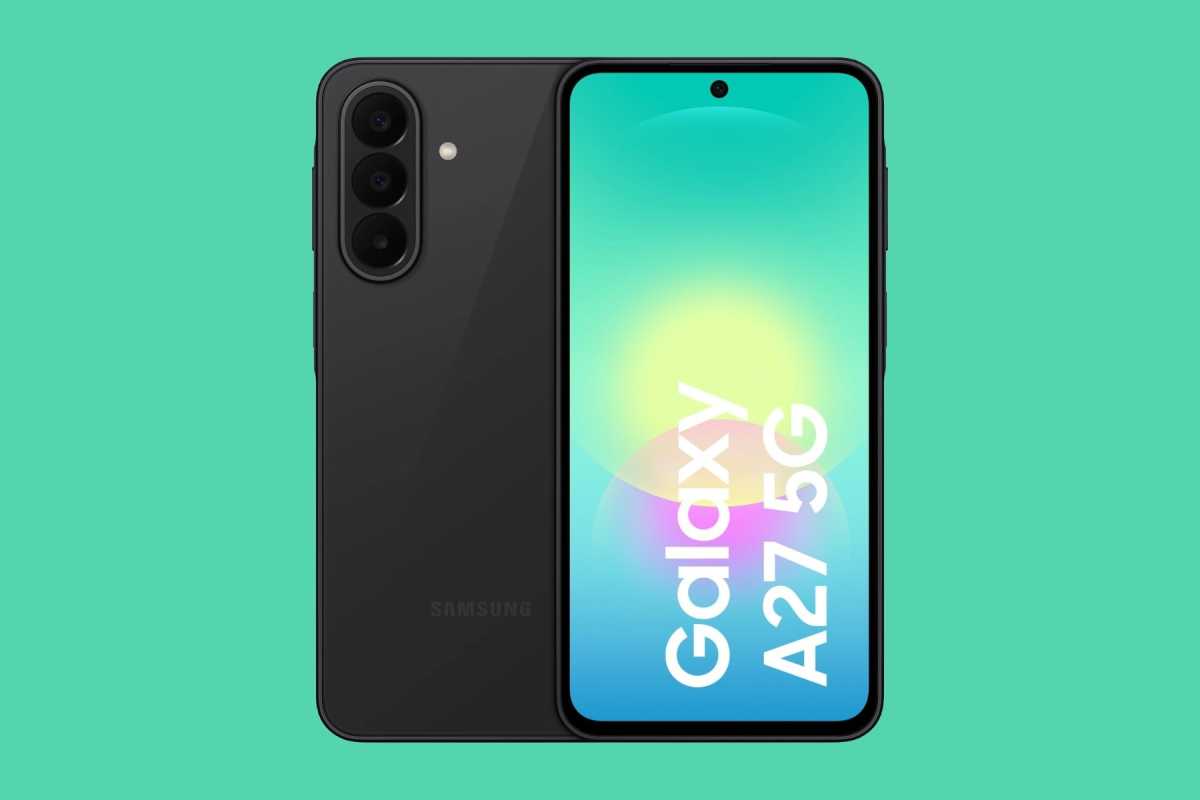
Conversely, if you want your phone to look quietly poised and unassuming, then the Samsung Galaxy A27 could be the better bet.
Samsung has improved the look of the phone with a hole-punch selfie camera and thinner, more balanced bezels. You could easily mistake it for the more expensive Samsung Galaxy A37 at an initial glance. It’s available in black, blue and light pink.
Winner: Draw
How long do you intend to keep your phone?
People are upgrading their phones less frequently than ever. Thanks to the rising cost of living, more expensive phones (thanks for that, AI), an uncertain jobs market (ditto), and flatlining innovation in a mature phone market.
That’s even more the case with these cheaper phones, which tend to attract casual users and those with less disposable income.

Samsung/Amazon
Whichever of these two phones you opt for, you’re probably going to want to hold on to it for a number of years if possible.
The Samsung Galaxy A27 has a notable edge, then, with its provision of a six-year update promise. You’ll be getting new versions of Android and vital security updates into 2032.
Conversely, while the Nothing Phone (4b) can match its rival’s security update promise, it’ll only be getting the next three Android versions.
Winner: Samsung Galaxy A27
Is performance a priority?
Of course, you might not want to still be using either of these phones in 2032 if they’ve slowed to a crawl. And the Samsung Galaxy A27 is at a bit of a disadvantage on that front.
It uses Qualcomm’s Snapdragon 6 Gen 3 chip, which, on paper, is a whole generation behind the Nothing Phone (4b)’s Snapdragon 6 Gen 4.
Nothing
While the two chips only launched five months apart (and are both 4nm), the Snapdragon 6 Gen 4 adopts a more advanced ‘1 + 3 + 4’ ARMv9 CPU architecture compared to the Snapdragon 6 Gen 3’s ‘4 + 4’ ARMv8.2-A architecture.
The newer chip also utilises a more advanced Adreno 810 GPU (vs the Adreno 710 in the Galaxy A27).
In short, while the difference in performance isn’t likely to be huge, the Nothing Phone (4b) seems to have more headroom than the Samsung Galaxy A27.
Winner: Nothing Phone (4b)
Do you want to tick all the spec boxes?
The differences aren’t huge, but the Nothing Phone (4b) undoubtedly has a superior spec list to the Samsung Galaxy A27.
We’ve already discussed the processor, but the Nothing phone also has a superior ultra-wide camera – 1/4.0-inch and 8Mp compared to 1/5.0-inch and 5Mp – and can also record better 1080p/120fps video (vs 1080p/30fps).
Nothing
Elsewhere, its 5200mAh battery is slightly (and we do mean slightly) bigger than the Samsung Galaxy A27’s 5000mAh cell. It also has 33W wired charging compared to the Samsung’s 25W.
Add in Bluetooth 6.0 vs 5.2 and Wi-Fi 6 vs 5 – both in favour of the Nothing Phone (4b) – and all of these small advantages start to add up.
Winner: Nothing Phone (4b)
Nothing Phone (4b) vs Samsung Galaxy A27: Conclusion
We’ll need to give both phones a thorough testing before we can reach a solid conclusion, but we’re already more excited about the Nothing Phone (4b).
True, there’s always more excitement in the first phone of its kind. But Nothing’s distinctive aesthetic could really make it stand out from a fairly drab £300(ish) field, as it proved last year with the CMF Phone 2 Pro.
There’s also the simple fact that the Nothing Phone (4b) has slightly superior specs, from its more advanced processor to a superior ultra-wide camera and a slightly larger battery.
Never discount the sheer dependability and quality of an affordable Samsung phone, but we know which cheap phone we’re most looking forward to taking for a spin.