
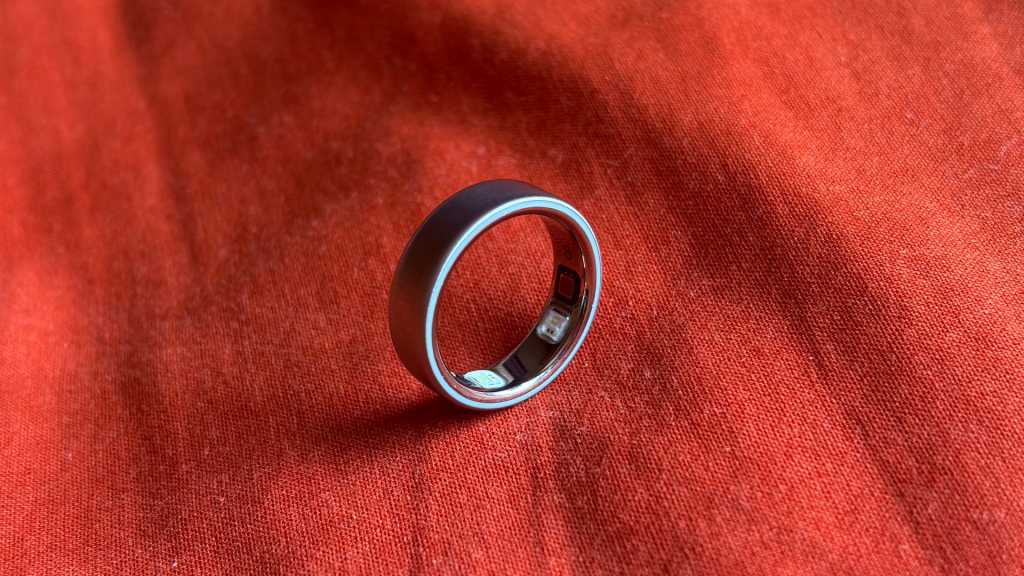


At a glance
Expert’s Rating
Pros
- Incredibly slim & light
- Improved battery life
- Build quality and range of colours
- Companion app still the best
Cons
- Price hike
- Requires subscription
Our Verdict
The Oura Ring 5 is the sleekest, most unobtrusive smart ring you can wear, backed up by one of the best companion apps in the business. It might not be an instant upgrade for those happy with the look and feel of the still great Oura Ring 4.
Price When Reviewed
This value will show the geolocated pricing text for product undefined
Best Pricing Today
Price When Reviewed
From $399
Best Prices Today: Oura Ring 5


The Oura Ring 5 is a surprise update to the best smart ring in the business. While rumours pointed to new hardware in late 2027, Oura surprised everyone by launching its new model over a year earlier.
For the Ring 5, the objective is clear. To take its smart ring hardware and make it even smaller, all without making compromises on performance, including battery life.
I’ve been a long-term user of the Oura Ring and have tested pretty much all of its rivals, too. Is there more to the Oura Ring 5 than just a smaller design? I’ve been wearing one for almost a month to find out.
Design & Build
- 40% smaller design
- Adds more scratch-resistant coating
- Available in 6 colours
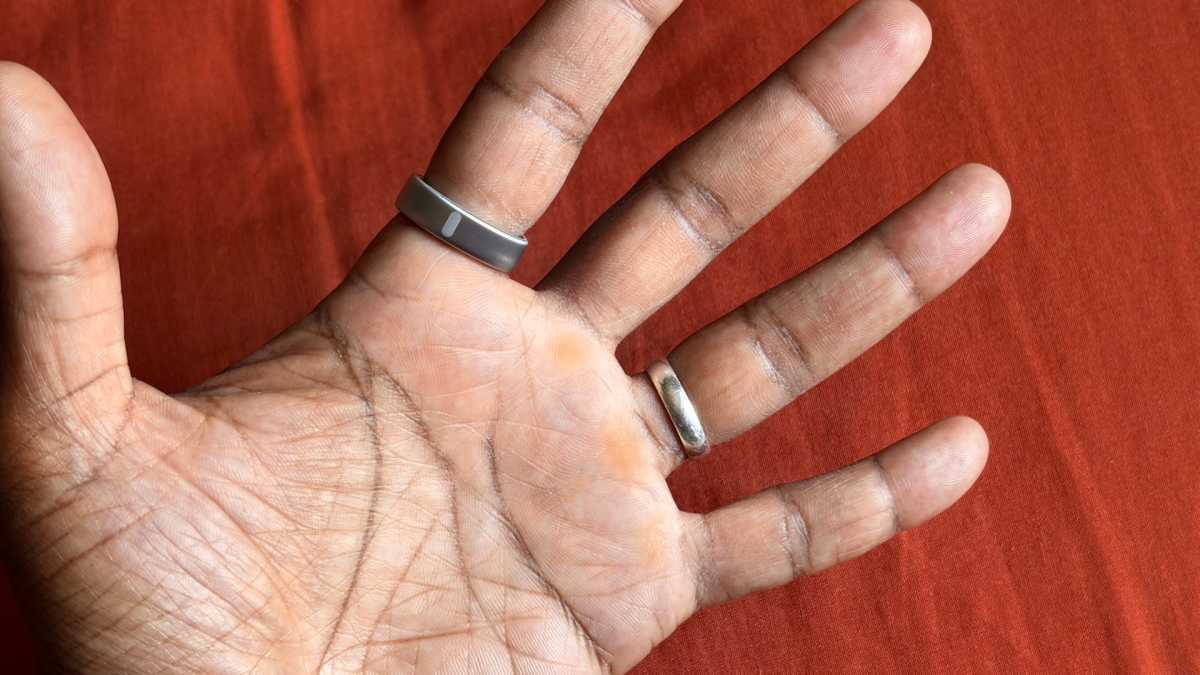
The headline story here is that the Oura Ring 5 is smaller than Oura Ring 4. It’s 40% smaller, so we’re not just talking a little bit and it’s even more if you compare it to the chunky Oura Ring 4 Ceramic Edition.
Smaller also equals lighter, so it’s gone from 3.3-5.2g (depending on what size you need) down to just 2g for the lightest Ring 5. It’s gone from a ring with a width of 7.9mm to one that measures in at 6.09mm thick, so it’s slimmer for starters.
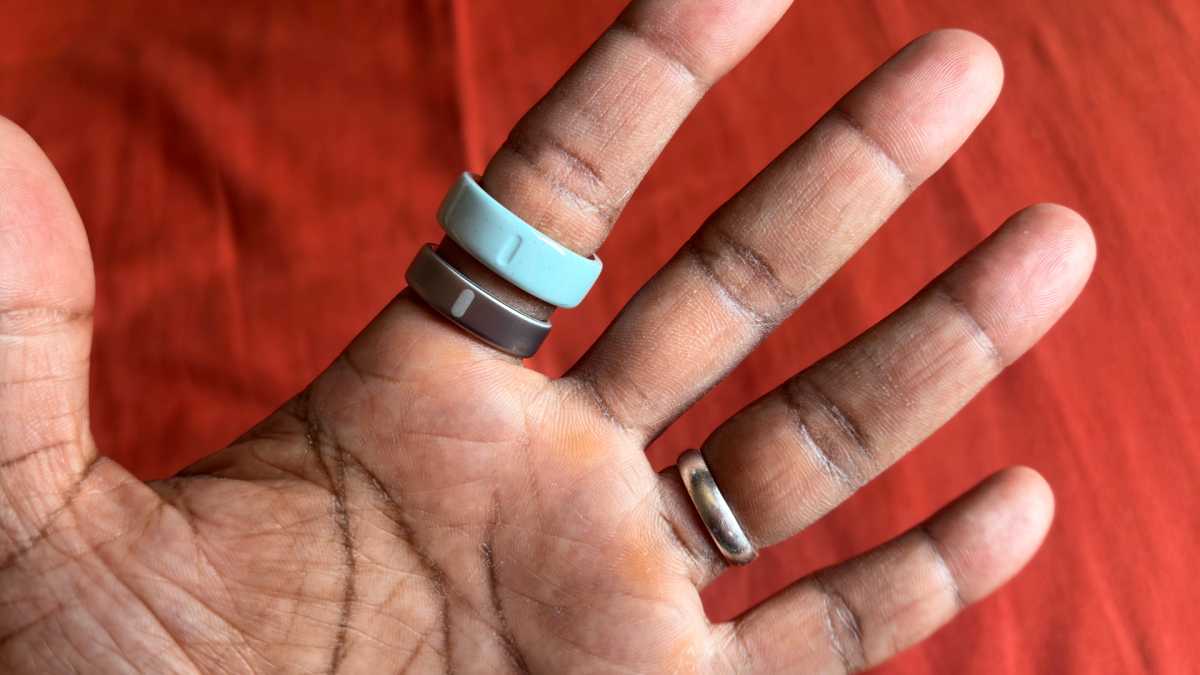
I put the 5 next to the standard and ceramic versions of the Oura Ring 4, as well as a host of other smart rings. You can instantly appreciate just how the Ring 5 dominates less on your hand than previous rings and the competition.

Mike Sawh
Despite the notable drop in stature, my ring size remained the same as previous Ouras. I still managed to get a good fit that didn’t roll around too much on my finger.
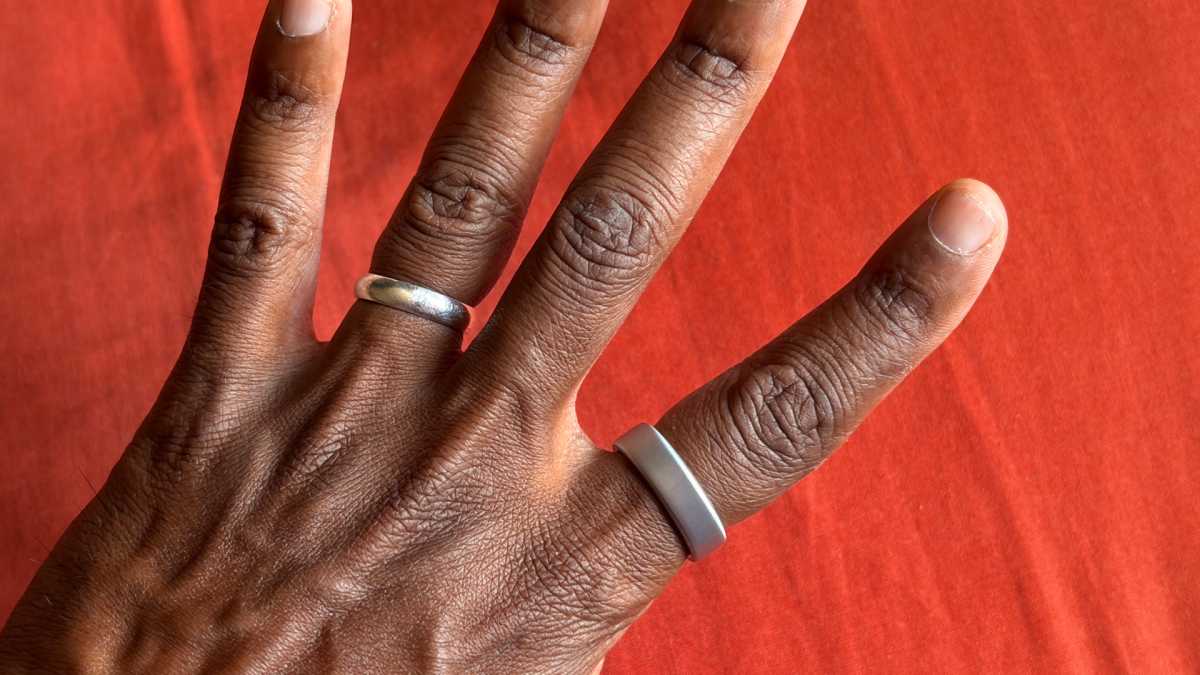
It’s a ring that remains made out of titanium, so you’re getting something that’s light yet durable. There’s only a titanium model at the moment, so those hoping for a ceramic Oura Ring 5 are out of luck for now – but one could launch in the future.
Oura says it’s using a harder PVD coating to improve the ring’s scratch resistance. I’ve been wearing it for a few weeks, and while it’s not been immune to scuffs, it hasn’t been littered with them. The ceramic Ring 4 is still the best choice for avoiding marks.
Mike Sawh
In terms of colours and sizes, there are six colours to choose from. I tested the brushed silver, which is a more muted silver look than the previous silver Oura Ring. I think it helps to give it an understated yet still very elegant look.
Other colours include black and silver (which are the cheaper option) or gold, stealth (matt black) and the brand-new Deep Rose, which has a sort of copper look. Sizes go from 6-13, which is a difference in the sizing available for the Ring 4.
Like previous rings, you can order a free sizing kit to make sure you get the best fit for tracking.
While Oura introduced a charging case for the Ring 4, the Ring 5 still ships with just the dock-style charger. The charging case may well be worth the extra £99/$99 so you can charge the device up to five times, no matter where you are, but it must be the new model and the correct size for your ring.
Fitness & Tracking
- Tracks the same metrics as Oura Ring 4
- Redesigned sensors to improve tracking accuracy
- Require a subscription for full app access
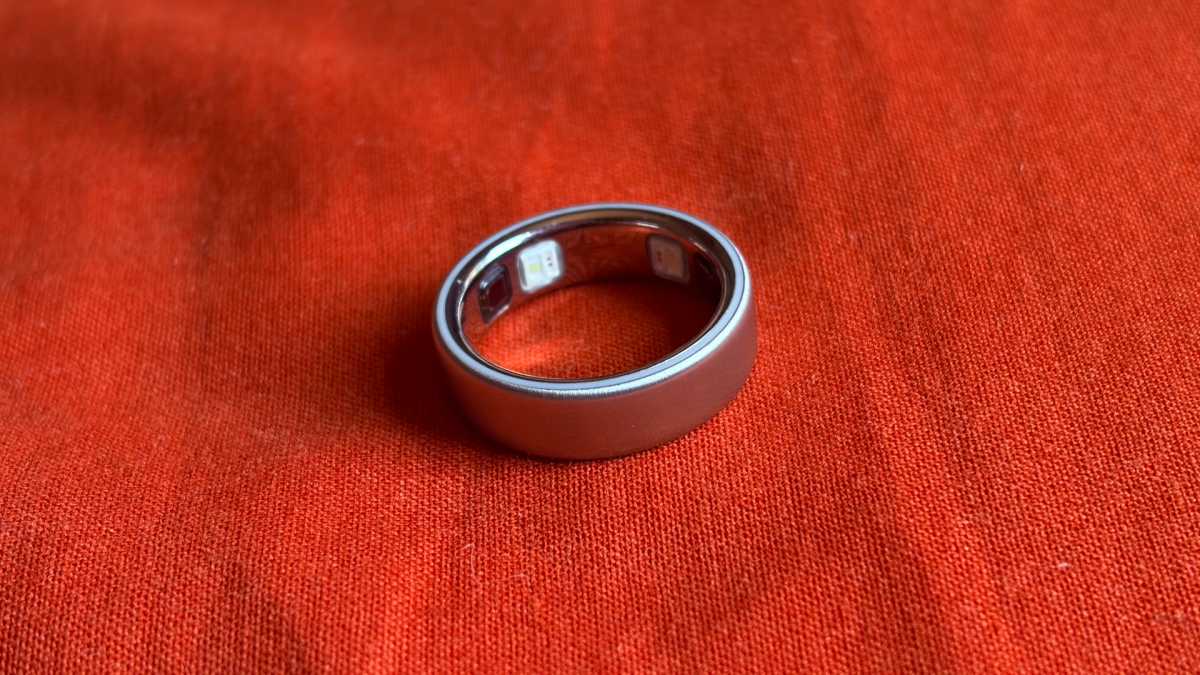
At its core, the Ring 5’s hardware and what it uses to monitor your metrics haven’t actually changed. On the ring’s interior, you’ll find 2 photodetector sensors, two sets of triple LEDs, a temperature sensor and an accelerometer to capture movement and recognise sleep.
These all enable the Ring 5 to measure information including steps, exercise, heart rate, sleep, stress and power Oura’s key readiness and resilience metrics. Those same sensors have been redesigned with the promise to improve accuracy compared to the Ring 4 in some departments.
Mike Sawh
Data lives inside the Oura companion app, which remains the class-leader in smart rings for presenting a growing amount of data and insights in an engaging way. You can access some features for free, but you still need to pay the monthly or annual subscription to make owning the device worthwhile.
It also has useful integrations, including Strava, Headspace and Clue. These help to fill the gaps for the features that the Oura can’t offer, which isn’t a particular strength for the Oura ecosystem.
The main Today screen is where you’ll get updates on your daily readiness scores or see a reminder of the time you should be preparing to get into bed. Hit the dropdown menu and there’s a lot more to find. Like logging meals or using the symptom radar.
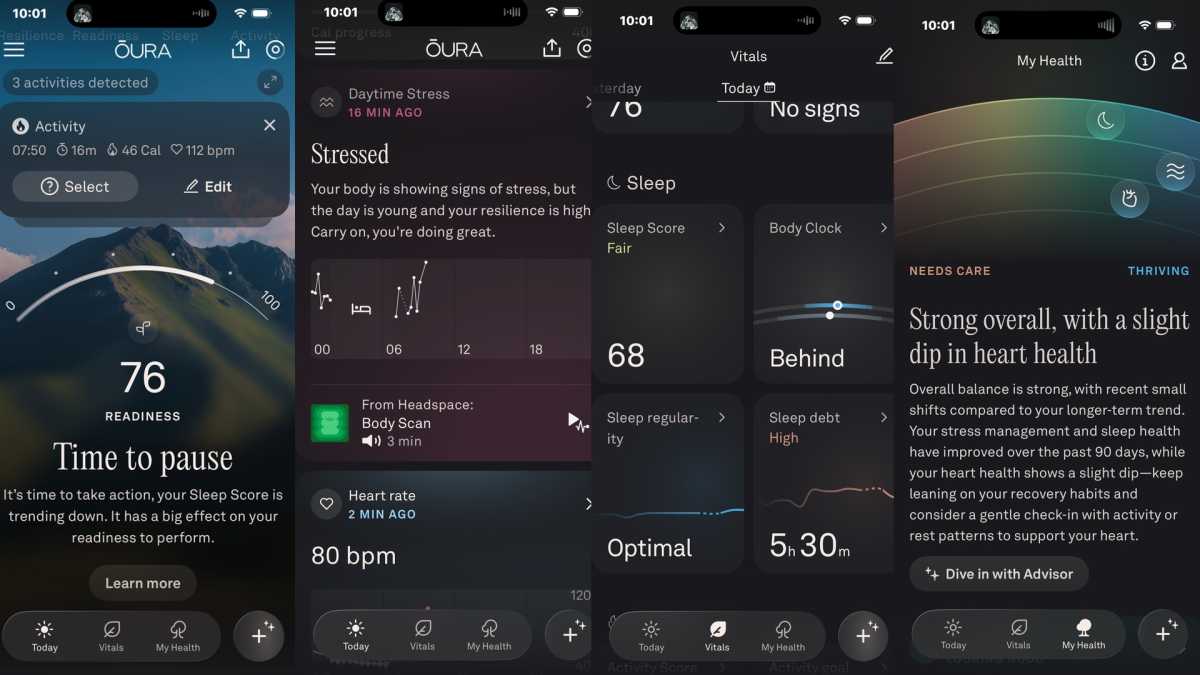
Mike Sawh
New software features like Health Radar are rolling out to US users first. This feature builds on Oura’s Symptom Radar to detect early signs of getting sick. Blood pressure signals will be rolling out to specific territories as well. While you won’t be able to take a blood pressure reading on your Oura, it will keep track of trends in your cardiovascular-related patterns from data collected by its optical sensors during the night.
These are software features that will be offered to both Oura Ring 5 and Oura Ring 4 users so on this side of things, existing owners may not feel the need to upgrade.
For tracking daily steps, the Oura does a solid job. I’ve been wearing it with two other trackers during the day and daily step count totals were very close on most days.
In terms of improved heart rate tracking, you should see a bit of a boost for exercise heart rate and recovery-based tracking during sleep monitoring. Looking at heart rate, ranges during sleep were similar to the solid sleep heart rate tracking on a Garmin and another smart ring I wore alongside it. It was a similar story for daytime averages.
In terms of tracking heart rate during exercise, this has always been problematic for smart rings in general and not just Oura. Simply because the ring can have a habit of moving around when you sweat and move. I would still say that heart rate tracking during exercise isn’t a strength for Oura.
It has come up with a solution to improve things. Now you can share the live heart rate data from another wearable. That does, of course, mean you’ll need to own another device, but if you already have one, then you can get to that better workout data.
Mike Sawh
Then there’s sleep, which has been one of Oura’s strengths. It’s not just because it’s a very comfortable ring to take to bed with you, even more so with the Ring 5. Along with sleep scores, you get sleep summaries, a more detailed breakdown of sleep and core metrics like sleep stages and duration.
Those insights looked good, particularly for capturing the time I’d fallen asleep and also posting similar times spent in REM and deep sleep stages. Oura also shows you how well you’re doing when catching up on your sleep debt and how aligned you are with your natural body clock.
Many of these metrics power Oura’s key readiness and resilience insights. The former has been adopted by other wearable makers under similar or different names. Readiness wants to simply tell you if you’ve got enough in the tank to take on a busy day. I’ve been comparing readiness scores to a Garmin and Ultrahuman’s similar insights and they were scoring me within a few points of the Oura.
Resilience insights relate to understanding your ability to recover from physically demanding or stressful periods of your week. This looks at your recovery during the night, day, as well as stress load throughout that day. You’ll then be told you have a strong resilience to those stresses or are struggling to bounce back.
You’ll find additional guidance as well as prompts to help you manage that stressful period of your week. I find the readiness insights easier to put into action than the resilience ones. If you’re more focused on stress, then this is a feature more geared towards you.
Battery Life & Charging
- Up to 9 days battery life
- Fully charges in 80 minutes
- Optional charging case is available
Despite the drop in size, Oura says the Ring 5 doesn’t see a drop in battery life. It states that the Ring 5 can last anywhere from 6 to 9 days. That’s in contrast to the 5-8 days quoted for the Our Ring 4 it’s been upgraded somehow.
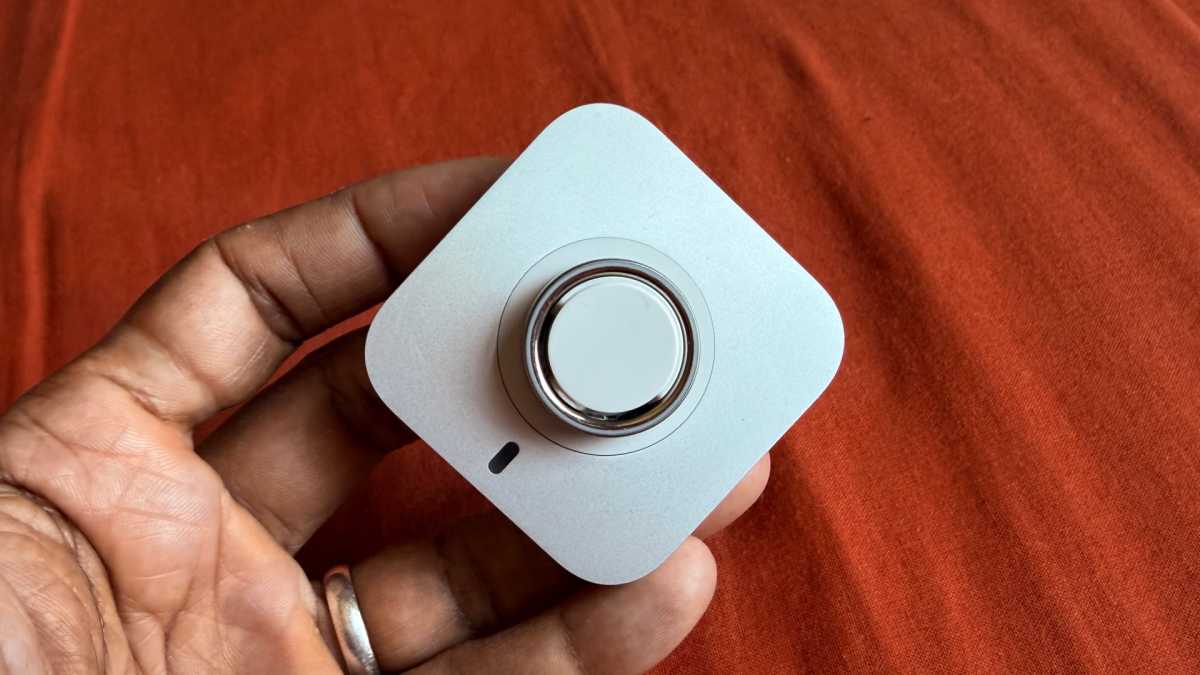
Mike Sawh
Oura says it rejigged the design and used software to optimise the battery performance. Much like previous rings, if you’re not using the more power-hungry blood oxygen sensing, this ring is capable of lasting a week.
As far as being the best smart ring battery life on offer, that’s still short of the best. Both RingConn Gen 2 and Ultrahuman’s latest rings can last longer, but the Ring 5 should last long enough for most people.
Charging the Ring remains the same. It’s the same-style charging dock that can take over an hour to get you from 0-100% battery. If you want a more convenient and travel-friendly way to charge the Ring 5, you’ll need to spend more on the charging case, which, like the ring, isn’t cheap at £99/$99.
Price & Availability
The Oura Ring 5 pricing starts from £399/$399 and that can go up to £499/$499, depending on finish. That’s an increase of £50/$50 on the Oura Ring 4, without the added subscription at £5.99/$5.99 per month or £69.99/$69.99 yearly.
That makes it one of the most expensive smart rings to buy, so it’s not a no-brainer. Especially when there are screenless options like the £84/$99 Fitbit Air now, if you’re not set on a ring.
You can buy the Oura Ring 5 from the official store as well as the likes of Amazon UK, Currys and John Lewis. In the US, head to BestBuy and Amazon.
It’s not as expensive, however, as the Ultrahuman Ring Pro ($419) and the RingConn Gen 2 ($418.60). Those rings, however, do not require a subscription to access all available features. Nor does the Samsung Galaxy Ring (£399/$399).
The Oura Ring 4 remains on sale with prices for the Ring 4 ranging from £349-£399/$349-$399, but you’ll often find it in sales like Amazon Prime Day, so it could be worth it if the Ring 5 is too expensive for you.
Check out our list of the best smart rings for our full recommendations.
Should you buy the Oura Ring 5?
If you already have an Oura Ring 4 and you’re happy with the size and how it looks and performs – ceramic or regular – then you probably don’t need the Oura Ring 5. Especially as the new software features will be available to the Ring 4.
If you’ve been holding out for a smaller, more discreet Oura, then that is what the Ring 5 gets you. Along with access to the same features and potentially longer battery life (if you are ok with the subscription cost).
The hardware and software package still make the Oura Ring the model to beat. While the likes of Ultrahuman and newcomers like Leep Ring 1 have shown that great software exists outside of Oura, the hardware simply isn’t as stylish to wear.
I’ve enjoyed using the Oura Ring 5 and I think the new smaller design will likely lure more people to buy a smart ring in spite of that subscription. I’d also be content with going back to my ceramic Oura Ring 4. It just shows that Oura now has two strong ring options where you don’t feel like you’re missing out on big software updates by spending less.
Specs
- Up to 9-day battery life
- Works with Android and iOS
- Requires monthly or annual subscription
- 2.28mm thickness
- From 2g weight
- Tracks blood oxygen levels, heart rate and temperature
- Water resistant up to 100 metres
- Tracks sleep and daily activity