




I’ve always hated phone cases and for a long time refused to use one, preferring to admire the design and take the risk.

When I got into phones, cases either replaced the default cover or I simply didn’t need one, but handsets became more expensive and increasingly like a wet bar of soap to handle, thanks to slippery surfaces such as polished glass.
It feels premium, but if you don’t want your phone looking like someone tried a smash and grab on a jeweller’s with a crowbar, then a case is pretty much a necessity.
Granted, I’ve had some nice cases from the likes of Carved and Pela, but it still feels like a shame to cover up a beautiful phone. Then something quite unusual appeared in my inbox from Arc.
Chris Martin / Foundry
I’d never seen a case like it before and thought there’s no way it was a good idea. I wanted to hate it, but after testing it for a few months, I have to eat my words.
The anti-case design
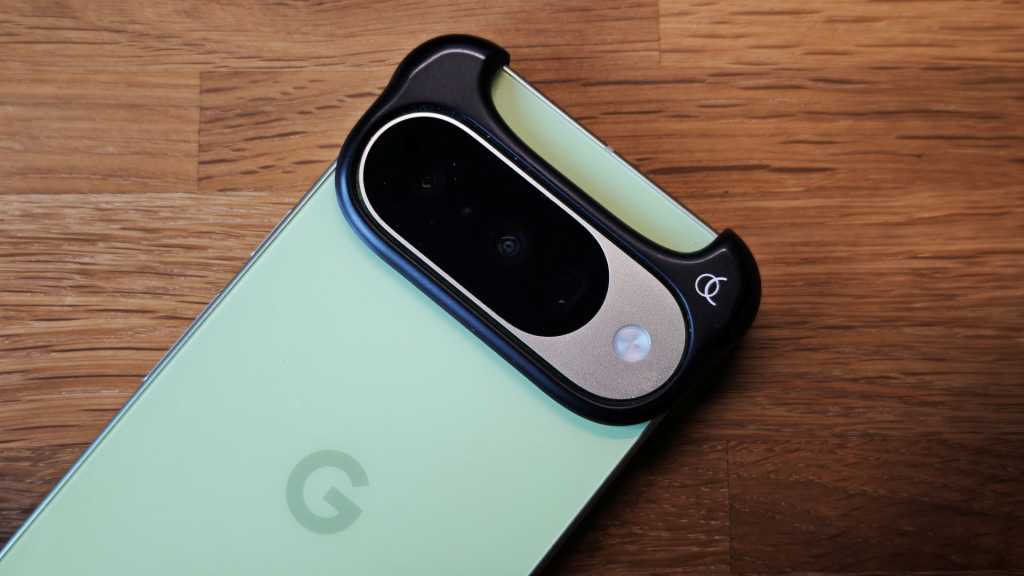
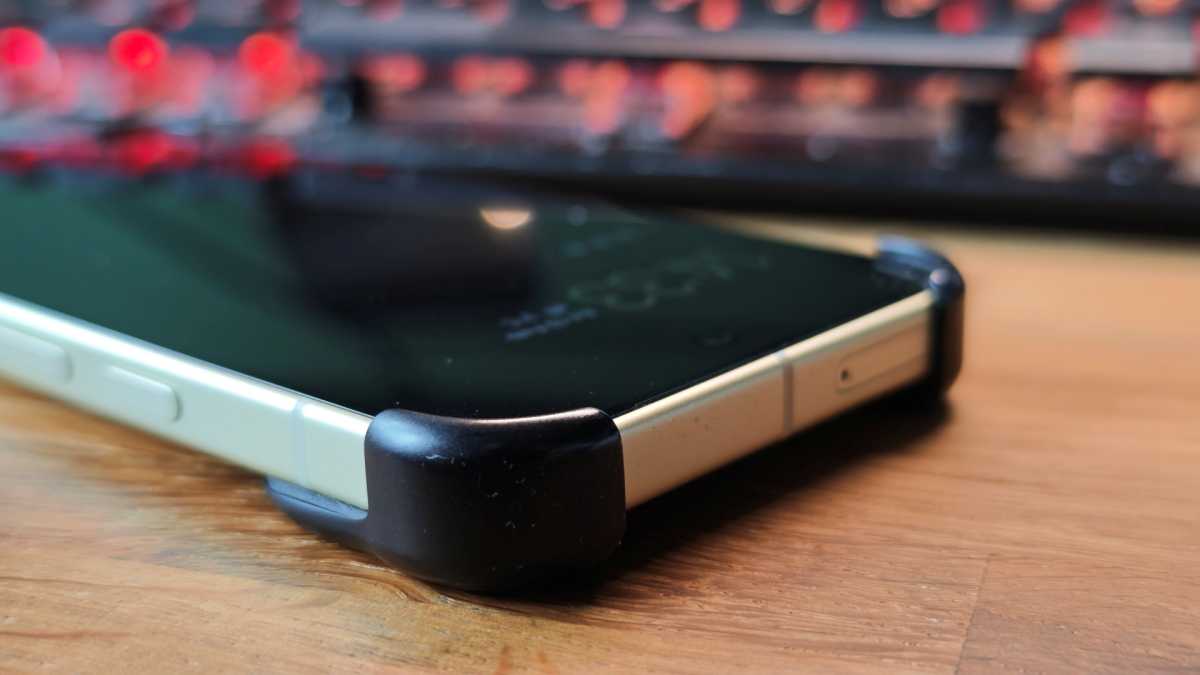
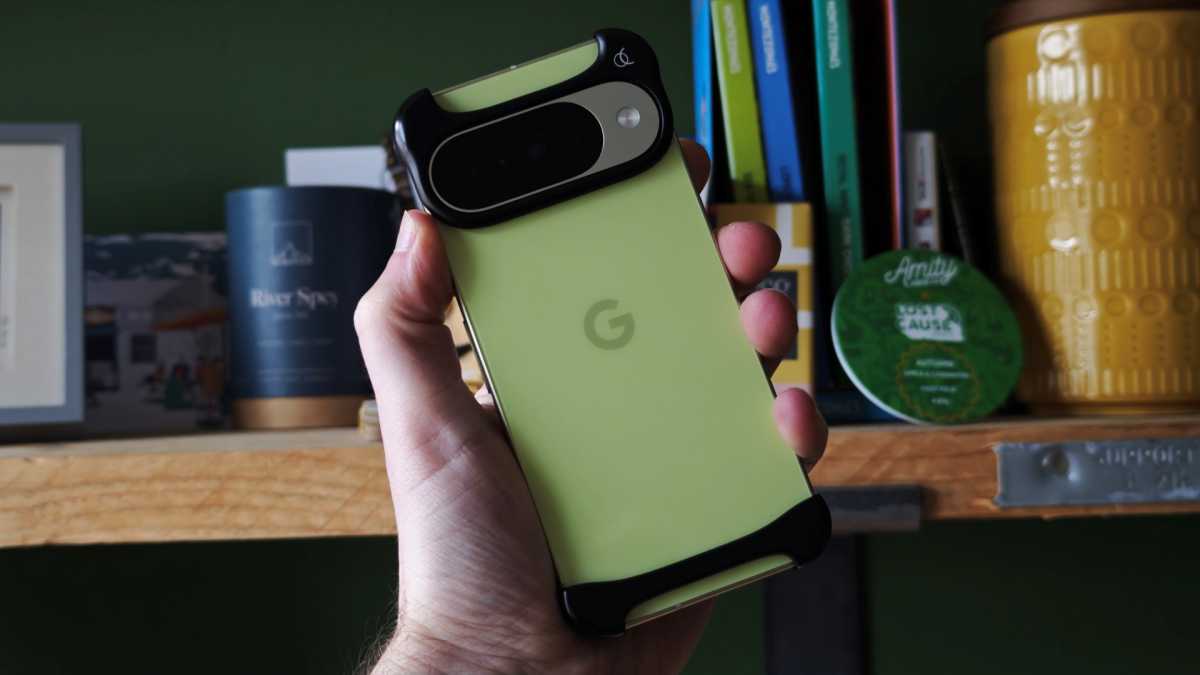
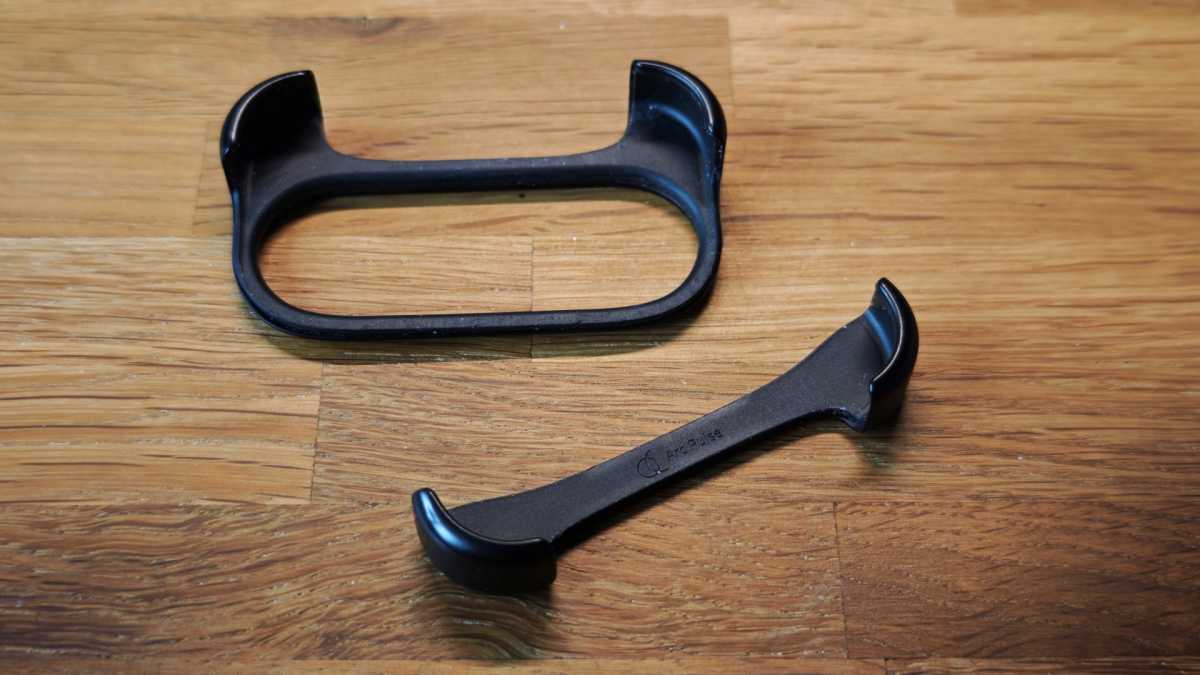
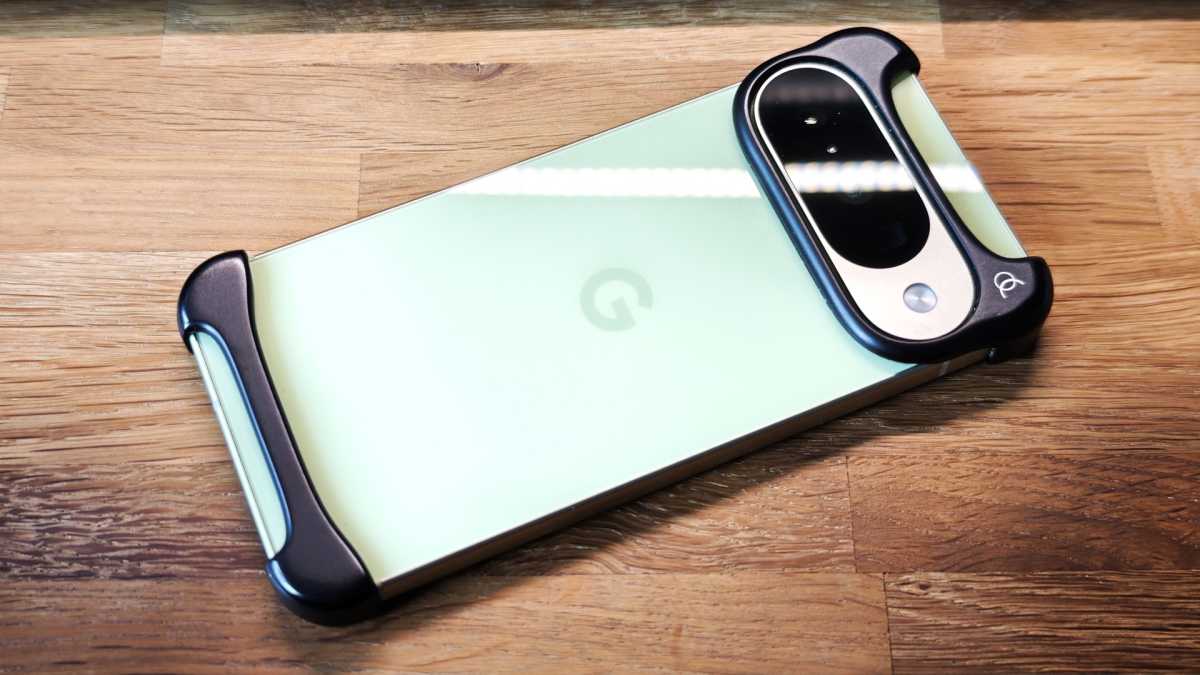
As you can see from the photos, the Arc Pulse is effectively a bumper you fit to the top and bottom of the phone. It protects the device in key areas with the smallest amount of material.
Designs vary, of course, primarily to fit around different camera modules, with some looking more gnarly and weird than others. In comparison to the mad-looking Galaxy S25 Ultra case, my Pixel 10 looks smart in the Arc Pulse, which neatly encompasses Google’s pill-shaped camera bar.
Chris Martin / Foundry
Each part of the case slots on with relative ease and stays secure thanks to a grippy rubber layer underneath the metal. I had to push the case back into place a few times after first putting it on, but it quickly settled.
The metal itself is aerospace-grade aluminium and feels very strong. As mentioned, it wraps around the important areas, keeping all four corners covered and circling around the front so you can place the phone face down without the screen getting scratched.
While I instantly liked being able to feel the glossy glass back of the Pixel 10 and being able to see the design a lot better, I remained worried about how protected the phone really was.
Chris Martin / Foundry
Well, after several months of using the Arc Pulse, I’ve been pleasantly surprised. Not only has my Pixel 10 fallen out of my pocket onto laminate floors, but it’s also been knocked off higher surfaces like tables onto both wood and tiled floors.
Plenty of drop tests – with many the grimacing kind where some kind of crack, even a hairline fracture seemed certain – and yet, not a single mark on the phone.
The phone is still more exposed compared to a traditional one, so it’s a risk, but one you may be willing to take.
Two problems
Like just about any product that comes across our test bench, the Arc Pulse isn’t perfect.
For starters, the Arc cases are only available for select (in some cases very select) models of iPhone, Samsung Galaxy, Google Pixel and Nothing phones – and AirPods too.
Chris Martin / Foundry
Even if you’re lucky enough to have a compatible phone, the case is at the pricey end of the market.
For example, the case for my Pixel 10 in the matte black I tested is £59/$69, while the silver option is £79/$89. Rose bronze for the Galaxy S25 Ultra is £99/$109. And if you want the Titanium Onyx Black for the iPhone 17 Pro Max, it’ll cost you an eye-watering £299/$299 – more than most budget phones.