
The Fitbit Air has taken the wearable market by storm, selling out at many retailers and arguably kicking off a new trend of screenless fitness tracker bands (despite the likes of Whoop already being around for years).
Google has managed this in a couple of key ways – without even factoring in getting basketball star Steph Curry as a Performance Advisor. For starters, it’s budget-friendly at just £84.99/$99, giving people a much cheaper option than the likes of Whoop.
Secondly, the Fitbit brand still has serious clout, even though it seemed to be on its way out with many years between the Air and the previous model, plus Google saying the Pixel Watch models would essentially take over from the Fitbit devices.
The hype and early success of the Fitbit Air give Google a golden opportunity to expand its wearable game. I believe the firm would be silly not to follow up the Air with a Fitbit smart ring.
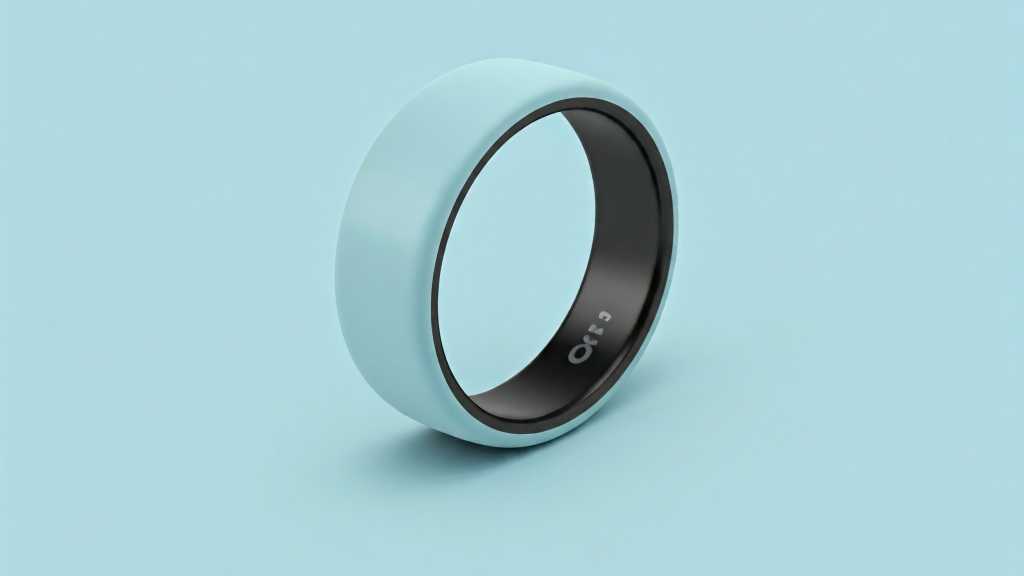
For years I’ve been hoping Google would launch a Pixel Ring (the image above is one of the designs Gemini gave me as a possibility – I rather like it), but now I realise it would make far more sense to launch it as a Fitbit Ring.
It works for the following key reasons, aside from the Fitbit brand being synonymous with fitness trackers.
Use the Fitbit Air as the basis
All Google really needs to do now that the Air exists and is on people’s wrists is take the tech inside the little pebble (below) and put it in a smart ring form factor.

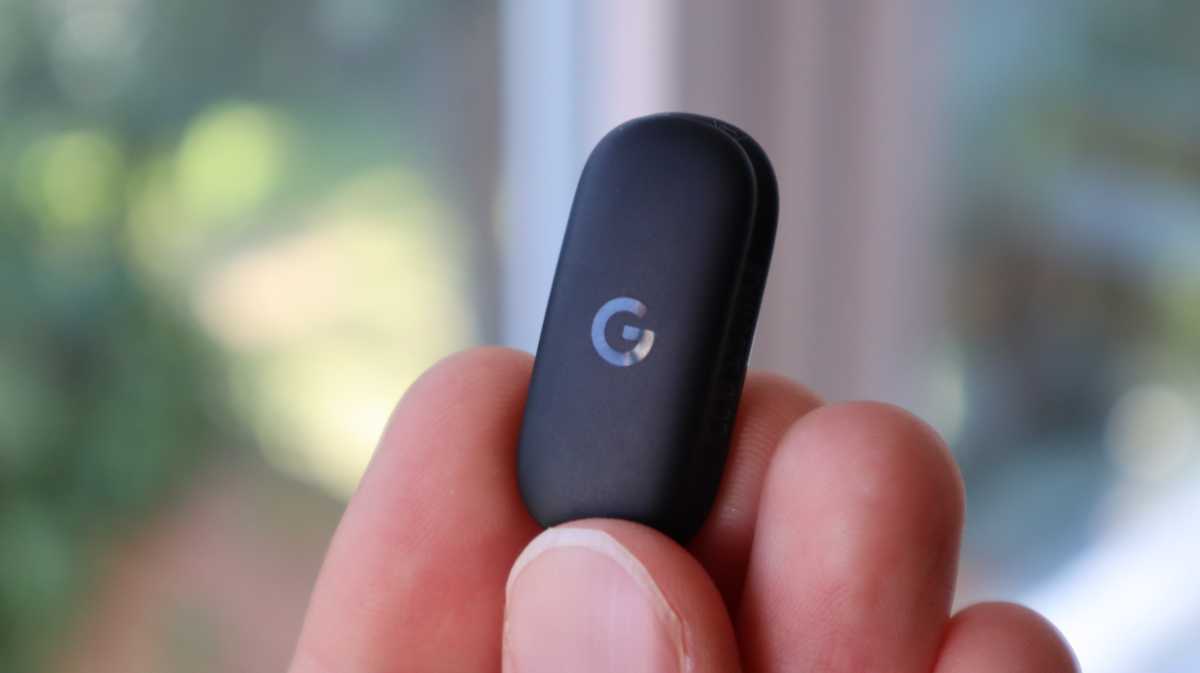
Thomas Deehan / Foundry
It should be a doddle for a company like Google, especially when there are already so many smart rings on the market to reference. They pretty much just consist of sensors to take readings, a battery and wireless connectivity.
Google’s got it all there; just put it inside a metal circle.
Undercut the competition
At under £100/$100, the Fitbit Air’s price makes it a no-brainer for many people. Spending many times more on a competitor is a much bigger purchase decision, plus the Fitbit brand recognition and trust go a long way.
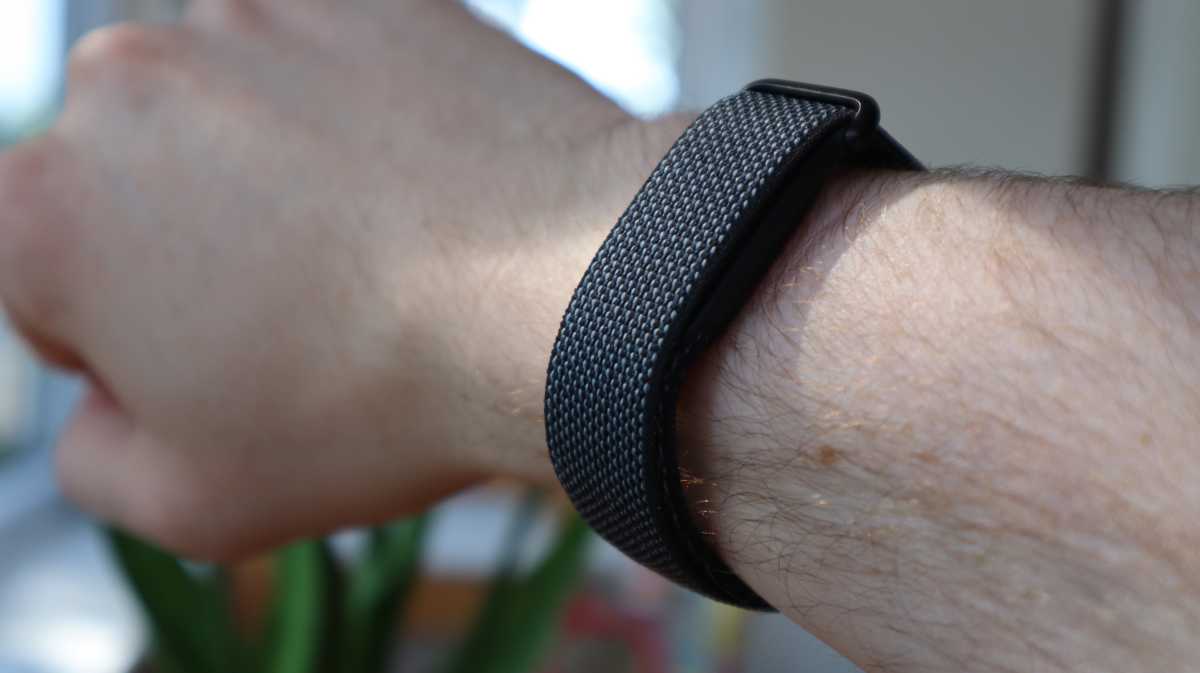
A Fitbit smart ring at a similar price would sell like hot cakes. It would be five times cheaper than the fancier Oura Ring 5 finishes, four times less than the Samsung Galaxy Ring and still cheaper than even the ‘cheap’ smart rings currently available.
Thomas Deehan / Foundry
Let’s not forget, cheap devices like the Air don’t need to make huge profits when part of the aim is to get users to subscribe to Google Health.
This is a gap in the market which Google needs to jump on now.
It doesn’t need to rival the Fitbit Air
One argument against this device might be that anyone who has just bought a Fitbit Air wouldn’t need the smart ring.
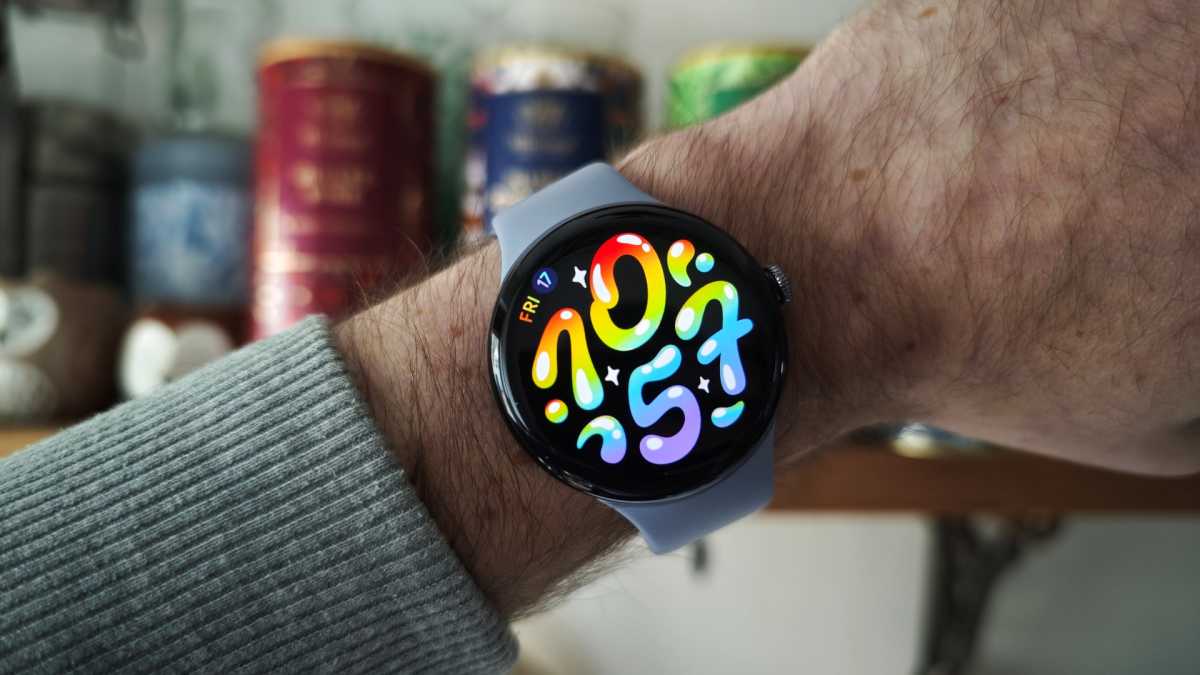
However, it doesn’t need to be a case of one or the other. They could work simultaneously (as the Air does with a Pixel Watch) for more accurate data and potentially extend battery life (as the Galaxy Ring does when used with a Galaxy Watch).
Alternatively, you could switch between the two for different scenarios and situations based on your preference and practicality.

Chris Martin / Foundry
For example, I might wear the Air while I’m playing a match of tennis and then switch to the smart ring when I go out for dinner in the evening, meaning I can wear an analogue watch.
It could also be a brilliant companion for anyone who already has a Pixel Watch and doesn’t feel the need for a Fitbit Air, yet wants some passive tracking in the background.
Conclusion
A Fitbit Ring makes total sense. If Google takes the data-first, screen-free philosophy of the Air and packages it in an affordable smart ring, it could take the market by storm.
It’s now the glaring gap in Google’s wearable lineup and doesn’t even need to be for people who don’t yet own a Fitbit Air or Pixel Watch; it can complement them and drive more subscriptions to Google Health.
Google, are you listening?