


At a glance
Expert’s Rating
Pros
- Excellent cameras
- Large, dazzling display
- Strong battery life & charging
- Top specs and performance
Cons
- Bulky with large camera bump
- Mixed own-brnad AI performance
- Fewer OS updates than some rivals
Our Verdict
Although the model has changed year-on-year in both positive and negative ways, Xiaomi has once again made one of the best Ultra phones on the market. This year, it’s more phone than full-on camera, providing a good balance. But, at this price, you’ve still got to want the photography chops of the 17 Ultra to make it worthwhile.
Price When Reviewed
This value will show the geolocated pricing text for product undefined
Best Pricing Today
Best Prices Today: Xiaomi 17 Ultra


Xiaomi’s flagship range of phones is here and, although we don’t get the fancy Pro models with a rear display in the West, the Ultra once again aims to be the best camera phone on the market.
The device launches in a slightly different format this year, with both an Ultra and a new model called the ‘Leica Leitzphone powered by Xiaomi’. The latter is an even higher-end handset, leaving the 17 Ultra as a more ‘standard’ Ultra option.
The Xiaomi 17 Ultra is still co-developed with Leica and is one of the main alternatives to the likes of the Samsung Galaxy S26 Ultra, Google Pixel 10 Pro XL and Oppo Find X9 Ultra.
Design & Build
- Less camera, more phone
- New colours
- Thinner and lighter
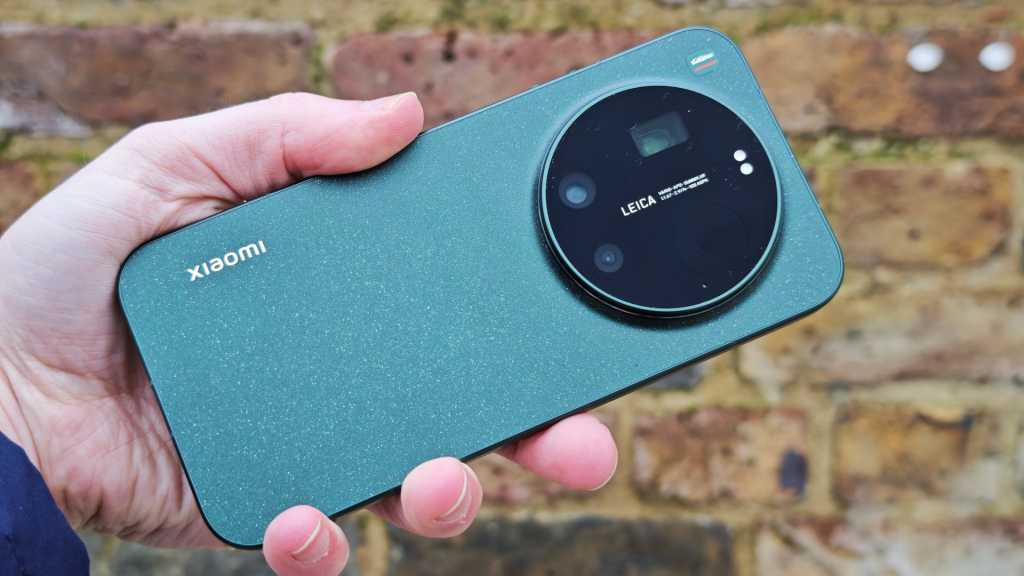
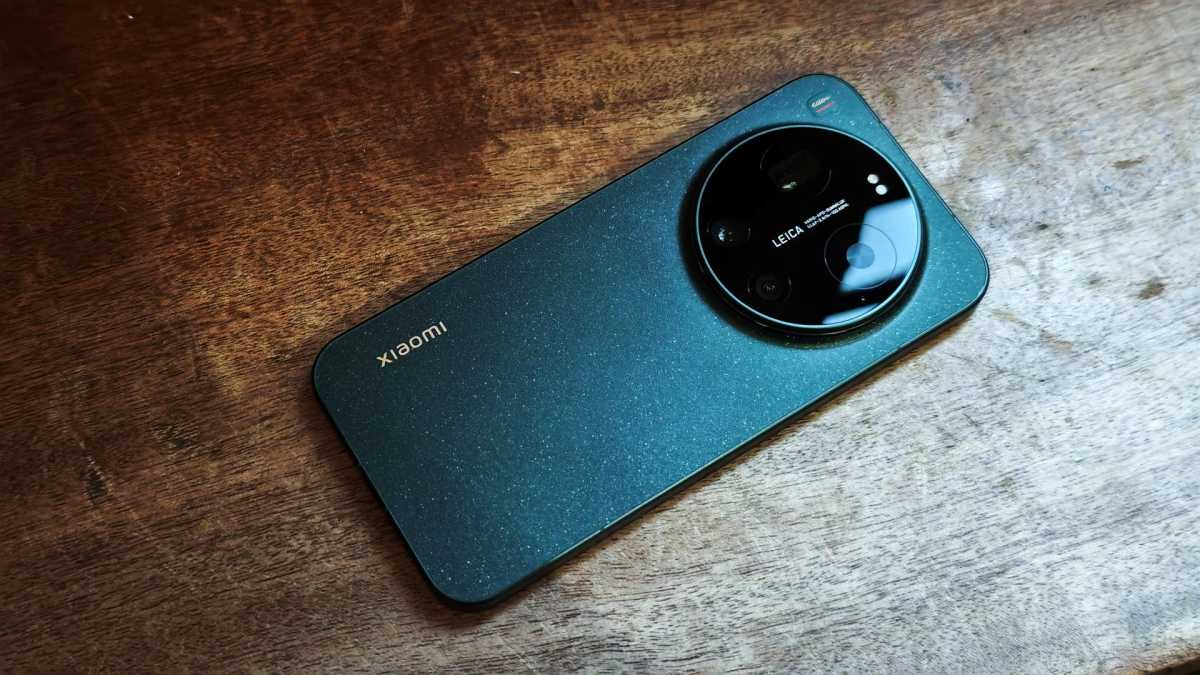
While the Xiaomi 17 Ultra has a familiar look and feel to its predecessors, there are subtle changes that make it feel more like a regular phone and less like a camera – primarily the move to flat sides and back.
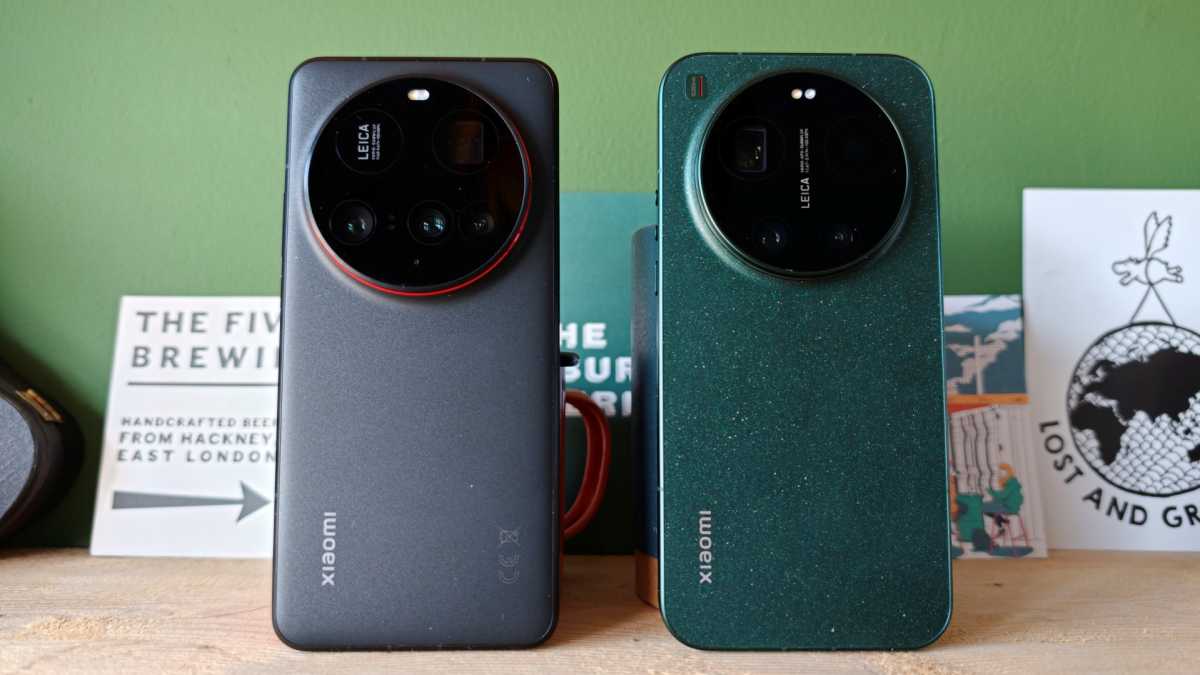
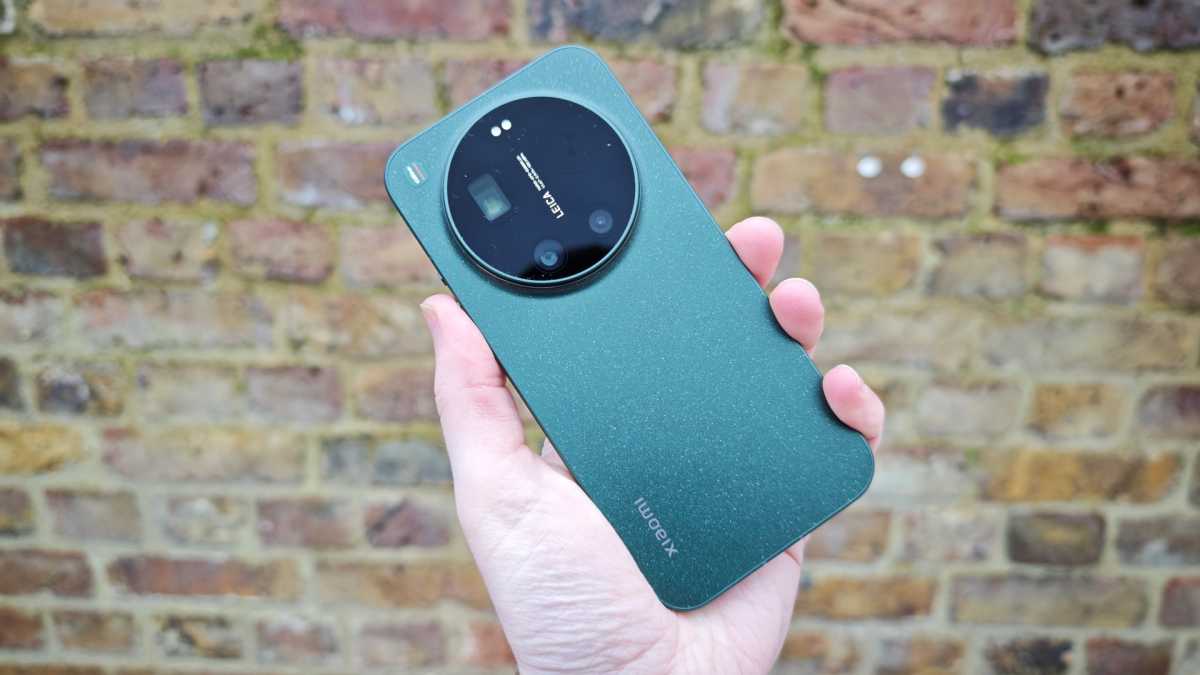
There’s also no vegan leather on the back and no coloured ring highlighting the (still huge) camera module. The colourways are also more in keeping with wider market trends and I quite like the Starlit Green model I have – with a stylish, not cheesy, glittery finish.
By the way, last year’s model was the 15 Ultra, as Xiaomi skipped 16 in order to match the iPhone generation number and appear more current.

Chris Martin / Foundy
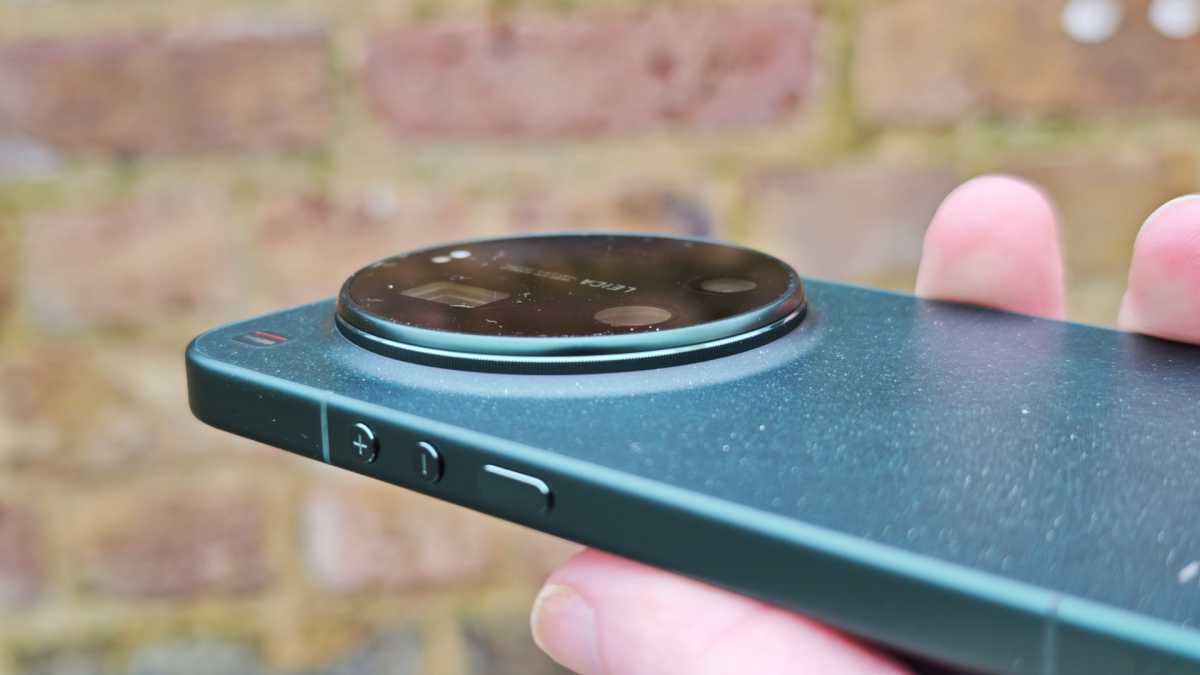
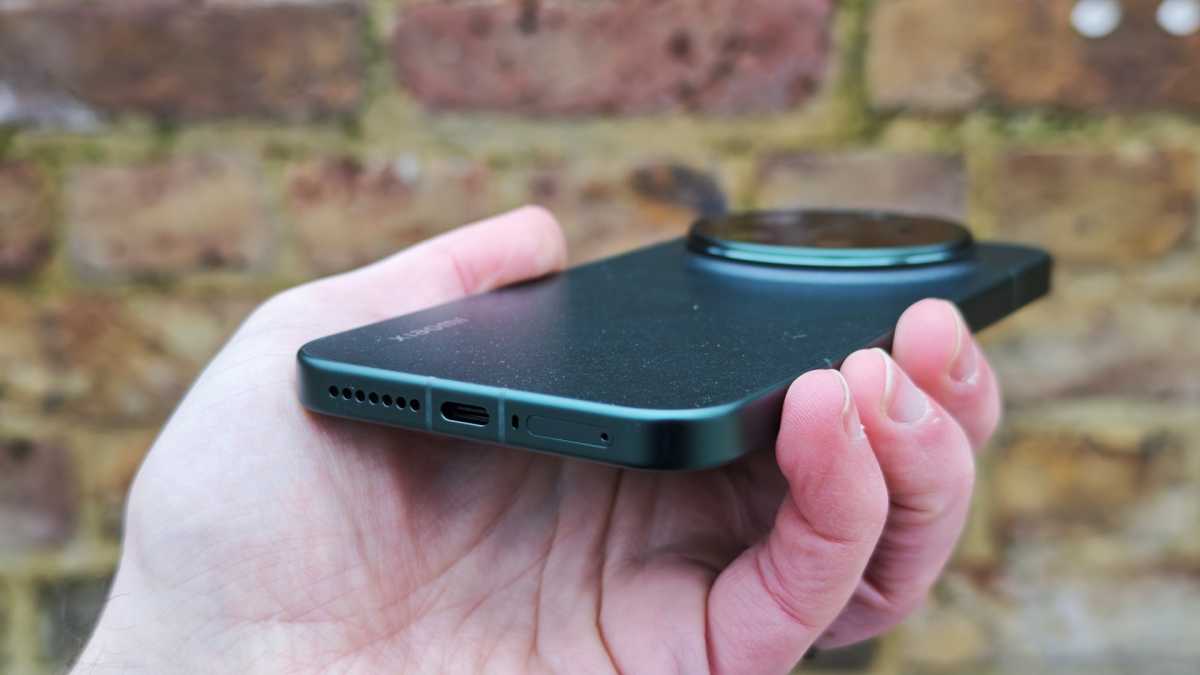
It’s also thinner and lighter than the 15 Ultra at 8.4mm (over 1mm thinner) and 218.4g (or 219g if you go for the green colour option), compared to almost 230g.
Other subtle changes include new volume buttons, which are separate and round. I wasn’t so sure about these at first, but I got used to them quickly.
There’s not much else to talk about in terms of standout design features – mainly just its materials and IP68/69 rating.
Chris Martin / Foundy
Like many phones, the frame is aluminium, but instead of a glass back, it’s made from composite fibreglass, which Xiaomi says is drop-proof. It feels nice to the touch, but the phone sounds a bit cheap and hollow if you tap the back with your finger.
It’s perhaps a little curious that Xiaomi hasn’t added any other buttons to the device, when so many rivals have some kind of quick setting button or camera button, or both. I assume this is to make you more likely to buy one of the photography kits (more on those later).
Screen & Speakers
- Flat 6.9-inch display
- Brighter but a lower resolution
- Awesome audio
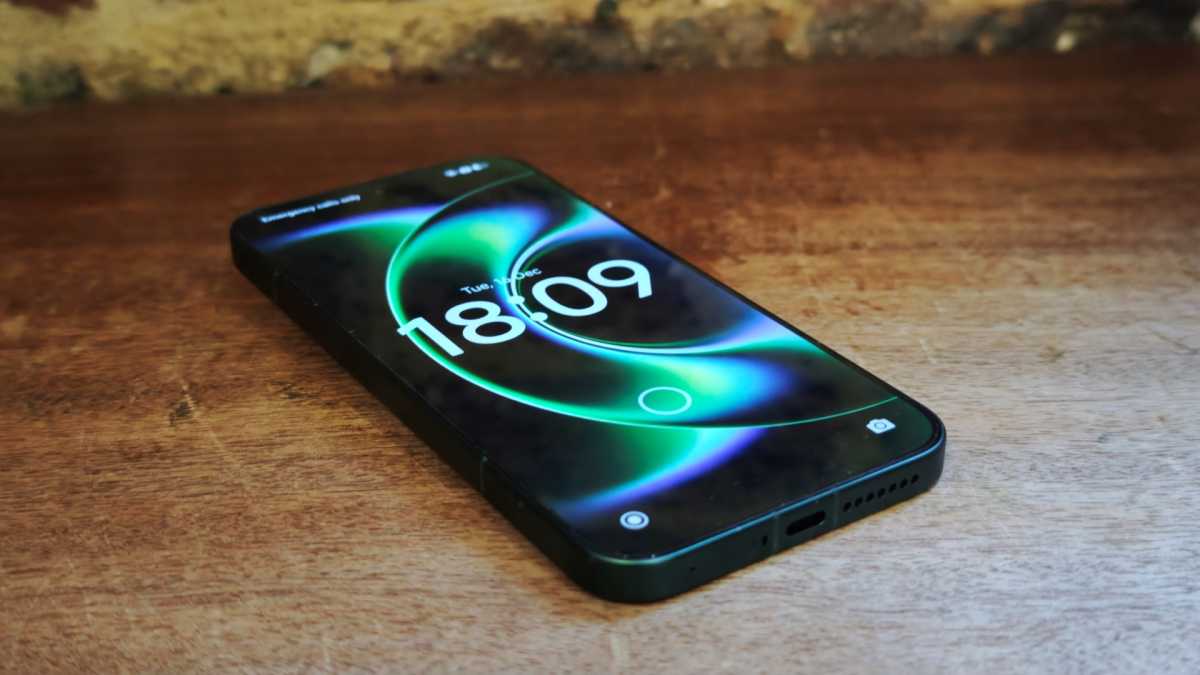
The screen on the Xiaomi 17 Ultra is similar to its predecessors, but there are a few key differences.
After two generations of the ‘All Around Liquid Display’, Xiaomi has switched to a more traditional flat panel. This is a shame as I really liked the best of both worlds experience of the previous models – a flat panel with curved glass on top.
Nevertheless, the 17 Ultra’s screen remains impressive if you like big, bold panels. It’s even larger at 6.9-inch, even brighter at a peak of 3500 nits and it’s covered in new Xiaomi Shield Glass 3.0.

oplus_3145728
Chris Martin / Foundy
It also keeps features such as the 1-120Hz refresh rate, 12bit colour depth and both HDR10+ and Dolby Vision support. There’s a slight drop in resolution to 2608 x 1200, but it’s still crisp enough for my liking at 416ppi. If you must have a QHD+ screen, this could be a deal-breaker.
For me, the Xiaomi 17 Ultra is a solid all-rounder in this area. It’s nothing special (it can’t compare to the S26 Ultra’s Privacy Display), but it does the job and that lower resolution is likely helping with the excellent battery life – more on that later. If big and bold is what you want, this is it.
Elsewhere in this area, the ultrasonic fingerprint scanner works very well indeed and the face scanning is serviceable too if that’s something you prefer (although you should bear in mind that it’s less secure).
Stereo speakers – the typical setup of one next to the USB port and the other using the earpiece – are once again excellent, offering clear and crisp audio with a rich tone even at higher volume levels.
Chris Martin / Foundy
There’s a hint of distortion if you push it right to the top, but you shouldn’t need to go beyond around 75%, in my experience. There’s also still support for both Hi-Res and Hi-Res Audio Wireless, along with Dolby Atmos, which is the default audio mode.
Dive deeper and there are features such as a graphic equaliser and immersive sound mode, although I found the latter made music sound worse, giving it a forced and harsh tone.
Specs & Performance
- Snapdragon 8 Elite Gen 5
- Up to 16GB/1TB
- Top-notch wireless
As you’d expect from a high-end flagship phone costing well over £1,000, the 17 Ultra comes with some serious specs under the hood.
This starts with Qualcomm’s most recent flagship processor, the Snapdragon 8 Elite Gen 5, backed up by a very healthy 16GB of RAM. In terms of storage, you get at least 512GB or you can double up to 1TB if you’re happy to pay an extra £200.
Chris Martin / Foundy
Either way, you get speedy UFS 4.1 storage again and I have nothing negative to say about the performance of this phone. It handles everything smoothly and I’ve not found any tasks that cause it to slow down even a little.
As well as those new components, the phone has an upgraded cooling system – the Xiaomi 3D Dual-Channel IceLoop system. Fancy name aside, the firm has adapted the vapour chamber to increase thermal conductivity by 50% compared to its predecessor and it seems to work a treat.
Xiaomi 17 Ultra benchmarks
Moving on from performance and looking at the other specs and features on offer, Xiaomi really spares no expense. You get all the latest standards, including Wi-Fi 7, Bluetooth 6.0, NFC, dual-band GPS and dual-SIM, with options ranging from two nano-SIM cards to two eSIMs (5G of course).
A secret weapon Xiaomi continues to offer, which almost all rivals don’t, is an infrared port. It was commonplace in the earlier days of smartphones, but most brands dropped it many years ago.
It means the phone can act as a remote control for your TV, as well as many other gadgets around the home. It’s easy to set up and a real boon if, like me, you have a chaotic household where the physical remotes are often missing (hidden by a toddler).
Cameras
- One less camera on the rear
- Still impressive tech and performance
- Some minor quibbles
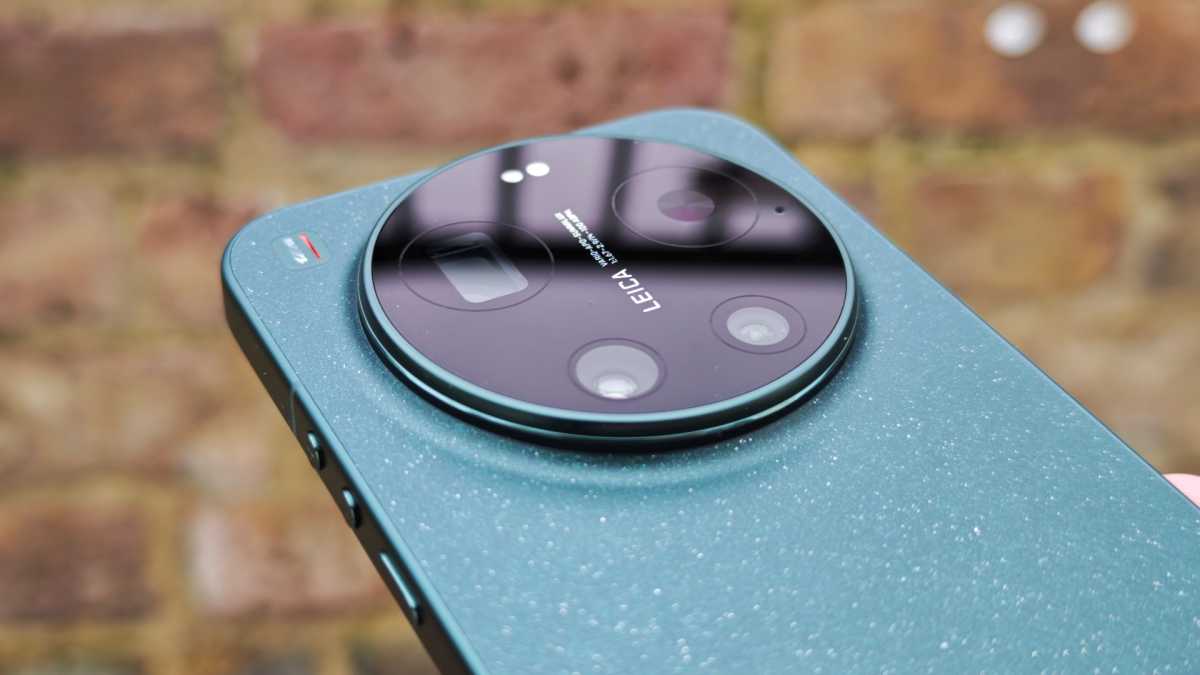
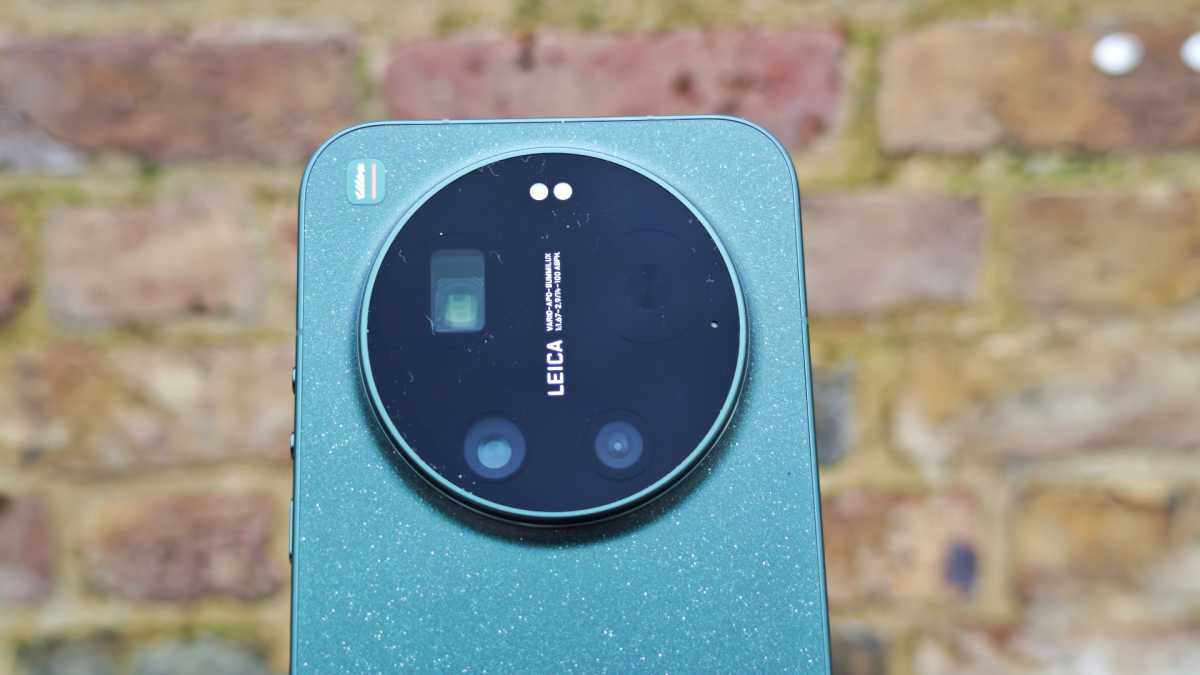
A glance at the 17 Ultra’s spec sheet might make it seem to have been downgraded from its predecessor, with only three cameras at the rear versus the four on the 15 Ultra. However, it’s not as simple as more being better.
This year, Xiaomi has reengineered the way it handles the telephoto side of things. So alongside 50Mp main and ultrawide cameras, there’s a new 200Mp (1/1.4-inch) periscope telephoto shooter.
Chris Martin / Foundy
That’s the same megapixel sensor as before, but there’s a key difference: this phone has a new mechanical optical zoom system. Inside, a small set of lenses physically move as you adjust the zoom level, as you would on a proper zoom lens attached to a DSLR.
It means you get more optical zoom on the same sensor rather than switching between two different telephoto cameras. The range is limited to 3.2-4.3x (or 75-100mm equivalent), but the large sensor also means you can crop without dramatically losing quality. The app gives you an 8.6x (200mm) option, which you can tap again to go to 400mm.




























































Starting with the ultrawide – to get it out the way – it’s decent as you would expect at this price. The 50Mp sensor takes good quality shots with minimal distortion when you want to get lots more into the shot. As usual, its performance dips in lower light, so it’s best used during the day.
The main camera also remains at 50Mp but sticks with a huge 1-inch Light Fusion 1050L sensor, fast f/1.67 aperture and OIS. It’s slightly different to the 15 Ultra but still an absolute beast with the ability to pump out stunning photos in all situations, with dynamic range in low light a particular highlight.
I think largely the samples (even resized for web) speak for themselves and that goes for the new periscope telephoto camera too. As mentioned, this is now one telephoto rather than two, thanks to some new moving parts backed by a 200Mp Samsung HPE sensor.
The equivalent range is 75-100ml, which isn’t that different, but the huge sensor means you can crop for longer range zooms and still get good quality results. If you want true optical zoom at 5x or 10x, you’ll need to look elsewhere, but again, the results are impressive – particularly check the ones I took at gigs in very tricky conditions.
Chris Martin / Foundy
At the front, the selfie camera is upgraded to 50Mp and takes great shots. I particularly enjoy the way it automatically switches to 0.8x when I’m trying to fit more in.
Moving on to software and the Xiaomi camera app is a lot more complicated than the likes of iPhone or Pixel, but that’s to be expected with all this kit co-engineered with Leica. But equally, you can ignore the Pro mode and options like UltraRAW and LOG formats if those mean nothing to you.
Everyone has an easy way to switch between the Leica Authentic and Vibrant profiles, depending on whether you want more true-to-life results or bolder, popping colour (see the difference below). The button is in the top corner, making it easy to chop and change as you shoot.



Despite an overwhelmingly positive experience, there are some caveats to mention here, starting with the way the camera rattles when you’re just carrying the phone around. This is normal (it’s not broken), but it’s way more noticeable than every other phone I’ve experienced it on.
That’s easier to live with than my finger regularly getting in the way of shots. With such a big phone, it makes sense to use the camera bump as somewhere to rest your finger and support the device, but the main and ultrawide sensors are positioned close to this edge of the module.
It means you get a blurry finger far too often, resulting in a frustrating amount of retakes or cropping later.
Photography Kits
For years, Xiaomi has been offering a photography kit with its Ultra phone and this year there are two to choose from – a regular model and a pro option.
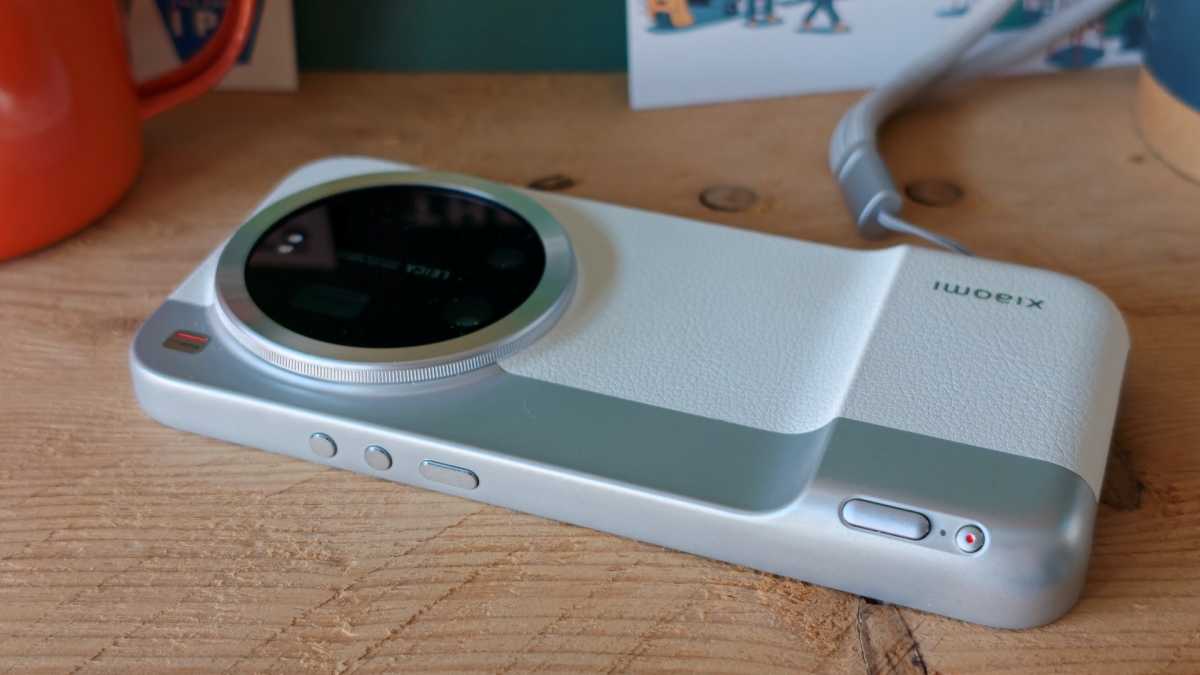
I’ve been testing the regular one, which comes in at £99 and is effectively a case you attach which provides a more camera-like style, including vegan leather missing from all colourways of the phone itself, as well as a camera grip and two buttons.
Chris Martin / Foundy
There’s a two-stage shutter button and one to launch video mode and start recording. It’s ok, but I’d recommend upgrading to the Pro kit if you’re serious about it, which I’ve loved on the previous two generations.
It’s £179, but that’s worth it as this regular model has a few flaws. The two-stage button has barely any difference between the steps, making it difficult to use; it has an awkward proprietary charger and connects to the phone via Bluetooth, meaning it’s not instantly available like the Pro kit, nor able to charge the phone like a power bank.
Battery Life & Charging
- 6000mAh battery
- Comfortable two-day usage
- 90/50W wired and wireless speeds
It’s not surprising that the 17 Ultra is a solid performer when it comes to stamina and charging.
Xiaomi has increased the battery capacity to 6000mAh (at least when compared to the global 15 Ultra, which was 5410mAh), and in my testing, it lasted for 48+ hours of use with relative ease, often going further before I needed to charge. I’m not a big mobile gamer, though, so expect less if you’re going to be pulling the trigger on the regular.
A result of 21 hours and 27 minutes in our usual PCMark battery benchmark is one of the top results we’ve seen from a phone.
When it comes to charging, the phone once again offers very fast 90W wired speeds. You don’t get a charger in the box, of course, but if you have a compatible one, you can get a whopping 75% charge in just 30 minutes.
Chris Martin / Foundy
Wireless charging is less impressive compared to the 15 Ultra, dropping from 80- to 50W, but in all honesty, 50W is the fastest wireless charger I have anyway and it’s plenty fast enough.
You can also reverse charge to top up other devices at 22.5W wired and 10W wireless.
The main disappointment is that there are no Qi2 magnets here, which we thought flagship phones in 2026 would almost certainly offer, following the Pixel 10 range last year.
However, that’s not the case, with even the Galaxy S26 range omitting MagSafe-style tech. Also, note that you can’t use wireless charging if you have either of the photography kits attached.
Software & Apps
- HyperOS 3 based on Android 16
- HyperIsland and HyperAI
- Improved software support
Another year, another OS version – so, with the 17 Ultra, you get Android 16 with Xiaomi’s latest overlay in HyperOS 3.
Now three versions in, HyperOS feels far less like a simple rebranding of the older MIUI and very much its own thing. And I mean that in a good way. MIUI was something of a messy user experience, but HyperOS 3 is far more polished and smooth.
Chris Martin / Foundy
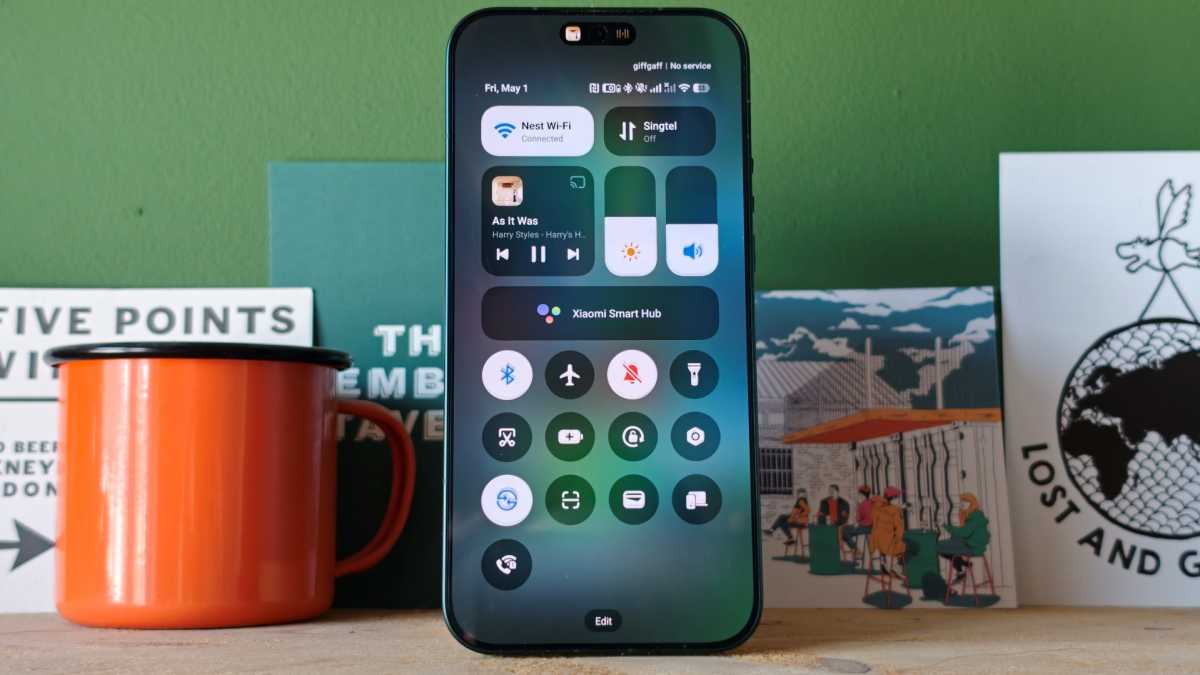
Perhaps it’s partly because I’ve been testing Xiaomi phones for so many years, but I also think anyone new to the UI would be able to find their way around fairly quickly. HyperOS 3 takes inspiration from various aspects of iOS while offering what makes Android great.
You still get the split notification and quick settings panels – both of which I quite like – and Xiaomi has even borrowed Apple’s Dynamic Island feature and made it into HyperIsland. This gives you some information around the front-facing camera when using certain apps (I found it particularly useful at the airport), as well as a shortcut to open those apps. Yes, it’s a copy, but it’s not one I’m complaining about.
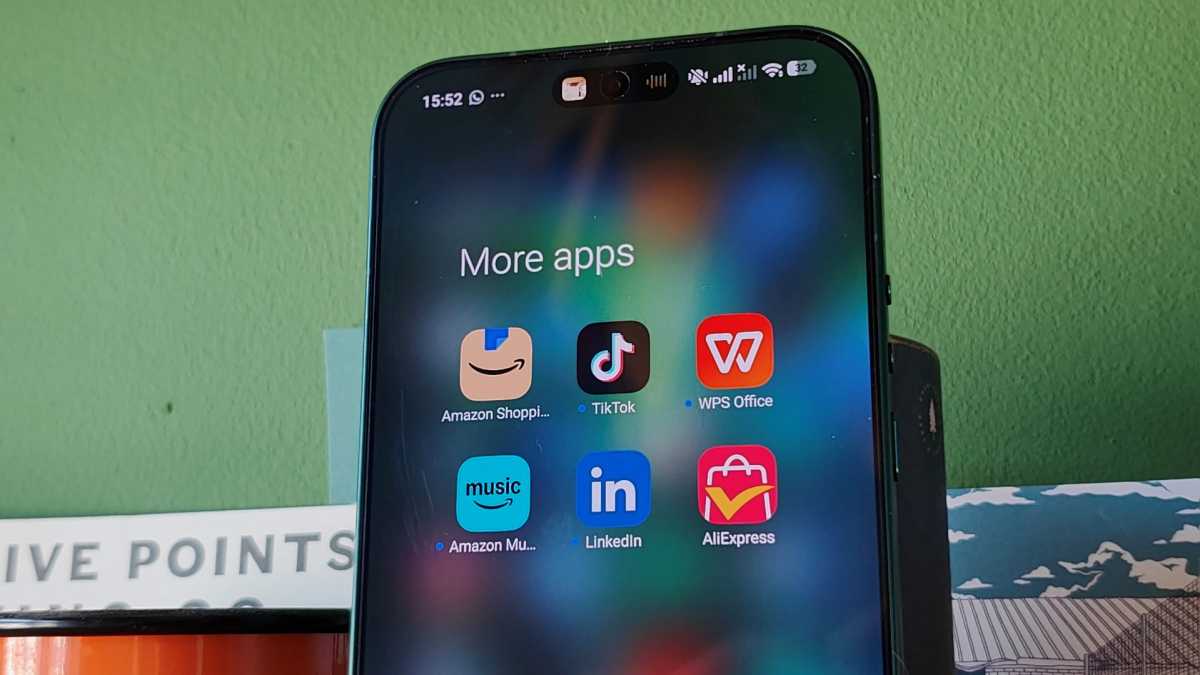
Overall, things are just cleaner and while there’s bloatware, it’s not nearly as bad as it used to be. The way I set up the phone, they’re neatly stashed in a folder called ‘more apps’, from which you can quickly delete any you don’t want. Xiaomi still provides plenty of Google duplicates I didn’t need, like Mi Browser, but there are also useful system apps which I do like.
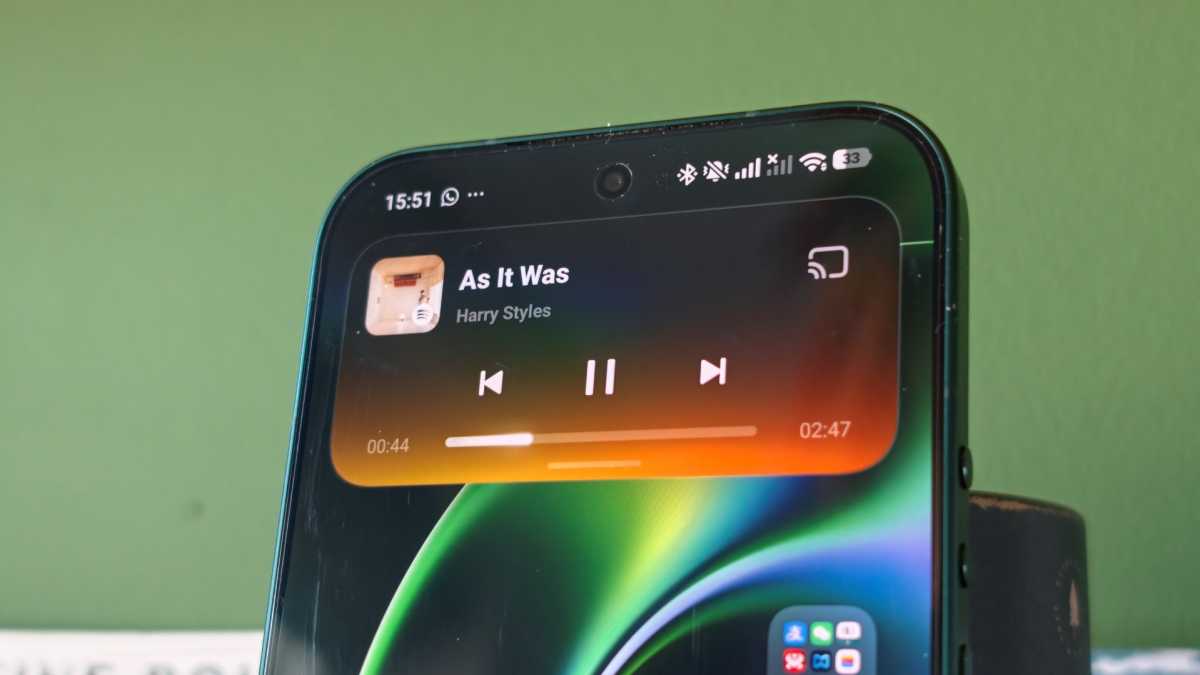
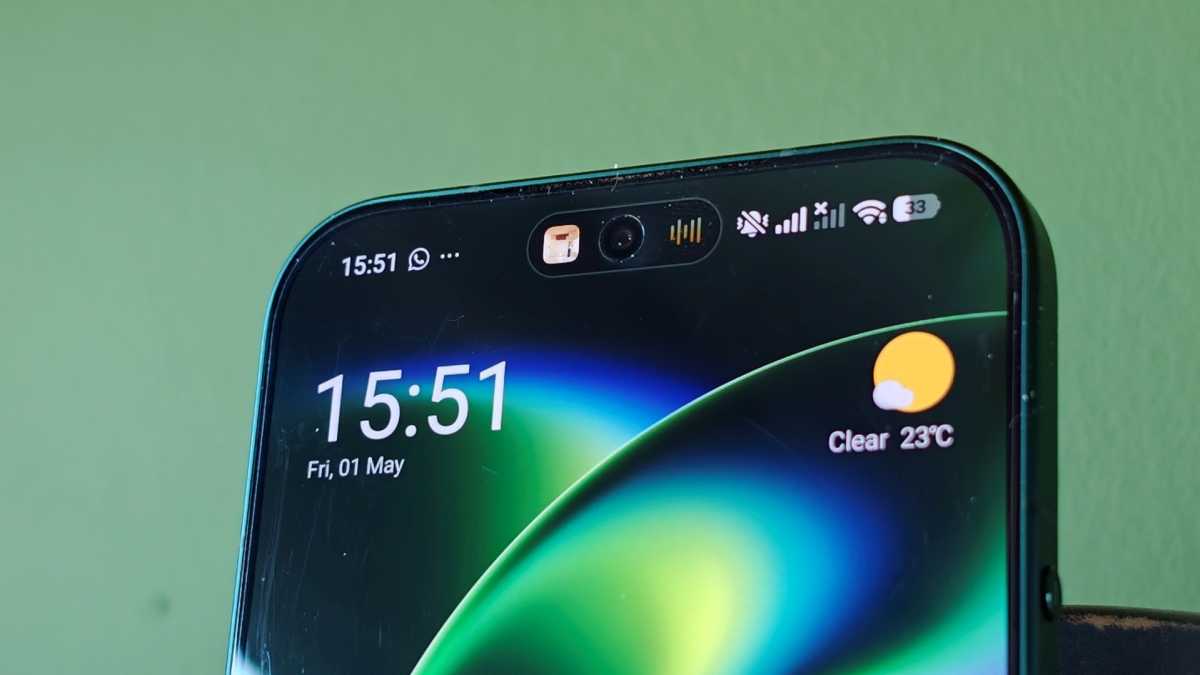
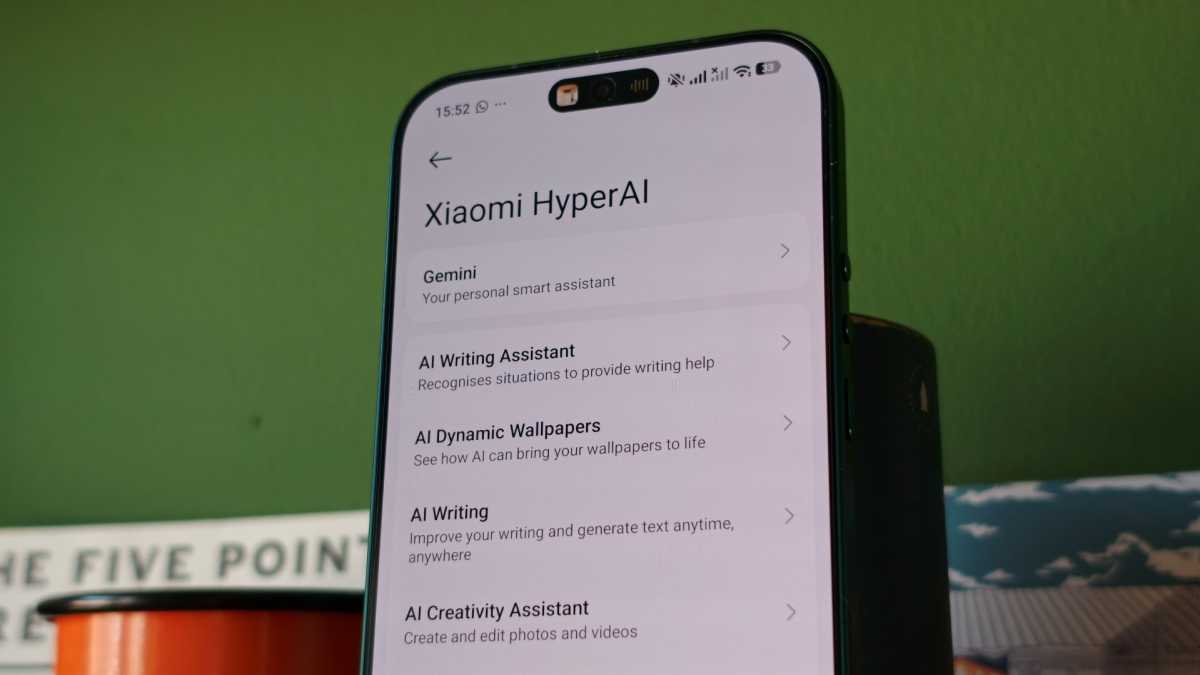
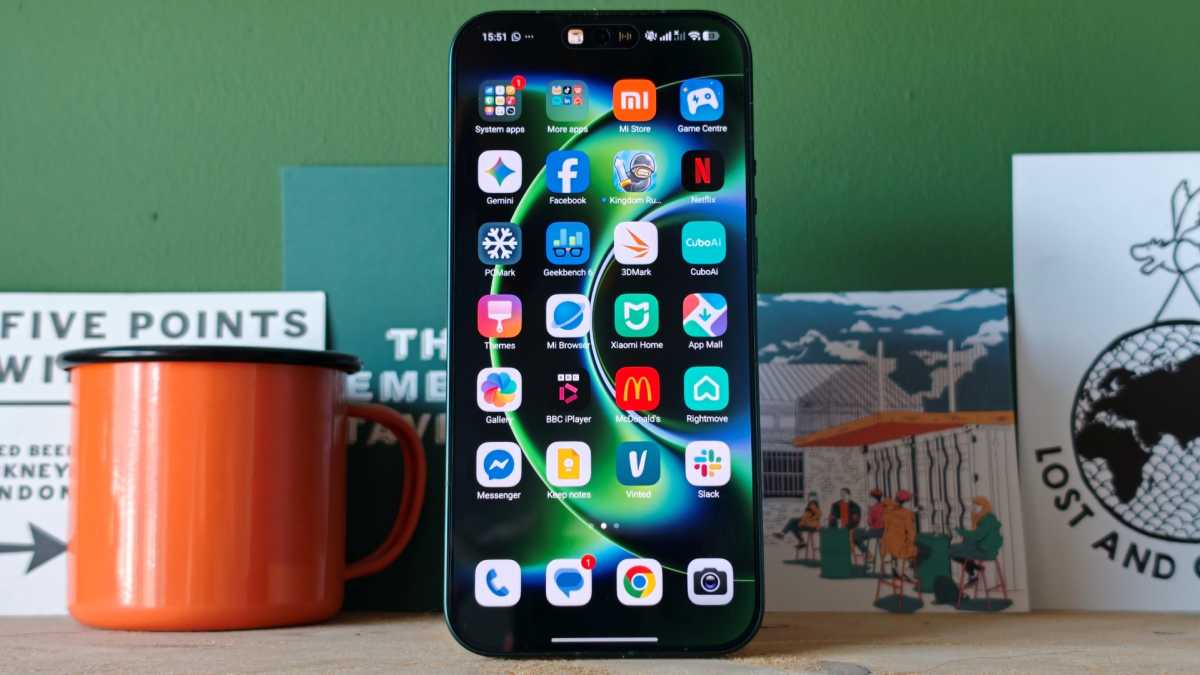
Those who like to tinker can customise to their heart’s content with personalisation options from entire themes to specific tweaks such as the font and icons. Much of it I like, but it’s frustrating to find, for example, a lockscreen template I really like, but the method for switching ads off is buried deep in the settings.
As you’d expect, there are plenty of AI features available under the banner of HyperAI. Once again, I’m not overly impressed here as much of it is hidden away in the settings, switched off with little signposting. For my personal needs, built-in Google Gemini offers more than enough AI.
On a more positive note, Xiaomi offers a solid five-year OS support promise, as well as six years of security updates. It’s not quite as long as some rivals, but it is a year more than the 15 Ultra on the OS front.
Price & Availability
It’s rare in 2026 to be writing about a phone that hasn’t changed price, but that’s the case for the Xiaomi 17 Ultra. It sticks at £1,299 just like the 15 Ultra, and this gets you a decent 16/512GB model.
If you want the model with 1TB of storage, that will set you back £1,499. And that Leica Leitzphone powered by Xiaomi model I talked about earlier is a whopping £1,699.
If you want one of the photography kits, you’ll need to pay an additional £99 for the regular version and £179 for the Photography Kit Pro.
You can buy the 17 Ultra from Xiaomi with various offers, including a free 90W fast charger at the time of writing, or head to retailers like Amazon, but it’s not widely available. As usual, it’s not officially on sale in the US, so you’d have to import it.
Naturally, the price puts it at the top end of the phone market, where it has to compete with the likes of the Galaxy S26 Ultra review, Pixel 10 Pro XL, iPhone 17 Pro Max and more.
Should you buy the Xiaomi 17 Ultra?
Every generation, I seem to enjoy Xiaomi’s Ultra effort for different reasons, but I’m glad the firm isn’t, like some rivals, just pumping out the same device year after year.
For the 17 Ultra, the major change is a more familiar phone-style design, with flat sides and a fibreglass back, rather than the camera- style with vegan leather back. I’d like to see both available as options, as per last year, but the Starlit Green model I have looks nice and isn’t simply orange because an iPhone is.
Chris Martin / Foundy
As long as you like the design here, the 17 Ultra ticks all the boxes you’d expect for a top-tier flagship: it has a dazzling screen, silky smooth performance, the latest wireless components, extras like an IR blaster you don’t find elsewhere, and one of the best camera systems in any phone right now. And that’s without factoring in the optional photography kits, which, compared to the likes of Samsung and Google, is still its secret weapon.
Xiaomi has even kept the price the same as its predecessor, the 15 Ultra, which bucks the 2026 trend. Even so, if your heart isn’t set on an almost 7-inch phone with DSLR-like cameras, you can get similar performance for a lot less money – the regular Xiaomi 17 being a prime example.
Those wanting all the extras won’t be disappointed with the Xiaomi 17 Ultra, though.
Specs
- Android 16 w/ HyperOS 3.0
- 6.9-inch Xiaomi HyperRGB OLED display, 1-120Hz display, 300Hz touch sampling, Dolby Vision, HDR10+
- In-display ultrasonic fingerprint sensor
- Xiaomi Shield 3.0 glass front
- Snapdragon 8 Elite Gen 5
- 16GB RAM LPDDR5X
- 512GB/1TB UFS 4.1 non-expandable storage
- 50Mp, f/1.67 main camera with OIS
- 50Mp, f/2.2 ultrawide camera
- 200Mp, f/2.39-2.96 periscope telephoto, 3.2-4.3x with OIS
- 50Mp, f/2.2 front-facing camera
- Dual speakers with Dolby Atmos
- Hi-Res & Hi-Res Audio Wireless certification
- 5G
- WiFi 7
- Bluetooth 6.0
- USB-C port
- IR blaster
- NFC
- Dual-SIM (inc eSIM)
- 6000mAh battery
- 90W fast charging
- 50W wireless charging
- Reverse wireless charging
- IP68
- 162.9 x 77.6 x 8.29mm
- 218.4g (Black and White) / 219g (Starlit Green)
- Launch colours: Black, White, Starlit Green