
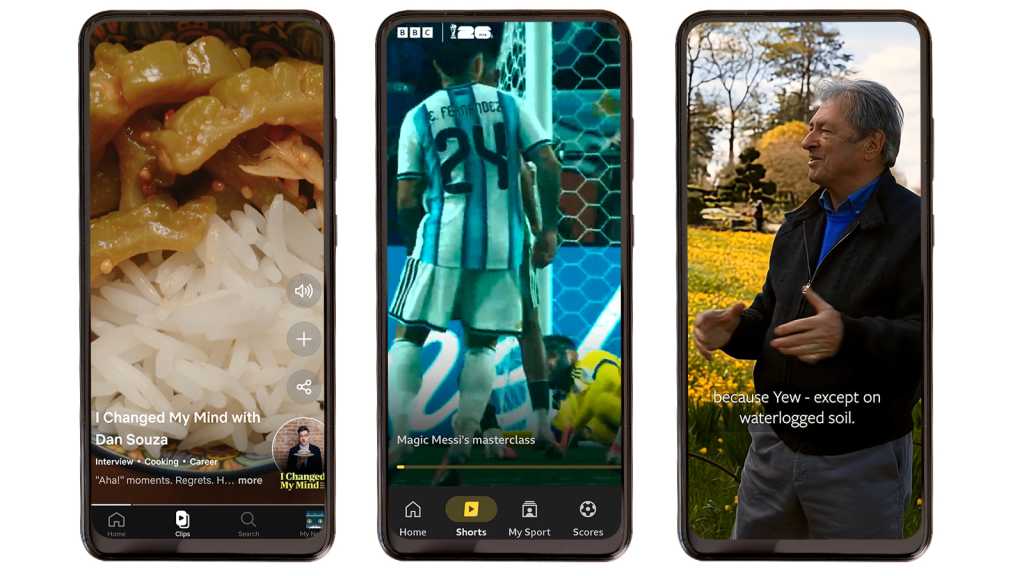
It’s official: the United Kingdom is banning social media for under-16s. Among the problems it seeks to address is the addictive nature of short-form content and its harmful effect on children’s attention spans.
But the TikTokification of other platforms threatens to undermine many of the positive effects of social media bans. And it’s not only children who are affected. The internet is growing worse for all of us.
Everything is TikTok now
I probably don’t need to explain what TikTokification is. The TikTok brand is so synonymous with short-form vertical video that almost everyone will recognise it.
The reason TikTok has been so successful and inspired dozens of clones across the internet is that it’s almost impossible to resist. It’s bite-sized content that starts playing automatically and is designed to be addictive.
The next video is always just a swipe away, while the unpredictability of what’s coming is proven to cause spikes of dopamine, the brain’s “feel-good hormone”. It’s no surprise that we keep coming back for more.

Artur Tomala / Foundry
I can just about accept these videos on social media platforms, even if I don’t agree with the rationale for unleashing them on us. But in the wider online world, short-form videos are a blatant way to hijack our attention while offering little in the way of benefits in return.
Take the personal example that inspired this article. When I finally got my smartphone use under control earlier this year, BBC Sport was one of the apps I relied on to keep my digital diet balanced. There were no doom-laden news stories or clickbait headlines – just up-to-date, trustworthy articles on a selection of topics that interest me.
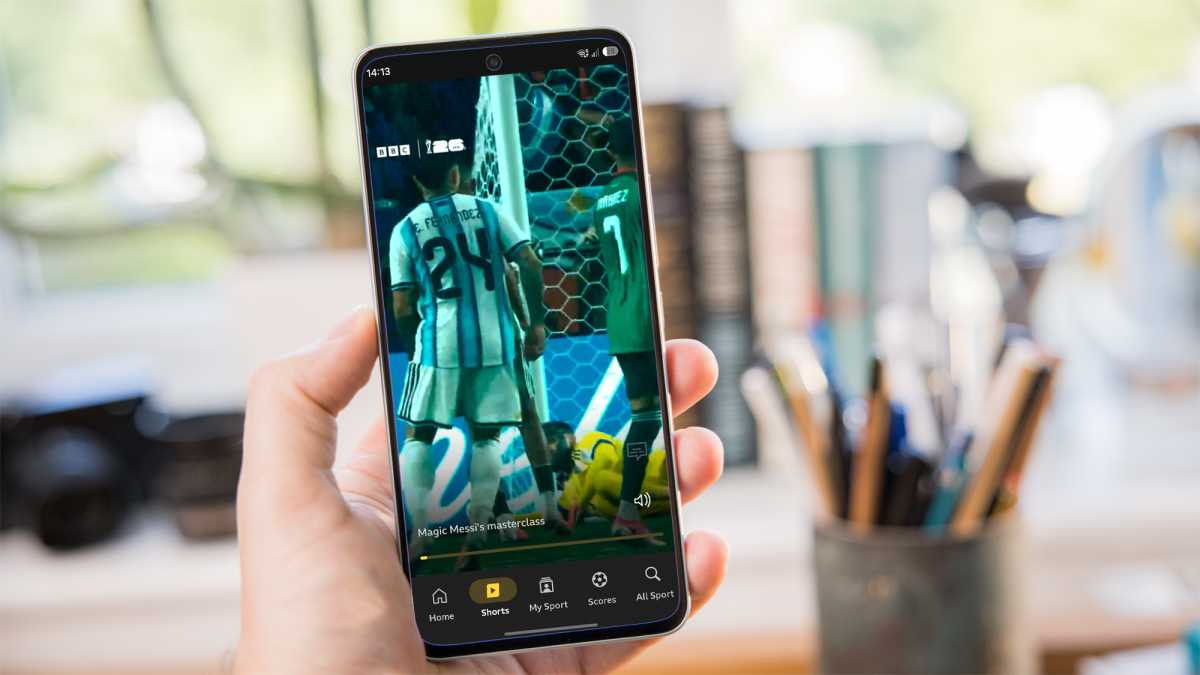
Then came the update. Earlier this month, the BBC announced that it was adding ‘Shorts’ to the app via a dedicated tab at the bottom of the screen, enabling one-tap access from anywhere.
Foundry
The design mimics the YouTube app, and its effect is predictably similar. Every time I open the app, I’m relying on willpower alone to resist the urge to tap Shorts, something I used to waste hours on every week on YouTube.
The app even offers you the option to make Shorts your default homepage, essentially turning it into TikTok for sport.
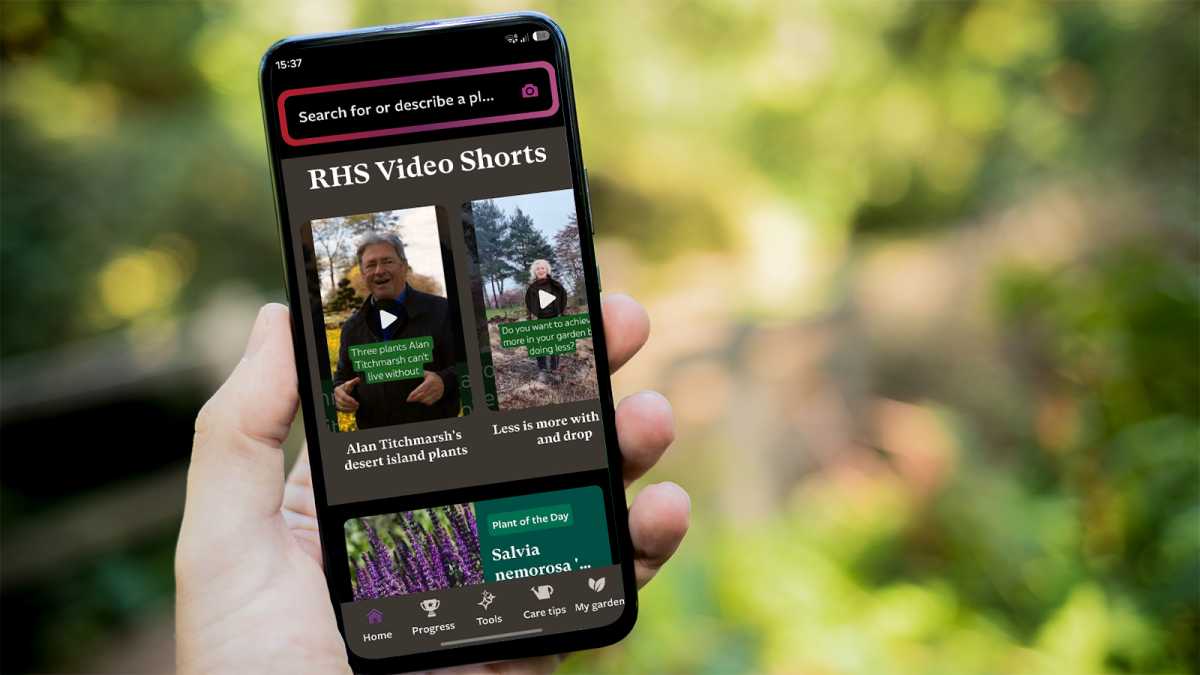
It’s far from an isolated example. A few days ago, I downloaded The Royal Horticultural Society’s (RHS) app, keen to make use of its gardening guidance. Instead, the preeminent ‘RHS Video Shorts’ feed on the homepage means I know all about Alan Titchmarsh’s desert island plants instead. As interesting as it was, it was also a massive time suck.
Foundry
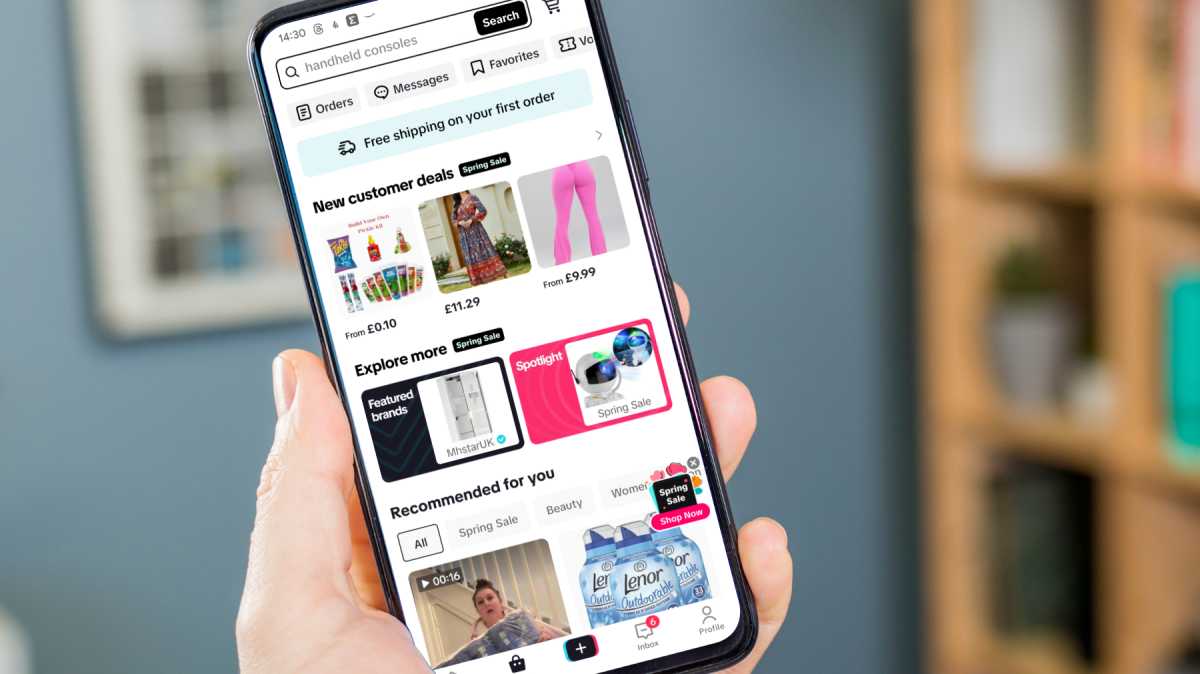
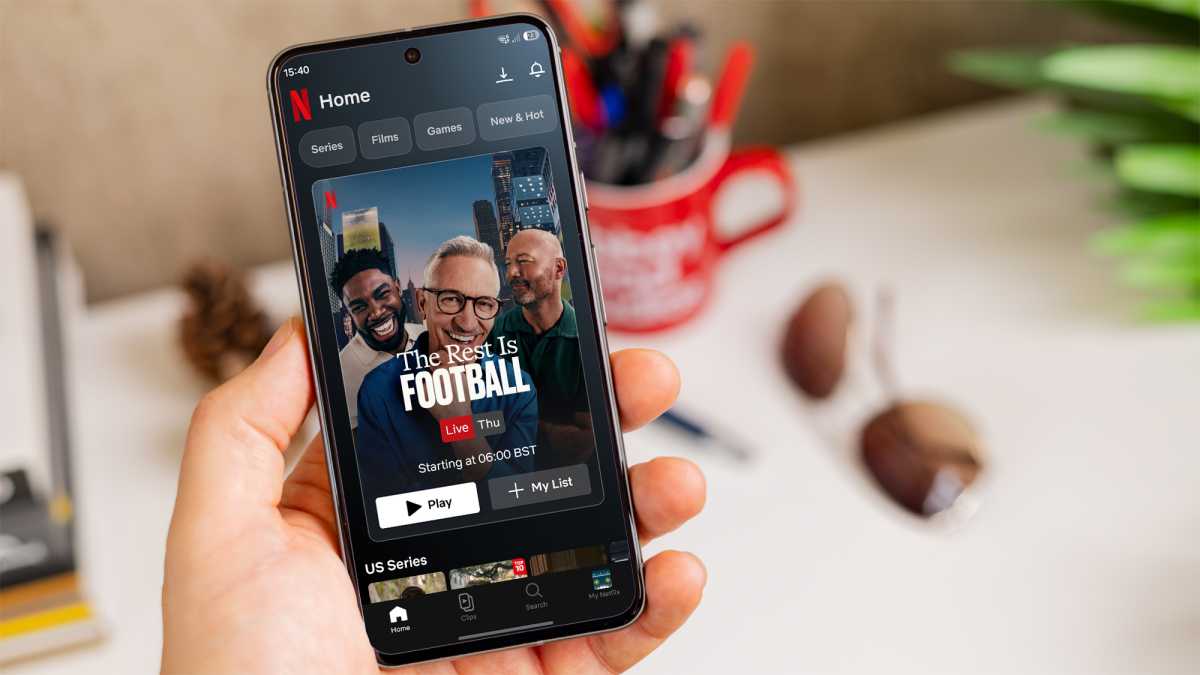
It’s a pattern we see repeated across online media. Earlier this year, Netflix introduced ‘Clips’ to its mobile app, pitching it as a “personalized highlight reel” to avoid endless scrolling. It might not be an endless feed, but shallow engagement with short clips is a disaster for our attention span. Enjoying a TV show or film often requires a degree of delayed gratification; it shouldn’t have to hook you instantly to be worth watching.
Just days later, Prime Video followed suit with a ‘Clips’ feature of its own – zero marks for originality there. Amazon hasn’t yet cracked short-form video within its online marketplace, shuttering its TikTok Shop-esque Inspire platform last year, but I’d expect it to be back for more at some point.
Martyn Casserly
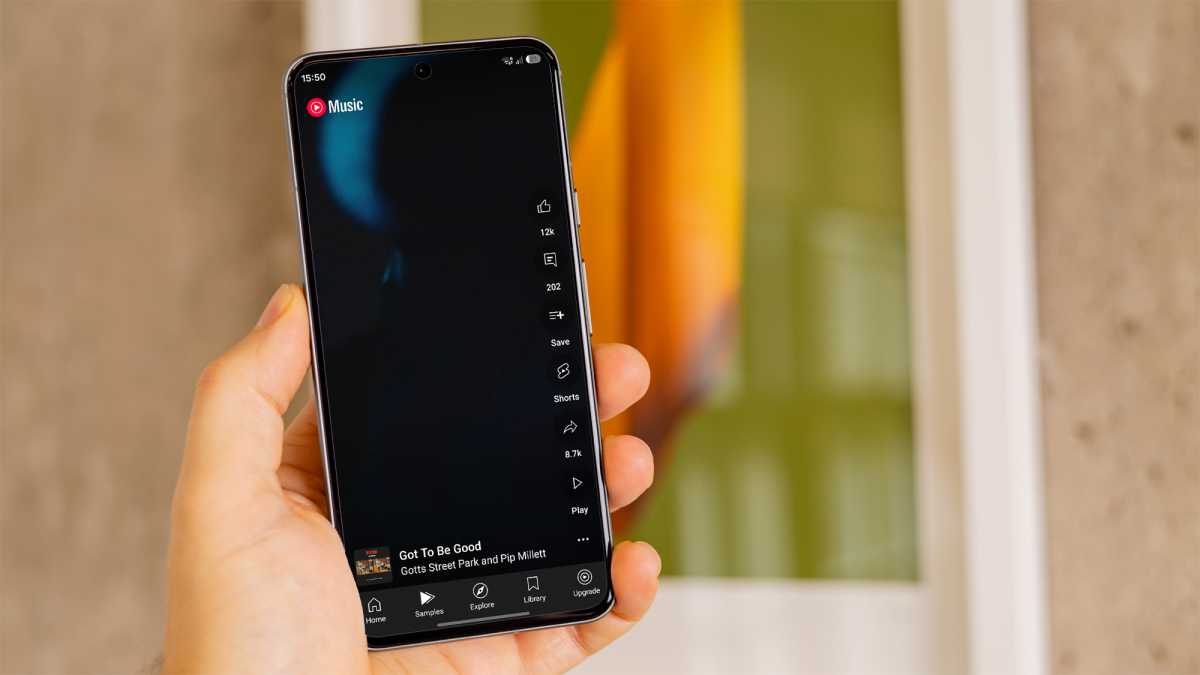
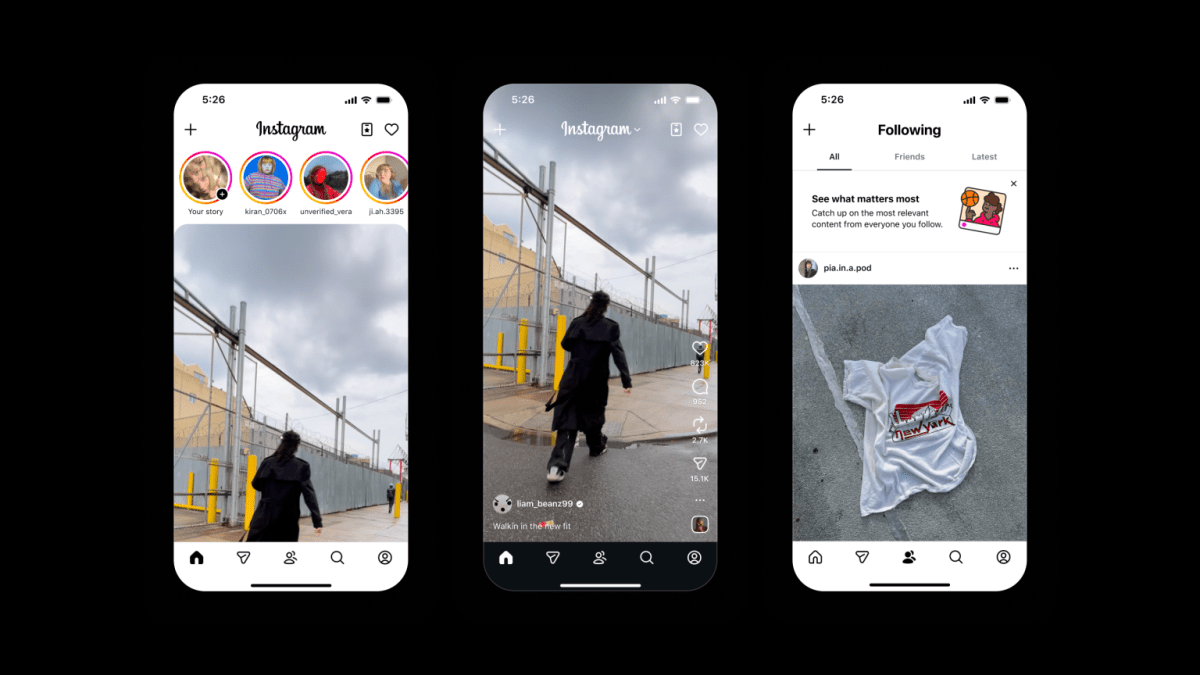
Spotify. LinkedIn. YouTube Music. Pinterest. The New York Times. BBC News. Sky Sports. ASOS. NatWest. The list of companies that have embraced TikTokification appears to be never-ending. To avoid short-form video entirely in 2026 requires opting out of large parts of the internet, which simply isn’t realistic.
The “lots of people watch short-form video” fallacy
In announcing the ‘Shorts’ rollout, BBC Sport used a common rationale: “More fans are following sport through short-form video than ever before.”
I don’t doubt the accuracy of this statement, but I have a big problem with it being used as justification for a huge expansion of TikTok-style content.
The New York Times. BBC News. Sky Sports. ASOS. NatWest. The list of companies that have embraced TikTokification appears to be never-ending
Foundry
In order to write this article, I removed my usual block on the BBC website on my work laptop. In the last half an hour alone, I’ve watched about 10 shorts, including the same one four times. It’s an experience that I’m sure many people will be familiar with.
The equation is simple: by incorporating short-form video, platforms can pretty much guarantee that more people will spend longer on them. That means more ads can be shown (or, in the BBC’s case, future funding can be secured), so it makes perfect business sense.
But to claim that you’re introducing short-form video to better serve your audience is incredibly misleading.
People are watching lots of them, yes, but it’s often not out of choice. Short-form video is the ultimate form of distraction, encouraging shallow highlights rather than any deep engagement with topics. It’s no wonder that people often can’t remember what they’ve watched just seconds after swiping away.
In the last half an hour alone, I’ve watched about 10 shorts, including the same one four times
The rise of AI and an incredibly volatile media landscape means many companies feel they must go all-in on short-form video to survive. As depressing as that is, I’m not going to judge any single organisation too harshly for doing what it deems necessary. Just don’t pretend it’s about anything other than maximising the time spent on your platform.
It speaks volumes that the BBC lets you make Shorts your default home screen on the BBC Sport app, yet doesn’t allow you to switch them off entirely.
Short-form video is a serious health risk
That might sound like ridiculous hyperbole. On what planet is checking out a few World Cup clips seriously harming people’s health?
As is often the case, it’s not about any one video, but the cumulative effect of relying on short-form content as a primary method of consumption.
In 2025, a meta-analysis (considered to be the gold standard of scientific research) of 71 studies and almost 100,000 participants found that increased short-form video use was associated with poorer mental health, including significant increases in levels of depression and anxiety.
Foundry
Even stronger associations can be seen with lower inhibitory control and reduced attention span, while poorer cognition is also reported. Concerningly, these findings were consistent across age groups and different platforms, with the study acknowledging the “pervasive role in daily life” of short-form video.
Studies strongly suggest that high short-form video consumption significantly harms our health
Another key study from earlier this year found an association between short-form video addiction and increased levels of anxiety and loneliness. Levels of life satisfaction are also lower.
While not definitive, these studies strongly suggest that high short-form video consumption significantly harms our health, and the effect appears to be platform-agnostic. Social media bans limit exposure for children, but they can only ever be a partial solution when short-form video is rampant across the internet.
Besides, do we really want to replace traditional entertainment, with its emphasis on relaxation, with rabid, TikTok-style consumption?
Meta
A fundamentally flawed model
I hate that we live in a world where embracing TikTokification is seen as the only way to secure your future as a media organisation. Its effects on our health are being largely ignored as more and more companies seek to keep us engaged.
But reining in the pervasive march of short-form video requires a fundamental shift in the way society operates, which is beyond the reach of any single government.
Besides, do we really want to replace traditional entertainment, with its emphasis on relaxation, with rabid, TikTok-style consumption?
Social media bans are an important first step, but the ship has long since sailed when it comes to the TikTokification of the media landscape. Short-form video seems here to stay, and will likely continue to have harmful effects on the people who regularly consume it.
Ultimately, even in the absence of social media, children and adults must grapple with an internet that is often set to exploit rather than provide for them.