






The smartphone market is utterly relentless, and it’s terrible news for our planet.

While new iPhones only launch a couple of times a year, a week rarely goes by without a new Android handset coming to market. Historically quiet periods have basically evaporated, with a shiny device always just around the corner.
And, while I write about them for a living, I can’t ignore what this deluge of new pocket computers is doing to the planet.
The impact of smartphones on the environment is well documented, with the mining of rare earth minerals, production of complex circuitry and global shipping leading to significant emissions and, in some cases, biodiversity loss (around 16.6m2 per smartphone, per Dutch bank ABN AMRO).
Energy demands remain high once the device is in your hand, especially with the increasingly power-hungry data centres that power modern AI functionality.
Then, at the end of its lifespan, irresponsible disposal leads to a mountain of e-waste, causing the leaching of heavy metals and other toxic substances into the environment. According to the World Health Organization, just 22.3% of all e-waste was documented as “formally collected and recycled” in 2022, and I doubt the situation has improved much since then.
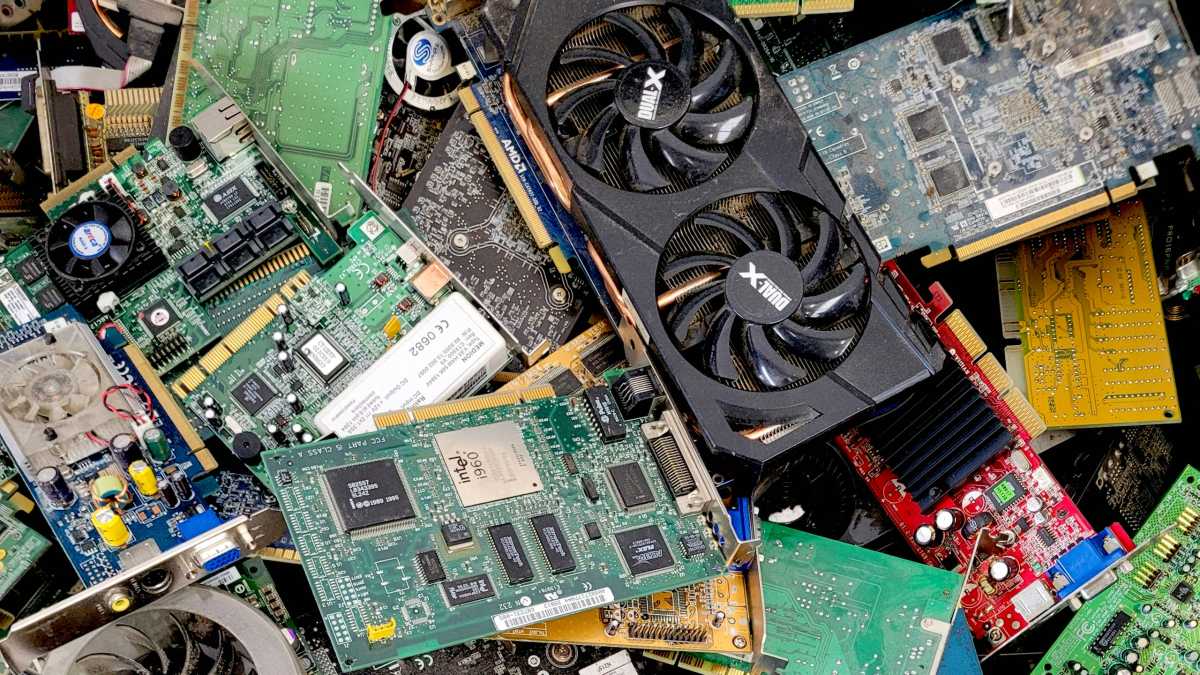
I’m not writing this to try and convince you to ditch your smartphone, though. I’ve tried switching to a dumb phone, and it’s not a realistic long-term solution for most people.
But with fancy marketing wherever you look, and AI-powered social media algorithms designed to make new devices look irresistible, the lure of a new smartphone can be extremely powerful.
To mark Earth Day (22 April), I want to highlight a few easy ways in which we can all reduce the environmental impact of our smartphones. And don’t worry, you won’t have to give up your iPhone, ChatGPT or TikTok – unless you want to, of course.
1. Wait as long as possible before upgrading
Keeping the same smartphone for longer to reduce your environmental impact might seem like ridiculously obvious advice, but it shouldn’t be ignored.
With most phone makers ‘upgrading’ their handsets every single year, there can be real pressure for us, as consumers, to do the same. Even if you’re on a 24- or 36-month contract, getting a new handset at the end of that period might feel like a no-brainer, at least financially.
It’s important to consider why you feel the need to get a new device
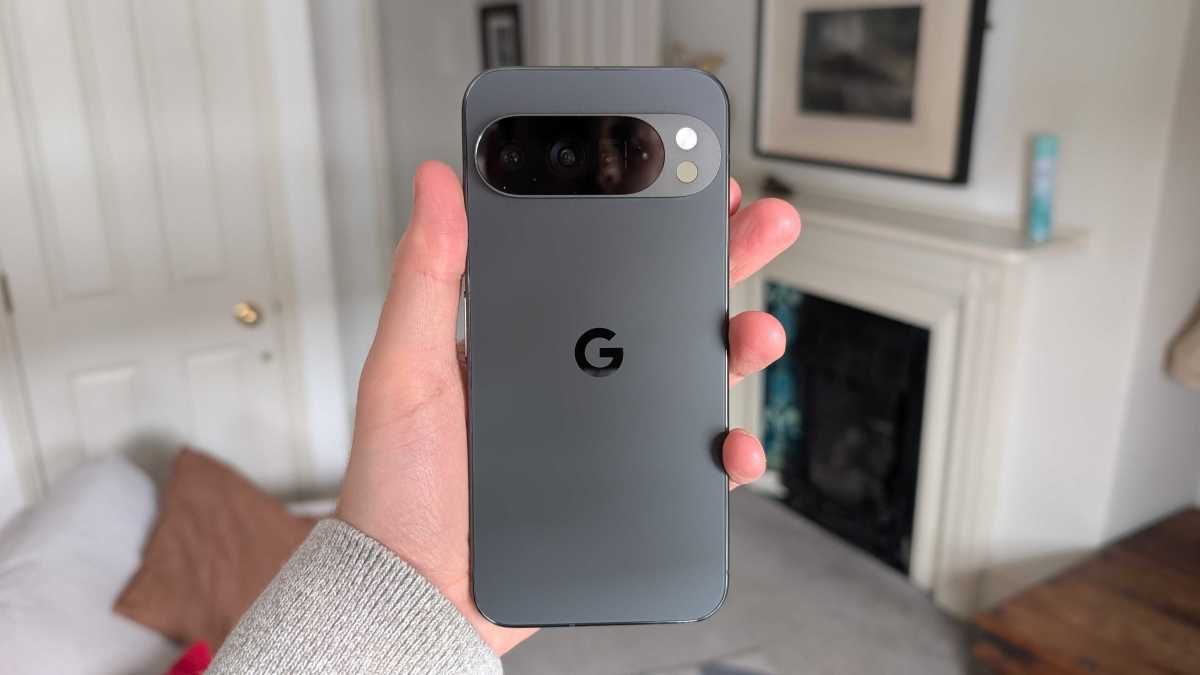
But it’s important to consider why you feel the need to get a new device. Are you being nudged by your network or the retailer that sold you the phone? Do you love the feeling of unboxing a new device, only for that novelty to wear off within days? Or have you seen a friend’s new phone and felt immediately envious of their fancy new gadget? These are all warning signs that you might be upgrading too soon.
Anyron Copeman / Foundry
Of course, there are genuine reasons to get a new handset, such as the end of security updates, apps no longer being compatible or key functionality failing. You may even be able to justify it for a big improvement in the camera, performance or battery life – just make sure you know how much of a step forward it’ll actually be.
To help with this, I recently introduced my own version of a ‘cooling off’ period for any purchases of more than £30 (feel free to adjust the threshold if needed). For anything more expensive that I don’t need to make an urgent decision on, I’ll wait at least a week before committing to buy it. If you’re on the fence about a new phone, it could be worth a try.
I’d also urge you to buy your phone from a trusted retailer with a generous returns policy. If you’ve been testing out your new device and don’t feel it’s worth the money, send it back and get a full refund.
While returned devices can’t be sold new anymore, most can be refurbished and re-sold, often at a lower price. Which brings me on to my next tip…
2. Shop refurbished
Logically, we all know that second-hand tech is more environmentally friendly than new. But, in the case of smartphones, opting for a used handset can feel scary.
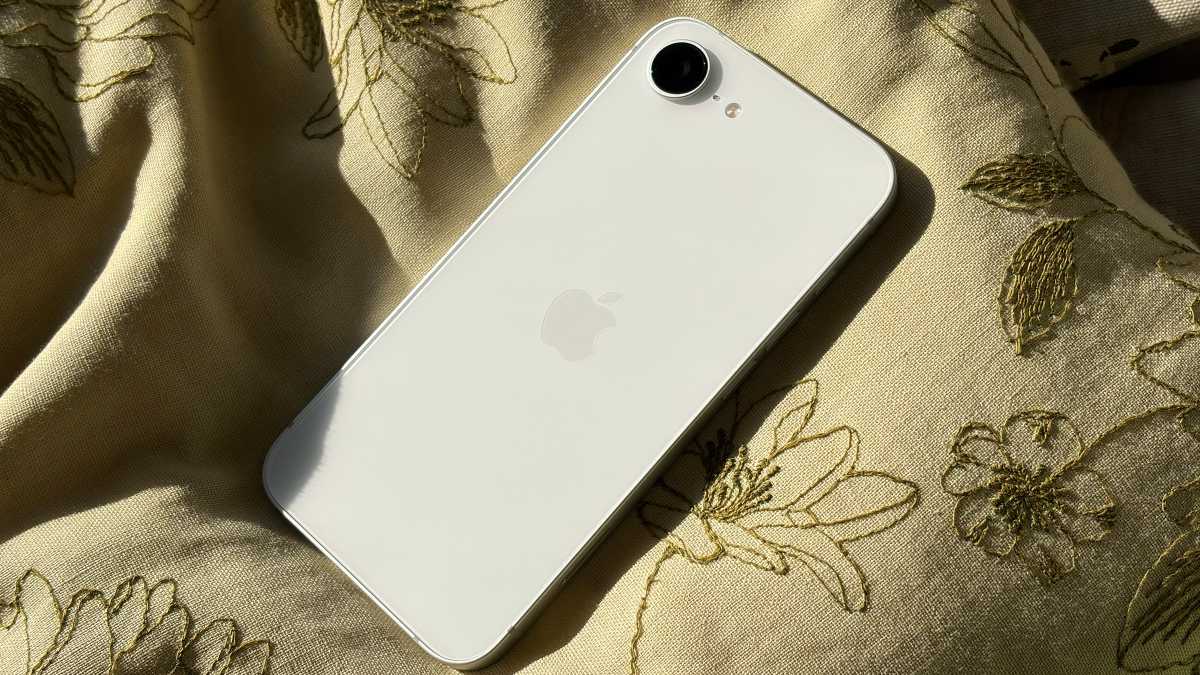
For me, it conjures up images of desperate late-night eBay bidding, where my euphoria at securing a cut-price iPhone is replaced by dismay when a dirty, damaged device arrives in the mail.
David Price / Foundry
I might get my money back (if I’m lucky), but my confidence in shopping second-hand takes a much more permanent hit.
Of course, there are plenty of second-hand phone retailers you can trust, but there’s an even better way to support the environment: buying refurbished.
While not a regulated term, a refurbished phone generally refers to a device that’s been used and then professionally checked to make sure it’s functioning as intended. While parts such as the battery are unlikely to have been replaced, trusted sites such as Back Market, MusicMagpie and CeX all guarantee that the devices are in full working order, and clearly describe the condition they’re in.
There’s an even better way to support the environment: buying refurbished
As well as repurposing a device that may otherwise have gone to landfill, refurbished phones are also often much cheaper than buying new, as our round-up of the best refurbished phone deals shows.
If you’re still unsure, our full guide to refurbished phones should help put your mind at ease. If it’s any reassurance, I once bought a refurbished Simba mattress, and it’s the best mattress I’ve ever owned.
3. Buy repairable devices
Of course, there are times when going refurbished isn’t realistic, especially if you want a newer handset.
In this scenario, there’s another thing to consider: repairability. For much of the smartphone era, making phones easy to repair has felt like an afterthought.
There’s another thing to consider: repairability
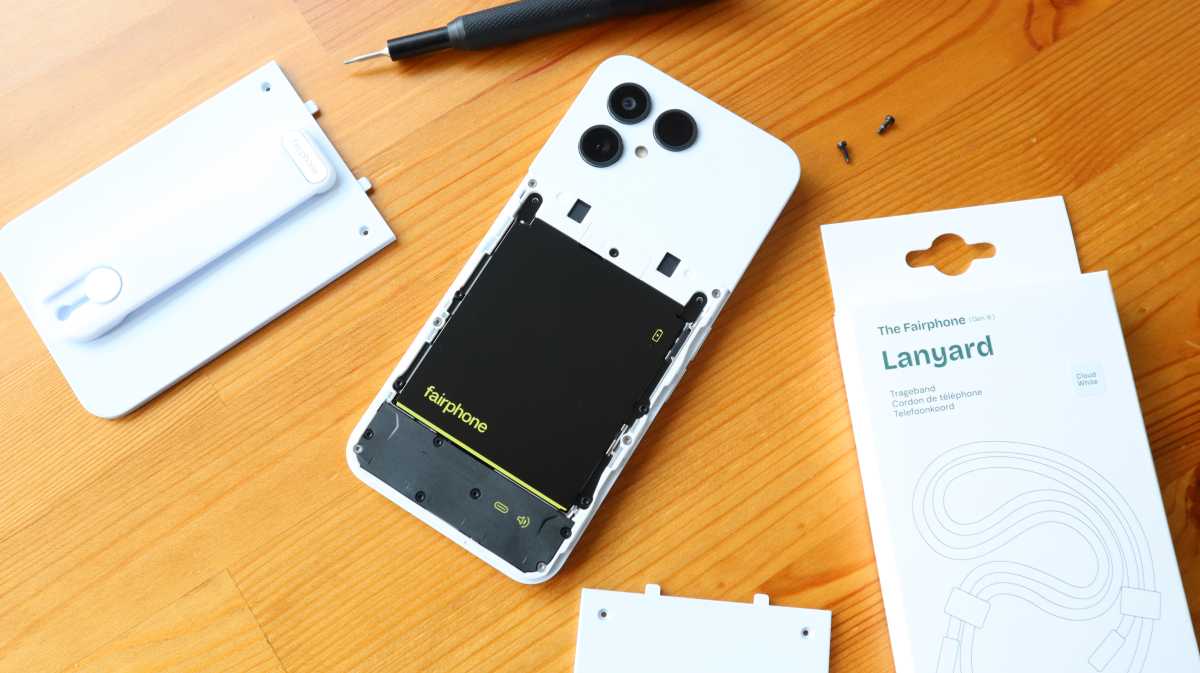
But an increasing number of companies are making this a priority, with parts that can easily be replaced and upgraded at home or via a trusted third party.
Fairphone is the leading name in this field, allowing you to easily switch out the battery, display, cameras, speakers and even USB-C port on its latest Fairphone 6 handset. But the likes of HMD’s Skyline and Fusion and the Nokia G42 5G aren’t far behind.
Thomas Deehan / Foundry
It takes me back to the days before smartphones were popular. My first ever mobile phone had a removable battery, and it was brilliant, so I’m glad to see it make an (albeit limited) return.
4. Prioritise long software support
Even if you’d rather go for one of the big names for reliability (and who could blame you?), there’s another way to make a purchase more sustainable.
One of the key reasons people upgrade their phones is that the old one no longer receives security updates. While some ignore this and continue using it, I’d urge you not to, as it represents a major security risk. The manufacturer won’t patch any bugs that arise, and it leaves your personal data vulnerable to malware and other viruses.
Software support begins from when the smartphone was first released – not when you bought it
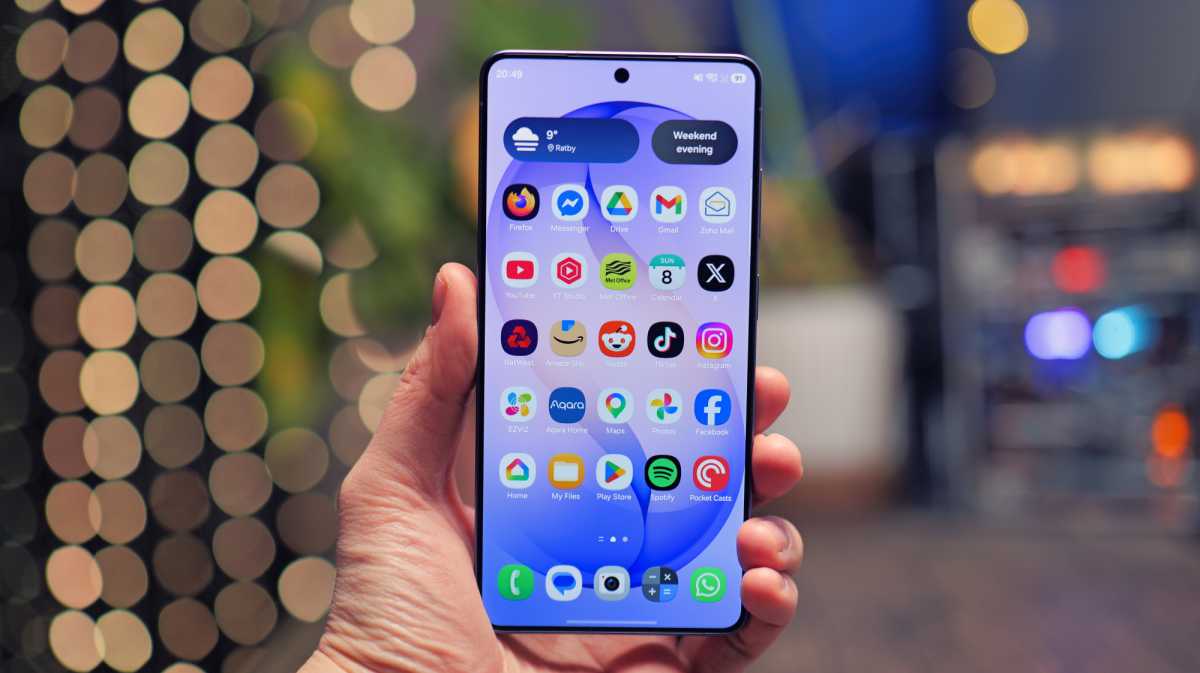
All recent Samsung and Google handsets offer at least six years of security updates, while Apple typically supports iPhones for around seven or eight (it doesn’t have an explicit policy). That means buying any recent handset from one of these three will ensure it remains safe and secure until the 2030s.
Luke Baker
However, software support isn’t always so generous, especially on budget phones. Make sure you check this before buying (our reviews always mention it) and remember that software support begins from when the smartphone was first released – not when you bought it.
5. Recycle responsibly
As much as you try to implement the tips above, there will come a time when your smartphone reaches the end of its life. But rather than just shoving it in a drawer or (*shudder*) – throwing it straight into the bin to add to the e-waste (as 8% of Americans do, according to a survey from insurance company Allstate Protection Plans), there are ways to dispose of or recycle your phone responsibly.
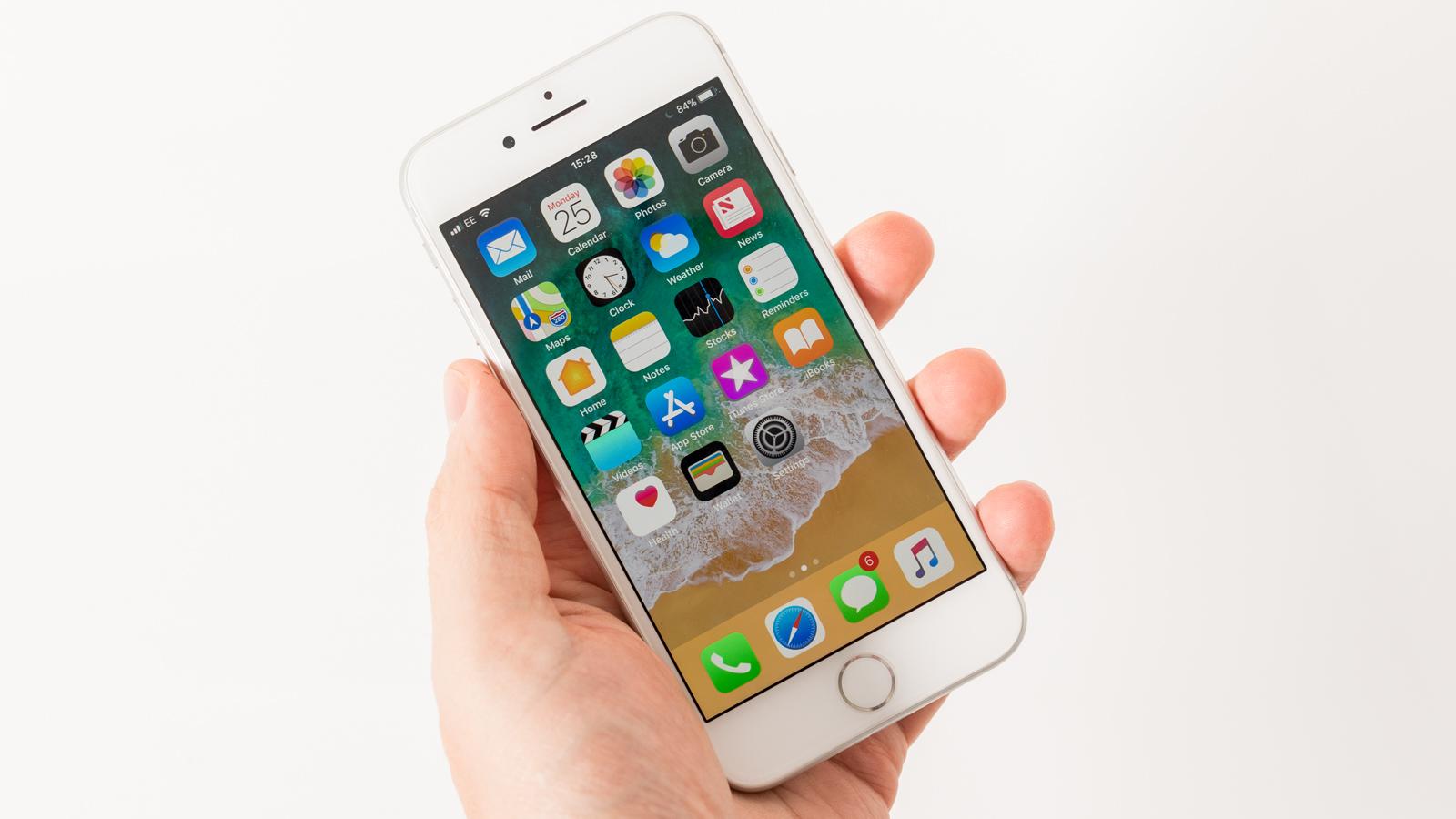
The easiest way is by trading it in. Many smartphone makers, including Samsung and Apple, let you trade in your old handset in exchange for credit on their online stores. Alternatively, your phone network and sites such as MusicMagpie (UK), Best Buy (US) and Back Market (both) are all worth exploring.
Foundry
If it’s not deemed to be worth anything, check out Recycle Your Electricals in the UK or ecoATM in the US for certified recycling locations.
Small changes, big results
Given that we use them every day, it can be easy to forget just how remarkable modern smartphones are. But the production, use and disposal of phones can cause significant and long-term damage to our planet.
Most people (me included) would hate to go back to a pre-smartphone world, but mindless, annual upgrades are a recipe for environmental disaster. By implementing just one of the recommendations in this article, you can help reduce the negative impact of your smartphone and promote a more circular economy in the process.
Big changes are undoubtedly needed at a corporate, national and international level to secure the long-term sustainability of smartphones. But we shouldn’t underestimate the power that small, individual changes like these can have.