




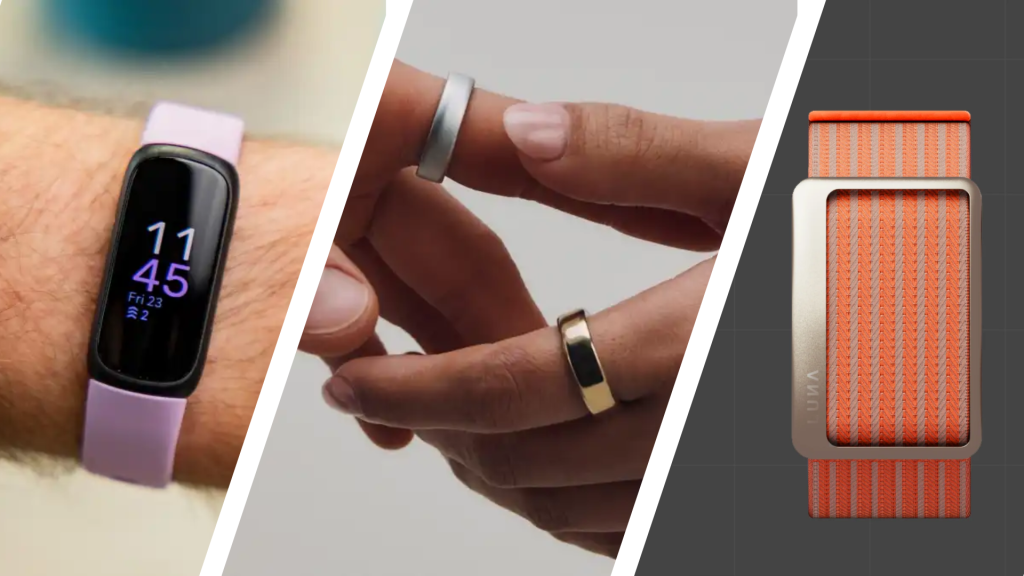

The screenless Fitbit Air isn’t just one of the latest fitness trackers to hit the scene; it’s one of the biggest talking points of the industry right now for how it blends a very sleek design with cutting-edge AI-powered analysis. It’s a great device that more than warrants its affordable price point, but it’s not the only device of its kind.

Although the Fitbit Air is very much the centre of the wearable-centred conversation right now, there are quite a few alternatives that shouldn’t be overlooked amongst the chatter.
Not only are there other Fitbits from Google itself, but the Fitbit Air is far from being the only screenless fitness tracker on the market. Instead, it’s just the latest in a subsect of the wearable industry that has slowly been expanding over the last few years.
If you’re tempted by the Fitbit Air but want to know exactly what it’s going up against, then here are the five best alternatives that you should check out before making a final decision.
Whoop Strap 5.0
- Price: £169/$199 per year
- Subscription: Included in price, can’t be avoided
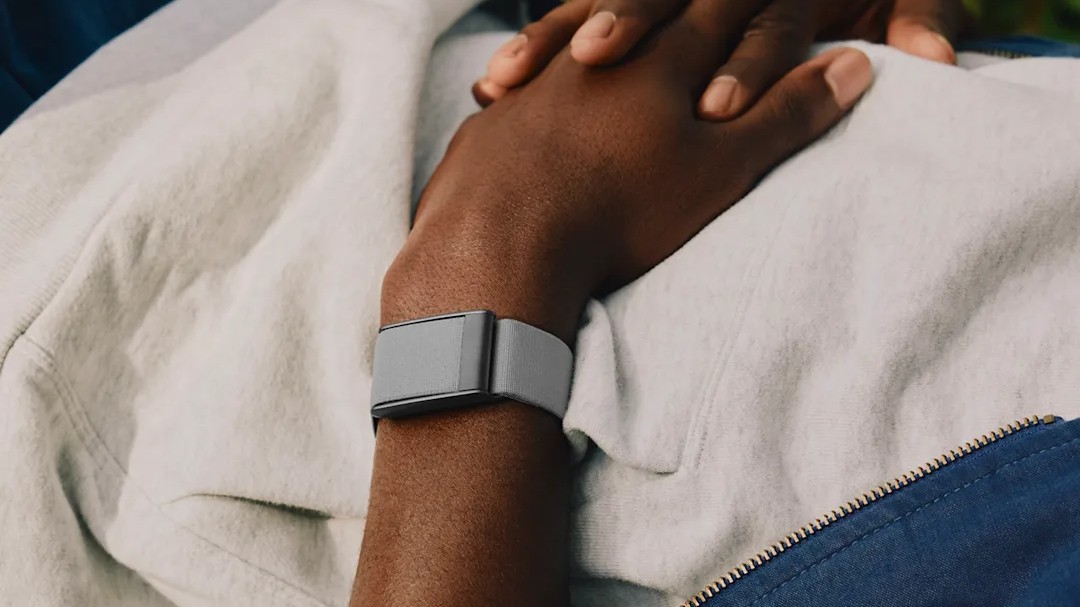
Fitbit Air and the Whoop Strap 4.0
Whoop
Easily the Fitbit Air’s closest competitor, largely because there wouldn’t be a Fitbit Air if not for the Whoop Strap. This is the device that kicked off the current market of screenless fitness trackers and is renowned for its near-endless amounts of insight into a wearer’s health.
It’s the go-to pick for professional athletes, providing clear instructions on how much exercise you need to fit into a day and what time you need to go to bed in order to maximise your rest. For those who are committed to improving their fitness levels, it’s a great buy; the only real problem is the price.
Being tied to a subscription model, the latest Whoop Strap 5.0 is useless without an active Whoop membership, which will set you back at least £169/$199 each year. That price makes more sense for professionals who rely on the amount of data Whoop can provide, but for most people, it’s too high a cost to justify, which is why the Fitbit Air is more appealing to budget buyers.
Who is the Whoop Strap 5.0 for?
Professional athletes who want as much data as possible.
Luna Band
- Price: Around £115/$149
- Subscription: None
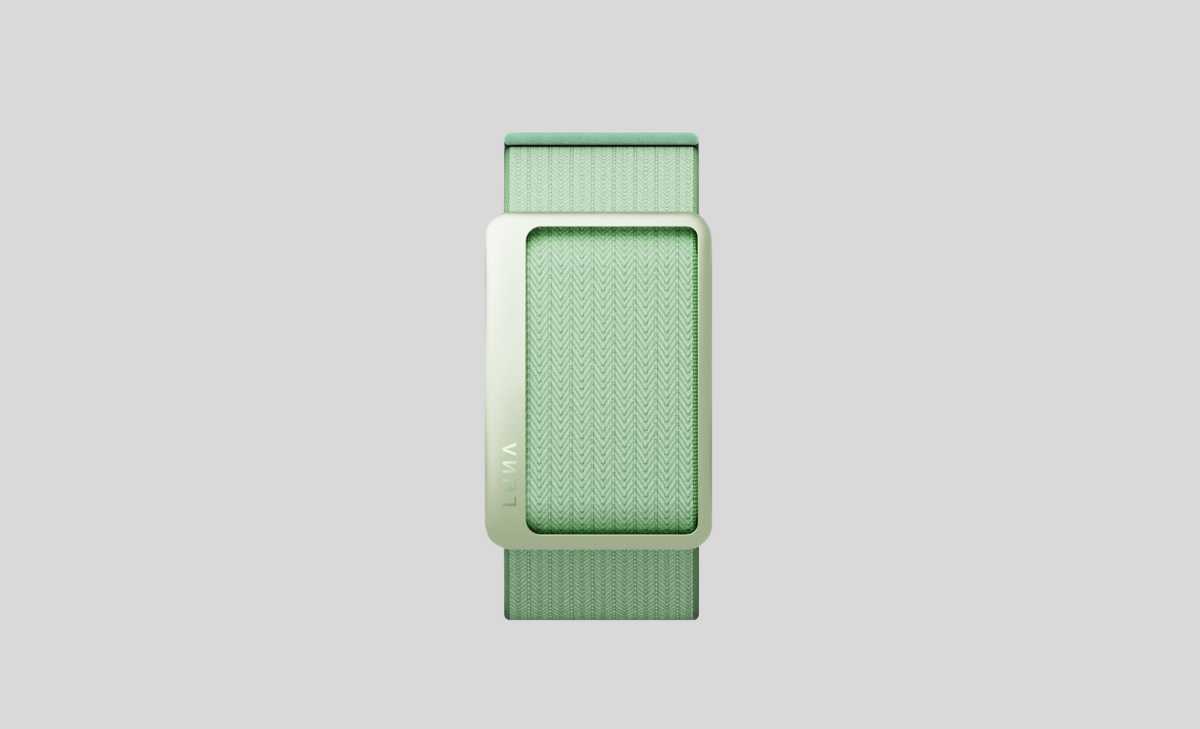
Luna
File this one under the ‘wait and see’ category because even though it has a ton of potential, the Luna Band isn’t yet available to buy, but it could be a major player once it does finally come to market. Visually, the Luna Band looks fairly reminiscent of the Whoop Strap, albeit with a see-through loop at the top, but in function, it has far more in common with the Amazfit Helio Strap in that it offers screenless fitness tracking entirely without a subscription service.
At this point in time, there’s still a lot we don’t know about the Luna Band but it’s easily one of the better-looking fitness trackers we’ve seen. The Band will supposedly offer tailor-made advice throughout the day, suggesting the optimal times for getting a protein snack or cutting out caffeine. Luna claims that it can run for over 10 days on a single charge, which would beat the seven-day cap of the Fitbit Air.
There’s also mention about the Band having seamless integration with select third-party apps, so here’s hoping that there’s a good amount of crossover with the likes of Apple Fitness. The price has yet to be finalised, although we’ve been told it will be around £115/$149, but if the Luna Band can deliver on its lofty promises when it starts to ship in late July – it’s currently invite only – then we could be looking at the next big contender for the Fitbit Air.
Who is the Luna Band for?
Fashion-first buyers who want a stylish fitness tracker that also doesn’t cost a fortune in the long run.
Amazfit Helio Strap
- Price: £99/$99
- Subscription: None
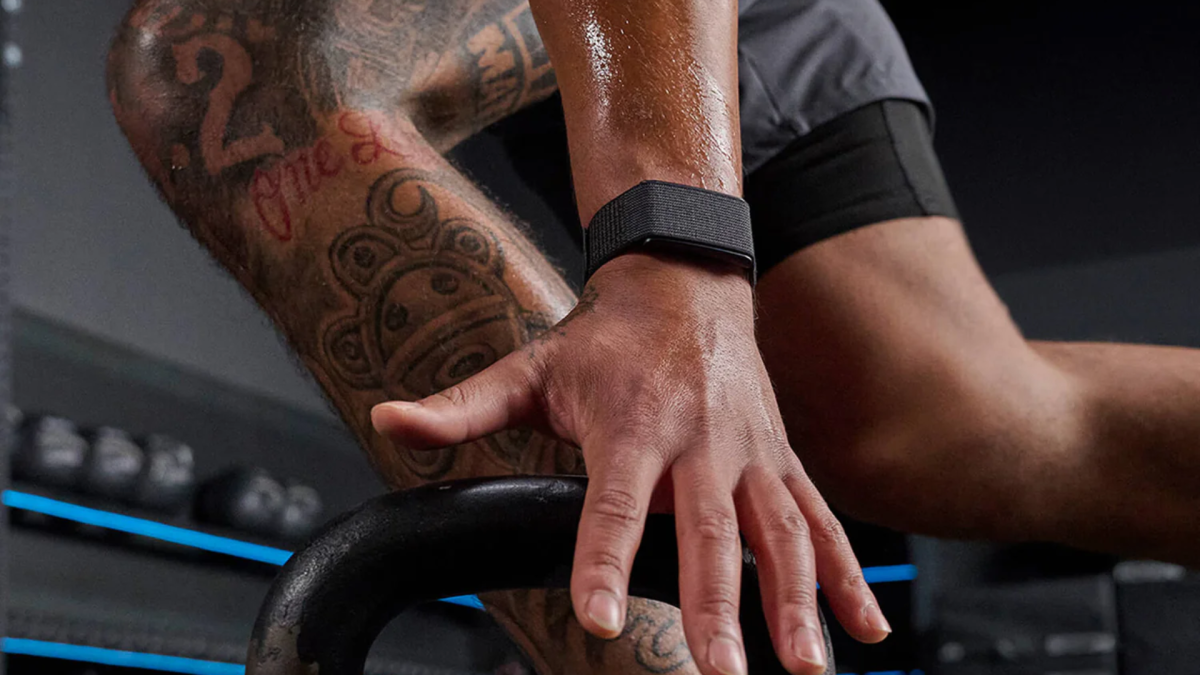
Credit: Amazfit
Although the Fitbit Air does undercut the Whoop Strap with a far more affordable entry-level price, if you do want to enjoy the full suite of features available through the device, then you’ll have to fork out for a Google Health Premium subscription, which is set at £7.99/$9.99 a month. For those who would rather avoid subscription fees of any kind, the Amazfit Helio Strap is your best option.
This similarly screenless tracker costs just £99/$99 but does a great job of monitoring your heart rate during workouts and the quality of your sleep, all of which combine to give you a solid idea of your overall bill of health. You can even wear the device in a bicep strap, which is handy for anyone who has smaller wrists and struggles to find a secure fit.
As great as the Helio Strap is as a genuine subscription-free fitness tracker, the device doesn’t boast the AI-powers of the Fitbit Air or even the Whoop Strap, so there isn’t the scope to chat with an AI bot to discuss what all of your collected data means. This won’t be an issue for anyone who’s put off AI to begin with, but if you’re just starting out, you may benefit from the guidance that something like the Google Health Coach can offer.
Who is the Amazfit Helio Strap for?
Budget-conscious buyers who want the screenless tracker with no subscription required.
Fitbit Inspire 3
- Price: £84.99/$99.95
- Subscription: £7.99/$9.99 per month, non-essential

Dominik Tomaszewski / Foundry
Even though it’s been on the market for a few years now, the Fitbit Inspire 3 is still a great choice for an inexpensive fitness tracker that also carries a slim profile on your wrist. Unlike the Fitbit Air, the Inspire 3 does pack a screen, but it’s a small one that’s helpful for quick glances at the time and starting your workout tracking without needing to reach for your phone.
The Inspire 3 also connects to the same Google Health app as the Fitbit Air, which means you can dive into the same AI insights via an active Google Health Premium subscription. That alone makes the Inspire 3 far more insightful than pretty much any other fitness tracker in its price range, and a great buy for those who aren’t quite sure where to start in their fitness journey.
Fitbit’s classic approach of monitoring your exertion over the course of a week is better suited to working professionals who have busier days, where getting down to the gym just isn’t possible. We’d be surprised if Google didn’t come out with a Fitbit Inspire 4 at some point in the near future, but in the meantime, the Inspire 3 is a great buy.
Who is the Fitbit Inspire 3 for?
You want a cheap fitness tracker and don’t mind having a small screen.
Oura Ring 5
- Price: From £399/$399
- Subscription: £5.99/$5.99/month, essential for most features

Mike Sawh
Although things are certainly heating up around screeless fitness trackers that you wear on your wrist, there’s an adjacent market that has a similar approach but takes health tracking in a different direction. The best smart rings are a great alternative and are even more sleek than their wrist-based competitors, and no option better encapsulates what they’re all about than the new Oura Ring 5.
Now a great deal slimmer (40% smaller overall, no less) than its immediate predecessor, the Oura Ring 4, this newer model comes in a wide variety of colourways so you’re sure to find an option that suits your personal sense of style. The sensors have been improved to offer more insightful data that can steer you towards making healthier choices.
Unfortunately, much like the Whoop Strap, a monthly subscription is required to properly delve into all that the tracker has to offer, and it isn’t quite as generous with its basic features as the Fitbit Air is. This will set you back £5.99/$5.99 a month on top of the minimum £399/$399 asking price of the Oura ring itself.
Who is the Oura Ring 5 for?
Anyone who would like to forego a wrist-based fitness tracker completely.