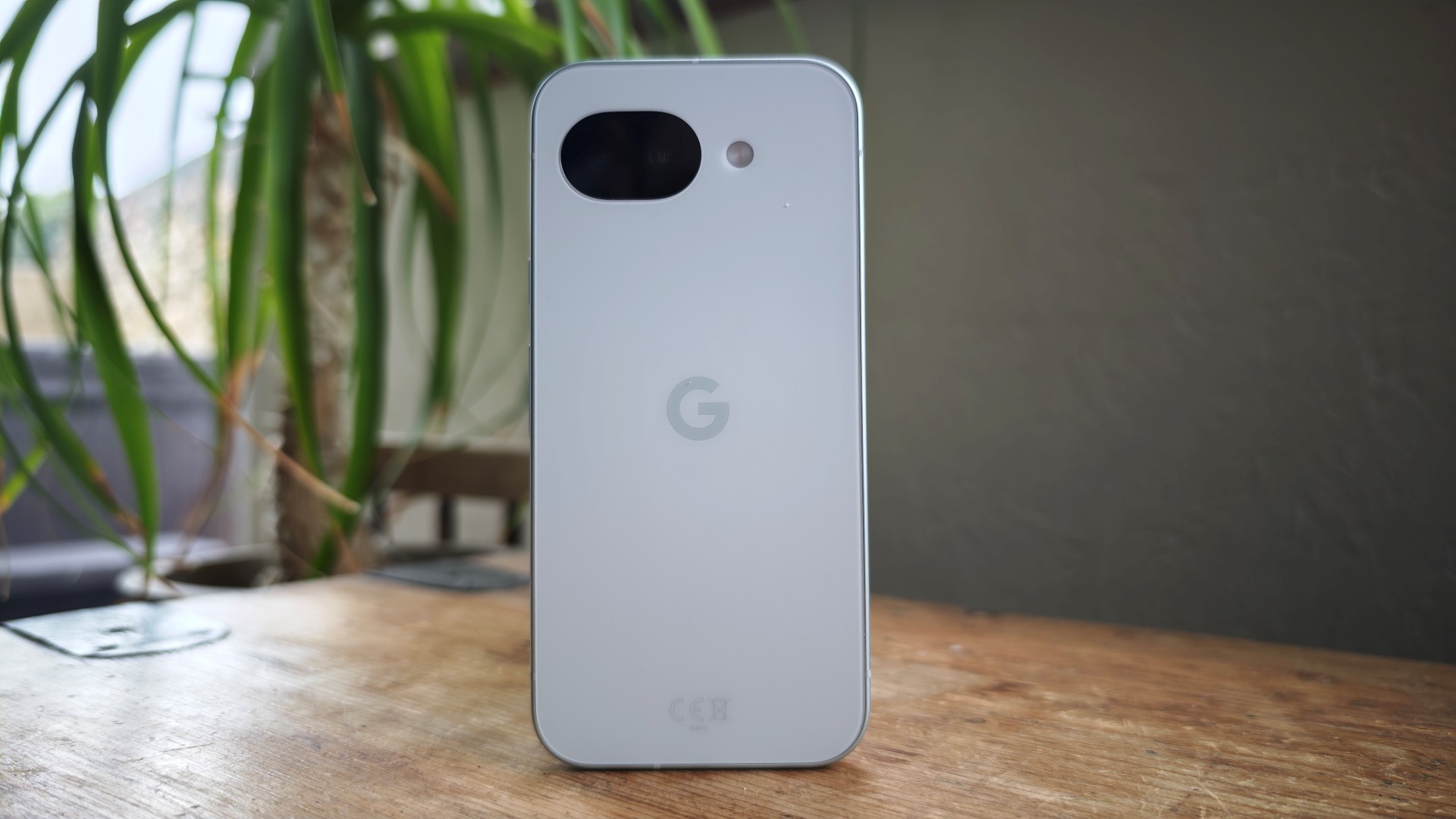





We’re starting to learn more about the Pixel 11 series through leaks and rumours, and I’m cautiously optimistic that Google can rescue its 2026 after a poor start.

Following last week’s Tensor G6 chip reveal and a fresh batch of spec details from the same source, we’re starting to build a pretty complete picture of what Google’s forthcoming smartphone launch is going to entail.
While I have my reservations about the company’s continued performance blind spot, I’m feeling quite positive that one of these phones is going to be in with a shout of being my phone of the year.
And given how that year started for Google, it would represent quite the turnaround.
A poor start
It’s fair to say that when the Pixel 10a rocked up in March, I was perhaps a little less charitable towards Google’s new mid-ranger than Chris was in his excellent review.
Don’t get me wrong, I agree that it’s a good phone. I just can’t see why anyone would buy one while the Google Pixel 9a continues to be sold as new.
The two phones are nigh-on identical and, with Google’s extended software support, you’re simply much better off buying the discounted Pixel 9a than its doppelgänger of a successor.
Google’s next batch of smartphone hardware, on the other hand, has me way more excited.
Mattias Inghe
Promising Pixel 11 leaks
This week, established tipster Mystic Leaks posted a list of specifications for the Google Pixel 11 series, which includes the Pixel 11 Pro (plus XL variant) and Pixel 11 Pro Fold.
According to the leaker, Google is bringing a bunch of internal improvements to the Pixel 11 series. This includes a much improved CPU, a new MediaTek M90 modem, a new TPU, and a new custom ISP.
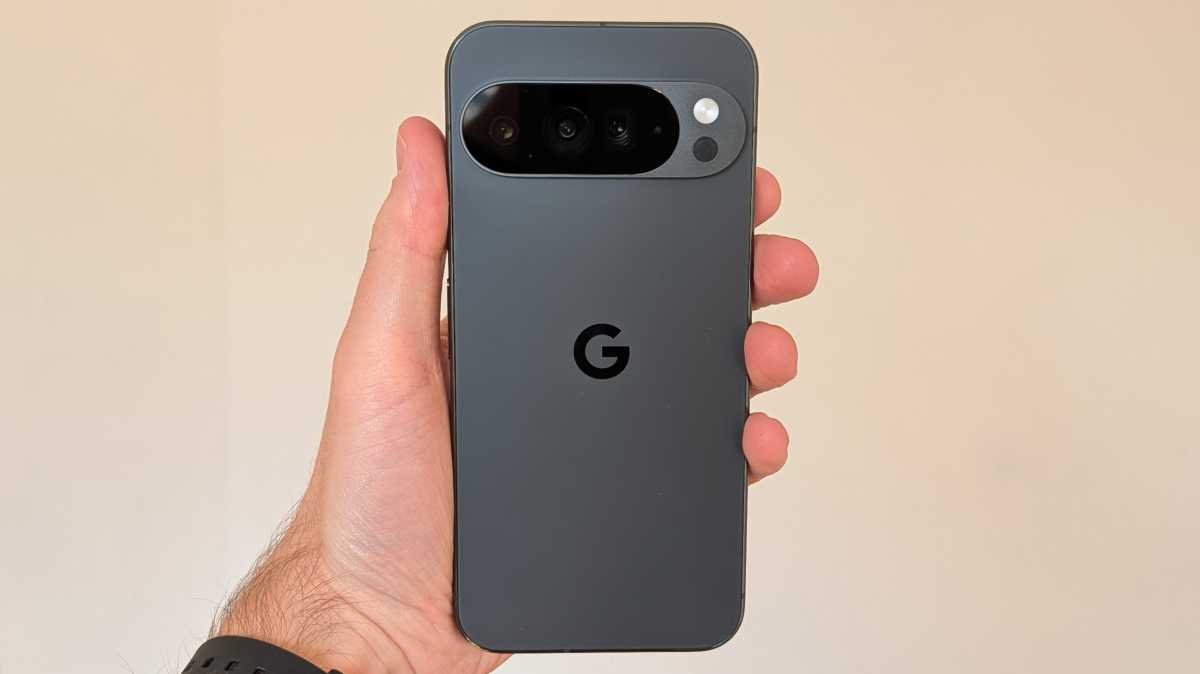
The latter bit relates to the really interesting part: Google is revamping its camera hardware for the entire Pixel 11 series.
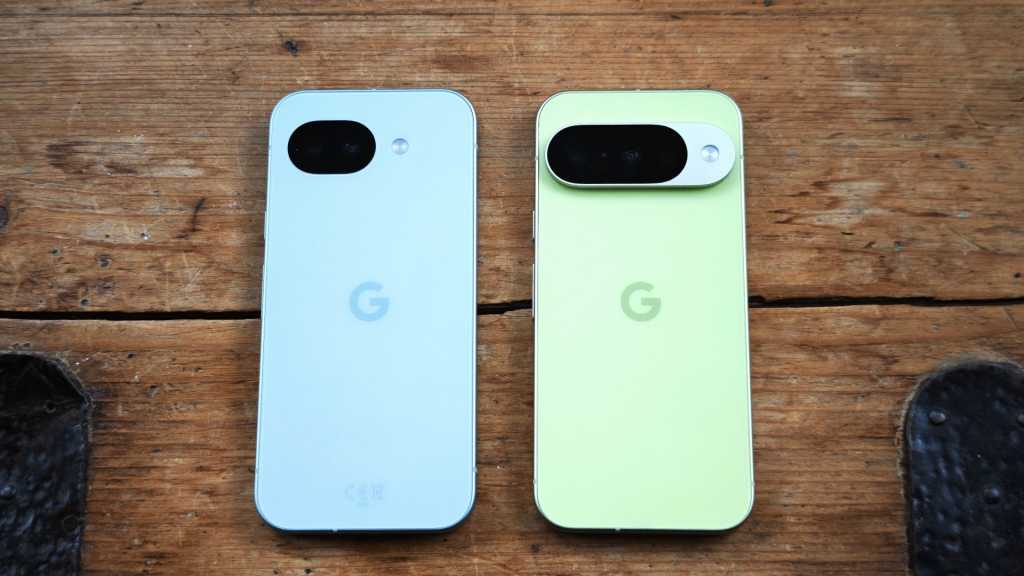
Both the Pixel 11 and the Pixel 11 Pro Fold will apparently be led by a new 50Mp sensor codenamed “chemosh”, while the Pixel 11 Pro and Pixel 11 Pro XL will gain new main and telephoto sensors codenamed “bastet” and “barghest” respectively.
Anyron Copeman / Foundry
A change is as good as a rest
We don’t have details on how these camera sensors will differ, but the mere fact that they’re changing the camera hardware at all is noteworthy. We’ve now had several generations of relative stasis (and arguably regression with the regular Pixel 10) on this front.
Google traditionally prefers to do its hard work in the software and image processing departments. It has yielded some fabulous results, but technology moves on, and there comes a point where you simply need bigger, better sensors to make a meaningful difference.
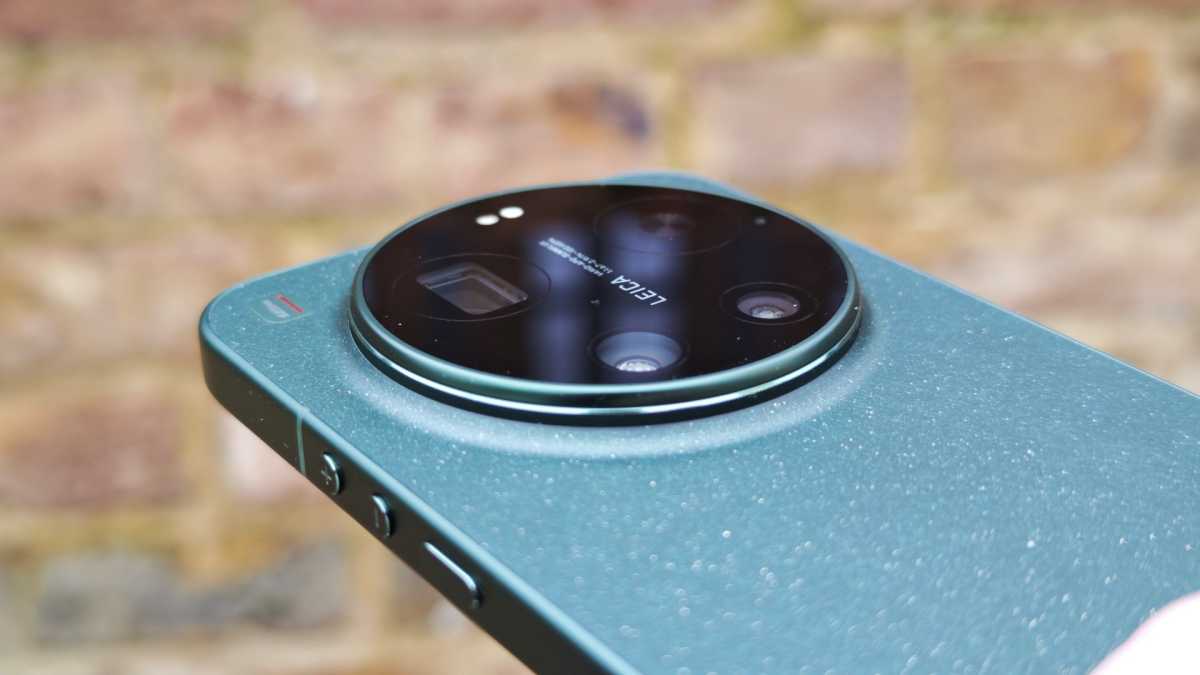
Rivals such as the Xiaomi 17 Ultra and Oppo Find X9 Ultra are impressing with their cutting-edge hardware, so Google really needed to up its photography game. This latest leak has me hopeful that it’s preparing to do so.
Chris Martin / Foundy
Pixel gets a Glow up
The other big upgrade sounds like a Nothing-style cosmetic flourish, and I’m not averse to that.
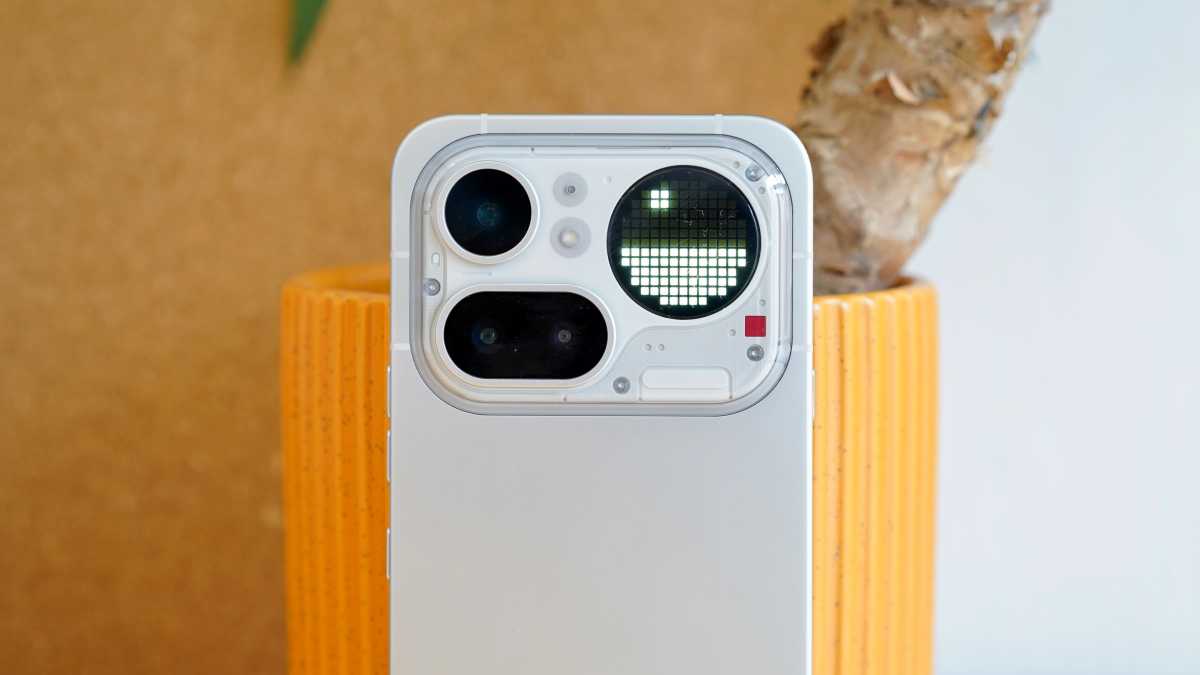
According to rumours, Google will implement a so-called “Pixel Glow” system in place of the outgoing temperature sensor (which was pretty superfluous in itself) on the camera bar of the Pixel 11 Pro trio.
Like the Nothing Phone (4a) Pro’s Glyph system (but smaller), it’ll use a series of LEDs to provide heads-up animations and advanced notifications.
The downside is that, on the flip side of these phones, Google’s rumoured secure Face ID-like system won’t be ready for the Pixel 11 series after all. I’m not devastated by this claim, as Google’s non-IR-based implementation was already more secure than most.
Jon Mundy / Foundry
The rest of the Pixel 11 specs
The rest of the Pixel 11 spec leak is slightly less exciting, but still offers reason to believe that these phones will represent some degree of progress.
The screens will be much the same as before, it seems, but even brighter. The Pixel 11 will go from 2000 to 2250 nits, while the Pixel 11 Pro will go from 2200 to 2450 nits.
These relate to practical high brightness mode (HBM) conditions, too, rather than the deceptive ‘peak’ HDR figures that many manufacturers hand out. The Pixel 10 series already offers some of the brightest displays around, and it looks like the Pixel 11 range will continue the good work.
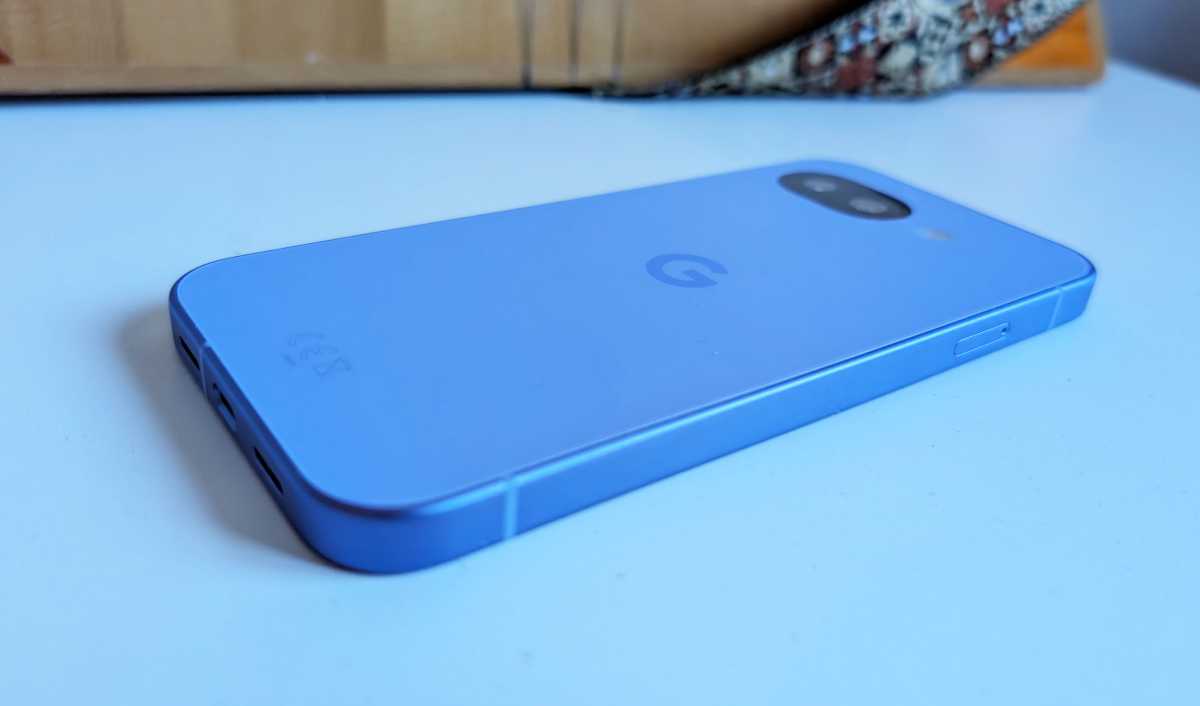
I’m slightly concerned at the entry model RAM allotments being downgraded (8GB in the Pixel 11, 12GB in the rest), but this is understandable given the component pricing squeeze affecting the entire industry and, if this is how Google chooses to implement a stealthy price bump, it wouldn’t be the worst news.
It’s certainly better than the Pixel 10a alternative, which involved not making any significant improvements whatsoever.
The Google Pixel 10 Pro has been one of my most-used phones of the past six months or so. If the Pixel 11 series launches as advertised this August, then the Pixel 11 Pro could very well pull the same trick as we head into 2027.