



Given all the buzz surrounding his latest movie, it seems appropriate to start with a quote from a (much better) Steven Spielberg film.

In 1993’s seminal Jurassic Park, Jeff Goldblum’s suave mathematician Ian Malcolm offered the immortal line: “Your scientists were so preoccupied with whether or not they could, they didn’t stop to think if they should”.
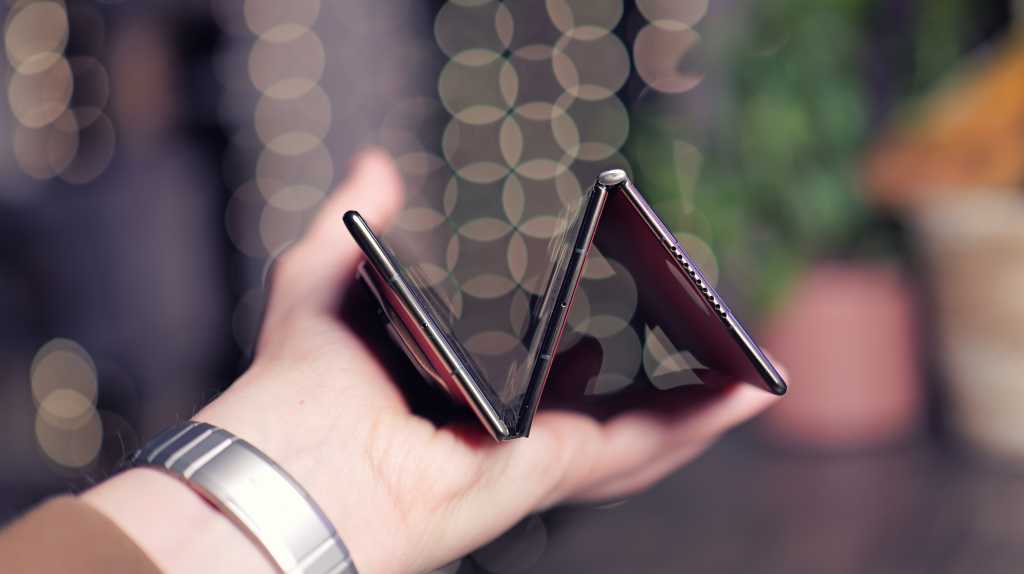
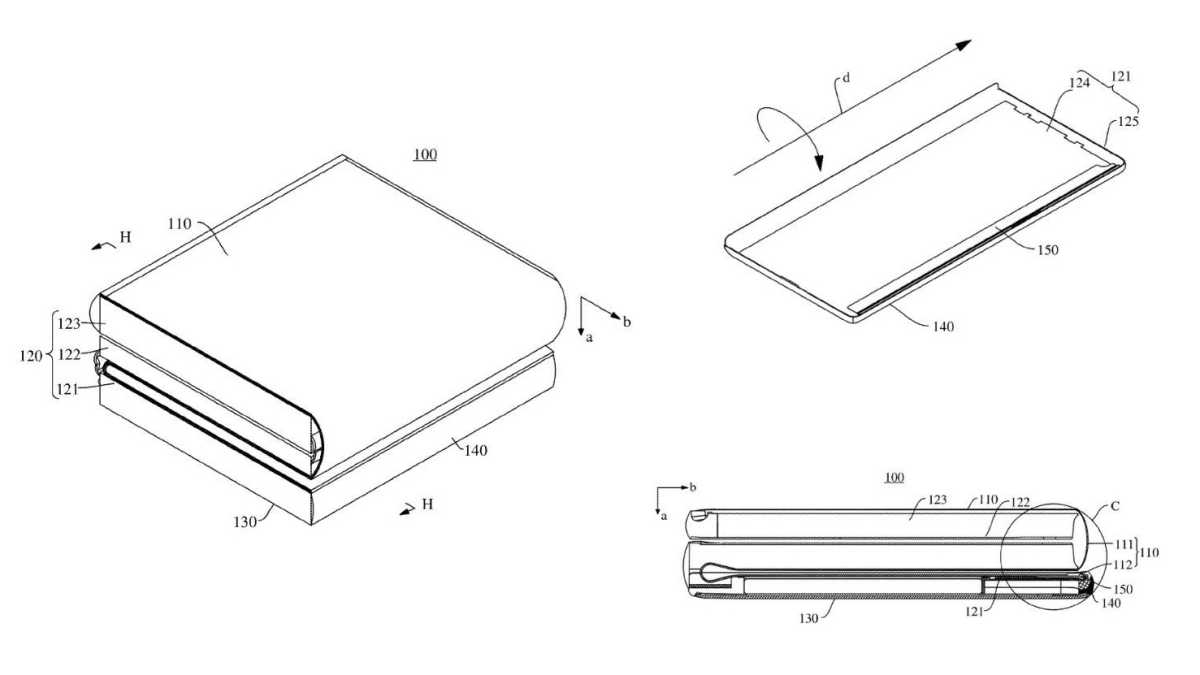
This is often the first thing that springs to my mind when I encounter an ill-considered piece of design. Sure enough, it popped right into my head when I laid my eyes on a new tri-fold foldable patent from Huawei, as spotted by Postfast.
Huawei via Postfast
Tri-hard
The Chinese brand deserves props for its adventurous, envelope-pushing spirit. It was the first company to release a tri-fold foldable in the Huawei Mate XT Ultimate.
But this is something else entirely. The concept seems to be for a Samsung Galaxy Z Flip 7-style compact foldable (or indeed Huawei’s own Nova Flip), but rather than unfurling into a normally proportioned phone, it does so with an extra-tall aspect ratio.
My major issue is that this S-shaped design seems way too thick while closed – surely the whole point of such a foldable is to make the smallest impression possible in your pocket – and way too tall when open.
Huawei
Tall tales
Phone manufacturers have played around with extra-tall aspect ratios in the past, chiefly with a view to native ultra-widescreen media playback.
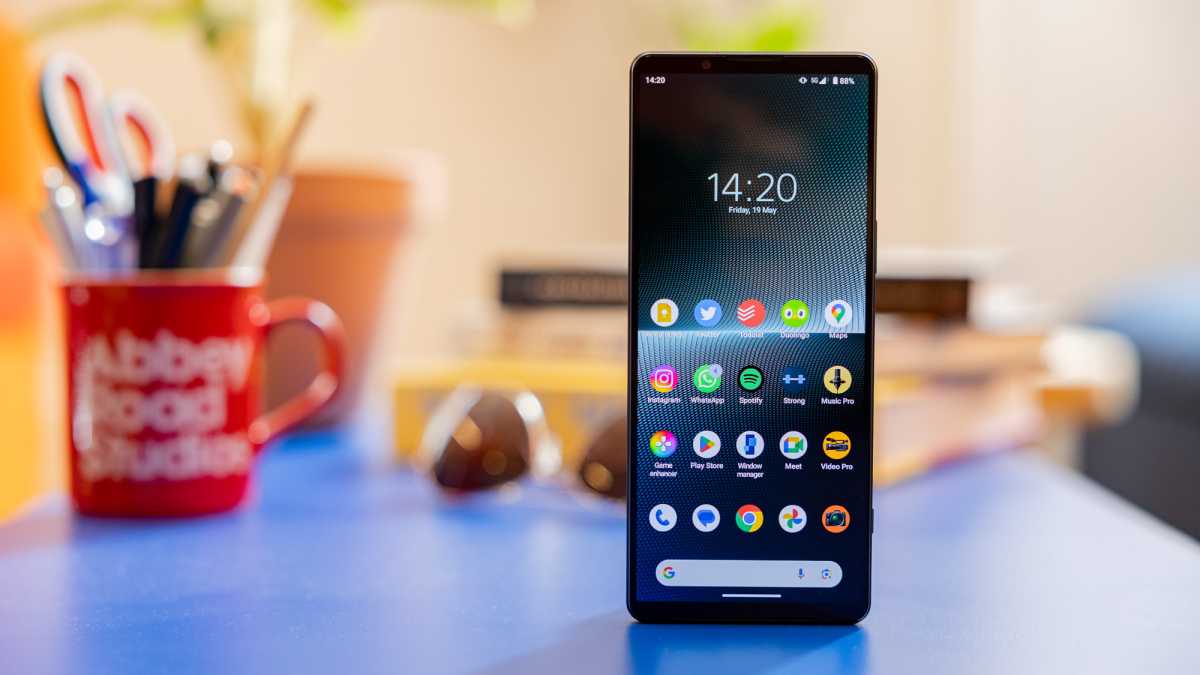
Right up to and including the Sony Xperia 1 V, the Japanese tech giant made phones with a 21:9 aspect ratio. It dropped the idea with 2024’s Sony Xperia 1 VI.
While this approach benefitted a certain type of epic widescreen movie, removing unsightly black borders, it suffered in almost every other respect.
Web content felt constricted and general handling felt awkward, while the vast majority of video content – the whole purpose of the exercise – simply had larger black borders on the sides due to its 16:9 nature.
Dominik Tomaszewski / Foundry
Expansive thinking
Quite what Huawei is thinking with this concept, which seems even taller than 21:9, I don’t know. Perhaps it’s thought of a fresh use case for such an ungainly shape.
That use case might well be for social media content, which is increasingly becoming vertical in nature. A screen of this type could make viewing whilst commenting on TikTok content that bit easier. In other words, Huawei’s concept could be one for the (rich) kids.
It seems just as likely, however, that this is a fanciful concept that will never make its way to market as a finished product. Heaven knows Samsung has come up with its fair share of weird and wacky foldable concepts that haven’t yet seen the harsh light of a retail store.
A far smarter idea on Huawei’s part has been to get ahead of the rest of the pack with its Huawei Pura X.
This, followed soon by the Samsung Galaxy Z Fold Wide and especially the iPhone Ultra, is likely to represent the next phase of foldable development – a wider (but not too wide) form of book-style foldable that unfurls into a portable tablet shape and this could be part of a trend to regular phones moving back to a 16:9 type aspet ratio.
History, and in particular the iPad, teaches us that this kind of stout aspect ratio works where super-tall ones don’t. Here’s hoping Huawei has learned the lesson.