



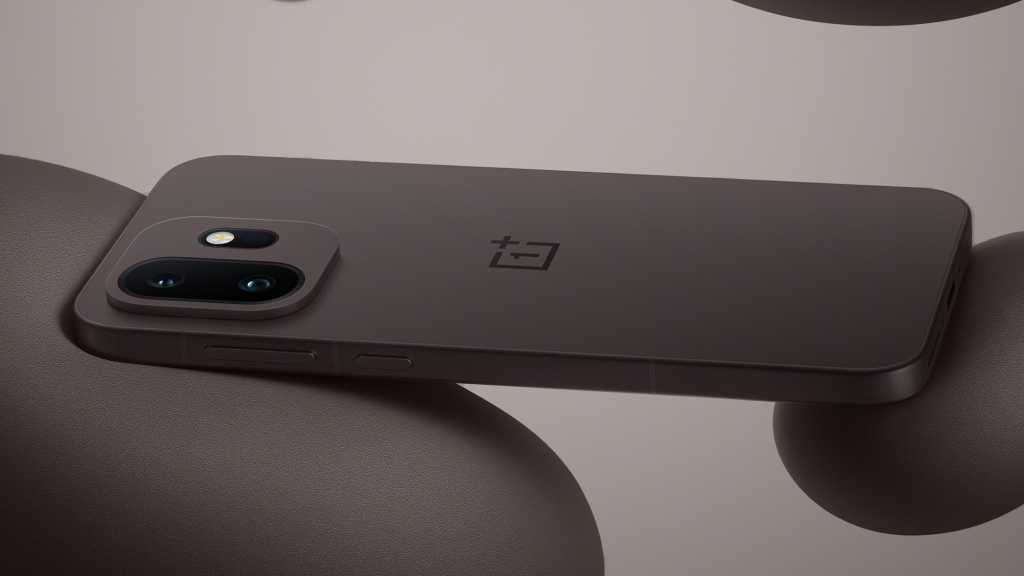

OnePlus has revealed a range of accessories that appear to confirm rumours concerning a key OnePlus 15T specification.

Yesterday, we learned that OnePlus was going to unveil its next big (or should that be small?) smartphone on 24 March. Today, the company has revealed a range of magnetic accessories that appear to rubber-stamp the OnePlus 15T’s Qi2 compatibility.
The Weibo post in question talks about the OnePlus 15T (via machine translation) as “Small, powerful, stylish, and fun!?”.
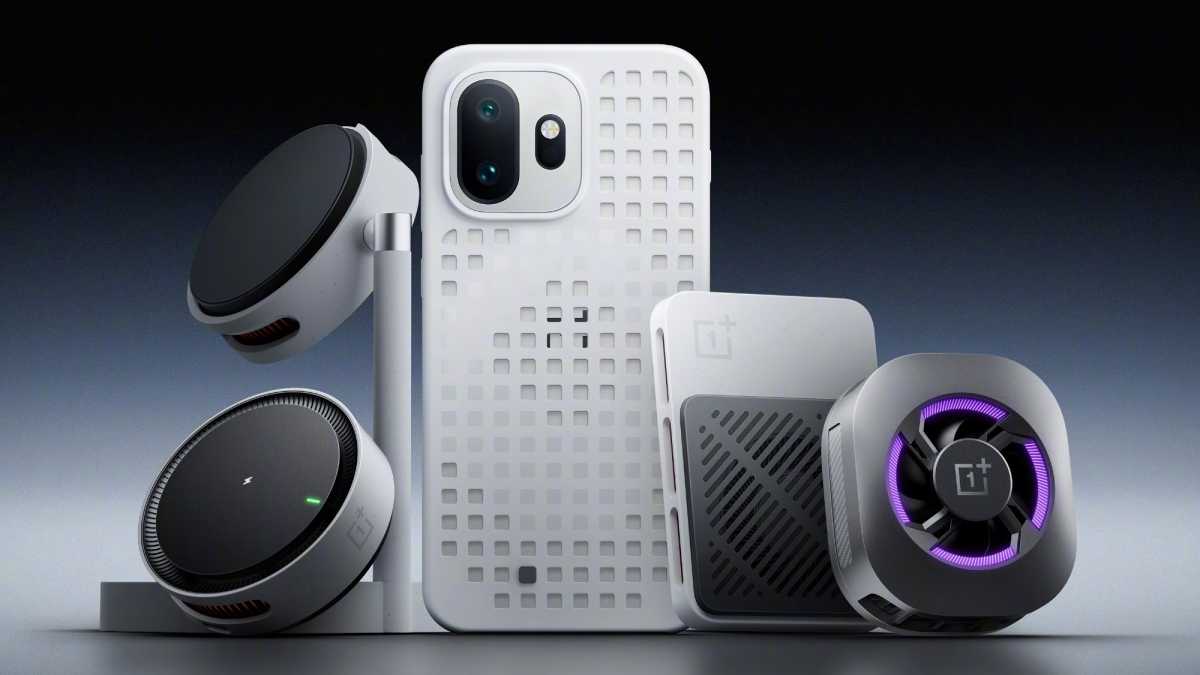
But the really interesting bit is the attached image, which shows the OnePlus 15T surrounded by four accessories – five if you count the mesh-like case that’s fitted onto the phone itself.
The other four accessories appear to various chargers, stands, and cooling fans – all joined by the apparent reliance on magnets to fit them to the back of the phone. It looks similar to Tecno’s recent modular concept device shown at MWC 2026.
OnePlus
Why it matters
We had heard plenty of rumours in the lead-up to this post stating that the OnePlus 15T would pack Qi2 compatibility. The apparent confirmation of this is most welcome indeed.
After the Google Pixel 10 series with its Pixelsnap accessories late last year, the expected rush of Android phones adding sticky wireless charging capabilities hasn’t quite materialised. Most notably, after initial rumours gave us hope, the Samsung Galaxy S26 launch came and went with no sign of a MagSafe-style attachment system.
Prior to that, the OnePlus 15T’s big brother, the OnePlus 15, hit the market without Qi2, which means that this (presumably) more affordable follow-up will have a leg-up in at least one regard.
Make that two regards. We’ve also had it confirmed that the OnePlus 15T, for all its compact design, will sport a bigger 7500mAh battery than its brother.
We’re also expecting a Snapdragon 8 Elite Gen 5 processor, a 6.32-inch 165Hz AMOLED display, 100W wired and 50W wireless charging.
All of which makes it a crying shame that we probably won’t see the OnePlus 15T, arguably one of the best phones of 2026, outside of China (and maybe India). Ho hum.

Link do Autor