


The iPhone wasn’t the world’s first smartphone, but it’s probably the first one you remember.

Apple revolutionised the mobile phone in 2007, ditching the physical keyboard to create a revolutionary touchscreen device. It’s easy to forget that the App Store (and thus third-party apps) didn’t actually arrive until a year later.
Fast forward almost two decades and there are a huge number of smartphones to choose from. Most of these are Android handsets, with Apple sticking to just four or five new releases per year.
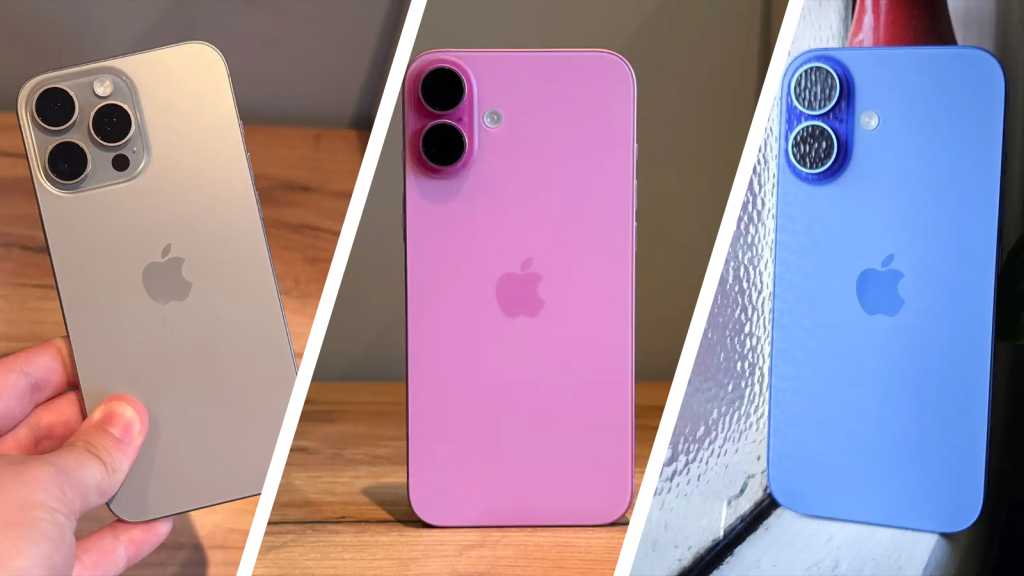
However, as this chart proves, the brand is clearly prioritising quality over quantity. Each of the iPhone 16 models are worth buying for the right kind of person, yet there are six older handsets that we still recommend in 2024 – especially if you can find a good discount.
Apple’s excellent software support means you can usually continue to use an iPhone safely for six years or more following its release. All of the phones in this round-up are compatible with iOS 18, the latest version.
If you’re interested in Apple’s AI, you should be aware that the full suite of Apple Intelligence features announced last year is not yet available. At this stage, you can use AI to for tasks including helping you draft emails and documents, searching with natural language in your Photo App memories, and removing unwanted people from pictures.
Apple Intelligence is also only available on certain iPhone models. Here’s the full list:
- iPhone 16e
- iPhone 16
- iPhone 16 Plus
- iPhone 16 Pro Max
- iPhone 16 Pro
- iPhone 15 Pro Max
- iPhone 15 Pro
Given all this, which is the right iPhone for you? In this article, we’ll run through all the models worth buying, linking out to full reviews of each. At the bottom of this page, you’ll also find detailed buying advice.
Best iPhone 2025
1. iPhone 16 Plus – Best iPhone overall
Pros
- Large 6.7-inch Super Retina XDR display
- A18 chipset delivers superb performance
- Excellent battery life
- Useful Camera Control button
Cons
- No 120Hz refresh rate
- Incomplete AI features
- Starts at only 128GB storage
- No telephoto zoom lens
Price When Reviewed:
1099 Euro
Best Prices Today:





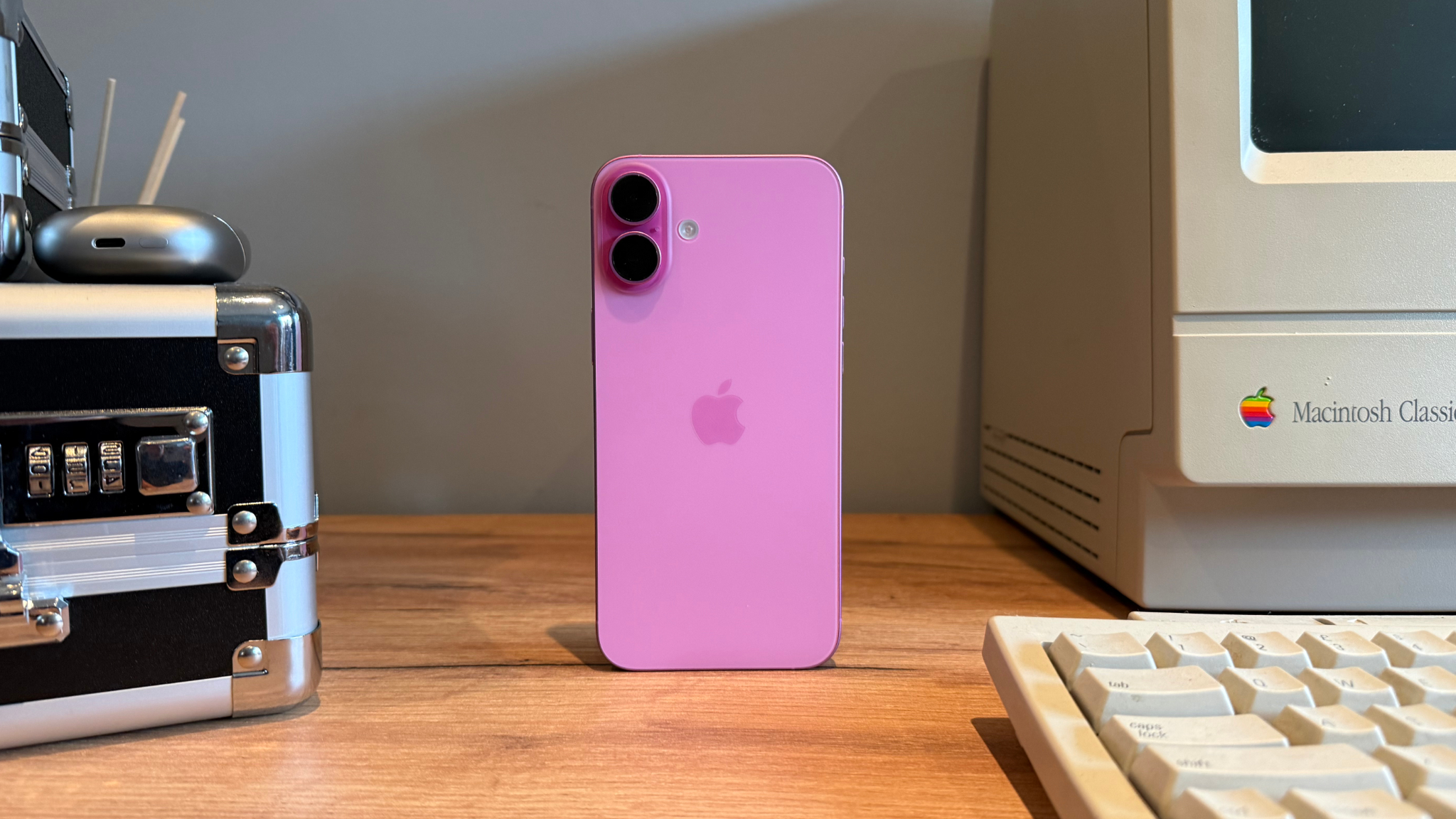
The iPhone 16 Plus is an excellent device for users who want a big-screen iPhone experience without the higher cost of the Pro models. From the A18 chipset to the new Camera Control and improved battery life, this phone hits the mark for performance, photography, and daily use.
While it misses out on some of the Pro-exclusive features like the 120Hz ProMotion refresh rate and a telephoto lens, the iPhone 16 Plus offers plenty to be excited about. Still, the full potential of Apple Intelligence features is not yet available, so bear that in mind if you were wowed by Apple’s AI launch promises.
Overall, the iPhone 16 Plus offers superb value for money. It offers an almost identical experience to the iPhone 16 Pro Max for most, while still delivering the larger screen and 16 hours of battery life. In all honesty, for most, this might be a better buy.
Read our full
iPhone 16 Plus 128 GB Schwarz review
2. iPhone 16 Pro Max – Best big-screen iPhone
Pros
- Stunning 6.9-inch display with ultra-thin bezel
- Premium design and build
- Powerful A18 Pro chipset
- Excellent battery life
Cons
- Incomplete AI features
- Only 8GB of RAM
- Expensive
Price When Reviewed:
1449 Euro
Best Prices Today:
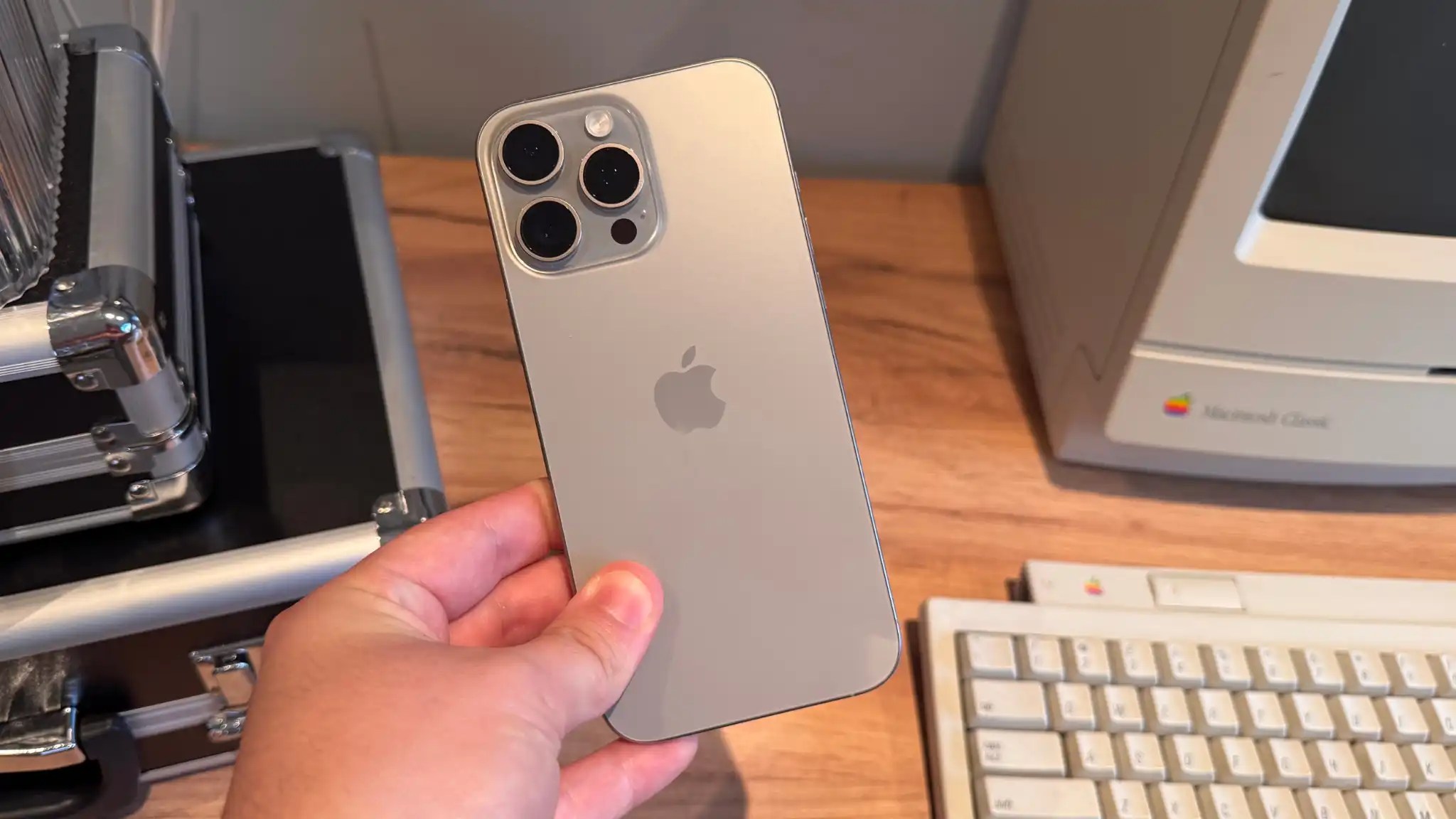
The iPhone 16 Pro Max builds on what Apple does best – elegant design, powerful performance, and excellent cameras.
The introduction of Apple Intelligence and the Camera Control button makes this phone especially appealing to photographers and those interested in AI-enhanced functionality. The 6.9-inch Super Retina XDR OLED screen is the best Apple has ever produced, while the A18 Pro chip ensures that the phone is future-proofed for years to come.
However, the full potential of Apple’s AI features is not yet available, and some users may not want to invest in such a powerful phone at this stage.
Ultimately, if you need an iPhone that pushes the boundaries of photography and performance, the iPhone 16 Pro Max is an excellent choice. But it’s also a very expensive one.
Read our full
iPhone 16 Pro Max 256 GB Titan Wüstensand review
3. iPhone 16 Pro – Best compact iPhone
Pros
- Superb battery life
- Large, impressive display
- Solid design and build
Cons
- Too expensive for what it is
- 60Hz display
- No ability to take RAW photos
Price When Reviewed:
€1199
Best Prices Today:
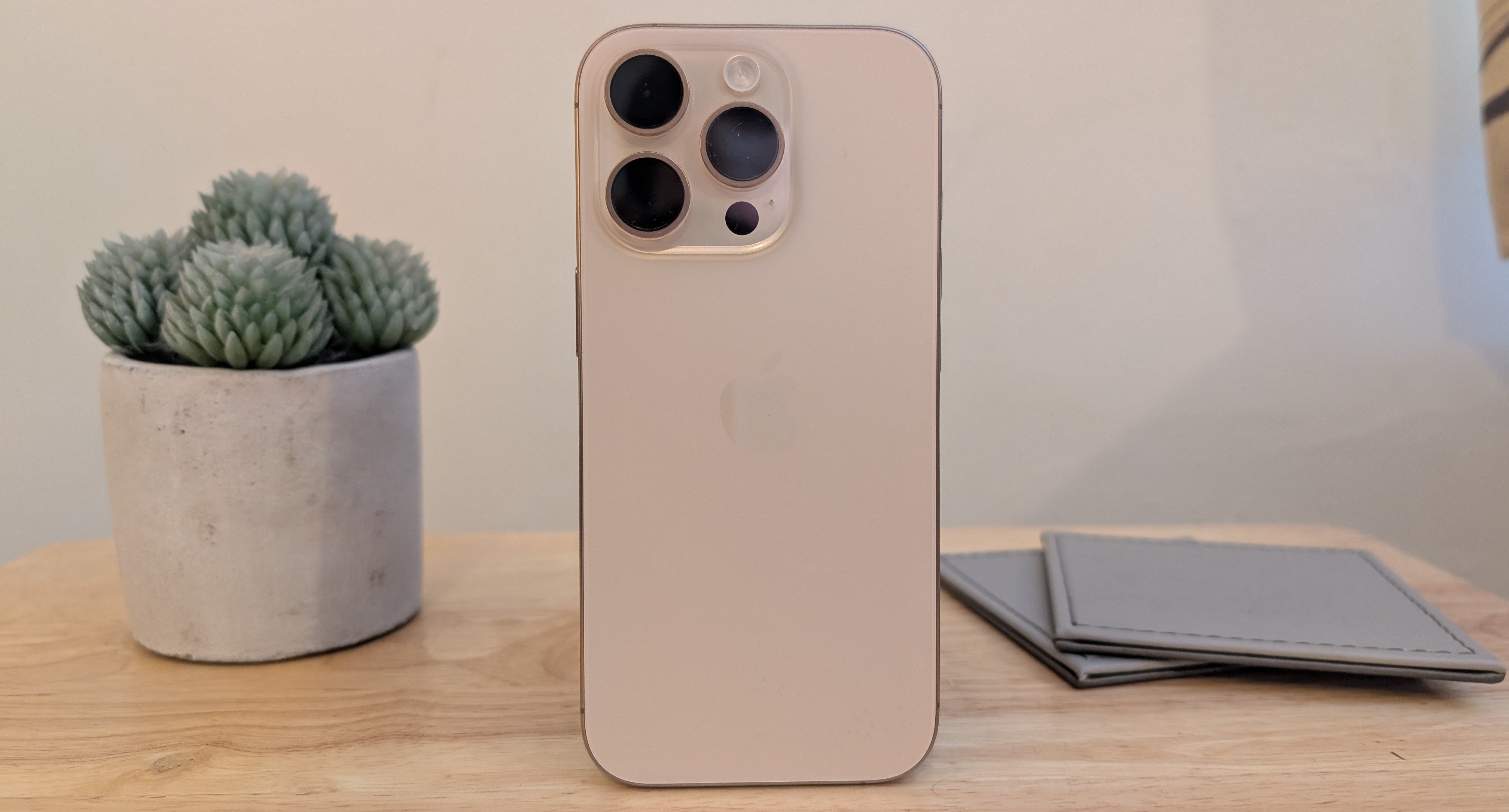
If you prefer smaller phones but still want the best iPhone experience, this is the model to go for. Aside from slightly worse battery life, the 16 Pro is just a more compact version of the 16 Pro Max at a more affordable price.
It means you get almost everything that makes that phone so great. Sublime A18 Pro performance, a gorgeous 120Hz display and a slick premium design. Battery life is still very solid, too.
The 16 Pro also has some of the best cameras in the business, including the 5x telephoto that was previously exclusive to the Pro Max. Even if you don’t use the Camera Control button, it excels for both photos and videos.
However, it’s important to be aware that not all of the promised Apple Intelligence features have yet rolled out, so don’t buy it just for the AI.
The other frustration is charging speeds, though these are slow regardless of the iPhone you choose, and MagSafe is a convenient wireless option.
Ultimately, if you want the best iPhone experience in a more compact package, the 16 Pro is the phone for you.
Read our full
iPhone 16 Pro 128 GB Titan Natur review
4. iPhone 16 – A more affordable option
Pros
- Attractive design
- Powerful performance
- Compact and colourful display
- Solid camera performance
Cons
- Camera Control placement
- Some software bugs
- 60Hz refresh rate
Price When Reviewed:
€949
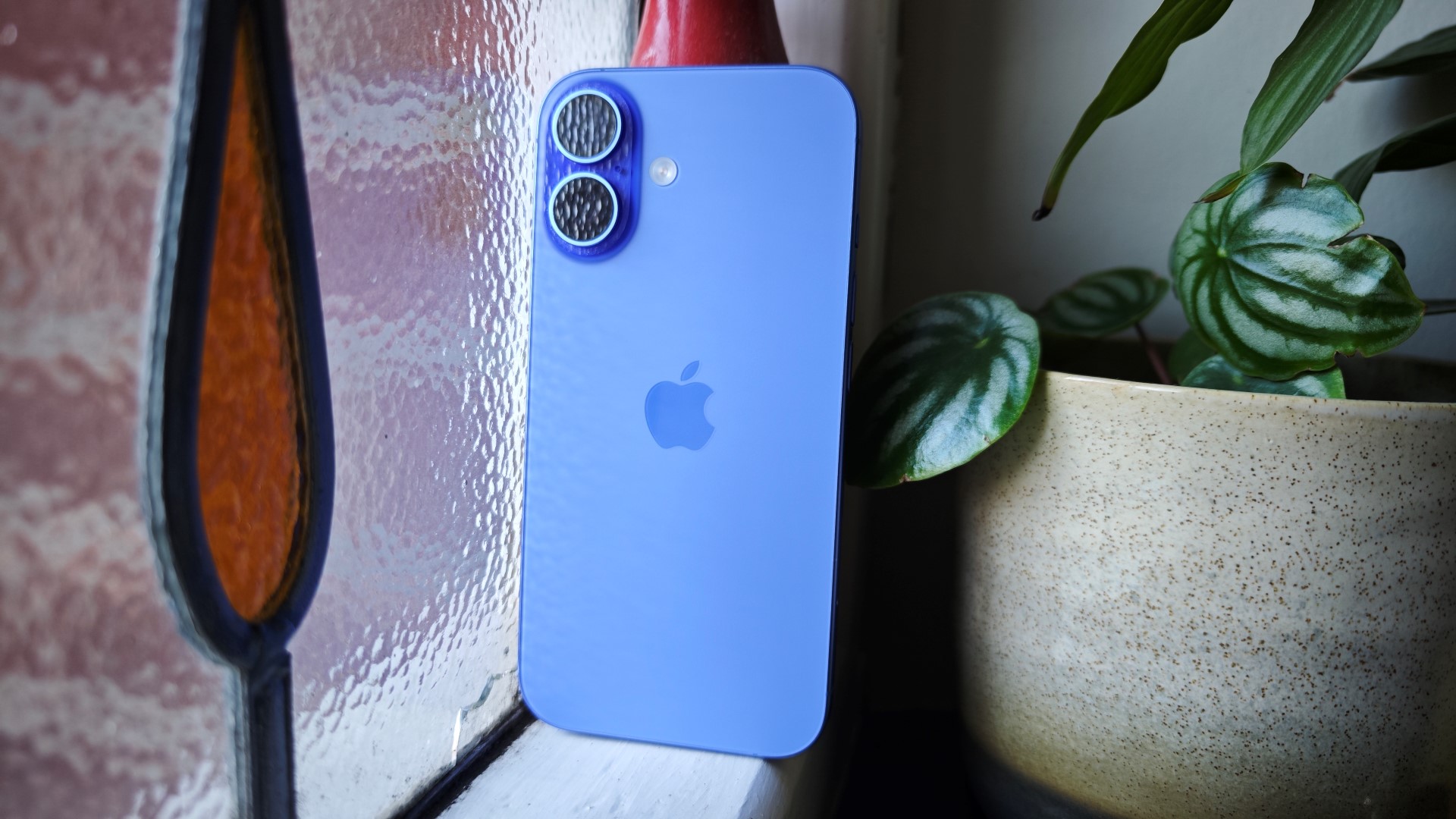
The iPhone 16 is a solid all-rounder, but it only really appeals to people who want one of the latest compact iPhones but can’t afford the 16 Pro.
If you’re considering an upgrade to the iPhone 16, we can’t say it’s worth it just to get the Action Button and Camera Control, and a partial suite of Apple Intelligence features.
That’s not to say there isn’t plenty to like here, though. The iPhone 16 delivers excellent performance and very good cameras for the price, all wrapped up in a sleek, premium design.
And even without a higher refresh rate, the 60Hz display is still very good.
Overall, it’s a solid phone, but the weakest of the iPhone 16 range.
Read our full
iPhone 16 128 GB Schwarz review
5. Apple iPhone 15 Pro – Still a great choice
Pros
- Superb cameras
- Top-tier A17 Pro performance
- Excellent, bright display
- USB-C port
Cons
- Slow charging
- No 5x optical zoom from Pro Max
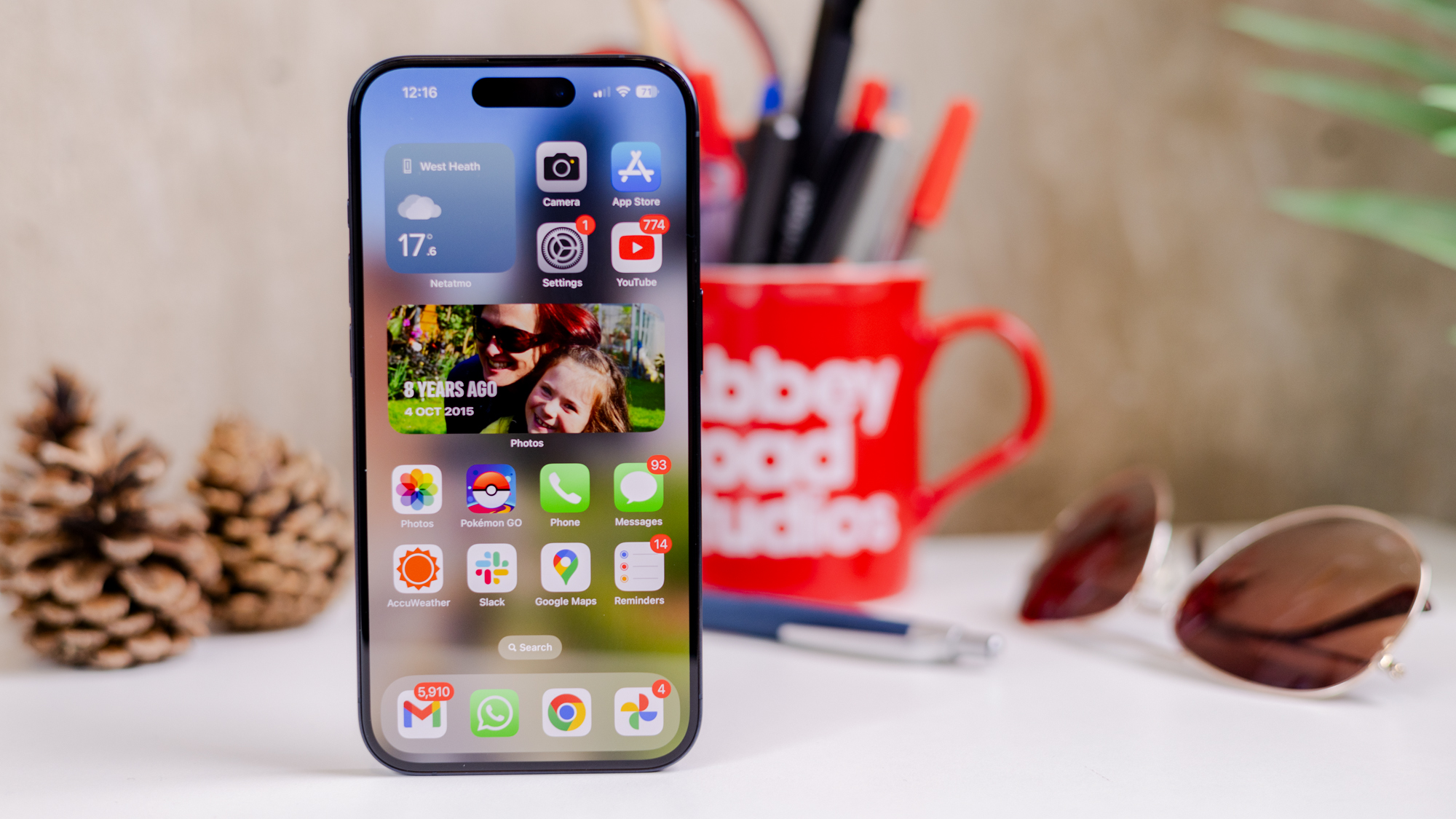
The iPhone 15 Pro was the highlight of Apple’s 2023 phones, and it remains a great option – especially if you can find a big discount.
Not only is the screen a crystal-clear OLED with a 120Hz refresh rate, it gets incredibly bright. You’ll be able to see the display on even the brightest of days.
The 12Mp 5x periscope lens being exclusive to the Pro Max is a shame, but the 3x one on the iPhone 15 Pro is still very good. It’s joined by a 48Mp main, 12Mp ultrawide and 12Mp 2x telephoto, all of which take excellent photos.
Apple’s A17 Pro chipset takes already-great performance to the next level, while the titanium build and action button are nice touches.
Then there’s the much more versatile USB-C port, with Apple finally shifting away from Lightning. Battery life is fine, charging is slow, but this is still a superb phone, and will be for many years to come.
6. iPhone 15 Pro Max – Older premium option
Pros
- Lightweight titanium build
- Superb performance
- Great cameras, including 5x telephoto
- Action Button and USB-C
Cons
- Average battery life
- Big and bulky
- Very expensive
Price When Reviewed:
€1449
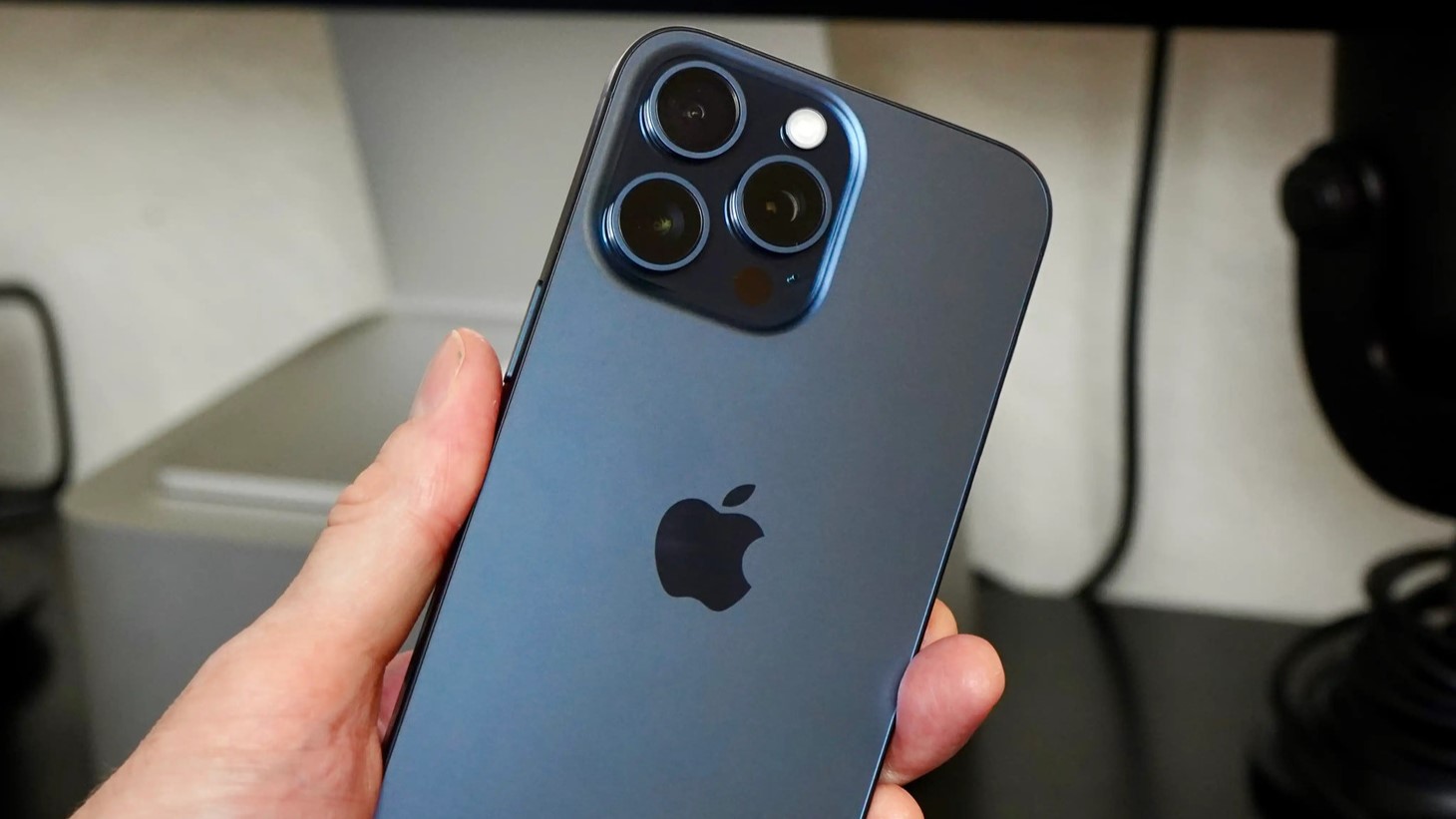
The iPhone 16 Pro Max is a great phone, but its predecessor is still worth considering. Aside from a smaller screen, older chipset and inferior ultrawide camera, the 15 Pro Max doesn’t miss out on much, including Apple Intelligence.
Performance from the A17 Pro chip is superb, while the Action Button and shift to USB-C are both welcome changes. You miss out on the Camera Control button, but that won’t be a big loss for many people.
With a stunning screen, excellent cameras and a premium titanium build, the iPhone 15 Pro Max stands the test of time. If you can put up with only average battery life and don’t mind a bulky device, this could be the iPhone for you.
Read our full
Apple iPhone 15 Pro Max 256 GB Titan Schwarz review
7. Apple iPhone 15 – Still worth considering
Pros
- Very good performance
- Dynamic Island
- USB-C port
- Good value for money
Cons
- Display only 60Hz
- Cameras could be better
- Slow charging
Price When Reviewed:
€949
Best Prices Today:
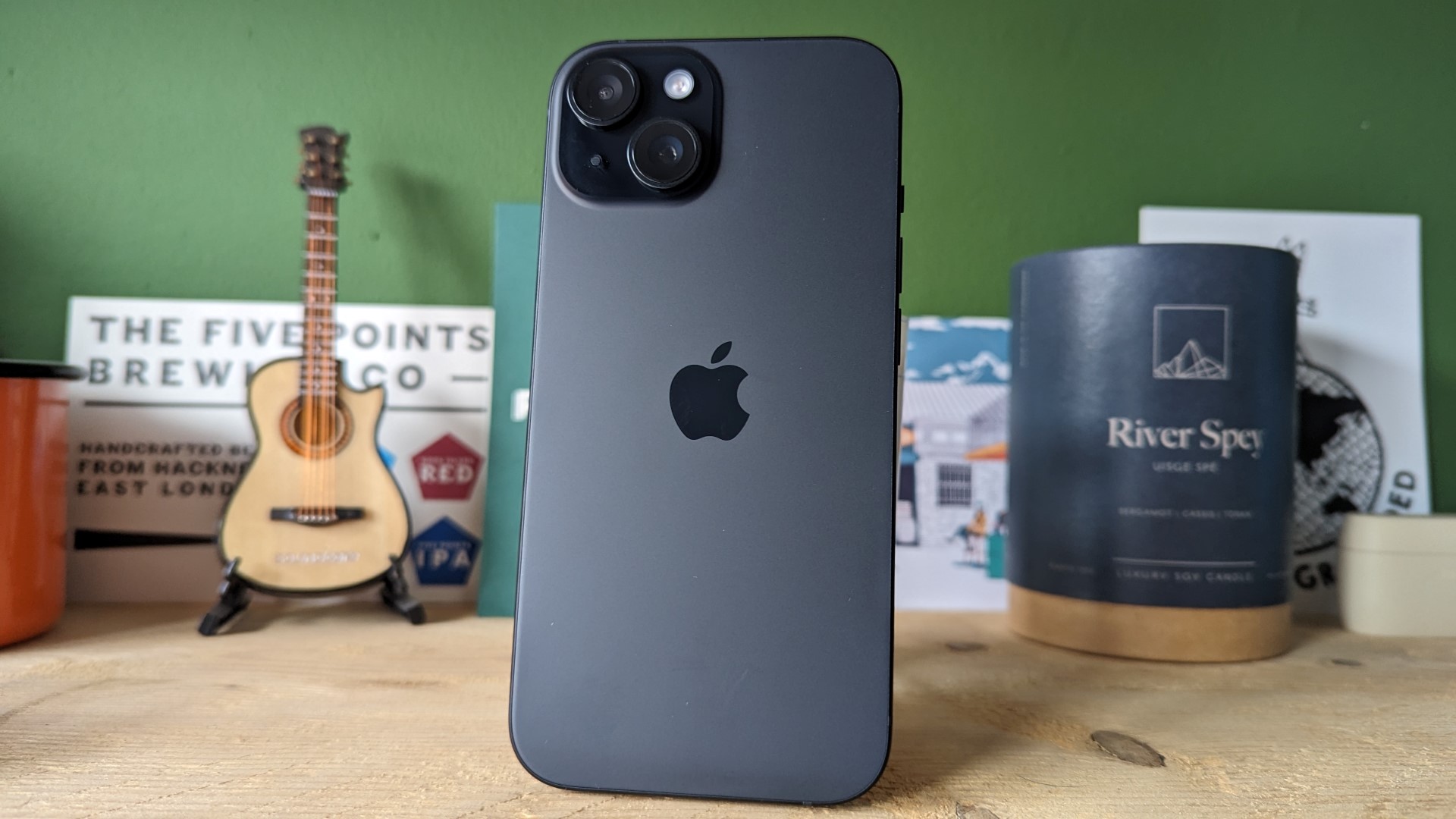
The regular iPhone 15 was a solid option at launch, and the prospect of big discounts now make it worth considering.
While the specs aren’t quite top-tier, Apple’s A16 Bionic chip from 2022 still delivers great performance, and it’s nice to see the useful Dynamic Island come to non-Pro models.
The 6.1-inch display below it is impressive, though you’ll still have to make do without a high refresh rate. You can still get some great shots with the 48Mp main, 12Mp ultrawide and 12Mp selfie cameras, but there’s no telephoto of any description here.
Ultimately, you’re getting an iPhone 15 Pro design in a much more affordable form. Despite some compromises, it’s still a great phone.
8. Apple iPhone 15 Plus – Great battery life
Pros
- Stellar battery life
- Smooth performance
- Crisp, bright display
- High-quality, water resistance build
Cons
- No telephoto lens
- Starts at 128GB storage
- 60Hz refresh rate
- No reverse wireless charging
Price When Reviewed:
€1099
Best Prices Today:
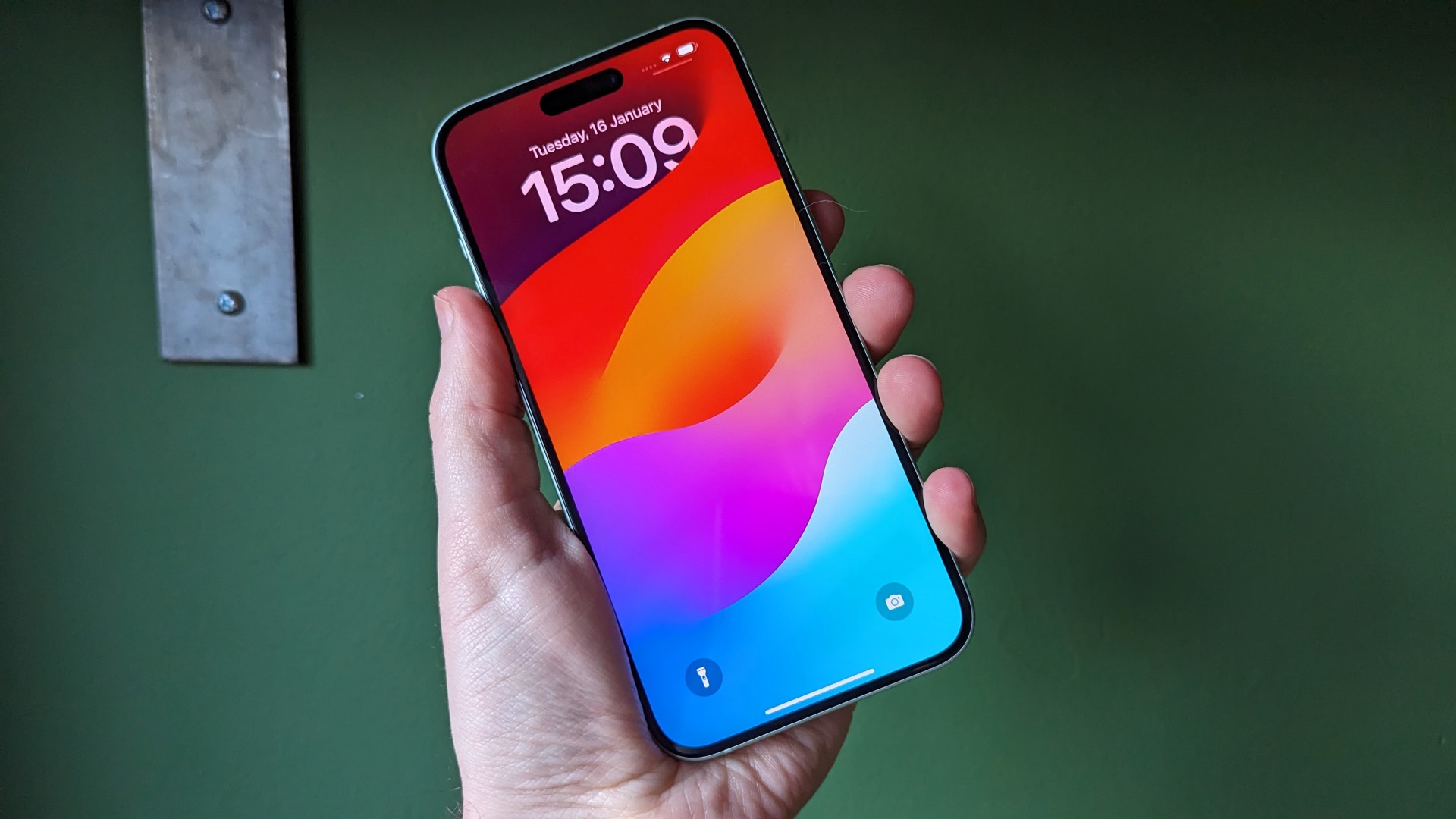
With the iPhone 15 Plus, Apple is offering an impressive big-screen iPhone experience without the hefty price tag of the newer models.
As expected, there are a few compromises compared to the iPhone Pro and Pro Max. You’ll have to make do with the A16 Bionic chip that debuted in 2022, though performance is still excellent. While the display is still very decent, the refresh rate tops out at 60Hz, so you don’t get the silky-smooth scrolling and extra responsiveness of 120Hz.
There’s also no telephoto lens whatsoever, meaning zoom shots suffer. But photos from the main, ultrawide and selfie cameras are all very impressive. The latter is housed within Apple’s Dynamic Island, which arrives on the non-Pro phones for the first time, and USB-C also makes its debut.
And battery life is the best you’ll find on an iPhone. It can last even the most intensive days with ease, and with lighter usage can last two or even three days on a single charge.
If that’s a top priority for you, or you simply want a big iPhone without the bells and whistles of the newer phones, the 15 Plus is a great choice.
Read our full
Apple iPhone 15 Plus 128 GB Schwarz review
9. iPhone 13 mini – Best small iPhone
Pros
- Perfect small-screen experience
- No compromise on performance
- Great cameras
Cons
- 60Hz display
- Small battery gains
- Slower MagSafe charging
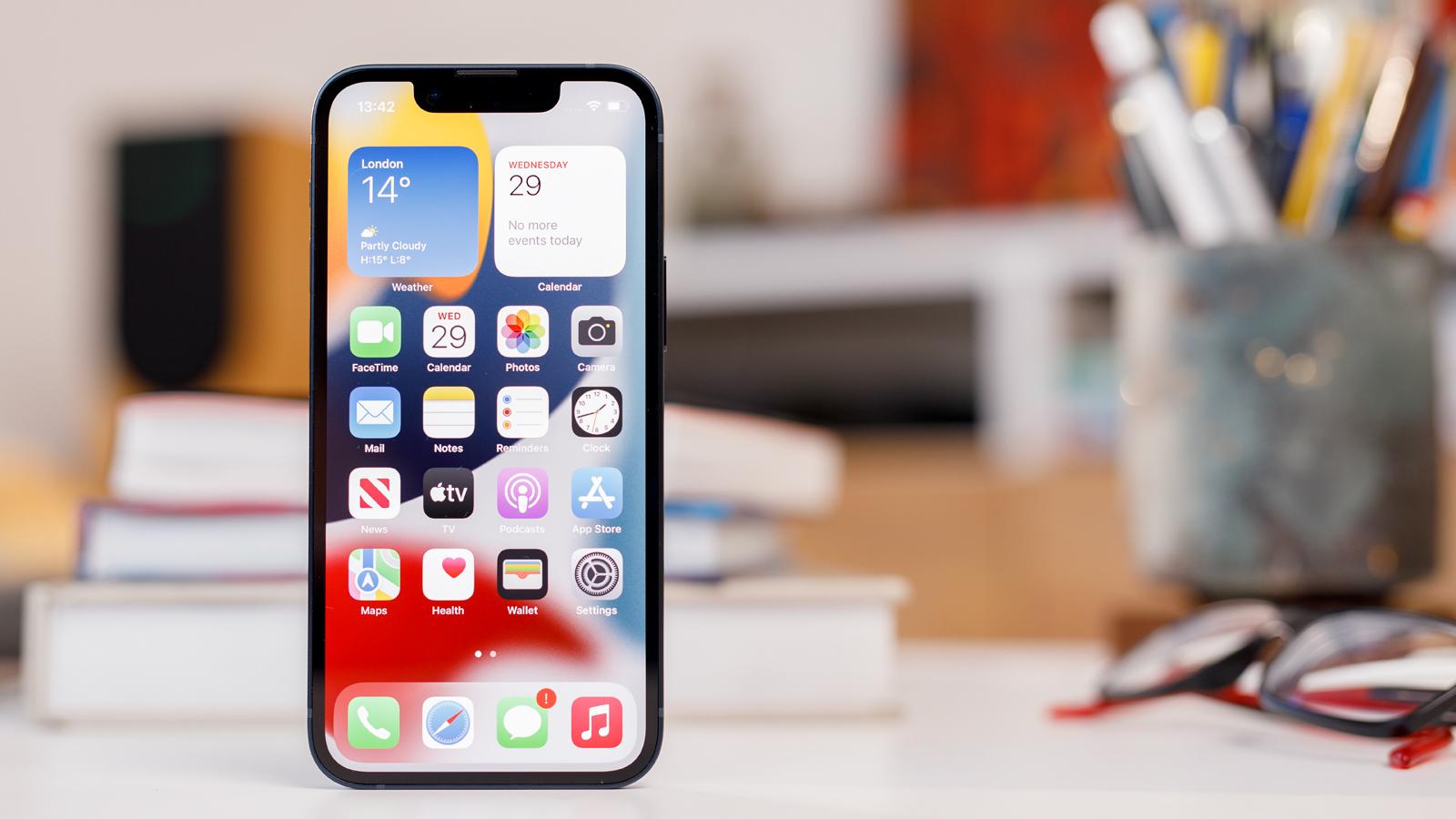
If even the 6.1in display of the regular and Pro iPhones are too big for your liking, the iPhone 13 mini is the device for you.
It offers the same experience as the standard iPhone 13, complete with an A15 Bionic chip, Apple’s Super Retina XDR display (albeit at a smaller 5.4in) and excellent main and ultrawide lenses, sporting sensor-shift OIS like the more premium models, but in a much smaller form factor.
The iPhone 13 mini is the perfect iPhone to use one-handed, but the smaller display also means it’s not the best for watching YouTube videos and movies on Netflix.
The small dimensions also mean that battery life isn’t the greatest, while charging via MagSafe is limited to just 12W.
But with Apple having discontinued the mini, it’ll remain the small iPhone to beat for a while.
Read our full
Apple iPhone 13 mini review
10. iPhone SE (2022) – Most affordable iPhone
Pros
- A15 Bionic chipset
- 5G connectivity
- Affordable price
Cons
- Dated design
- Small 720p LCD display
- Single rear camera
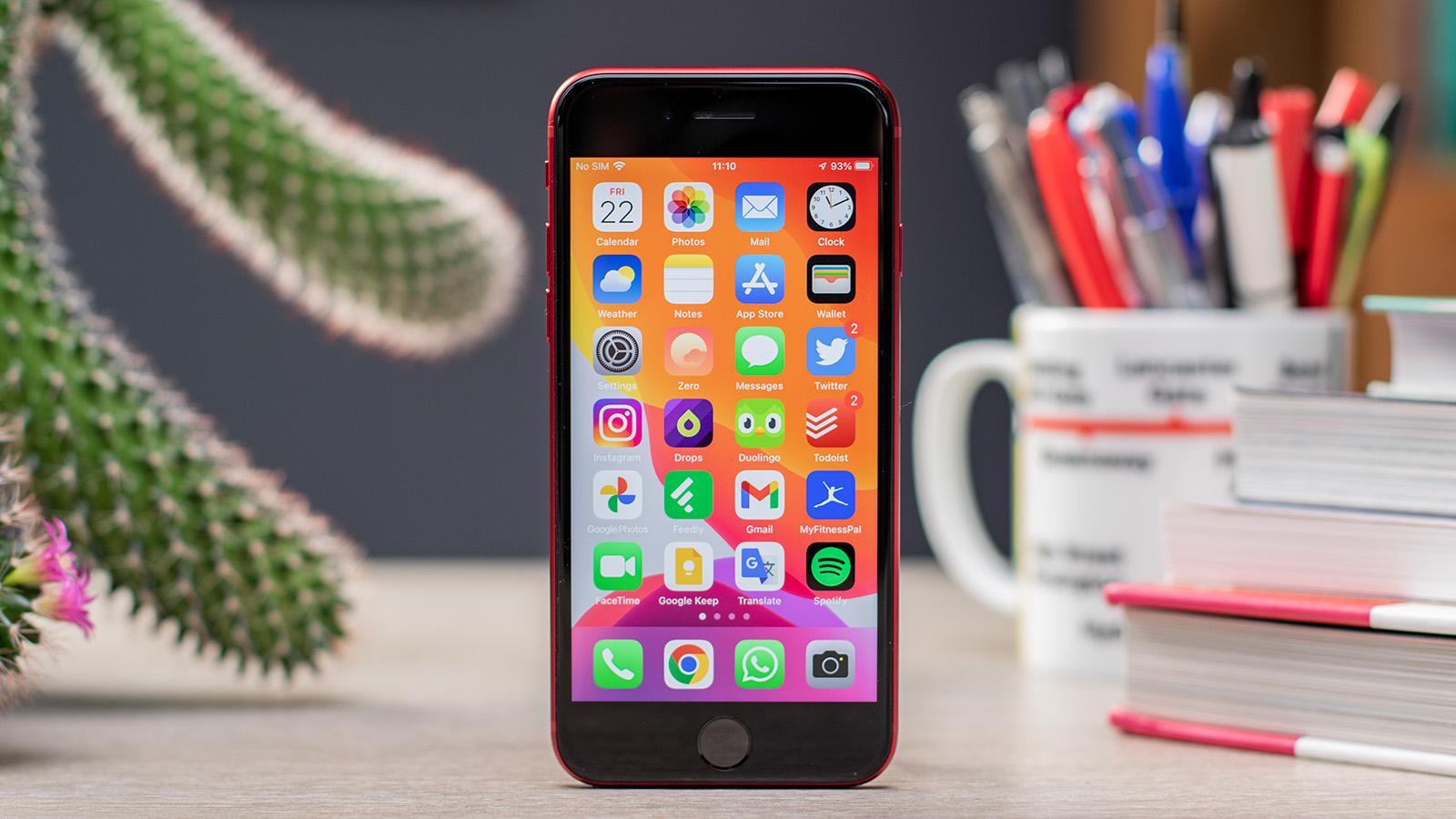
Apple’s iPhone SE range is devoted to function over form, prioritising raw performance over design or aesthetics, and that’s just as true with the final SE before the 16e arrived – but possibly to its detriment.
Sporting the same A15 Bionic chipset and 5G connectivity as the iPhone 13 series, the iPhone SE outperforms every Android competitor in its price range and 5G connectivity is a welcome addition, but that performance comes at a cost.
The dated design of the iPhone SE feels older than ever, and the 720p LCD display seems not only small but increasingly unable to render apps and webpages designed for bigger mobile displays.
There’s also the single 12Mp snapper on the rear. It’ll take decent photos in good and even marginally low light, but it lacks advanced shooting modes like Night Mode and Cinematic Video mode despite featuring a chipset more than capable of doing so.
The iPhone SE is really only for those who must have an iPhone, but can’t afford other models or don’t want to goodbye to Touch ID. For practically everyone else, there’s a better iPhone available.
Read our full
Apple iPhone SE (2022) review
Why you should trust Tech Advisor
iPhone reviews and buying advice have been a staple of Tech Advisor’s coverage since the original was released in 2007.
We’ve guided you through 2G, 3G, 4G and 5G models, plus advancements such as Face ID, the Dynamic Island and, most recently, Camera Control.
We’ve seen Apple dramatically improve the quality of its display, take performance to the next level with its powerful chipset and steadily improve battery life. There have also been staggering advancements in camera technology, to the extent that an iPhone can easily function as most people’s main camera.
We’ve held your hand through a fascinating journey of mobile hardware, and today – some 17 years later – it’s the software smarts and new Apple Intelligence capabilities that have us gripped. We perform in-depth, real-world testing on every iPhone that Apple releases, adopting it as our primary phone for the most authentic experience possible and making sure we are in a position to give you the best possible phone buying advice.
What should I consider when buying a new iPhone?
Screen size
One of the biggest deciding factors when on the market for an iPhone is the screen size you want, or most feel comfortable using – we don’t all have huge hands to use the iPhone 16 Pro Max one-handed, do we?
If you’re suited to smaller displays, your best bet is still the iPhone 13 mini with its 5.4-inch display. It might’ve been ditched with the introduction of iPhone 14 range, so you’ll miss out on the latest features, but it’s the most portable iPhone in Apple’s collection.
The 4.7-inch iPhone SE does technically have a smaller display, but it’s actually slightly bigger than the 13 mini because it has much larger bezels.
Each of the current iPhone 16 range is a different size. The regular 16 is 6.1-inches, the 16 Pro 6.3-inches, the 16 Plus 6.7-inches and the 16 Pro Max 6.9-inches. The latter is the biggest screen we’ve ever seen on an iPhone.
Performance
Performance is another element to consider when buying an iPhone, as you’ll likely want to get the most out of your device – especially at Apple’s prices.
The bad news is that, unlike with previous generations of iPhone, the iPhone 16 range has a processor split.
The iPhone 16 and 16 Plus do get a brand-new A18 chipset, but the A18 Pro is exclusive to the Pro and Pro Max phones. If you want the best performance, you’ll have to splash out for Apple’s top-end models, though performance is a strong point for all four.
Cameras
If cameras are important to you, then you’ve got a tough decision to make, as it’s one area where the iPhone collection differs greatly.
All four iPhone 16 models have a 48Mp main sensor which is only subtly downgraded on the non-Pro models. But the only supporting lens on the 16 and 16 Plus is a 12Mp ultrawide, while the 16 Pro and 16 Pro Max upgrade it to 48Mp and add a 12Mp 5x telephoto lens and 3D LiDAR depth scanner.
On the front, the 12Mp sensor is identical across all four phones, aside from the presence of optical image stabilisation (OIS) on the Pro and Pro Max.
As for the iPhone SE, it’s much more limited in the camera department, with just a single 12Mp rear lens and 7Mp front-facing camera. Megapixel is less significant these days, but there’s undoubtedly a big downgrade here compared to any recent iPhone flagship.
Battery life
Traditionally, battery life has been a bit of a problem when it comes to iPhones, especially when compared to Android counterparts and their huge batteries.
But Apple has come on leaps and bounds over the past couple of years when it comes to battery life, with the 16 Plus and 16 Pro Max offering all-day battery life with average usage. Most people will be able to get a full day out of the regular iPhone 16 and 16 Pro, but that’s not guaranteed if you opt for older models.
Battery capacity is somewhat tied to display size, as that’ll dictate how large the battery can be, so expect better battery life from Apple’s big-screen models. It means the iPhone SE also has the smallest battery life, but its small, low-resolution display means a full day of usage is well within reach for most people.
5G connectivity
Apple introduced 5G support with the iPhone 12 range, so all of these iPhones in this list now support the latest cellular technology.
But remember that 5G availability is still limited in many countries and regions, and you’ll need a SIM that supports it.
It’s also worth noting that starting with the iPhone 14 series, all iPhones sold in the US have been eSIM-only, though that doesn’t apply elsewhere, including in the UK.
Price
Of course, the biggest factor to consider is your budget: how much do you want to spend on your iPhone?
All of the iPhone 16 handsets have plenty of strengths, but none come cheap. When paying full price, the iPhone 16 starts at £799/$799, while the iPhone 16 Plus will set you back at least £899/$899. The iPhone 16 Pro starts at £999/$999, while the 16 Pro Max is available from £1,199/$1,199.
With that in mind, it’s worth considering older models. The iPhone 15 range was priced identically at launch but may now be discounted. It’s also worth looking out for refurbished iPhone deals.
When buying new, the cheapest current-gen iPhone is the iPhone 16e. But it’s pricier than earlier budget SE models – £599/$599 for the 128GB version, £699/$699 for the 256GB version and £899/$899 for the 512GB version – and there are some compromises to be made.
Apple Intelligence
AI has officially landed on the iPhone but the full suite of Apple Intelligence features announced last year is not yet available. At this stage, you can use AI to for tasks including helping you draft emails and documents, searching with natural language in your Photo App memories, and removing unwanted people from pictures.
Apple Intelligence is also only available on certain iPhone models. Here’s the full list:
- iPhone 16e
- iPhone 16
- iPhone 16 Plus
- iPhone 16 Pro Max
- iPhone 16 Pro
- iPhone 15 Pro Max
- iPhone 15 Pro
Related articles
- Best UK phone networks
- Best phone insurance
- Best phone stands
- All smartphone reviews
- Best smartphones
- Best Android phones
- Best camera phones