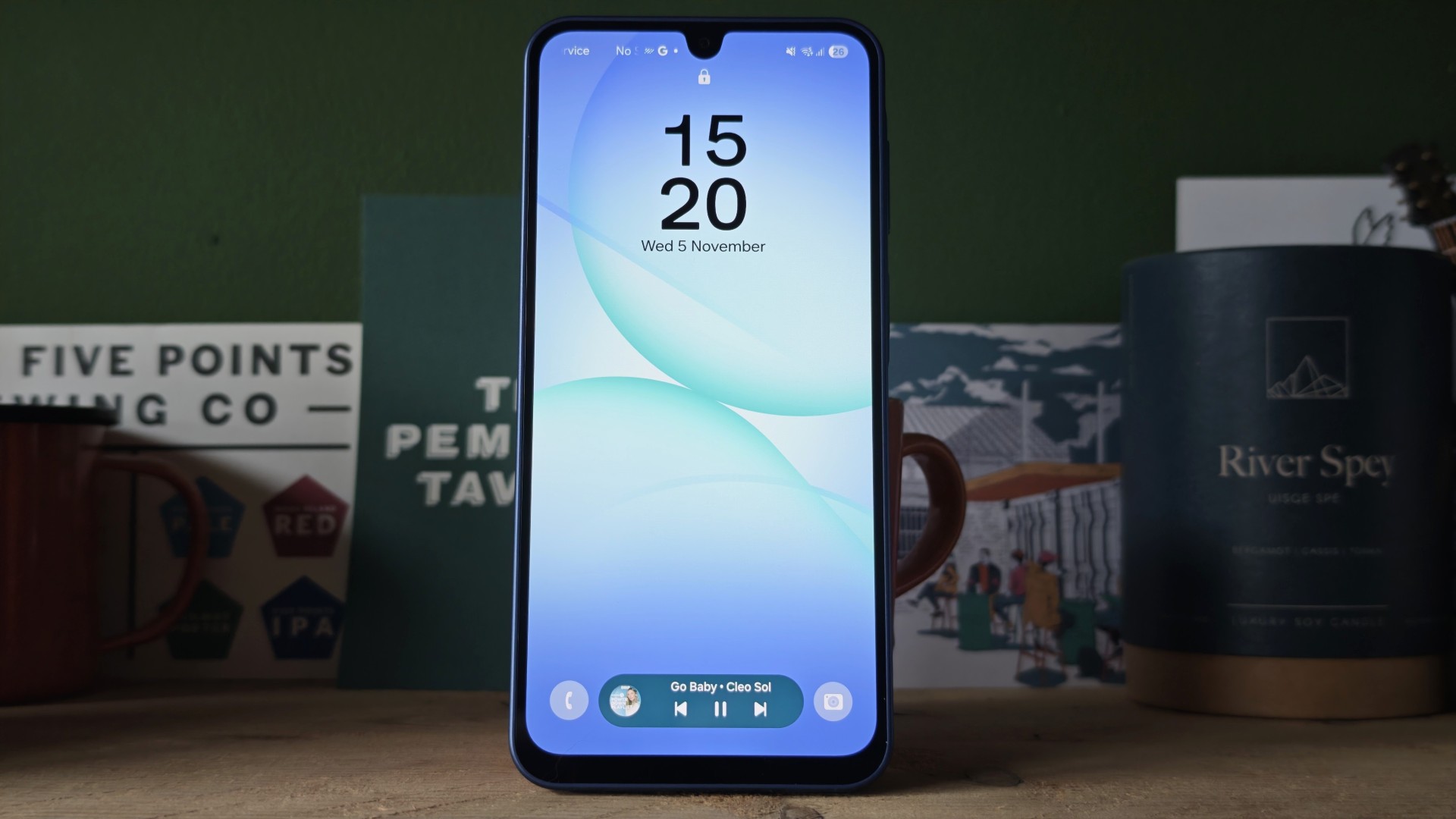





Almost every time I’ve met new people recently, we’ve had some version of this conversation (after the discussion about my unusual name, of course):

THEM: “So, what do you do?”
ME: “I’m a tech journalist – mainly write about phones, tablets, that sort of thing.”
THEM: “Oh really? So which phone should I buy then?”
ME: “It depends – are you okay with an Android phone?”
If they say no, I explain that the iPhone 17 is the best all-round iPhone for most people, or you can get cheaper older models that are still great. Oh, and that you probably shouldn’t buy the iPhone 17e.
But if they say yes, I ask another crucial question:
ME: “How much are you willing to spend?”
THEM (usually): “Oh, not much, maybe a couple hundred quid?” (That’s pounds, for our non-British readers.)
ME: “Well, the one we recommend (in our guide to the best budget phones) is the CMF Phone 2 Pro. But its design isn’t for everyone, and software support isn’t the best. If you’re looking for a safe bet, go for the Samsung Galaxy A17 instead. But there are two versions, so make sure you get the 5G one”
Rinse. Repeat.
While it gets tiring to give out nearly identical advice so often, I appreciate being trusted to provide impartial advice. With all the glitzy marketing and AI slop that plagues modern social media, that’s more important than ever.
The limitations of one-size-fits-all advice
It might seem weird that I’m recommending the phone that sits in second place in our best budget phones round-up instead of the one that’s at the top.
But, while I wholeheartedly agree with that ranking, it’s important to remember that most people aren’t smartphone enthusiasts. In fact, if you’re reading this, it’s likely that you’re a casual user who just needs something you can rely on.
You don’t have hundreds to spend on a fancy handset with all the bells and whistles – and you don’t need one. To borrow an old slogan from Apple’s Steve Jobs: you want a phone that “just works”.
Chris Martin / Foundry
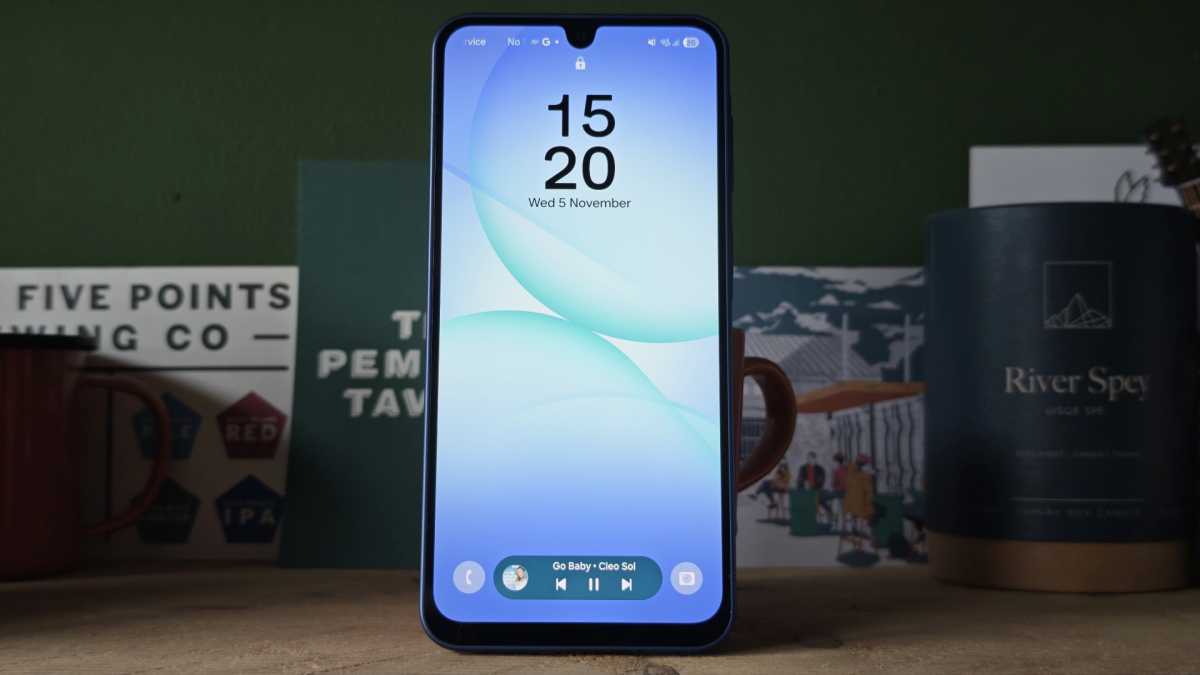
Budget phones are better than ever in 2026, but that’s still far from a guarantee, especially if you plump for a less familiar brand.
And, while far from perfect, Samsung’s latest cheap handset comes with almost no risk attached. Which may well make it ideal for you.
Software is the big selling point
The Galaxy A17 5G isn’t a flashy phone. In fact, in our review, my colleague Chris Martin rightly complained about the incredible lack of upgrades from its predecessor, the Galaxy A16 5G. We shouldn’t let Samsung off the hook about this – it’s disappointing.
However, the combination of a slimmer, lighter chassis and longer software support is enough for me to recommend the newer model.
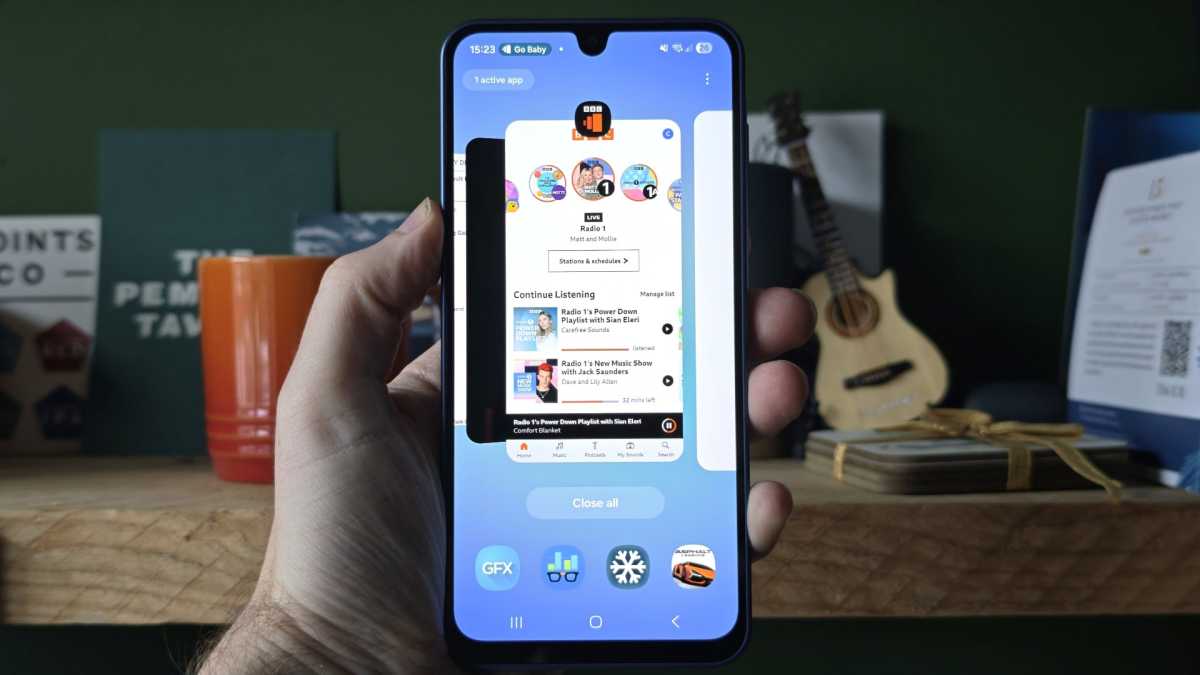
And it’s the software experience as a whole that really sets Samsung apart from its budget rivals. In my opinion, the Galaxy A17 5G’s One UI 8 skin is up there with the Pixel as the best flavour of Android 16.
It’s easy to use, looks great and is highly customisable, boasting useful AI features such as built-in Gemini and Circle to Search. Out of the box, it’s easy to get everything set up the way you like it – even if you’ve never used a Samsung phone before.
Chris Martin / Foundry
With more than five more years of software support, the Galaxy A17 5G will be safe and secure until 2031. And, unlike the CMF Phone 2 Pro, these five years apply to major OS upgrades as well as security patches.
In other words, when Samsung hypothetically rolls out One UI 13 in 2030, the Galaxy A17 5G should get it. Not long ago, that sort of longevity was unheard of on budget phones.
Solid hardware where it matters most
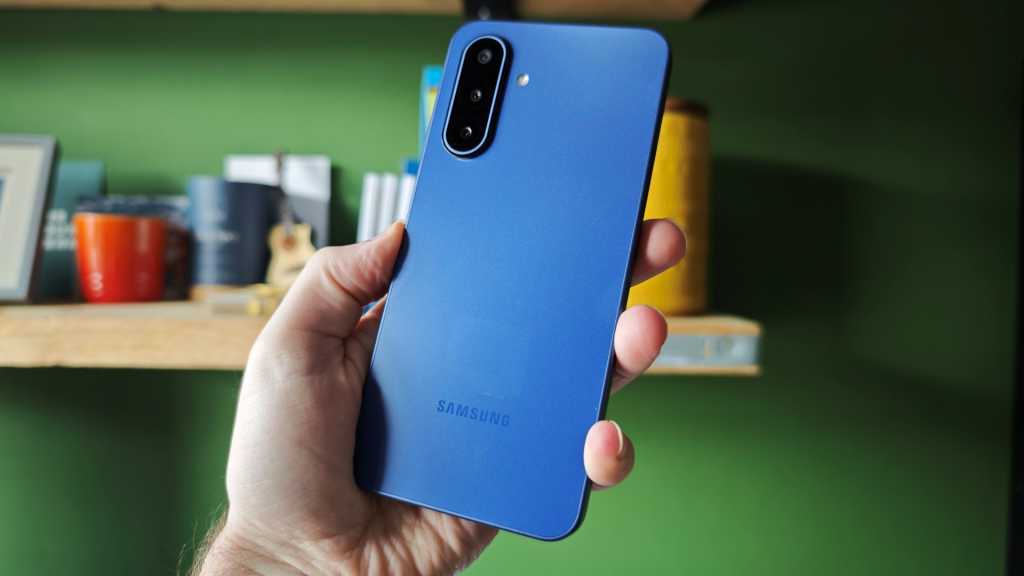
The Galaxy A17 5G’s hardware won’t blow you away; it’s an unremarkable phone in almost every way. But when it comes to the fundamentals of a reliable phone, it ticks pretty much all the boxes.
That sleeker design includes a very nice 6.7-inch OLED display with a smooth 90Hz refresh rate. Despite no processor upgrade, performance is strong across all everyday tasks, and can even stretch to some gaming. And the very common 5000mAh lithium-ion battery is enough for two days of lighter usage, helping to offset the rather sluggish 25W charging.

Chris Martin / Foundry
While the phone has a triple rear camera system, the 50Mp main lens is the only one you’ll want to use regularly. And with impressive image quality and a solid dedicated low-light mode, it’s versatile for a budget setup. The 13Mp selfie lens delivers similarly solid shots.
There’s really nothing to write home about here. In fact, I’m getting a bit bored looking at all the specs, to be honest.
But when you’re spending just £199/$199.99, a consistent, reliable experience is all that really matters.
It’s a phone many people can afford to buy, allowing them to save money by pairing it with a cheap SIM-only deal for calls, texts and mobile data.
However, you’ll need to make sure that you get a physical SIM card…
Why I wouldn’t recommend the Galaxy A17 5G for travel
In my opinion, there’s only one potential dealbreaker when it comes to the Galaxy A17 5G: the lack of eSIM support.
Until a couple of years ago, I wouldn’t have viewed that as a problem: the process of adding roaming data to my UK SIM or buying a local one at the airport was familiar to me.
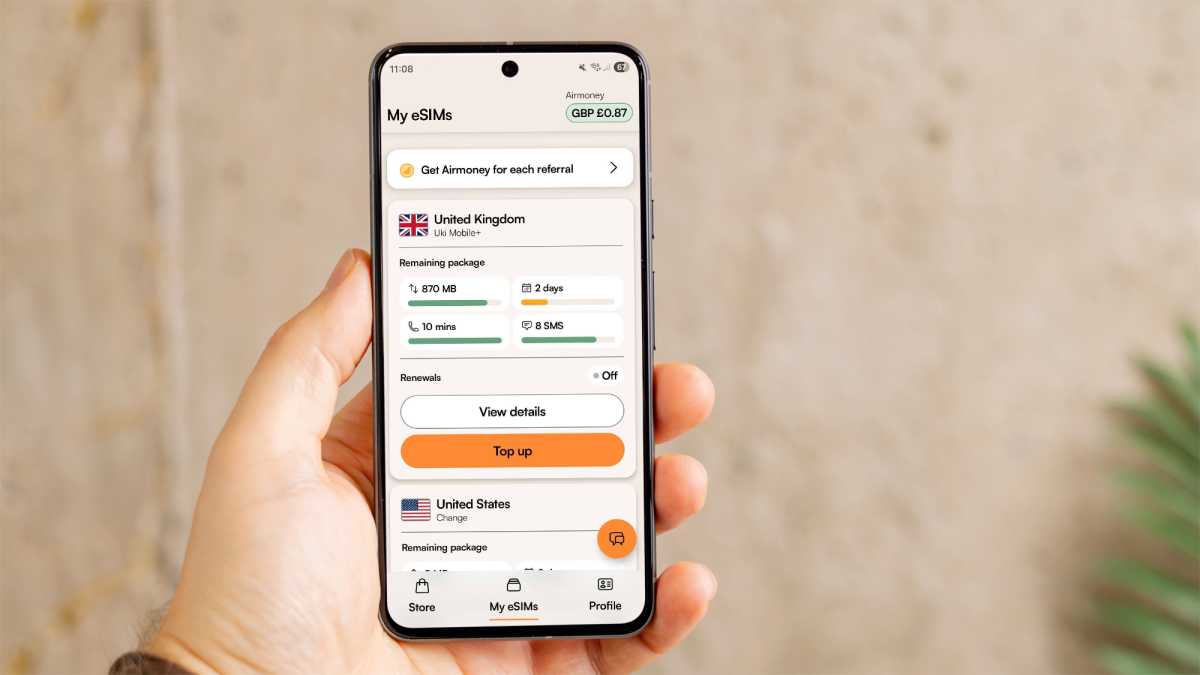
However, my opinion totally shifted after a trip to Hawaii in late 2024, where switching to eSIM made the process of getting connected seamless. I’ve since used it for two further trips to the US, and had zero issues (I used Airalo all three times, if you’re wondering).
Foundry
Of course, you can go back to one of the older methods when travelling abroad. But if you’re a regular traveller, especially outside of the areas covered by EU roaming, I’d highly recommend a phone that supports eSIM.
Aside from some iPhones, every smartphone sold in the UK and US that supports eSIM also includes a physical SIM card slot. In my view, that’s the perfect balance.
If, like me, eSIM is important to you, I’d recommend stepping up to the Galaxy A37, which offers eSIM support and launched just a few weeks ago. However, it’s significantly more expensive, coming in at £399/$449.99. Bear in mind that Samsung is currently hiking the prices of a number of its phones and tablets, so check before you buy.
What we really need is the Galaxy A27, which was a no-show at the launch last month but is likely to launch soon. Come on, Samsung!
However, for the vast majority of people, there’s no need to wait. Just get the Galaxy A17 5G, and you’ll hopefully be able to forget about buying a new phone for a few years. That’s what I’ve recommended on multiple occasions, and will continue to do until something better arrives.