
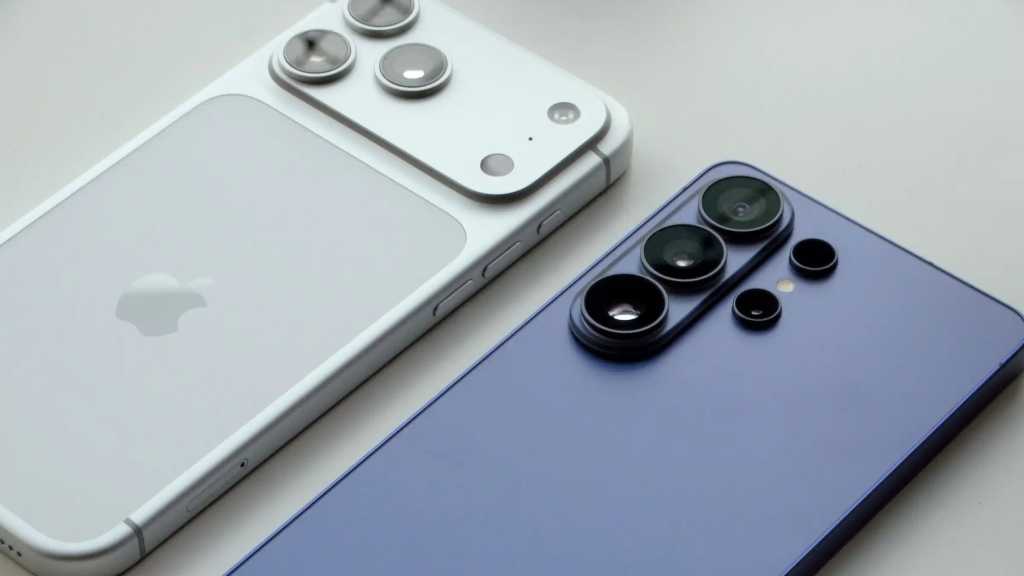

When it comes to buying a smartphone, there are still two camps: those who automatically go for Android, and everyone else who prefers Apple. For me, it’s not a matter of loyalty, but a purely practical one.

Whenever I think about what I want from a smartphone, I always end up going for Android. No matter how I look at it (or my colleagues at Macworld and Macwelt sing the praises of the latest model), I’ll never switch to an iPhone in my lifetime.
This realisation comes as something of a surprise, because my experience of technology actually began with Apple – the iPod Nano, to be precise. I stored all my music on this little device and happily cycled to school every day, even before I had my first smartphone.
The latter didn’t come from Apple, though, but from HTC. And, while two further iPod Nano models followed, that was the end of my involvement with Apple. Here are four big reasons why I’ll never switch to an iPhone.
1: The price barrier
One of the main reasons starts with the pricing. Because if I wanted to switch to an iPhone, I’d first have to fork out more money than I’d normally be prepared to spend on tech.
Admittedly, at £799/$799, the base iPhone 17 undercuts many Android flagships, but even that is too expensive for me. What does my phone really need to be able to do, apart from making calls, sending WhatsApp messages and running a few games?
There are many reasons why expensive smartphones are overrated. And to be fair, I have to say that I wouldn’t buy an expensive Samsung Galaxy either. Why should I spend four figures on a premium handset when a budget or mid-range phone will suffice?
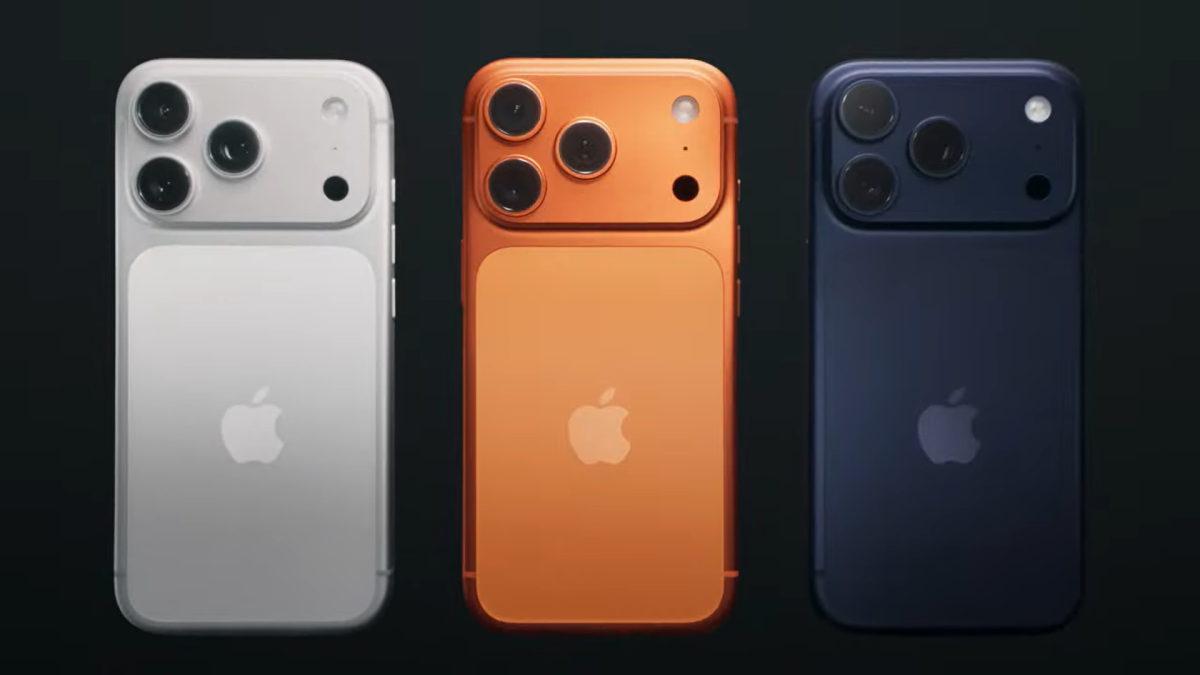
Admittedly, the iPhone 17 Pro and Pro Max look quite stylish. But that alone isn’t enough for me to spend so much money
Apple
I can happily do without the few extra percentage points of performance that Apple’s top models supposedly offer. And so can you – there there really is no rational reason to spend that much money on a smartphone. Whether it’s Apple or anyone else putting their name on it.
Why should I spend four figures on a premium handset when a budget or mid-range phone will suffice?
2: The mindset
Which brings me to my second point: I find the mindset with which many Apple users approach the subject very disconcerting. It’s not for nothing that iPhone fans are often referred to as ‘Apple disciples’ – the level of adoration with which many regard this company has almost cult-like qualities.
For many users, it’s not enough to own a good smartphone and use it for many years (AKA exactly what I do with my Android phone). No, it always has to be the very latest model, and if Apple announces a device that looks exactly like its predecessor, just in a different colour and with a slightly different camera, then they have to have it immediately, no matter what.
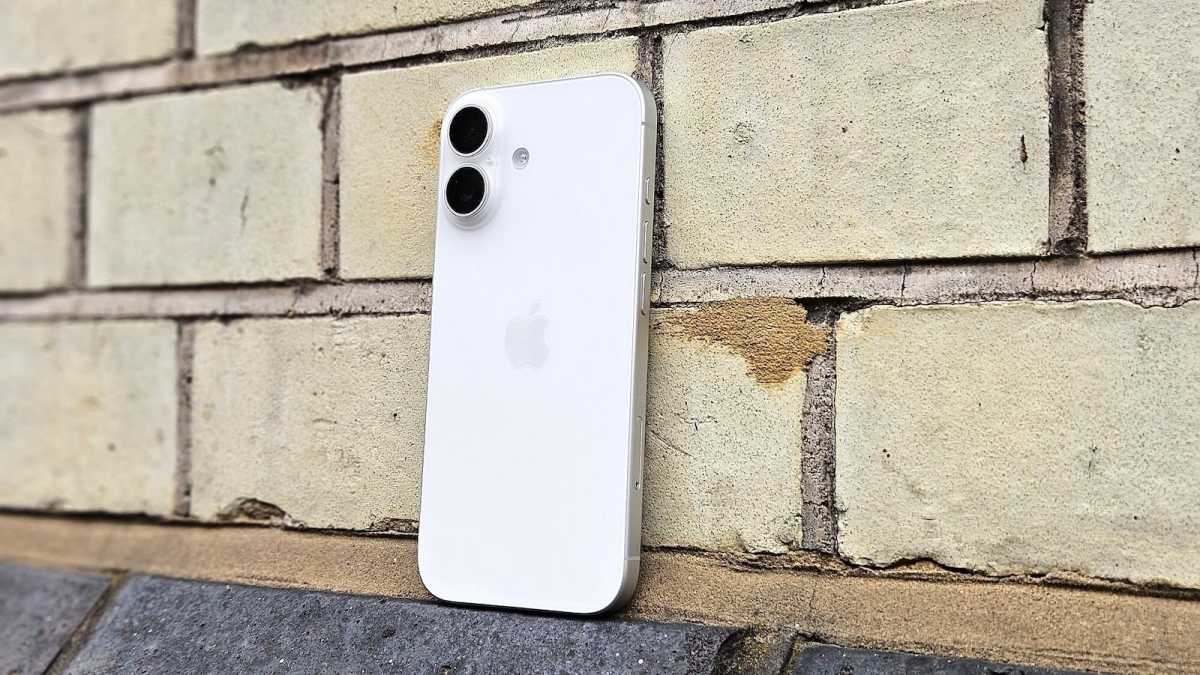
All the fuss surrounding Apple really gets on my nerves. It’s just a smartphone, not a way of life. OK?
Emma Rowley / Foundry
This mindset clashes completely with my understanding of technology. It’s there to make our daily lives easier. To connect us, provide information, or sometimes just for entertainment.
Tech shouldn’t be a massive burden I impose on my wallet, which is already trembling as the next Apple keynote approaches and yet another run-of-the-mill innovation is presented as The Holy Grail.
Don’t get me wrong. I don’t want to step on anyone’s toes who gets excited about even minor technical improvements. But I don’t hear anyone talking about their Android smartphone the way Apple fans do, and I actually quite like it that way.
My wallet is already trembling as the next Apple keynote approaches and yet another run-of-the-mill innovation is presented as The Holy Grail
I’m also aware that this adoration doesn’t come out of nowhere. Apple wants it exactly that way, with their launch events, Apple Stores and the focus on individuals such as Steve Jobs or Tim Cook, who promise potential buyers the moon. But for me, it triggers exactly the opposite reaction: I don’t want to be part of that.
3: Too little choice
Apple’s closed ecosystem may have some advantages. Among other things, generally better reliability, excellent security and superb integrations between devices.
But for me personally, the “controlled chaos” of Android is better, as I simply have the widest choice of apps and customisation options here.
Admittedly, the price you pay for this is the numerous malware-infected apps that, despite all the security measures, keep ending up in the Google Play Store. But with a bit of common sense, you can avoid these problems relatively easily and don’t need to worry about them.
While Apple’s requirements tend to weed out these apps, playing by the strict rules of a massive tech company is sure to alienate some developers. Of course, Google is also a huge tech firm, but its more laissez-faire approach encourages more freedom and a greater range of apps to choose from, something I like to see.
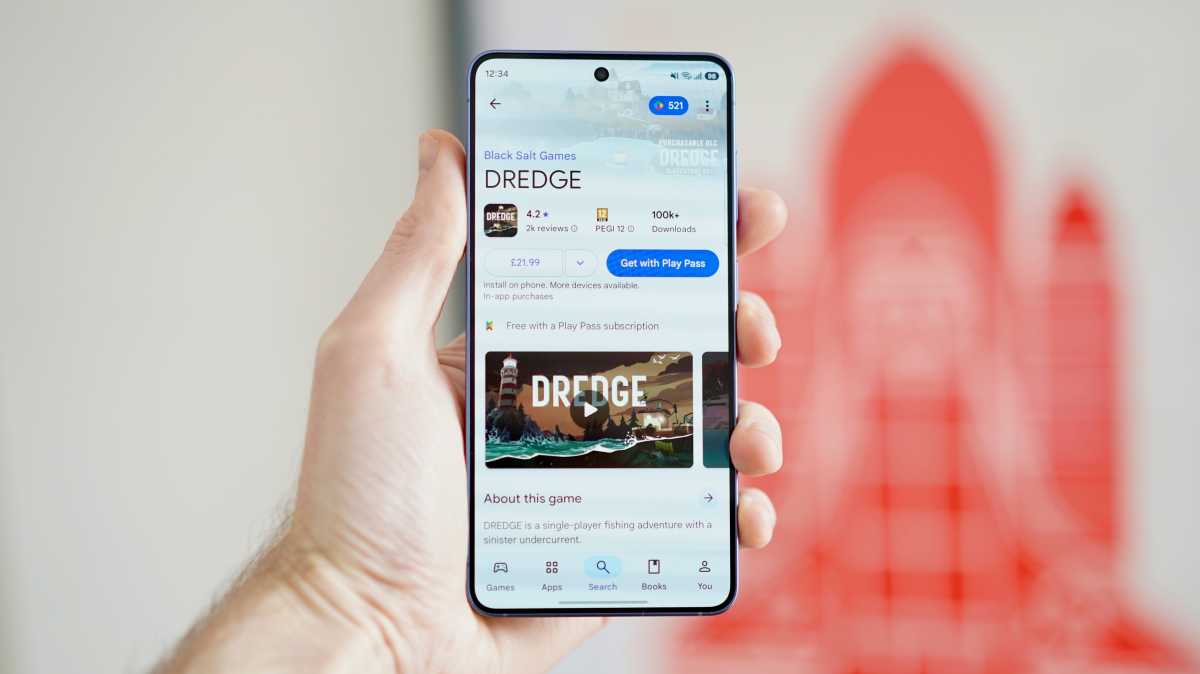
The Google Play Store isn’t perfect, but it does have the widest selection of apps
Jon Mundy / Foundry
Incidentally, I’d never switch to a Mac either (even though Windows is far from perfect). Because then I’d have to do without so many games that are either only optimised for macOS later on, or not at all. So I’d rather put up with a bit of a ‘Wild West’ and get significantly more choice in return.
Point 4: Habit
Last but not least, I have to admit that when it comes to technology, I’m simply a creature of habit. I don’t really see the point in getting used to something new now and learning Apple’s very own design language when I can just as easily stick with Android.
That’s why I usually try to buy smartphones that feel similar to use to what I had before. From HTC to Huawei to Oppo, my current phone, it just feels natural .
I’d rather put up with a bit of a ‘Wild West’ and get significantly more choice in return
You could call it laziness, but on this point, I believe in the saying “if it ain’t broke, don’t fix it”. If things are working as intended, why should I switch to Apple? The allure of something new might tempt some people (such as my colleague, who switched to an iPhone after 12 years with Android), but that sort of thing doesn’t necessarily appeal to me.
If the time ever comes when I can no longer rely on Android, I’d be more tempted to switch to an alternative OS like GrapheneOS or LineageOS. To see what a young developer community, not driven by profit, can achieve.
But that being a realistic option still feels like a long way off. In the meantime, I’ll happily stick with Android.
Related articles
- The 10 best smartphones you can buy right now
- Everything you need to know about Android 17
- Google played its MacBook Neo trump card