




At a glance
Expert’s Rating
Pros
- Excellent main and telephoto cameras
- Compact and attractive design
- Feature-packed software
- Solid battery life & charging
Cons
- No wireless charging
- Not the longest software support
- Plastic frame
Our Verdict
The Xiaomi 17T now has a more pocket-friendly size, a seriously upgraded telephoto camera, a faster processor, and a much bigger battery. Its predecessor was already great, and this one’s all the more appealing. That said, it’s more expensive than last year, and that means it faces much stiffer competition.

Price When Reviewed
This value will show the geolocated pricing text for product undefined
Best Pricing Today
Price When Reviewed
Unavailable in the US
Best Prices Today: Xiaomi 17T

Xiaomi’s latest flagship-killer smartphones have landed, and this year, they’re very early. It was only about 8 months ago that Xiaomi introduced the 15T series, and now the 17T and 17T Pro are here to replace them (with the firm skipping the 16 model numbers).
While the 17T Pro has soaked up most of the limelight, I actually think the standard 17T is the more interesting of the pair. This more budget-conscious performer has inherited the excellent 5x telephoto from the 15T Pro as a headline feature, which makes its camera system much more versatile.
It also gets a bigger battery and a quicker chip inside, but with a pretty significant price hike to £649 while the 17T Pro is no longer even in our mid-range price bracket.
Is the 17T worth buying over the likes of a Google Pixel 10 or Samsung Galaxy S25 FE? I’ve been living with it for the past few weeks to find out.
Design & Build
- Aluminium frame, composite fibre back
- 200g, Gorilla Glass 7i
- IP68 rated
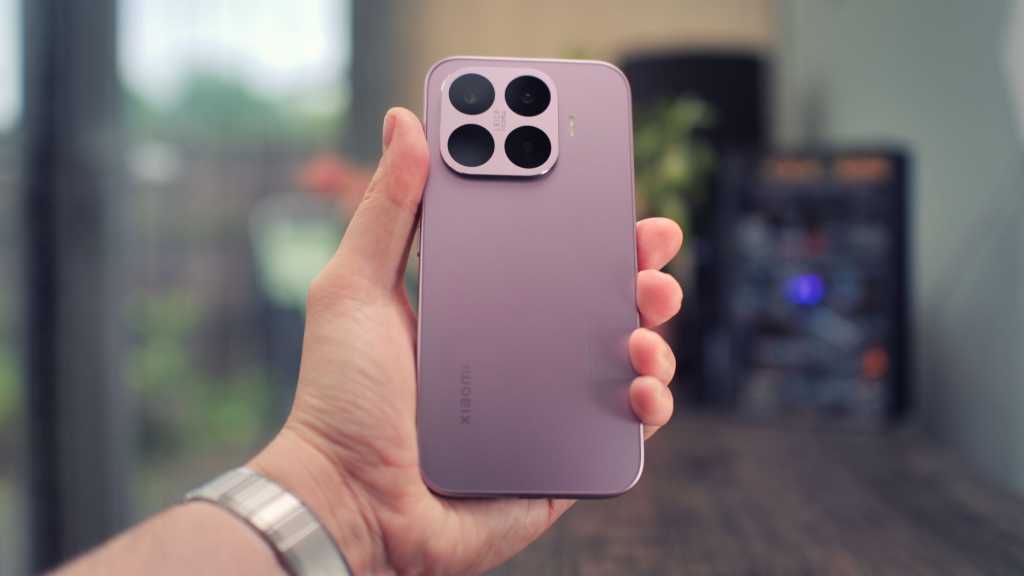
The Xiaomi 17T looks a lot like its bigger brother, the 17T Pro, and is not too dissimilar to last year’s 15T. The big difference, this time, is that the 17T is much smaller than the Pro model, while previous generations shared similar dimensions.
This means that, if you have smaller hands, you might find the standard 17T easier to use, as it’s not quite such a strain to reach the top of the display.
We don’t expect to see plastic at the top of the mid-range category.
Luke Baker
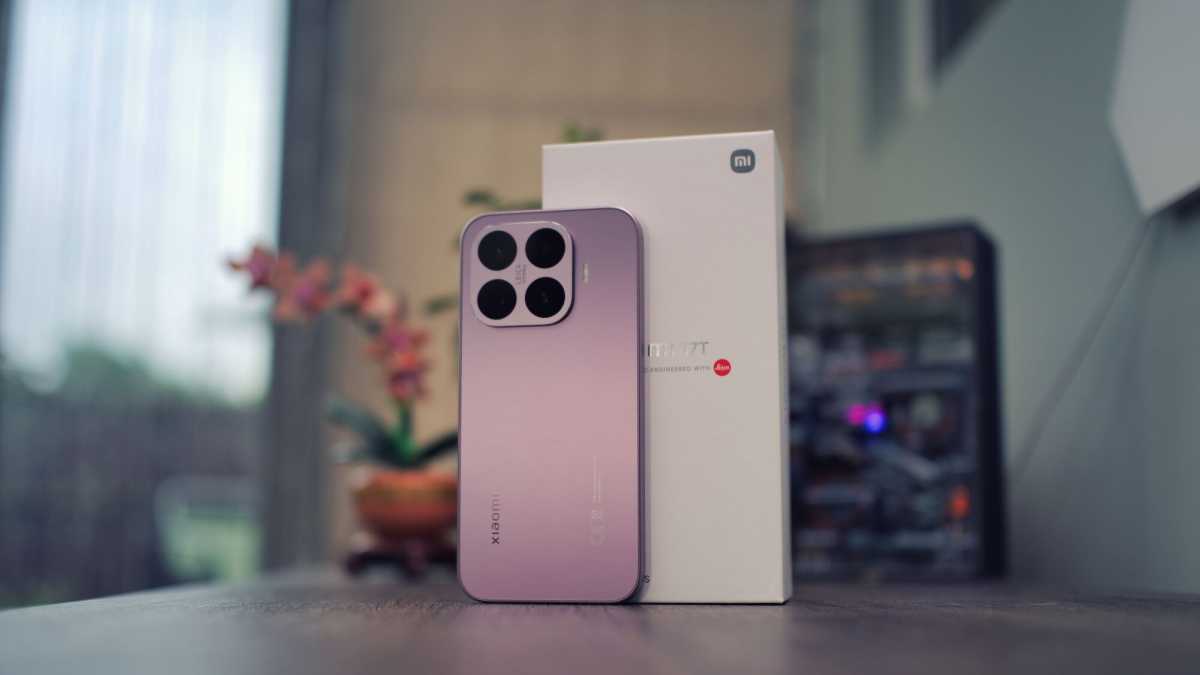
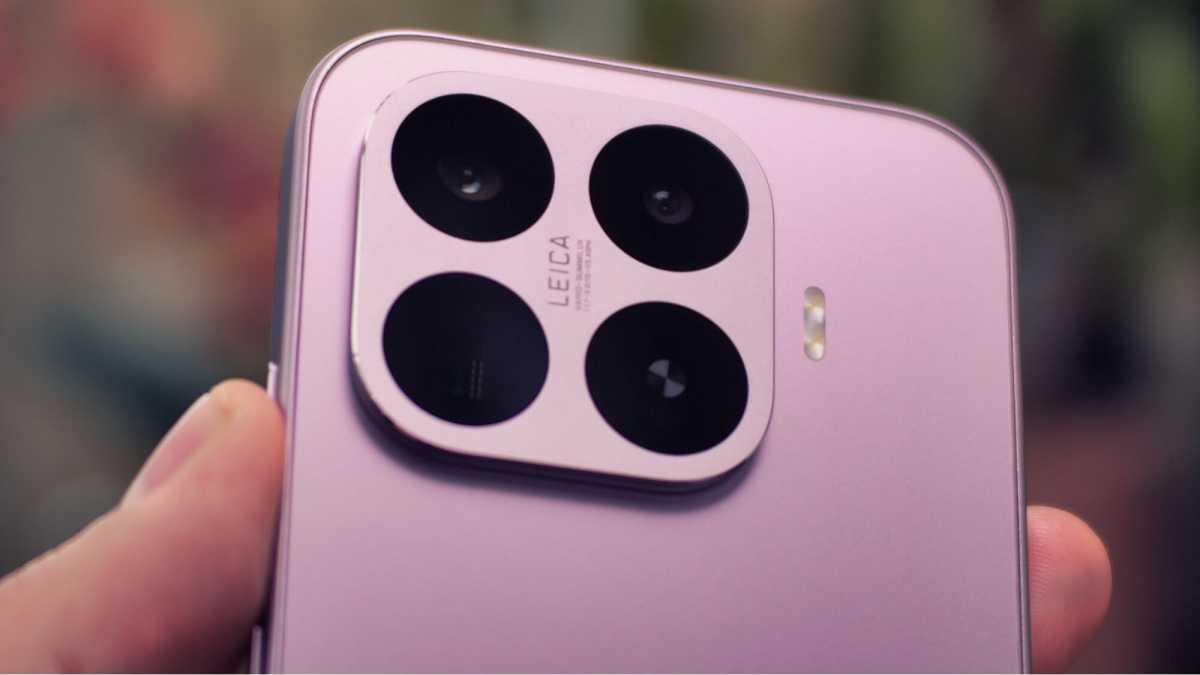
Aesthetically, Xiaomi has taken a similar approach to last year. The front and rear are completely flat, the sides are squared off like an iPhone, and the cameras are all in the upper left-hand corner. The only notable change is that the bevelling has been removed from the edge of the camera deco, in favour of a harder edge. It’s a subtle change, and at a glance, you might not even notice.
Another difference between the two 17T models is the choice of materials. The standard 17T opts for a plastic frame, while the Pro gets aluminium side rails. Honestly, I wouldn’t expect it to make much of a difference to the durability, but it feels slightly less premium than its Pro counterpart as well as rivals around this price.
We don’t expect to see plastic at the top of the mid-range category.
Luke Baker
There are plenty of colours to choose from, and they’re a bit more lively than last year’s selection. I have the violet model in for testing, which comes in a lovely pinkish-purple hue with a metallic-looking sheen that shifts as the light hits it.
There are also more professional-looking black and blue options, as well as more eye-catching Opal White, with pearlescent colours on the rear.
The phone is IP68-rated, which means it’s immune to dust and should withstand rain showers or a brief dunk in fresh water. The screen is covered with Gorilla Glass 7i and has a basic plastic screen protector applied as standard. You also get a matte black TPU case in the box.
Screen & Speakers
- 6.59-inch, 2756 x 1268, OLED, 120Hz
- 3840Hz PWM and DC dimming
- Stereo speakers
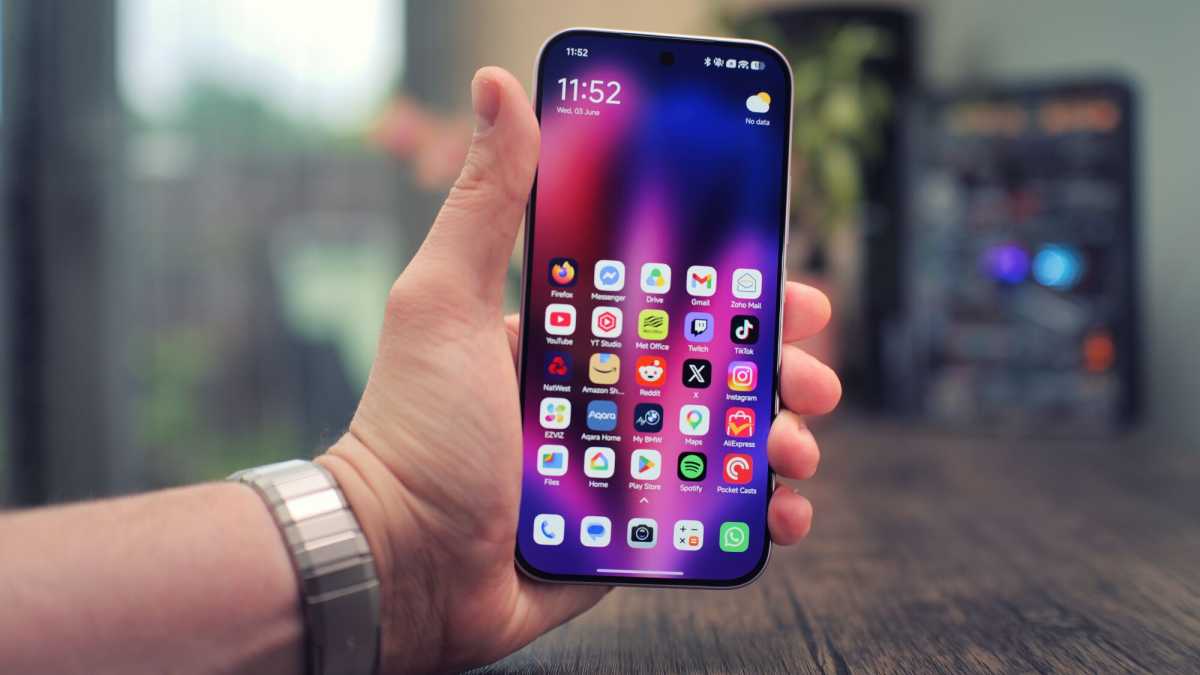
As mentioned, the screen is smaller on this model, and that’s the biggest difference between this and the Pro. It’s still a sizable panel, but it’s easier to manage. Think Pixel 10 Pro, rather than Pixel 10 Pro XL.
For the most part, it’s just as impressive as the displays on top-tier flagship phones
Luke Baker
Size discrepancy aside, the Xiaomi 17T screen benefits from most of the same specs and features as the Pro model. It’s 120Hz, rather than 144Hz, but truthfully, apps that fully utilise 144Hz screens are few and far between. Otherwise, you get the same 3500 nits peak brightness, Dolby Vision and HDR10+ support, and high-speed PWM dimming.
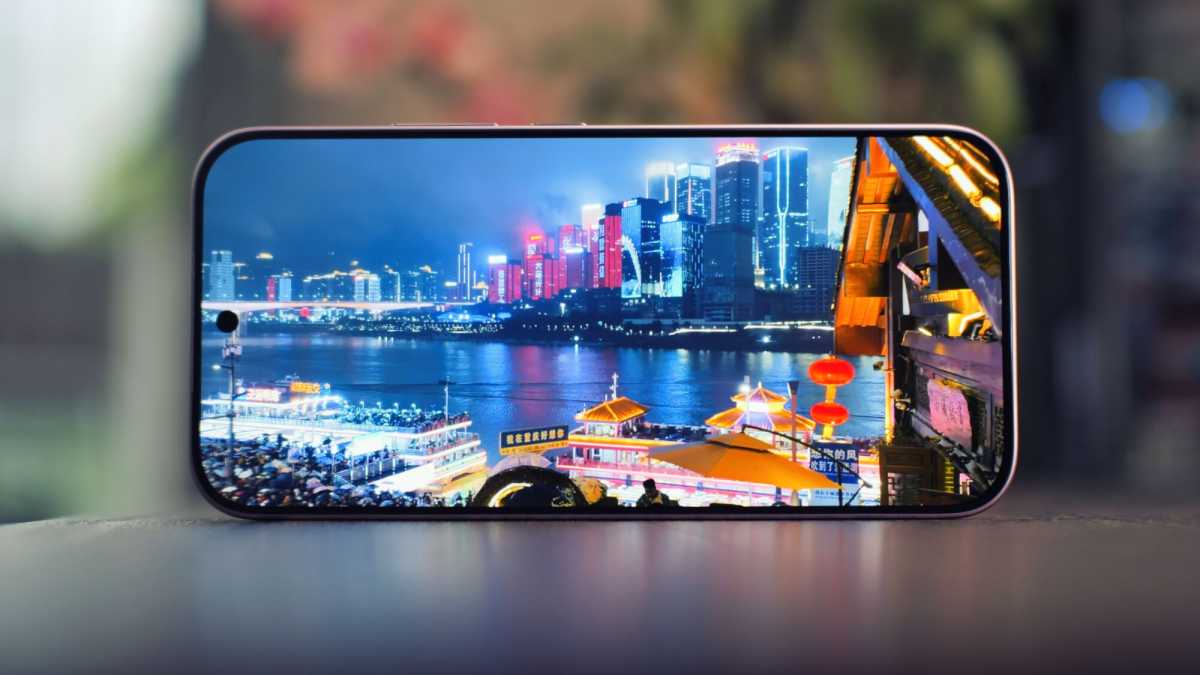
The screen has fairly slim symmetrical bezels on all sides, a small cut-out for the selfie camera, and an optical under-display fingerprint reader. For the most part, it’s just as impressive as the displays on top-tier flagship phones, with excellent colour reproduction and flawless black levels.
The only real downside is that it’s not an LTPO panel. So while the refresh rate can dynamically adjust when displaying static content to conserve battery life, it only goes down to 30Hz, rather than 1Hz. What I find to be more important, though, is that it can dim all the way down to 1 nit, which makes a big difference when you check your phone in the middle of the night.
Luke Baker
The Xiaomi 17T has a speaker on the base, and the earpiece pulls double-duty as the second stereo speaker. They do a decent job, and they can get quite loud, but don’t expect them to knock your socks off. The bass is a little lacking, but if you just want to watch a video or play some games around the house, they get the job done nicely.
Specs & Performance
- MediaTek Dimensity 8500-Ultra
- 12GB RAM
- 256/512GB storage
The Xiaomi 17T is powered by the MediaTek Dimensity 8500-Ultra. This is a powerful chip, but not a full-fledged flagship SoC like you get in the Pro model. It’s joined by 12GB of RAM and the choice of two storage capacities mentioned above.
For most people’s needs, this phone is more than powerful enough. It feels quick and responsive when you’re doing basic tasks like surfing the web, responding to messages, and checking social media. It can handle some pretty serious multitasking, too.
This phone probably won’t satisfy hardcore gamers, but for casual play, it gets the job done well.
Luke Baker
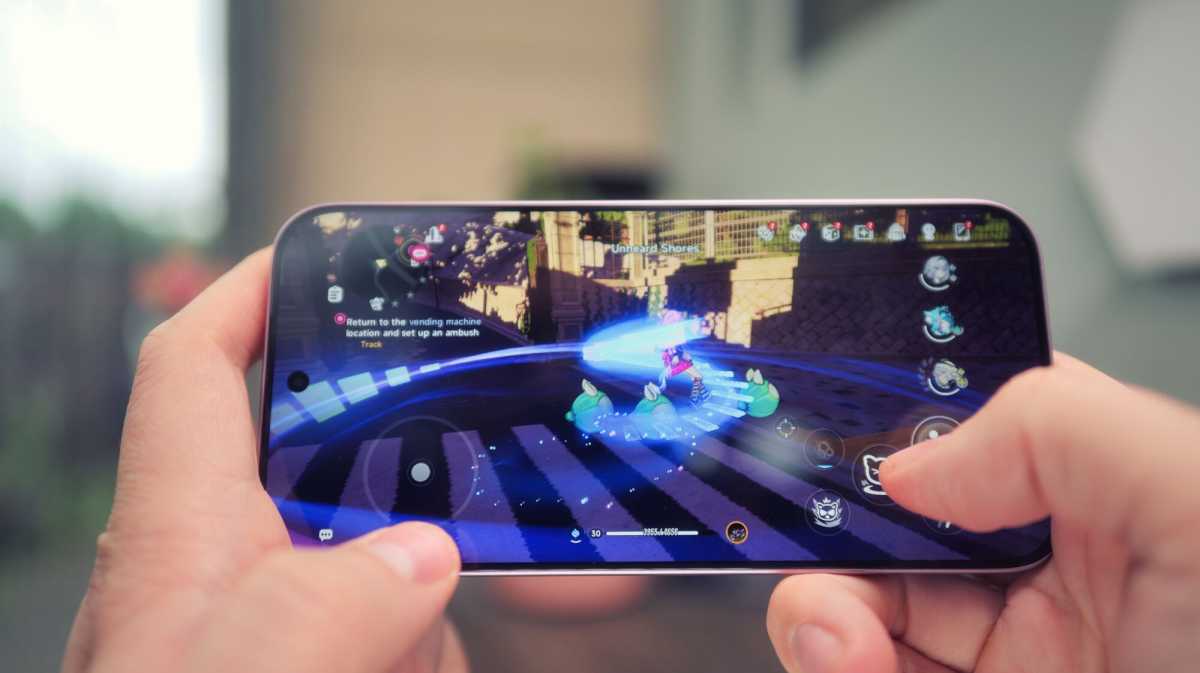
It’s only when you boot up a demanding game that you’ll start to feel the difference. I’ve been playing NTE, a very demanding open-world gacha game that even top-tier flagships struggle to run smoothly. While it ran well on the Xiaomi 17T, I needed to stick to the “smooth” preset at 30fps, and I began to notice more jitters and pop-ins when attempting to run it at 60fps.
Of course, that’s a fairly extreme example. If you prefer games like Mario Kart Tour or Asphalt Legends, they’ll run very smoothly on this phone without you needing to nerf the graphics.
On the plus side, the phone never became too hot during my testing. I think the plastic frame helps in that regard, as it doesn’t suck up the heat like aluminium. This phone probably won’t satisfy hardcore gamers, but for casual play, it gets the job done well.
Xiaomi 17T benchmarks
Cameras
- 50 Mp f/1.7 main camera
- 50 Mp f/3.0 5x telephoto
- 12 Mp, f/2.2 ultrawide
- 32 Mp, f/2.2 selfie camera
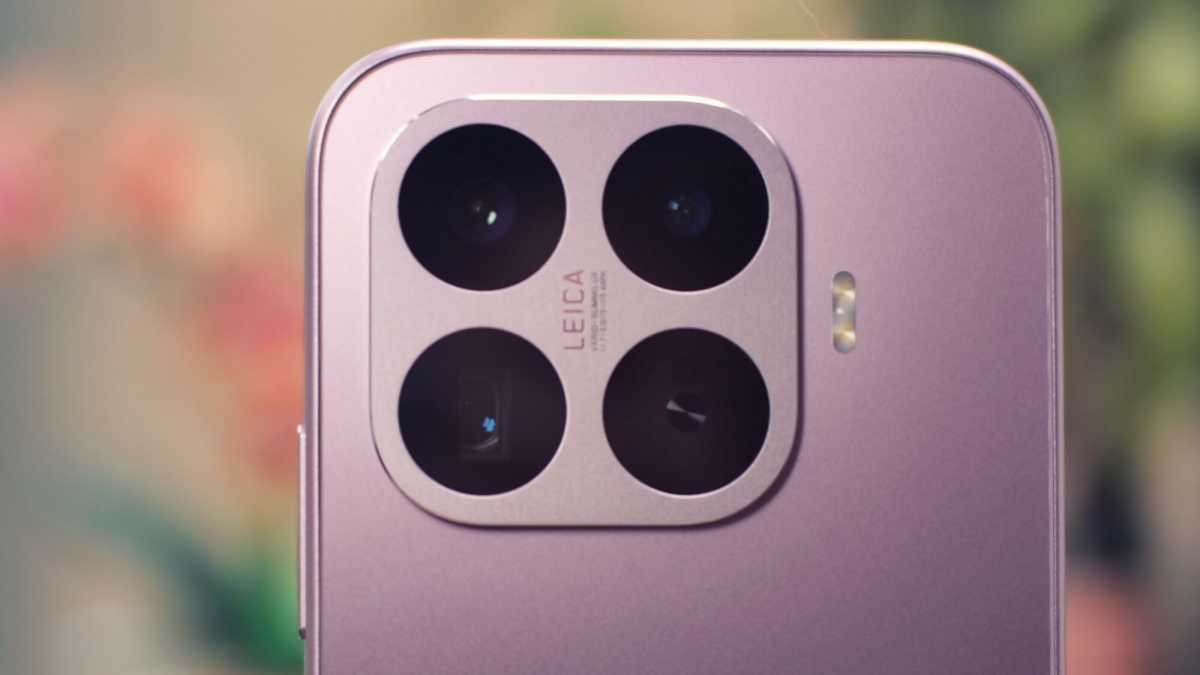
Most of the cameras on the Xiaomi 17T have the same specifications as the 15T, but the telephoto has been seriously upgraded. It now has the same excellent telephoto as the 17T Pro (and 15T Pro), which is miles ahead of the mediocre 2x lens on the older model.
you can now zoom way further before the image starts to break down
Luke Baker
Personally, I find that the 5x focal length is a bit extreme for most situations, but there’s no denying the performance. It makes for a much more versatile system, as you can now zoom way further before the image starts to break down. 10x looks almost flawless, and you’ll even get usable results at 20x.
The 5x telephoto is also surprisingly decent for close-up shots. It can focus just 30cm from the lens, and at such a high level of zoom, that’s closer than it sounds. When doing so, you get some lovely natural compression and bokeh, but you’ll want to turn off Xiaomi’s automatic lens switching to make the most of it.
The weak points of this camera system are carried over from the previous model. The main issue is the ultrawide. It’s fine, but it’s just not on the same level as the other lenses. It doesn’t have autofocus, so you can’t use it for close-up shots, and it has a tiny sensor, which looks awful in low light conditions.
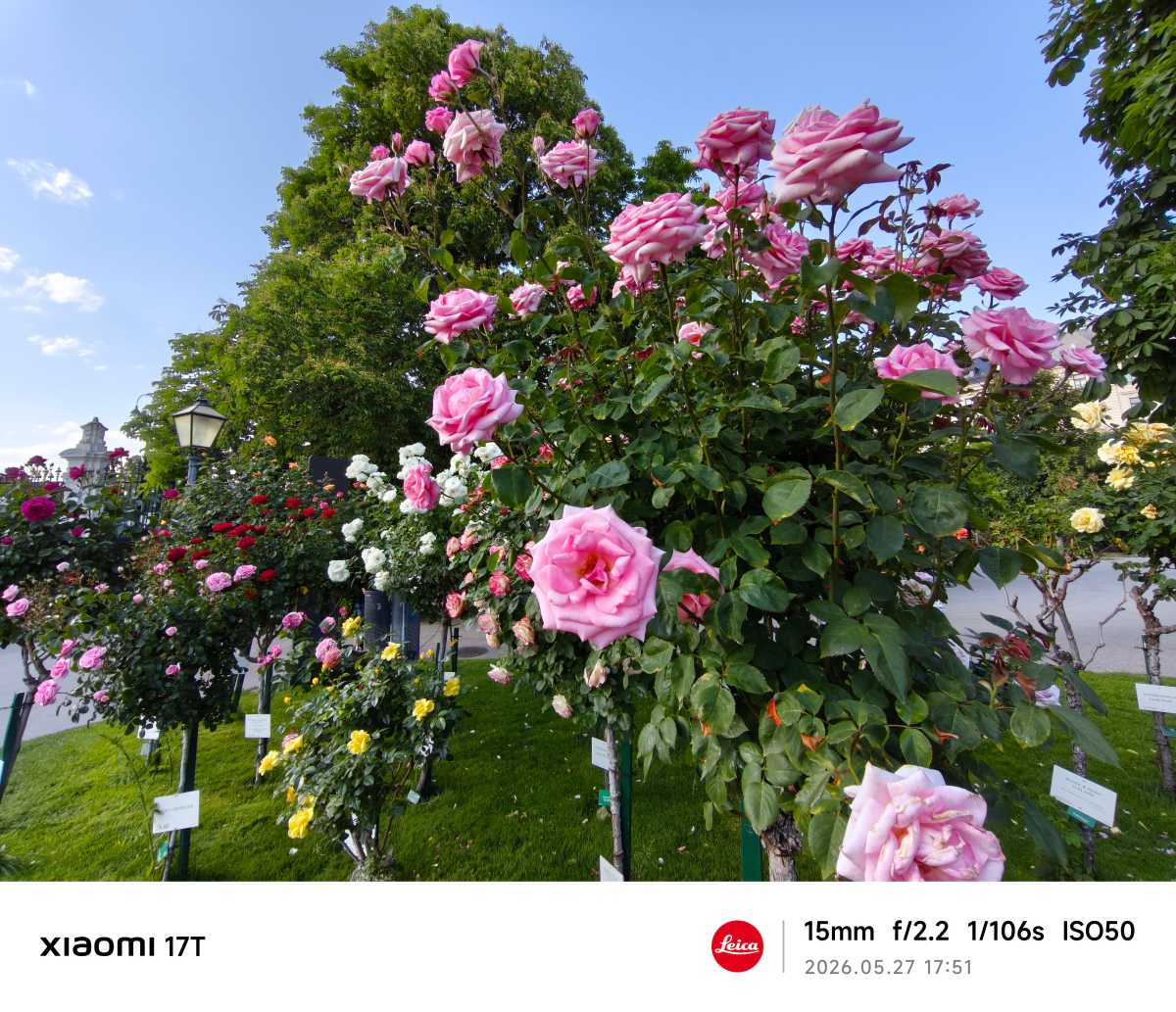
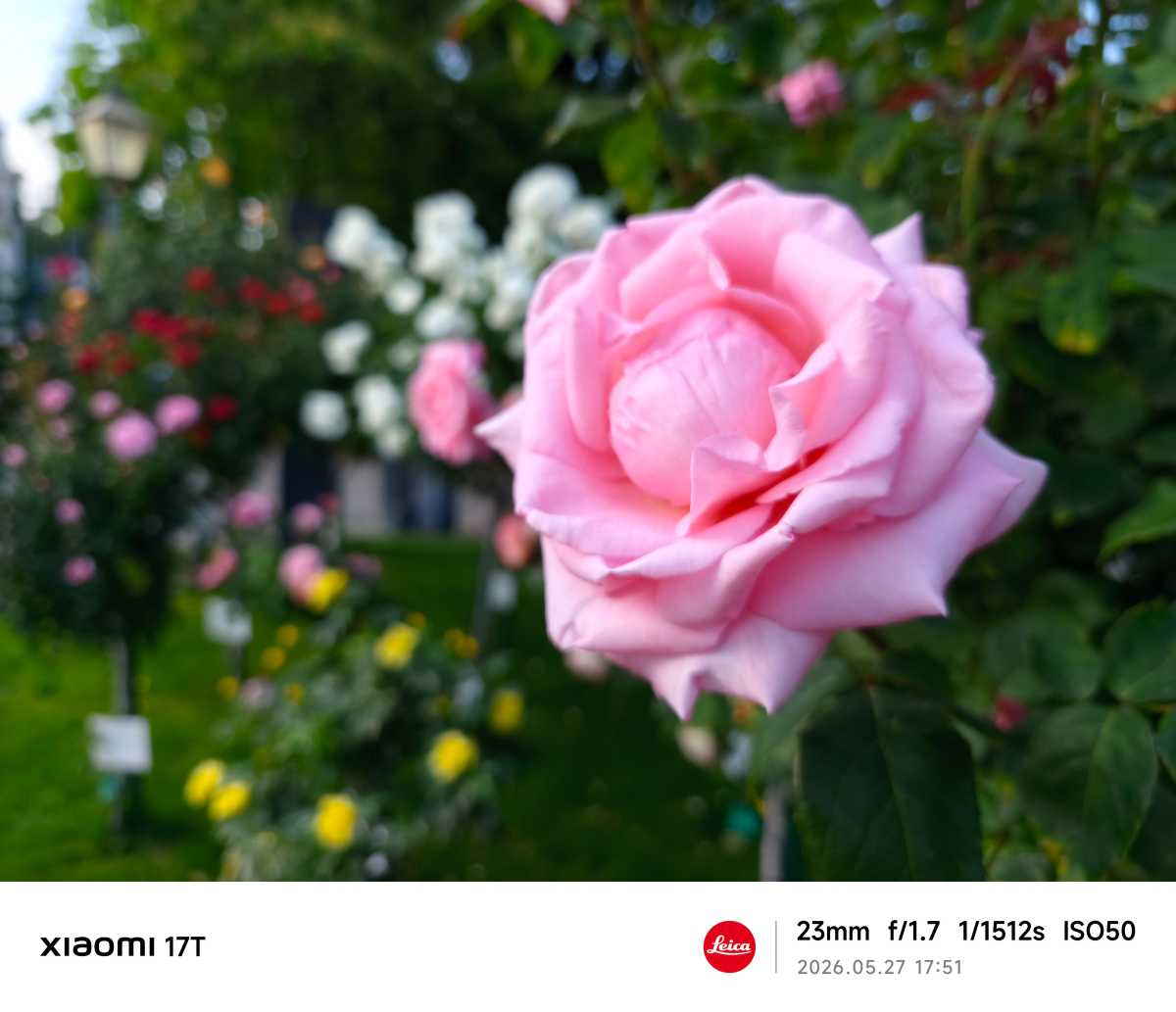
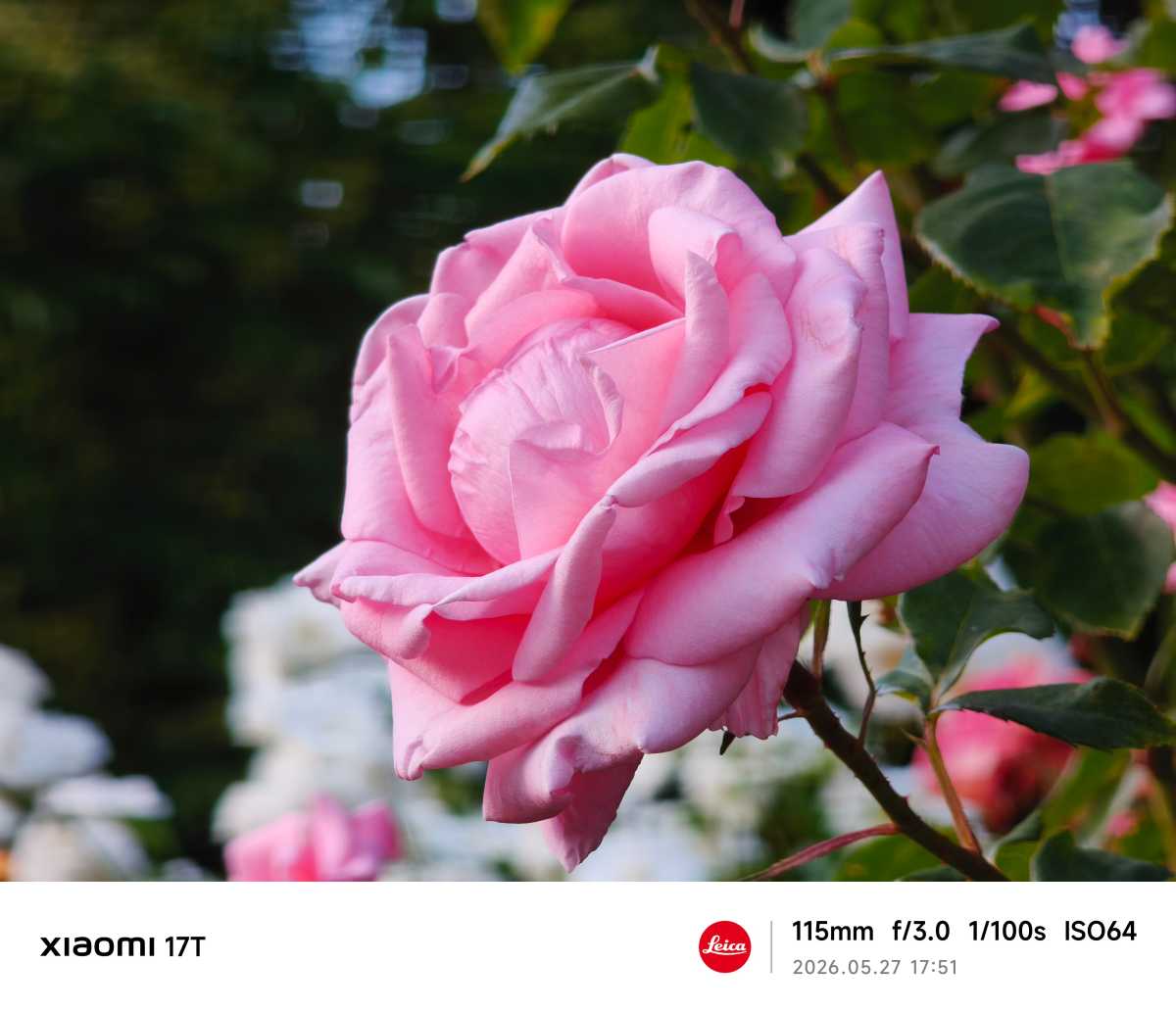
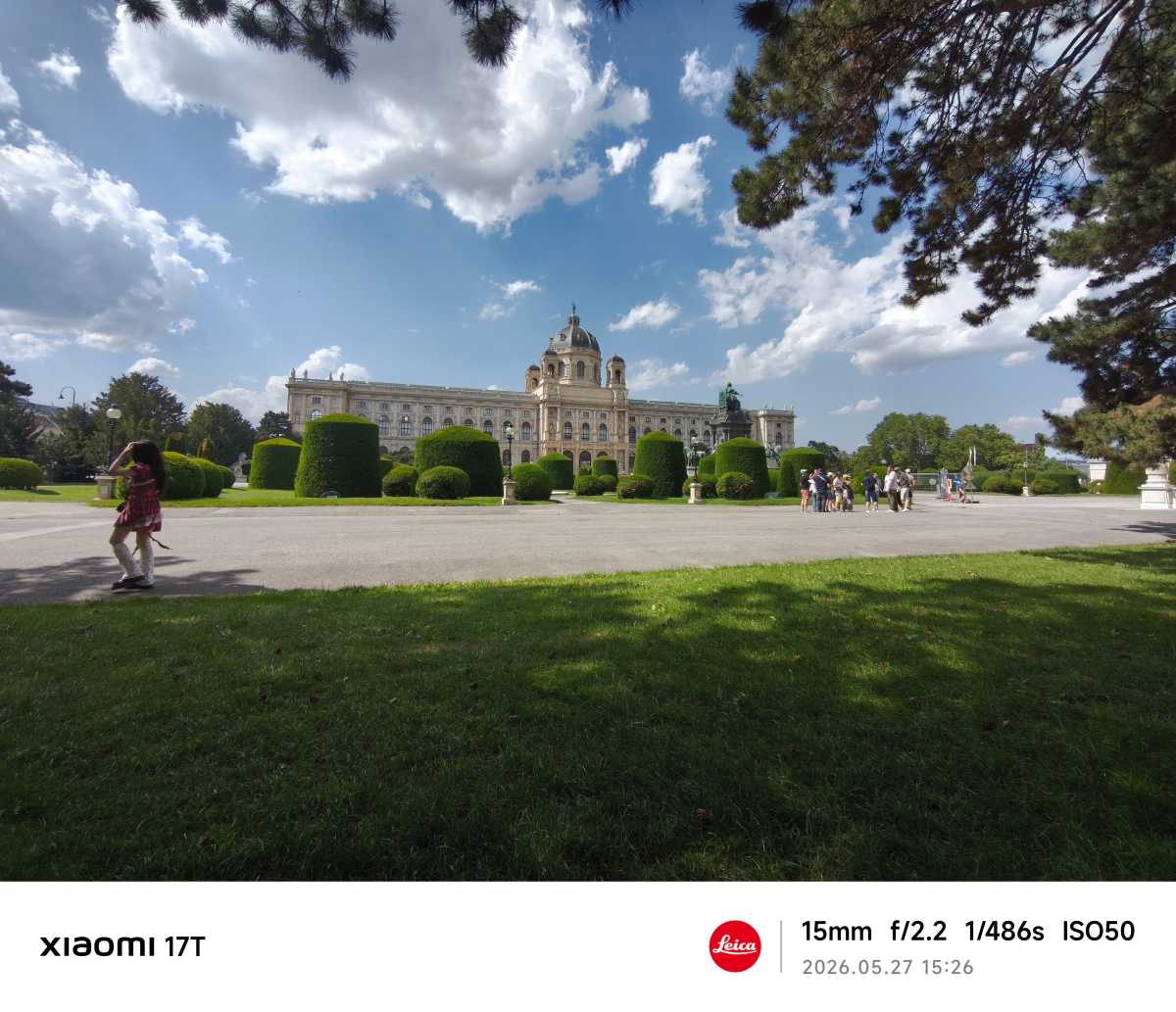
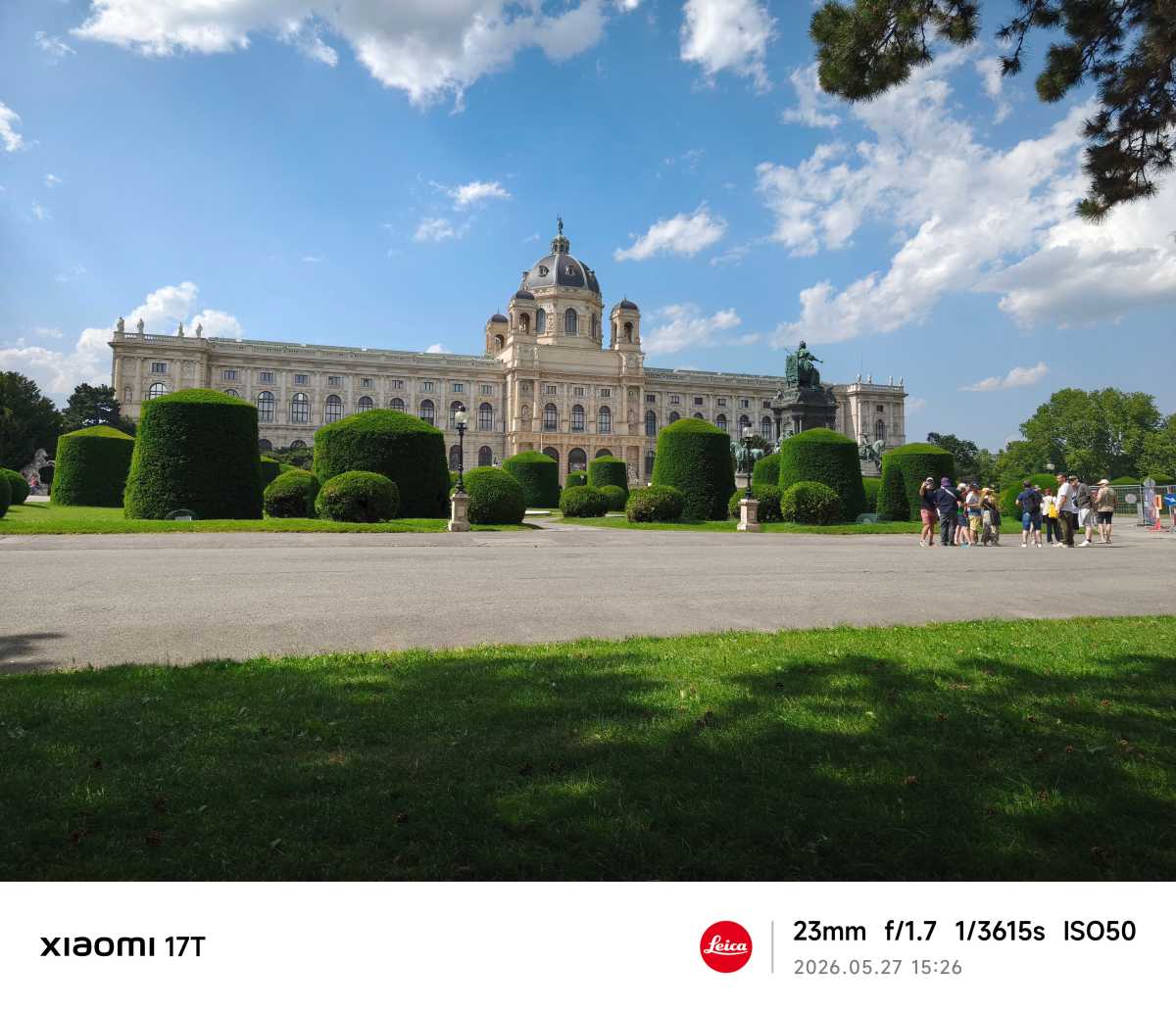
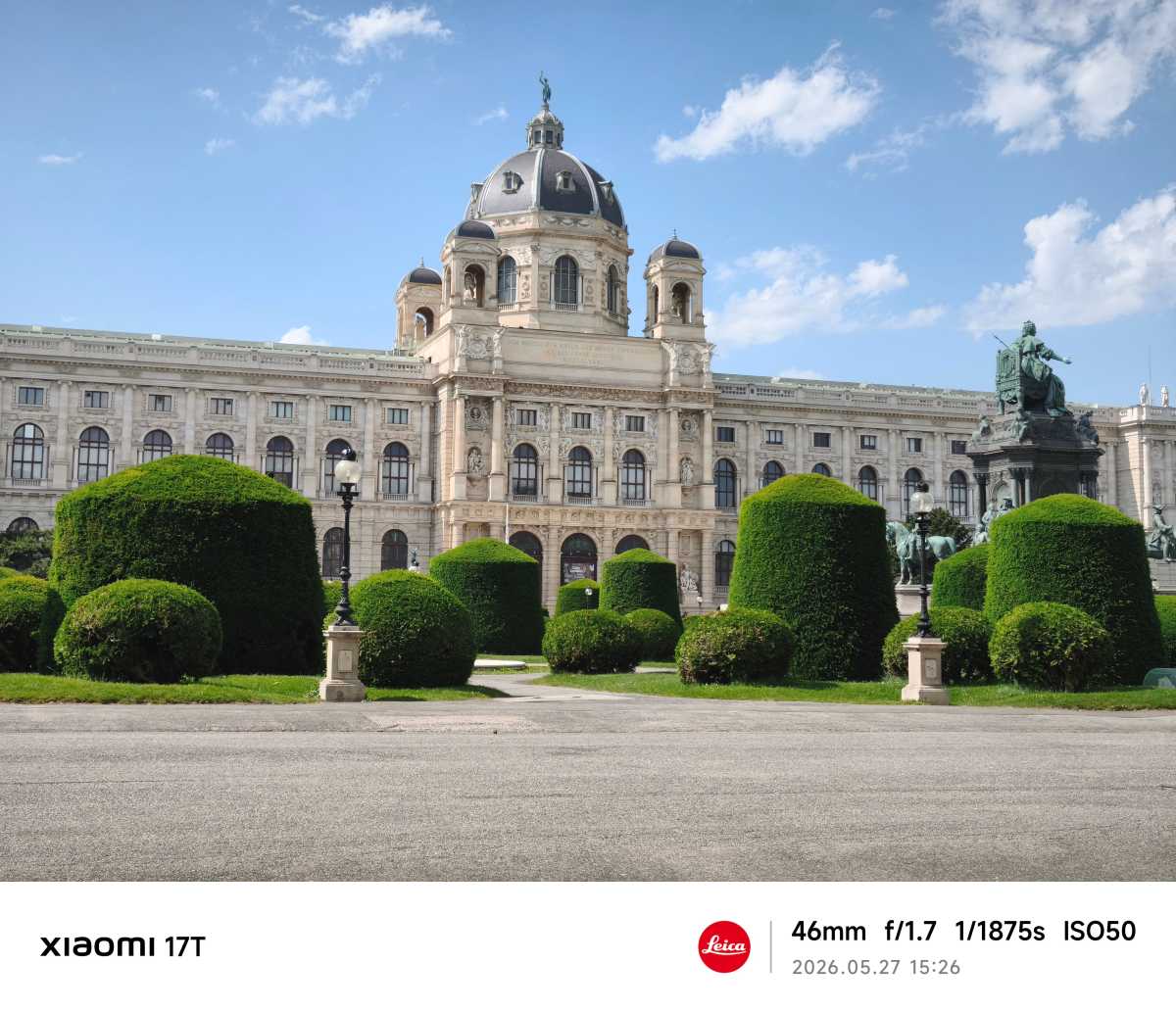
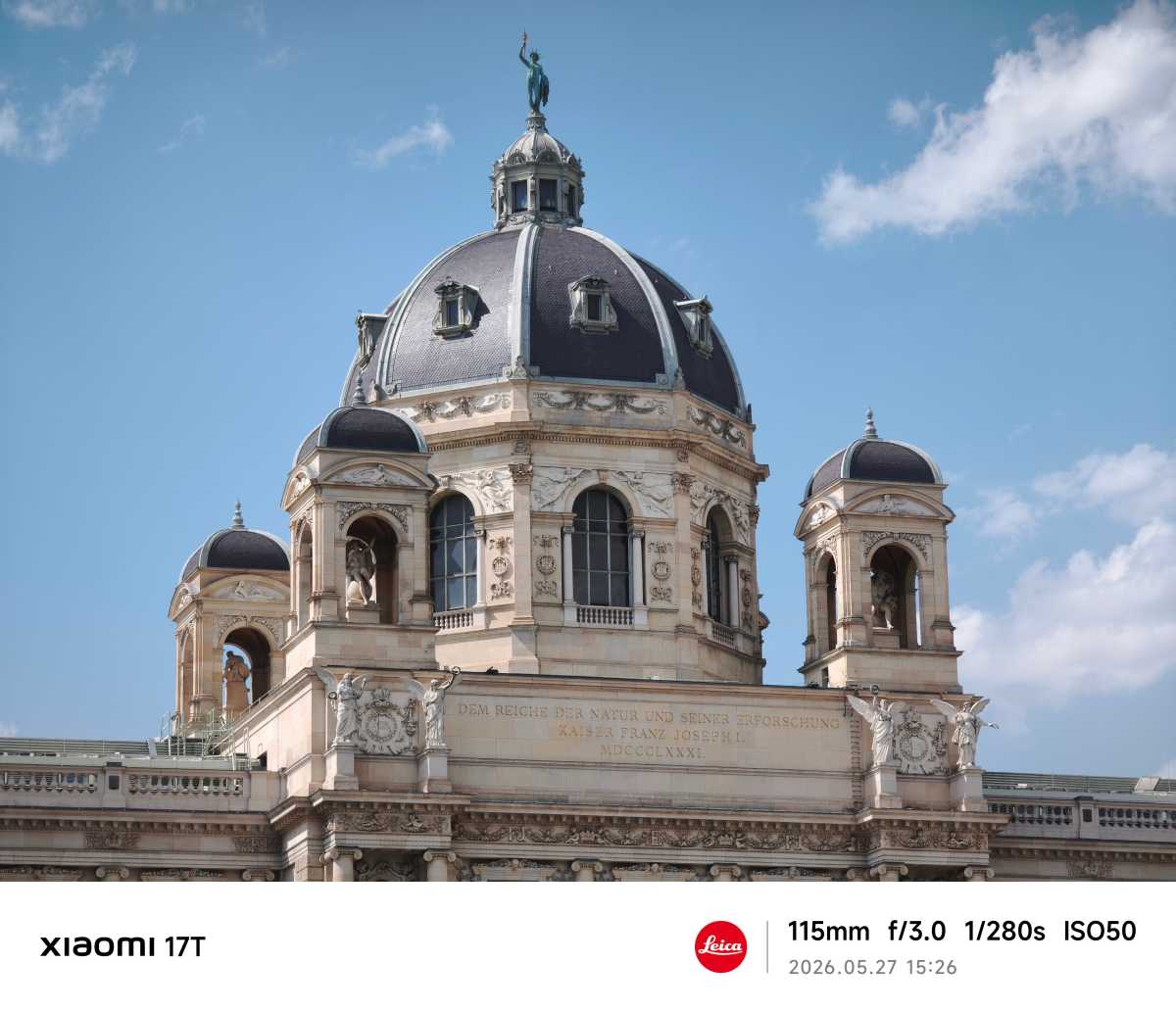
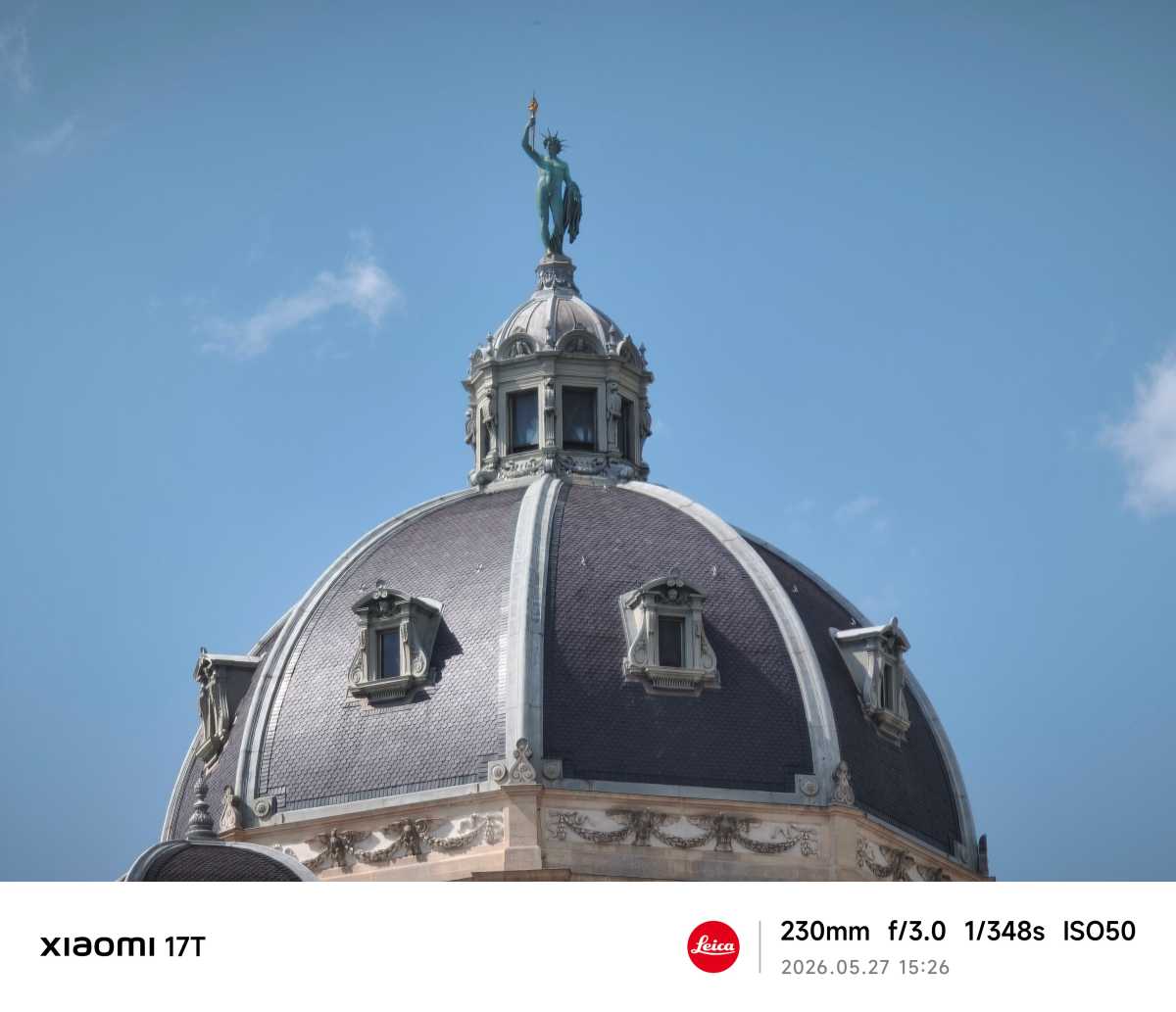
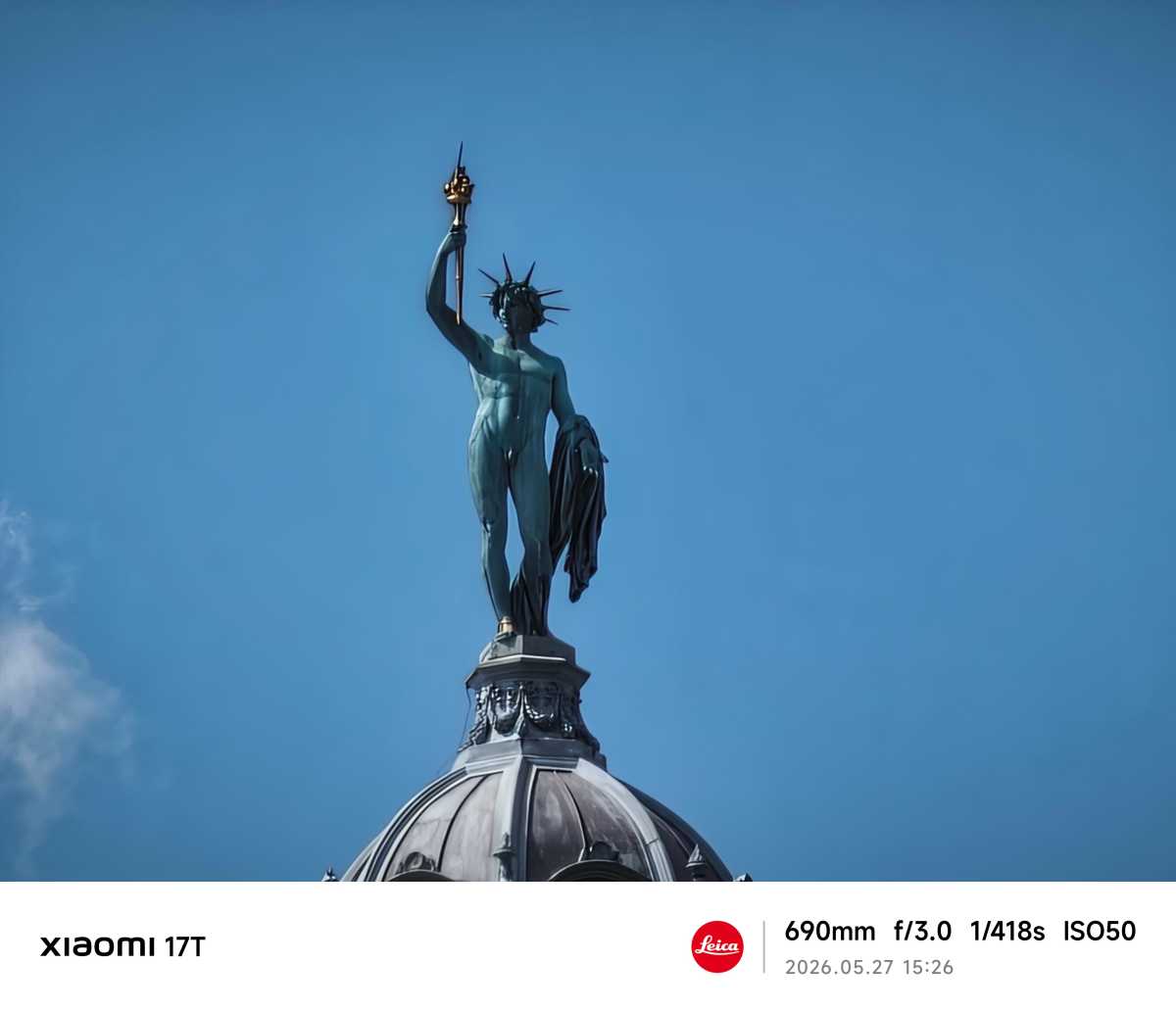
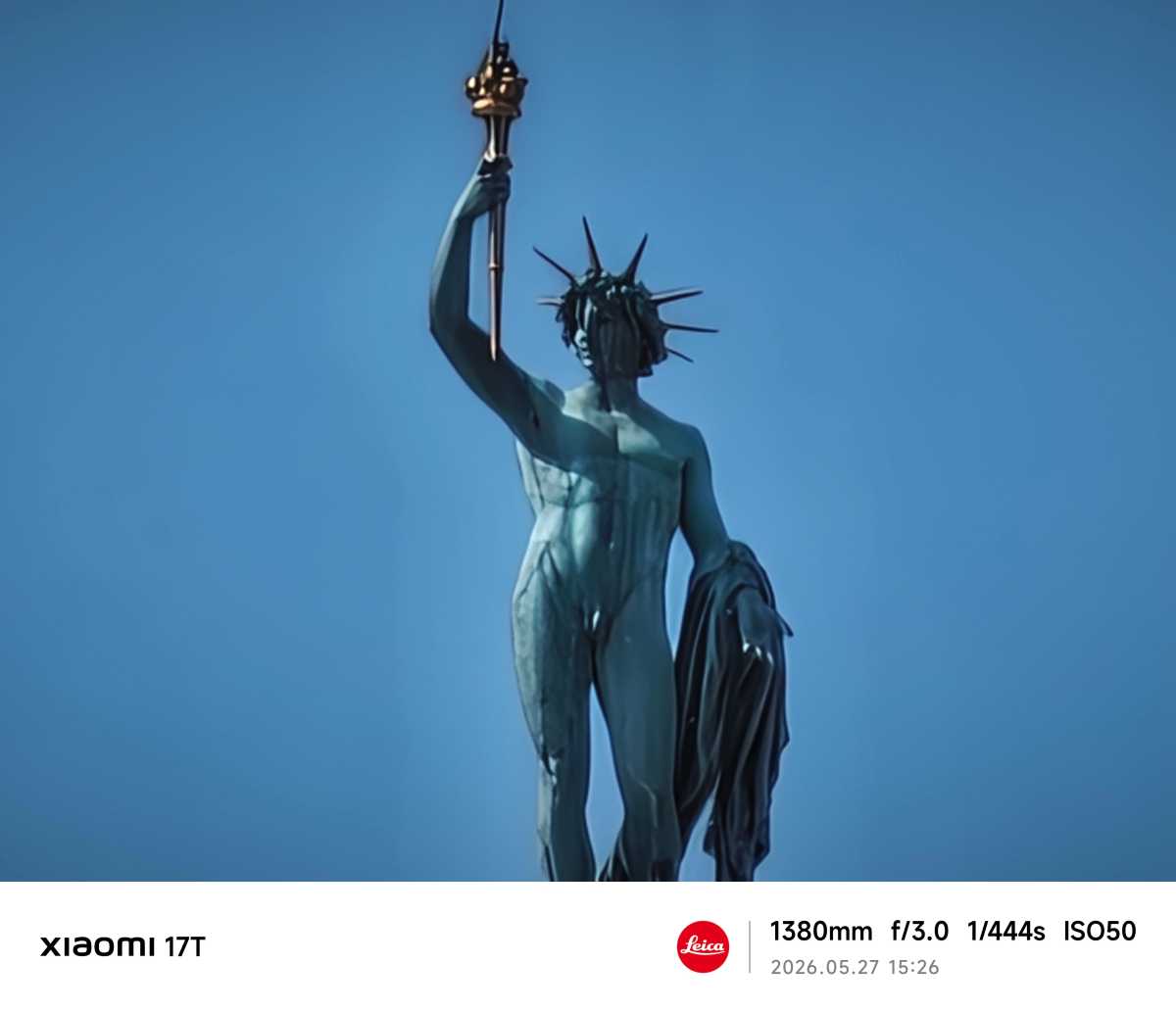
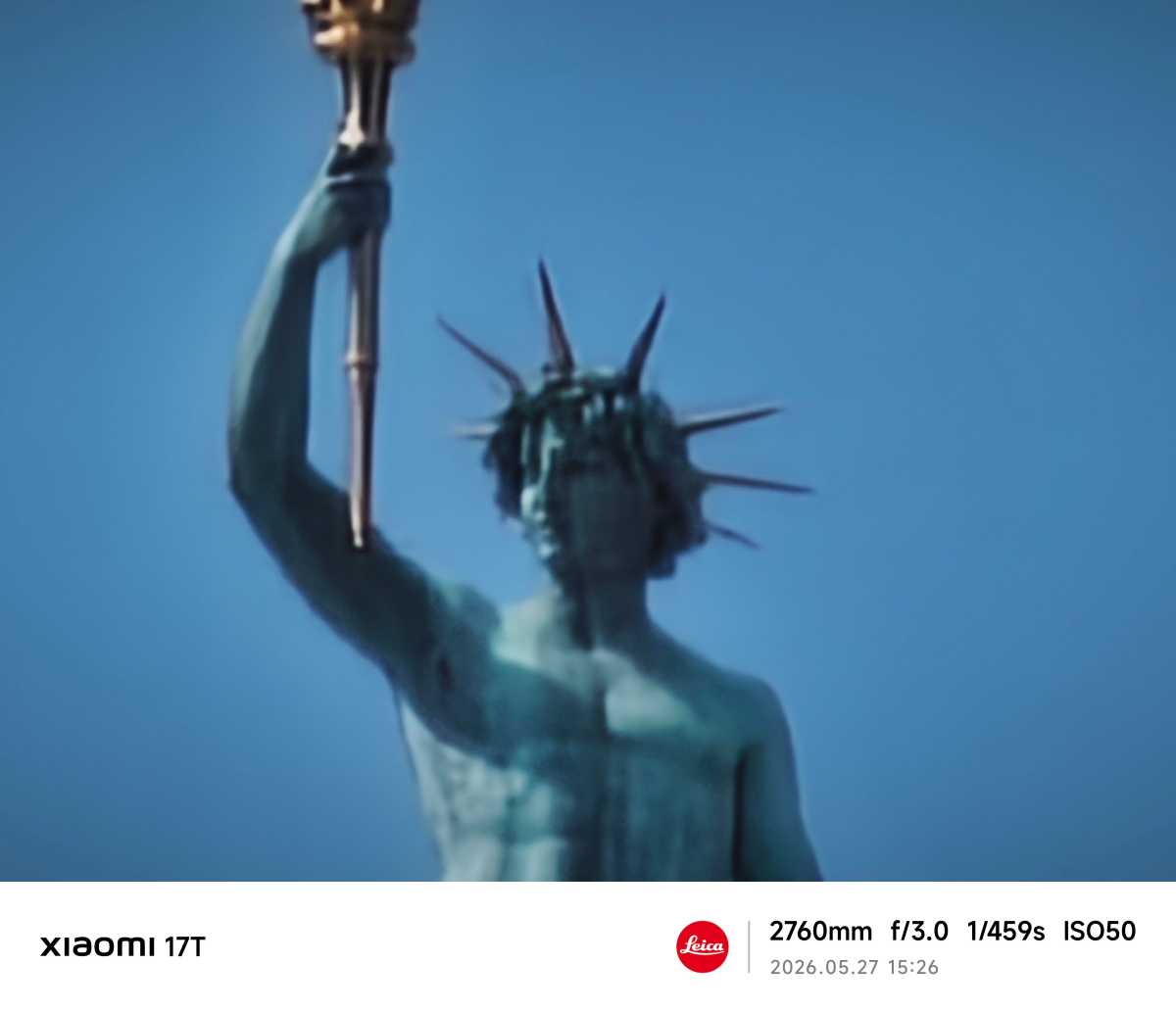
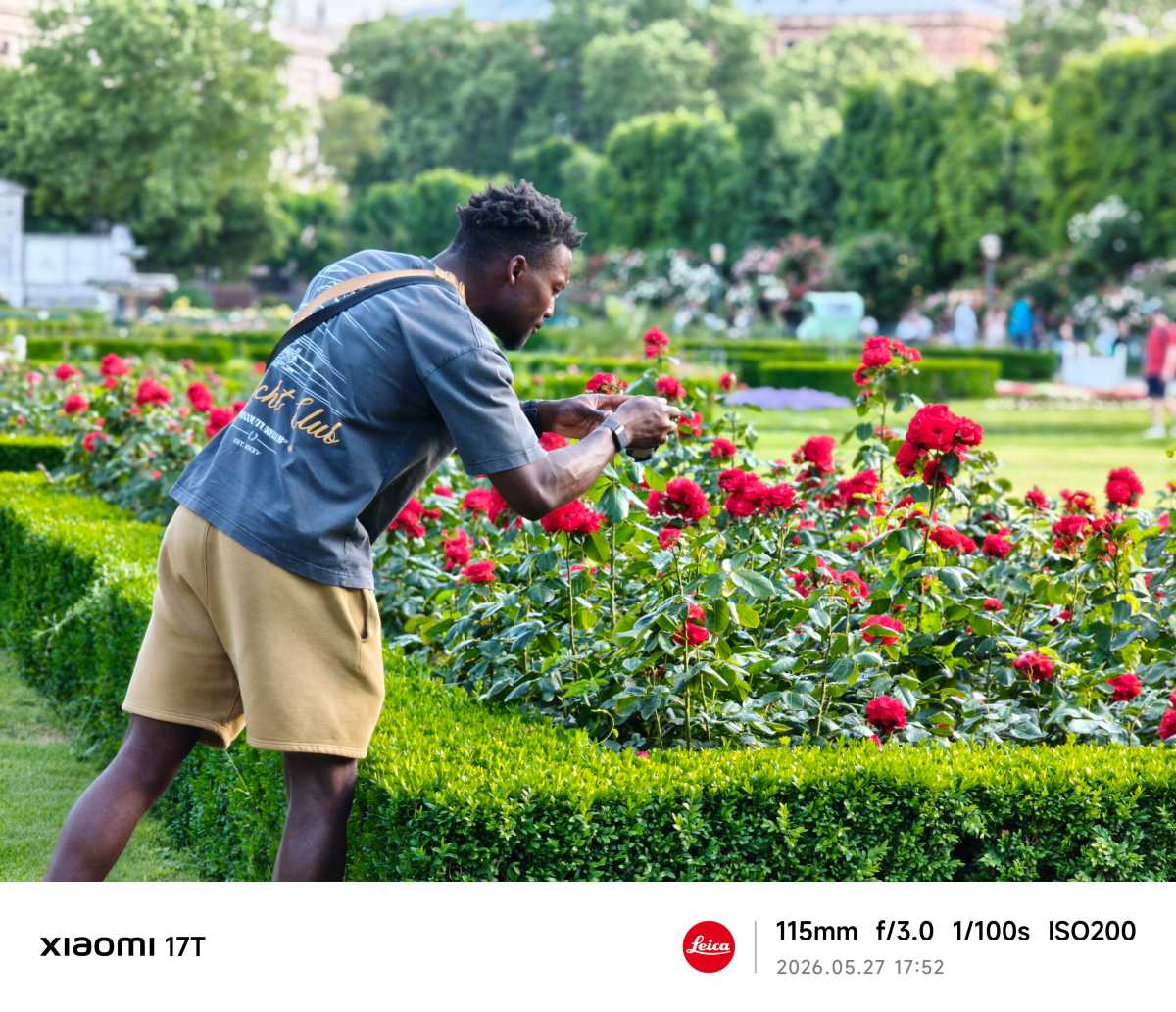
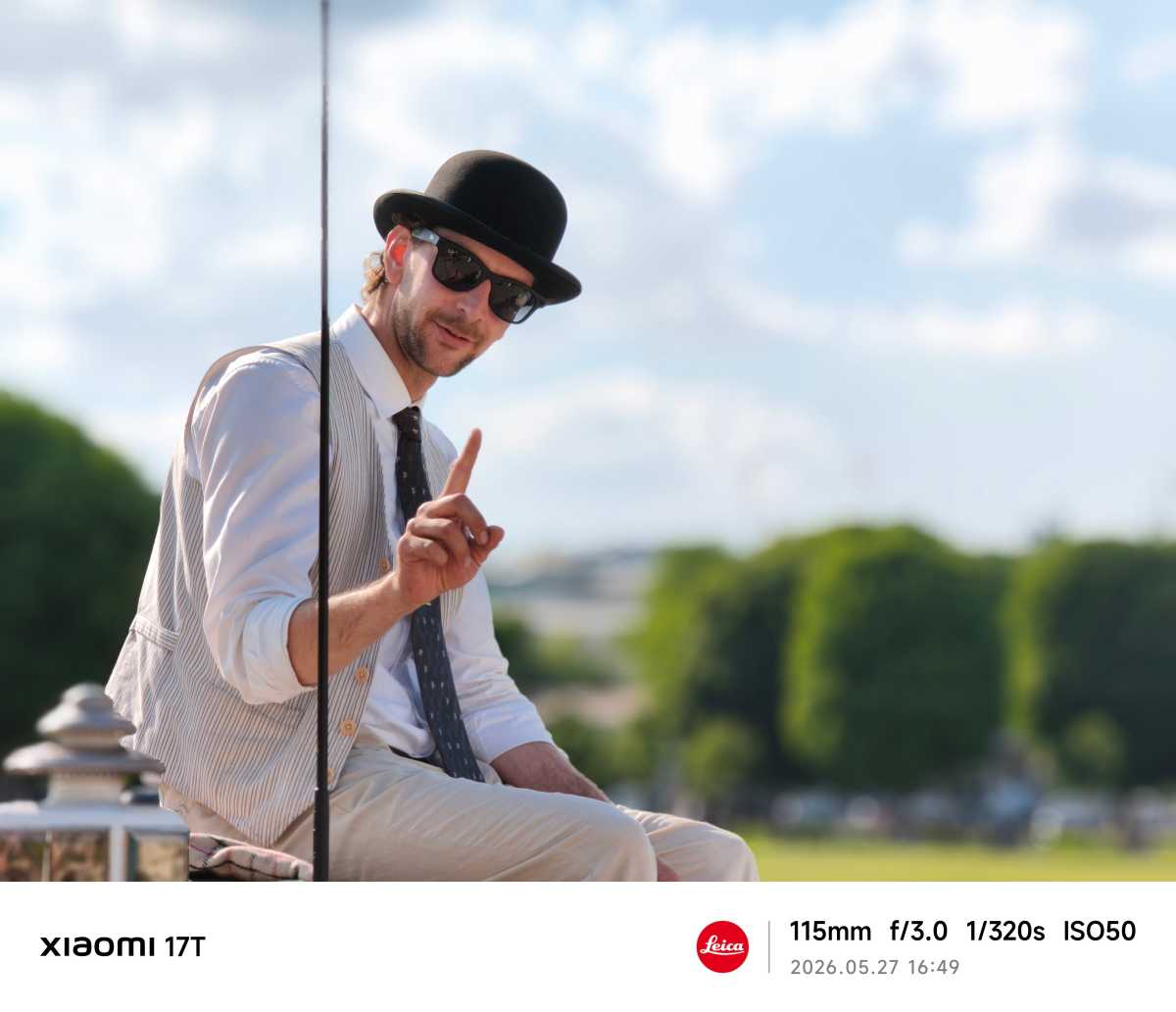
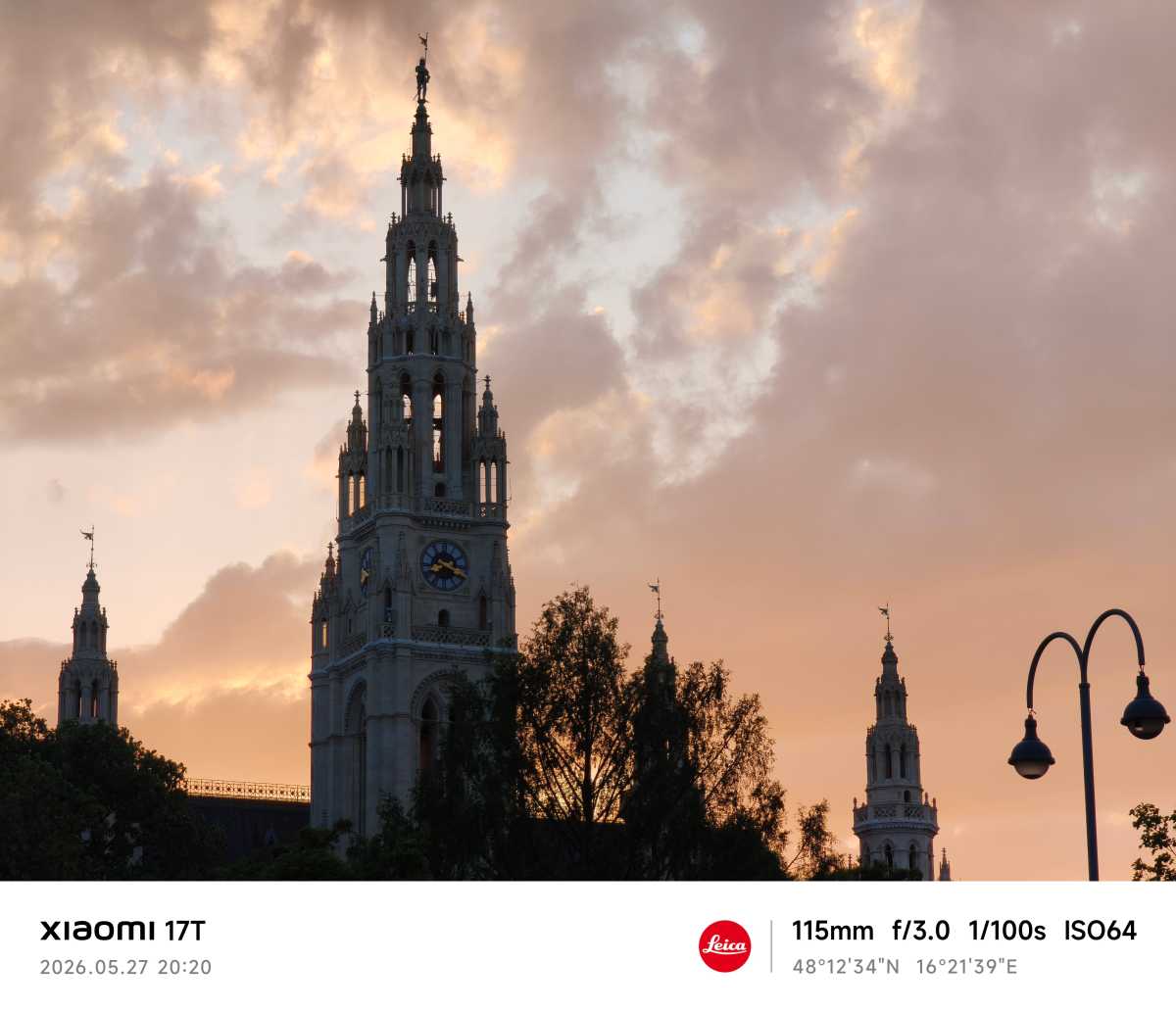


In such conditions, the main camera is the star of the show. It has a 1/1.55-inch sensor, which isn’t quite as big as the main sensor on the Pro version, but it’s big enough to make a difference in low light. It’s by far the best way to get clean, blur-free images after the sun sets.
The selfie camera is decent, but it’s nothing too exciting. It lacks autofocus, which means your group shots won’t always look as sharp as they could, but solid image processing and an excellent portrait mode pick up the slack.
Luke Baker
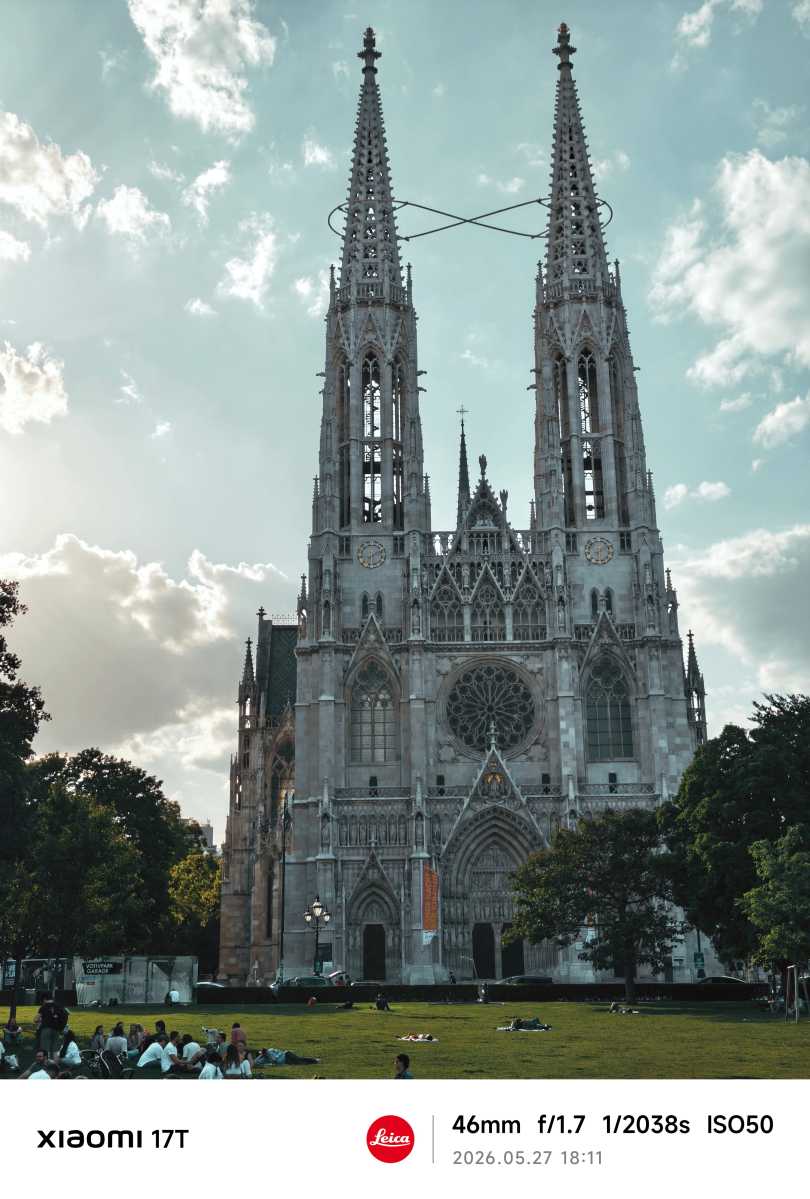
The Xiaomi 17T benefits from Xiaomi’s partnership with Leica, just like the mainline Xiaomi flagships. This means you get a lot of the same excellent picture styles to add a bit of flair to your images. In fact, the only ones I couldn’t find were the Positive and Negative film simulations.
You also get a fresh new feature that Xiaomi calls Leica Live Moment. For the most part, it works exactly like Apple’s Live Photos feature, recording a short video every time you take a photo. The main difference is that it saves the Leica picture style to the video recording, and also works in Portrait Mode.
Another novelty is the ability to save these short videos as a moving collage. This is an interesting effect that I haven’t seen anywhere else, but it can look a bit mad if you don’t have steady hands or a tripod at the ready.


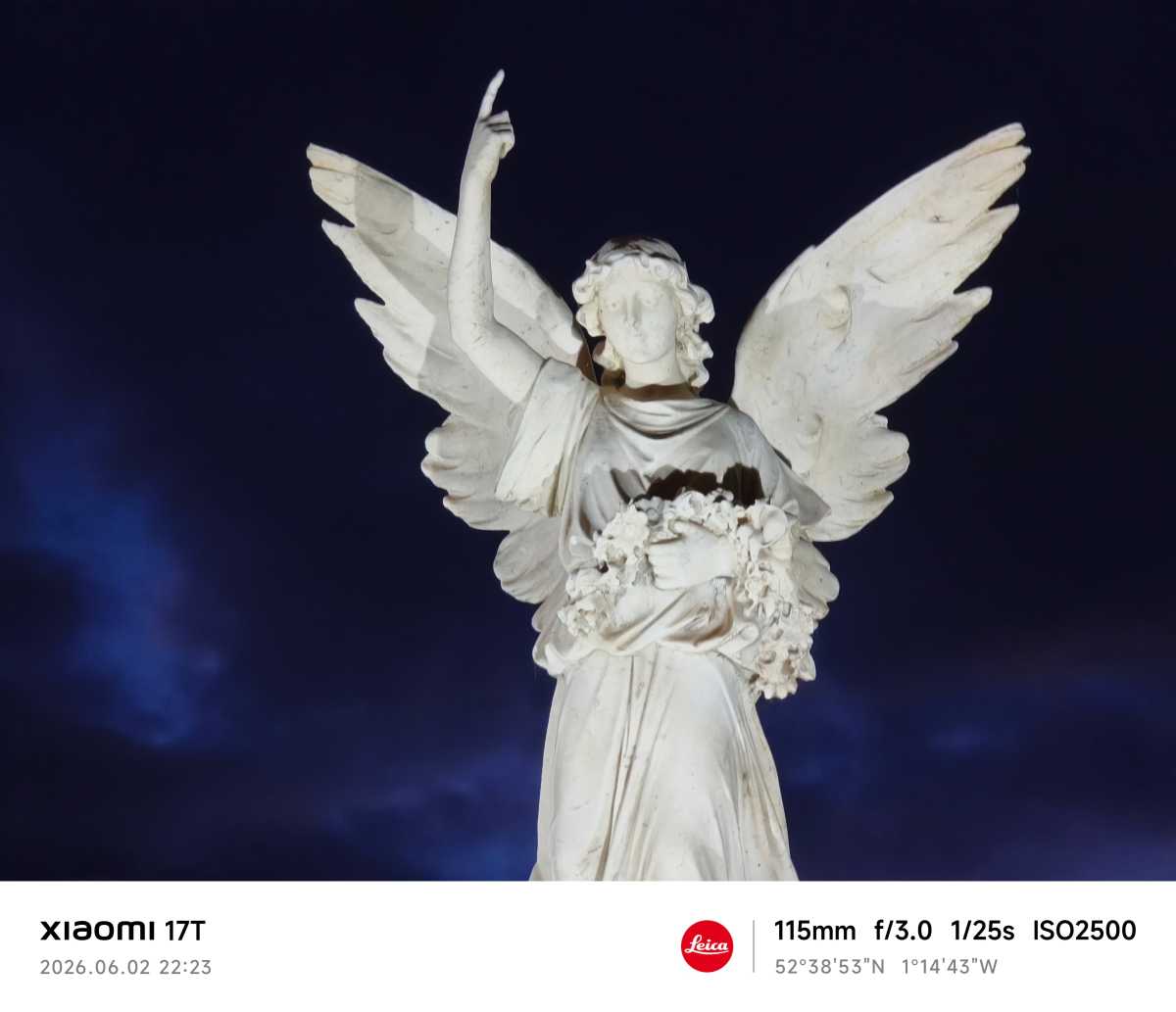

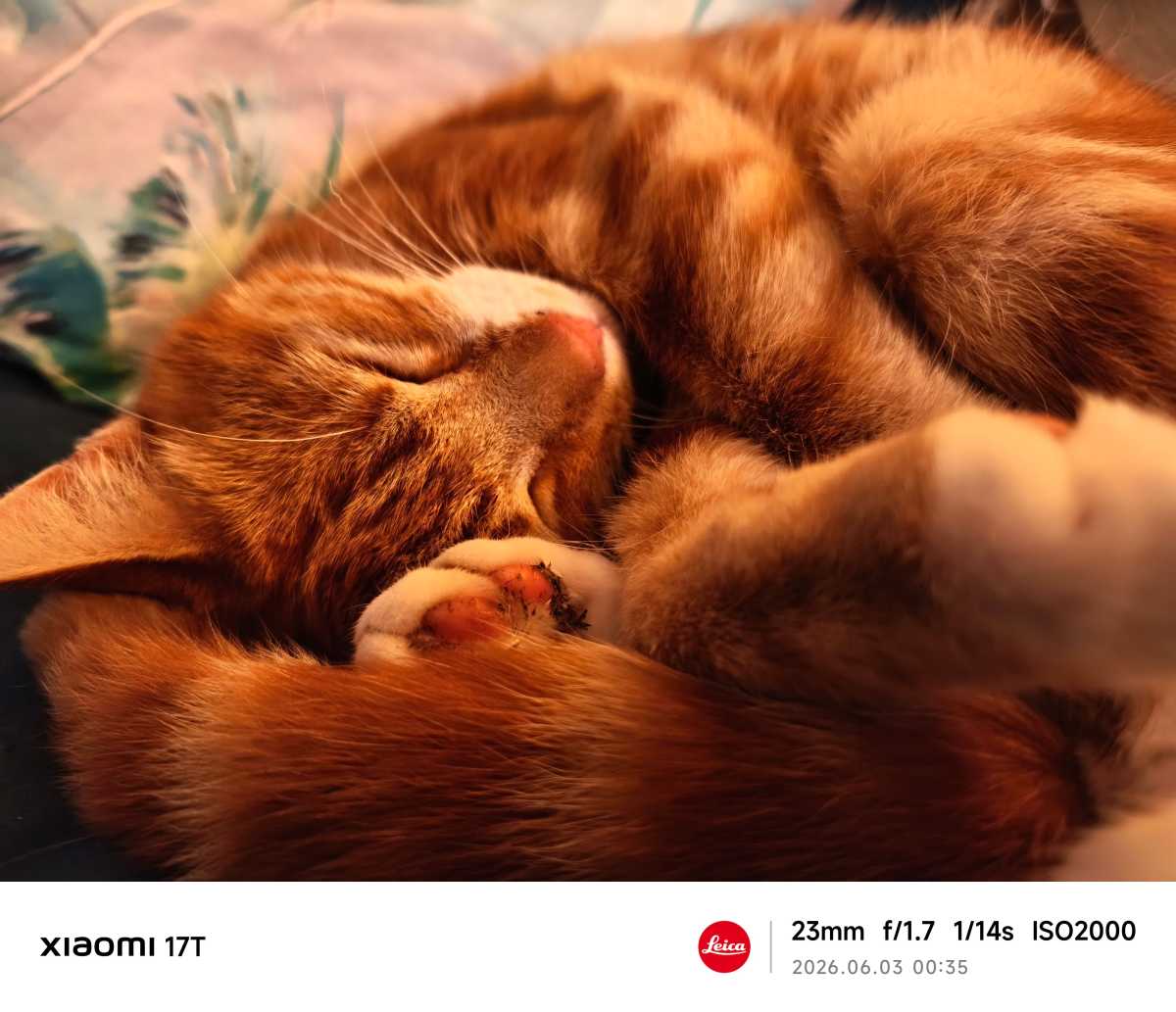
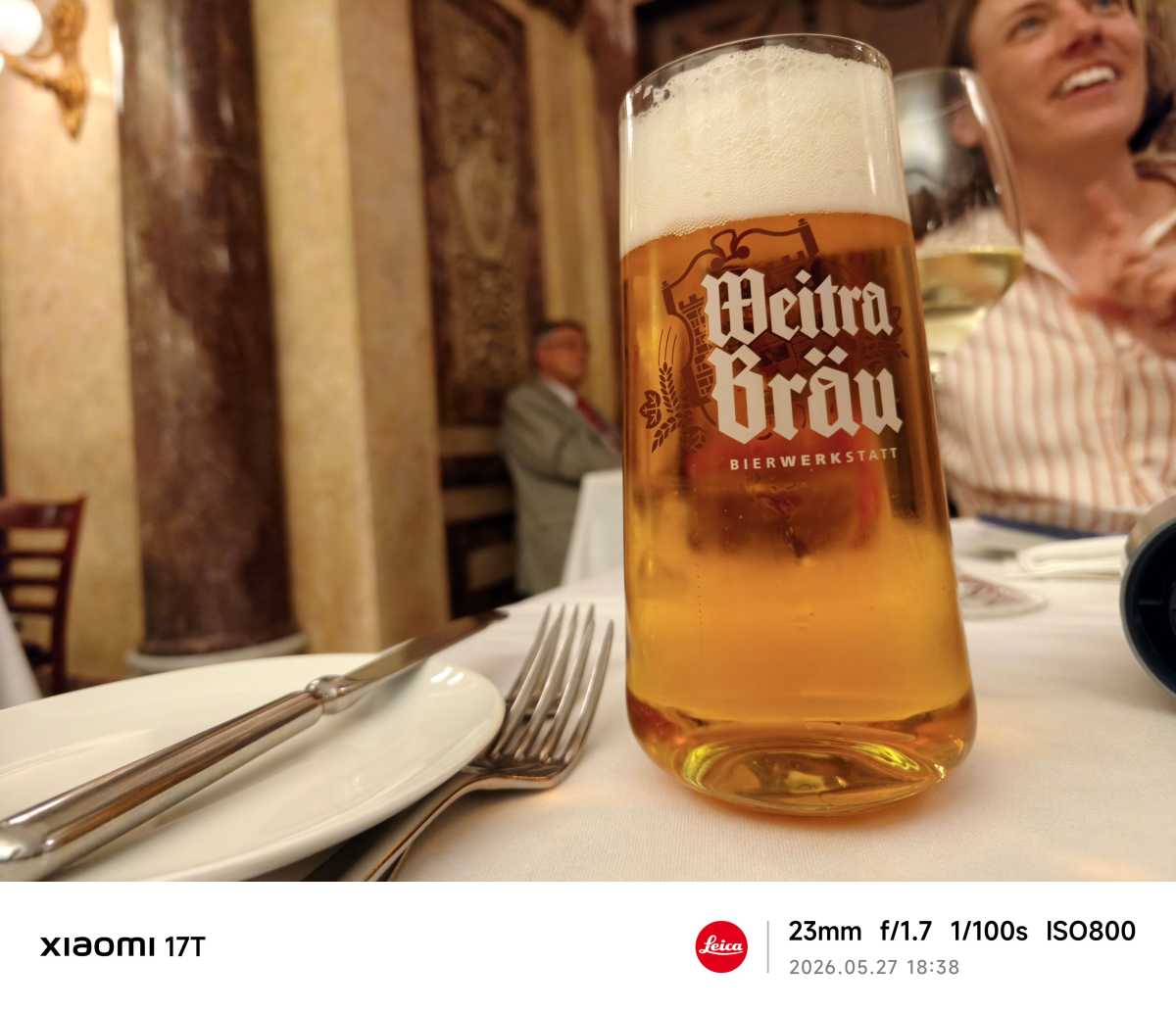


Xiaomi continues to impress by offering a wealth of professional video options in its more affordable phones. Just like the Xiaomi 15T, the 17T lets you shoot in Log on all the rear lenses, as well as preview the output with a variety of LUTs, or even import your own.
The main thing that sets this apart from a true flagship is the lack of consistency between lenses. For instance, you can shoot at 4K 60fps on both the main and telephoto, while the ultrawide and selfie camera can only shoot at up to 30fps. There’s also no 4K 120fps option; you’ll need to shell out for the Pro if you want that.
Battery Life & Charging
- 6500mAh battery
- 67W wired charging
- No wireless charging
The Xiaomi 17T has a 6500mAh battery, a whopping 1000mAh increase over last year’s model. In our usual PCMark battery drain test, the 17T survived for more than an extra hour – a decent 15 hours and 30 minutes. The battery life was already decent, so any improvement is a bonus.
I could easily get over a day’s use from it, and often reached lunchtime on the second day before reaching for the charger.
Luke Baker
With my typical use, I found the battery life to be very good, but perhaps not as remarkable as I was expecting. I could easily get over a day’s use from it, and often reached lunchtime on the second day before reaching for the charger.
That’s very easy to live with, but I found that I could go for longer between charges with the Honor 600 Pro, which has a slightly smaller battery. I think that’s all down to software optimisation, and it could very well improve over time.
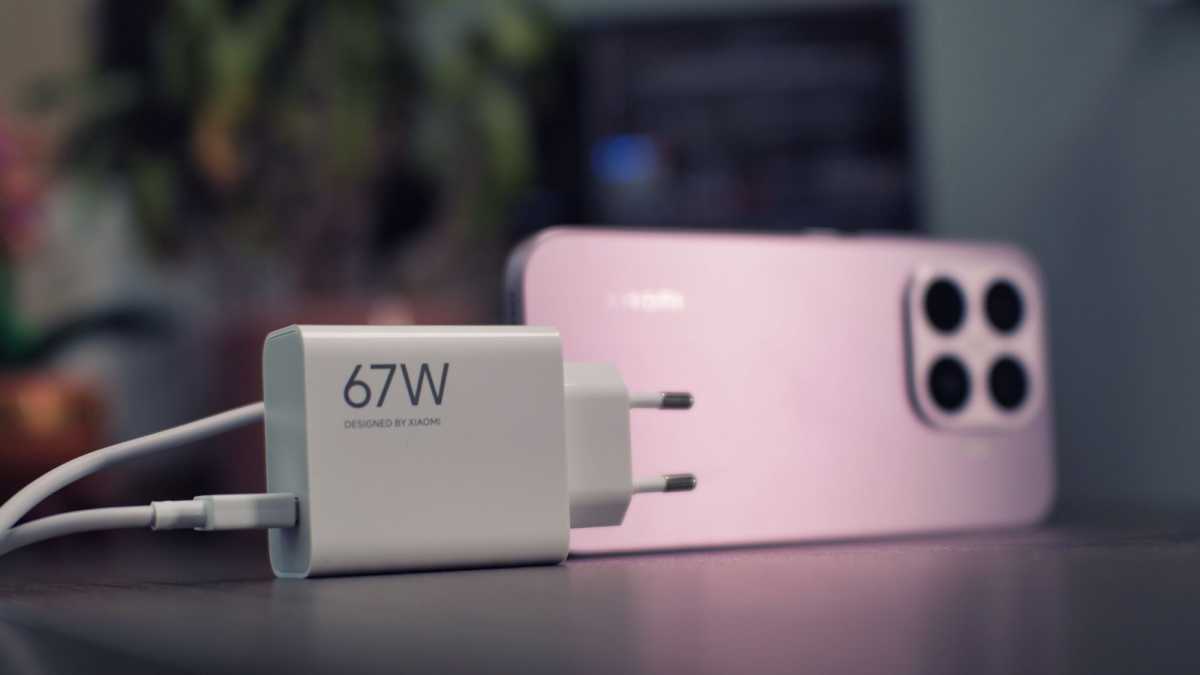
Still, it’s very easy to live with, and the speedy charging makes it even more pleasant. It supports up to 67W speeds, and my review sample came with the European charger included in the box. It can hit 47% in 30 minutes, which is good for a battery this large.
The standard 17T omits wireless charging support like many mid-range phones, so you’ll need to buy the 17T Pro to get this or the Galaxy S25 FE. Alternatively, the much cheaper Google Pixel 10 has it built in, with Pixelsnap (and MagSafe compatible) magnetic connection to boot.
Software & Apps
- HyperOS 3, based on Android 16
- Xiaomi Hyper AI
- 5 years of Android upgrades, 7 years of security
The Xiaomi 17T runs HyperOS 3, Xiaomi’s custom software based on Android 16. There aren’t too many changes with this version, so if you’ve used a recent Xiaomi or Poco device, you’ll have a good idea of what to expect.
Of course, in 2026, there are plenty of AI features to play with
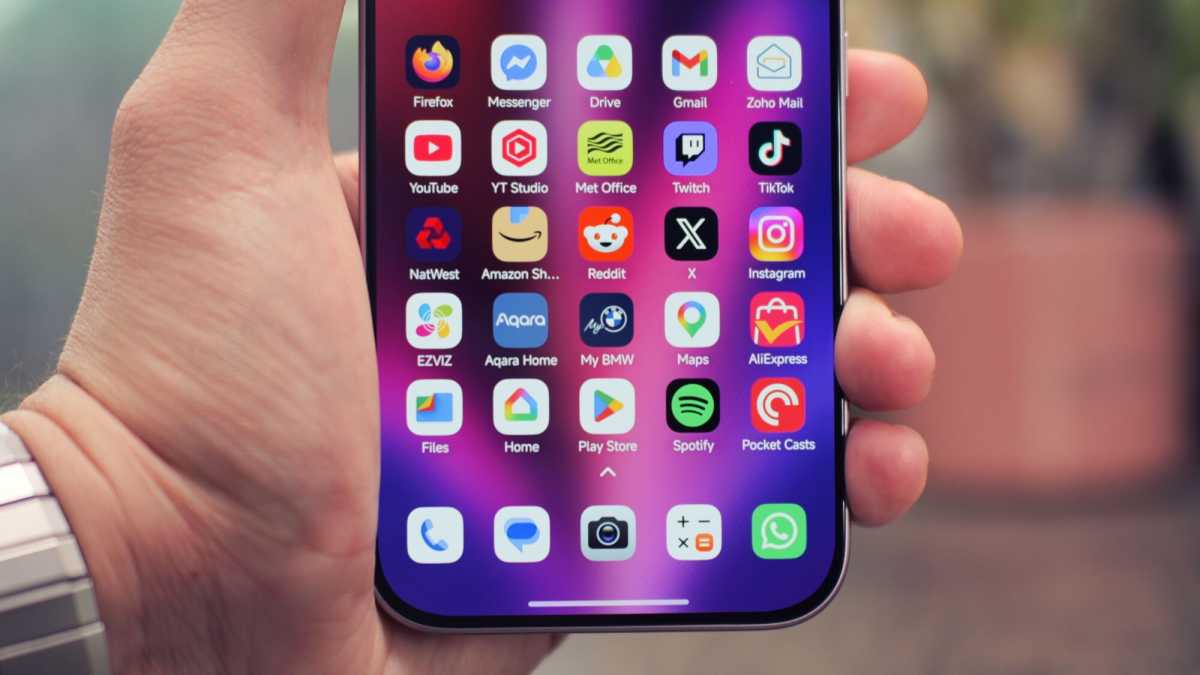
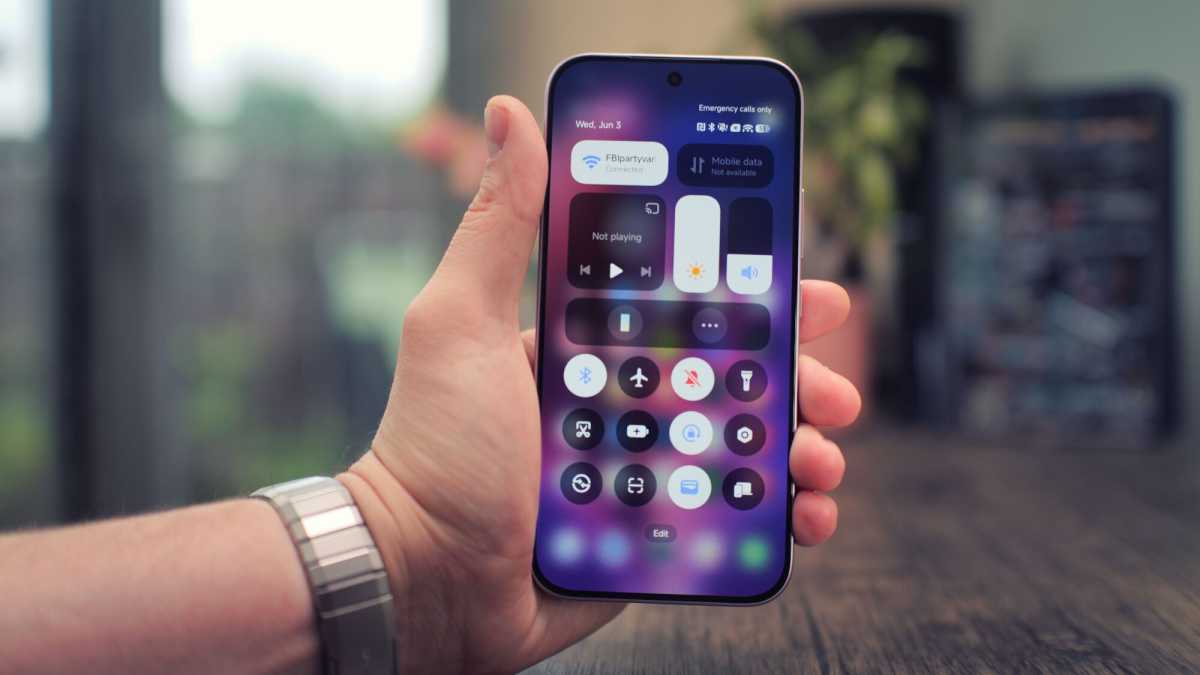
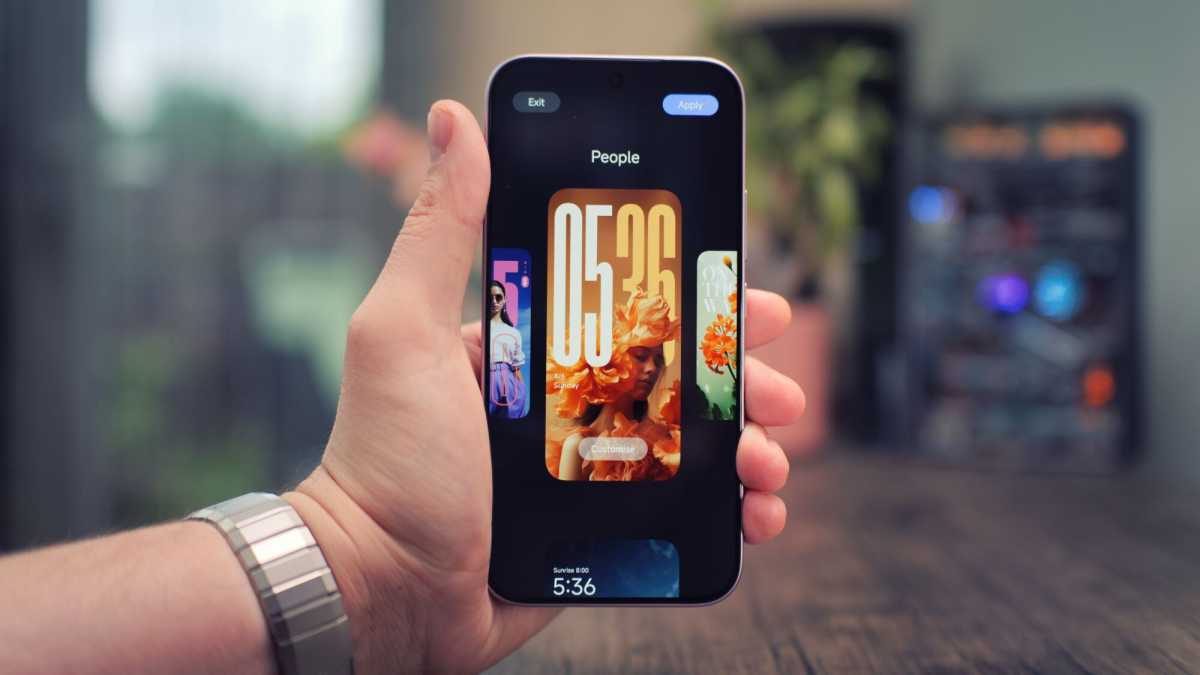
Overall, it’s a well-designed and feature-packed operating system, but it strays quite far from the typical Android experience. Xiaomi clearly takes some inspiration from Apple, and that’s evident in the lock screen styling options, the design of the quick settings shade, and with Hyper Island, which is essentially a carbon copy of Dynamic Island.
Personally, I don’t think that’s a bad thing. iOS is popular for a reason, and while some of these choices aren’t the most unique, they function well and look the part. No complaints from me.
Of course, in 2026, there are plenty of AI features to play with. You get all the usual features like AI-assisted transcription, summarisation, and translation. Plus loads of neat photo editing tools, like the ability to zoom out and expand the image with generative AI, swap the sky to change the mood, or cut out a subject and add portrait blur.
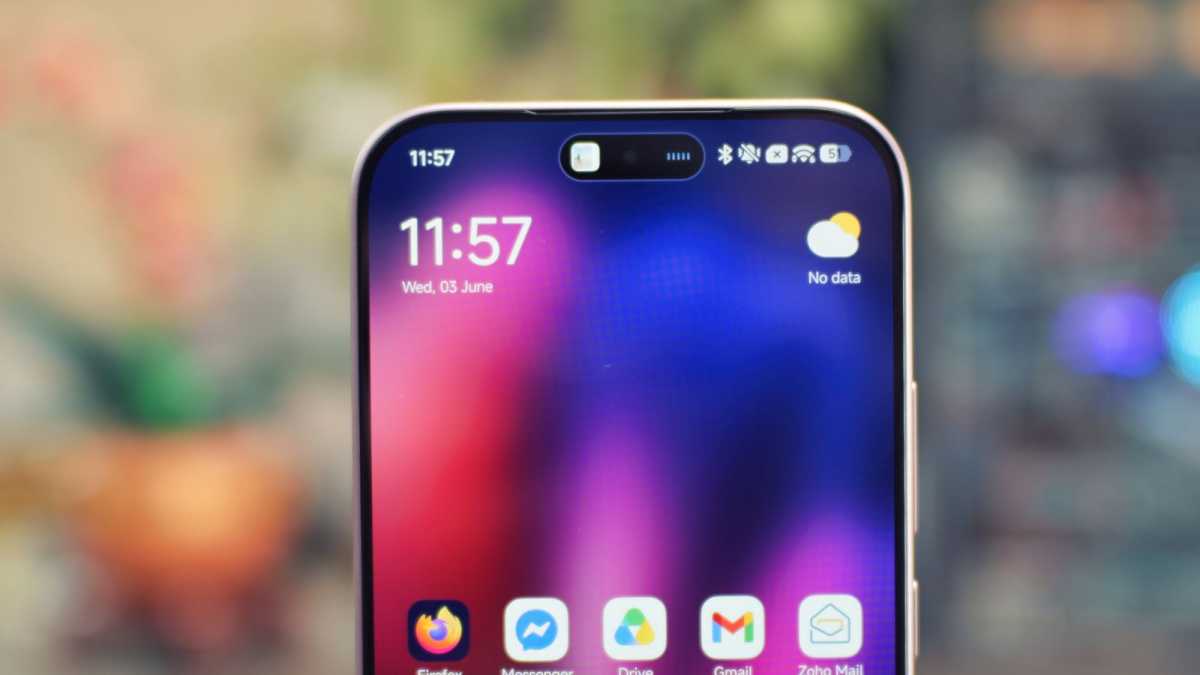
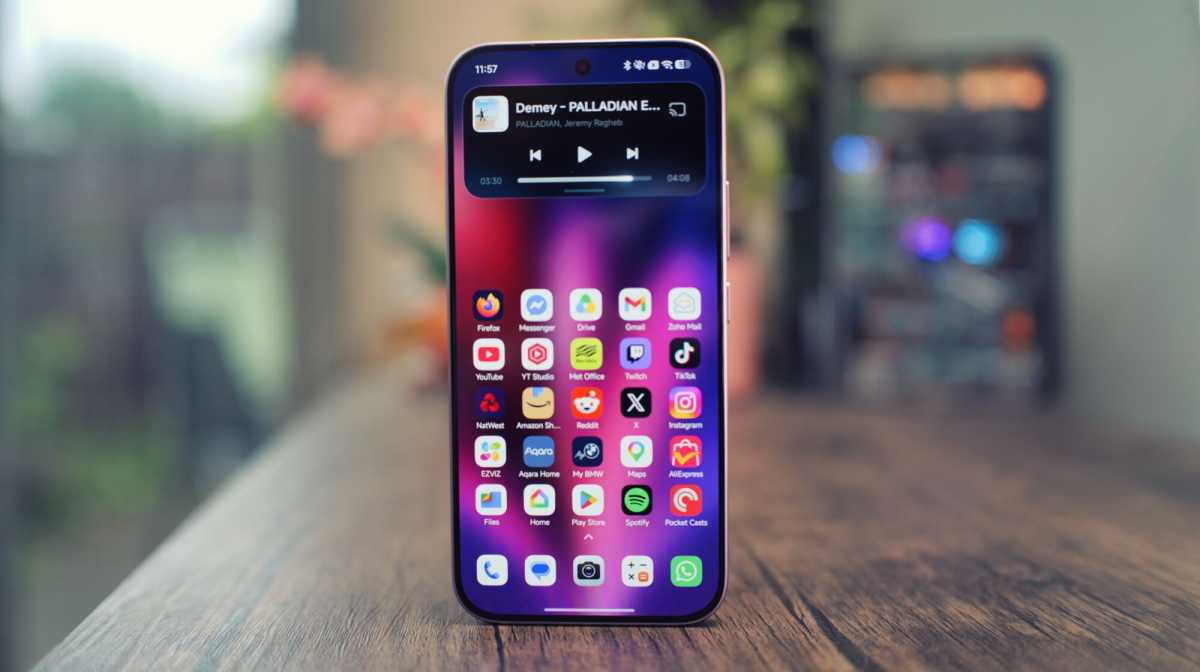
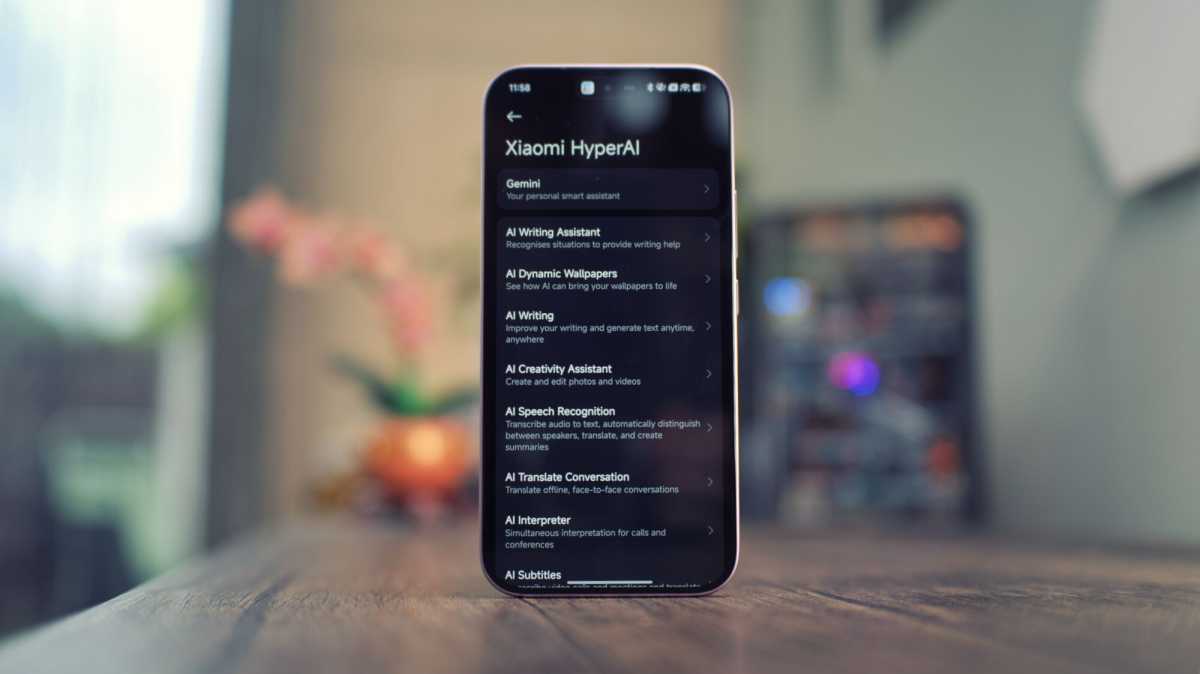
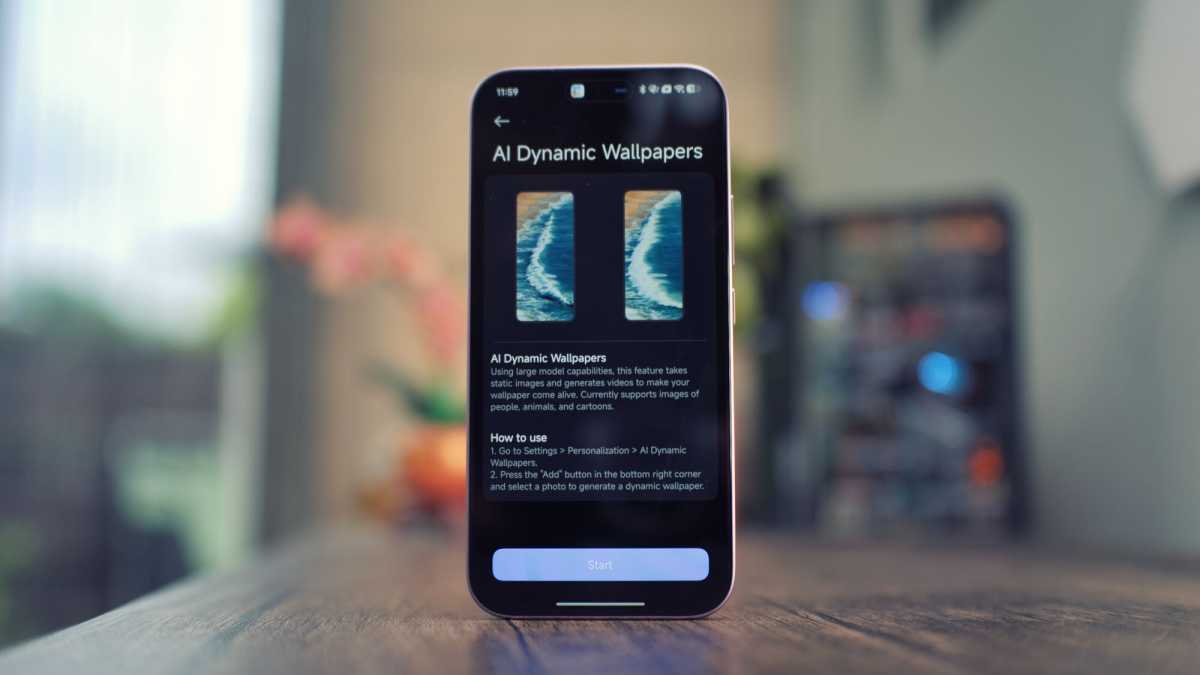
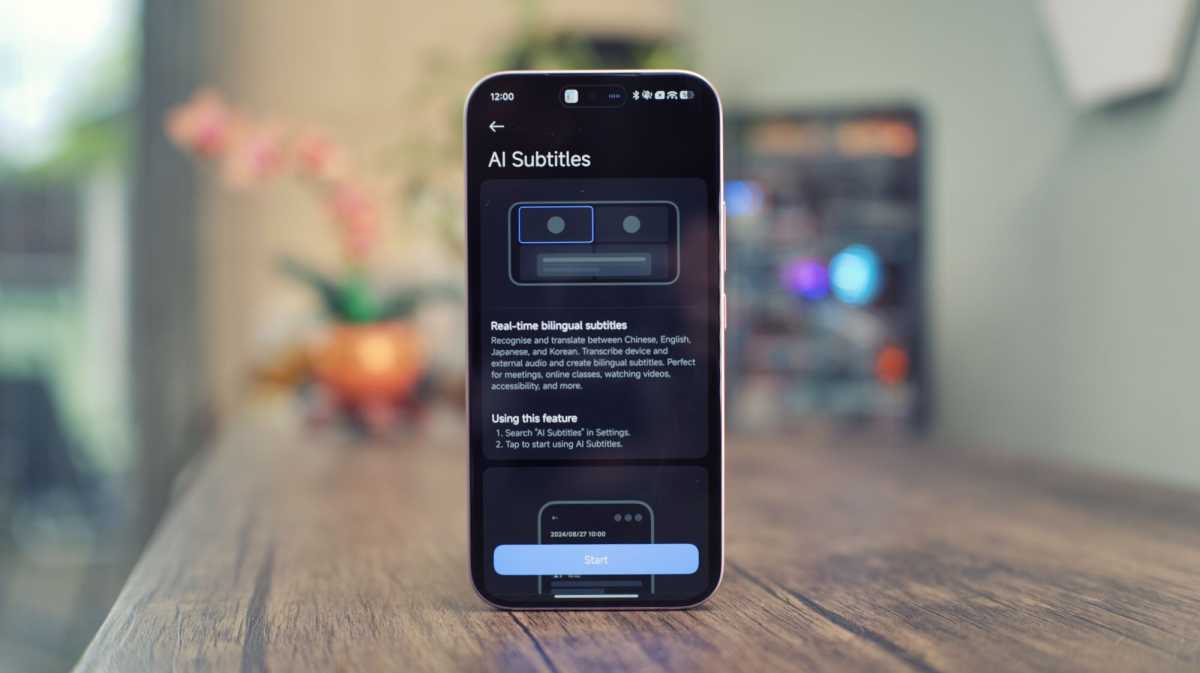
Some of the more novel additions include AI Dynamic Wallpapers, which can turn any image into a short video for your wallpaper, and AI Subtitles, which can transcribe and translate content coming from your phone speakers regardless of what app you’re using. That one’s quite handy.
There’s a bit of bloatware to clean up when you first start using the phone, but it’s nothing too annoying, and at this price point, it’s par for the course. I was able to get it all uninstalled within a matter of minutes.
When it comes to long-term support, Xiaomi promises 5 years of major Android OS upgrades and 7 years of security patches. So while it’s not a class-leading offering, the phone will still be running the latest software until at least 2031.
Price & Availability
The Xiaomi 17T is available in two configurations, both coming with 12GB of RAM. The 256GB will cost you £649 in the UK, and the 512GB model is £699. It’s widely available throughout Europe and in many other regions across the world, but it’s not coming to the US.
The price has increased by roughly £100 compared to last year, now matching the Samsung Galaxy S25 FE (with only 128GB storage) and it’s safe to say we can thank the current RAM shortage for that. Even still, it remains a decent value.
The specifications absolutely embarrass the iPhone 17e, for example, despite the 17T only costing slightly more. I’d happily pick this over the Pixel 10, too.
As usual, there are some solid offers for early bird buyers. The Xiaomi official store will throw in the Redmi Pad 2 Pro completely free until the end of June, and there are a few coupons that can bring the asking price down a little. You can also buy it from the likes of Amazon if you prefer.
Check out our best mid-range phones guide for more options.
Should you buy the Xiaomi 17T?
The Xiaomi 17T is an excellent upper mid-range phone with cameras that punch above their weight. Especially if you’re into making videos, I don’t think you’re likely to find a better-equipped phone in this price bracket.
The rest of the phone is solid, too. It looks premium, the software is slick and feature-filled, the battery life is really good, and it charges quickly. I wouldn’t recommend this phone to serious gamers, but for most people, there’s more than enough power on tap.
What makes matters a little trickier is the pricing, and the stiffest competition comes from Xiaomi itself. You can currently still buy the Xiaomi 15T Pro brand new on the UK site, and it costs exactly the same as the 17T.
Opting for the older Pro will give you a better main camera, wireless charging, an aluminium frame, and a faster processor. Plus, you still get that excellent 5x telephoto. The downside is that the battery is smaller and the phone is bigger – but that could be a worthy trade-off. The 15T Pro won’t stick around forever, though.
And at the right price, the Xiaomi 17T is a brilliant choice if you’re considering an alternative to the Samsungs and Googles.
Specs
- Hyper OS 3, based on Android 16
- 6.59-inch, 2756 x 1268, OLED, 120Hz
- Optical in-display fingerprint sensor
- MediaTek 8500-Ultra
- 12GB RAM
- 256/512GB storage
- Camera:
- 50Mp main sensor
- 12Mp ultrawide
- 50Mp 5x telephoto
- 32Mp selfie camera
- Up to 4K @ 60fps rear video
- Stereo speakers
- Dual-SIM + eSIM
- Wi-Fi 802.11 a/b/g/n/ac/ax/6e
- Bluetooth 6.0
- 6500mAh battery
- 67W wired charging
- No wireless charging
- 157.6 x 75.2 x 8.2mm
- IP68 certified
- 200g
- Colours: Violet, Blue, Opal White, Black